
Have you ever experienced eye fatigue after spending long hours in front of a computer screen? It’s a common issue that many people face, and it can have detrimental effects on our overall well-being. In this article, we will discuss the risk factors that contribute to eye fatigue and provide practical precautions you can take to protect your eyes and alleviate any discomfort. So, let’s dive into the world of eye fatigue and learn how we can keep our eyes happy and healthy!
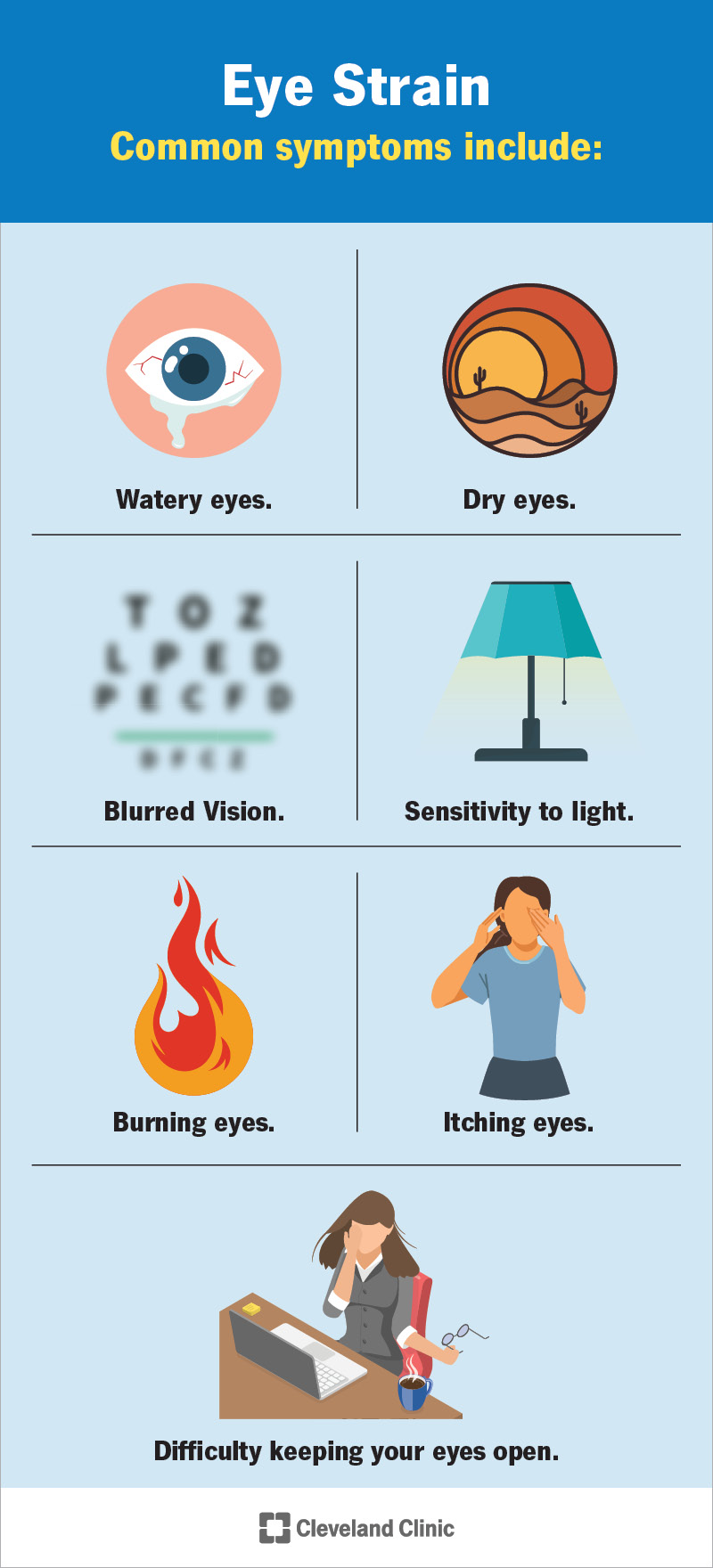
Risk Factors for Eye Fatigue
Using digital devices for extended periods
In today’s digital age, it is common for many individuals to spend extended periods of time using digital devices such as smartphones, tablets, and computers. Unfortunately, this prolonged screen time can significantly contribute to eye fatigue. Staring at screens for long durations can strain the eyes, leading to symptoms such as dryness, redness, and blurred vision. It is important to be mindful of the amount of time you spend on digital devices and take regular breaks to give your eyes a rest.
Exposure to bright or flickering lights
Bright lights, whether natural sunlight or artificial lighting, can have a negative impact on your eyes, especially when exposed for prolonged periods. Additionally, flickering lights, such as fluorescent lights, can cause eye strain and discomfort. To minimize the effects of bright lights, it is recommended to wear sunglasses when outdoors and to adjust the lighting in your environment to a comfortable level. Moreover, if you work in a place that utilizes flickering lights, consider requesting a change in the lighting to reduce your risk of eye fatigue.
Improper lighting conditions
Working or studying in an environment with improper lighting conditions can also contribute to eye fatigue. Insufficient lighting can force your eyes to work harder to focus, leading to eye strain. On the other hand, excessive lighting can cause glare and discomfort, making it difficult to concentrate. It is essential to ensure proper lighting in your workspace by utilizing natural light when possible and adding desk lamps or overhead lights to optimize visibility without causing unnecessary strain on your eyes.
Working in a dry environment
A dry environment can be detrimental to your eye health and contribute to eye fatigue. When the air lacks moisture, it can cause the tear film on the surface of your eyes to evaporate quickly, leading to dryness and irritation. This can be particularly problematic if you spend a significant amount of time in an air-conditioned or heated room. To prevent dry eyes, consider using a humidifier to add moisture to the air, blinking frequently to lubricate the eyes, and utilizing lubricating eye drops to provide relief and prevent discomfort.
Lack of sleep and fatigue
We all know that a good night’s sleep is essential for overall well-being, but it also plays a vital role in maintaining healthy eyes. Lack of sleep and chronic fatigue can have a negative impact on your eye health, leading to eye strain and discomfort. When you don’t get enough rest, your eyes may feel dry, itchy, and tired. Improving your sleep quality and managing fatigue through proper sleep hygiene practices can significantly reduce the risk of eye fatigue.
Poor posture and ergonomics
Believe it or not, your posture and ergonomic setup can also influence the health of your eyes. Sitting or working in a position that strains your neck, shoulders, and back can lead to eye fatigue. When your body is not properly aligned, the muscles around your eyes can become tense and fatigued. To prevent this, it is important to maintain good posture and ensure that your workspace is ergonomically optimized. This includes using an adjustable chair, positioning your computer screen at eye level, and taking regular breaks to stretch and relax your body.
Underlying eye conditions
Certain eye conditions can contribute to eye fatigue, even without any external risk factors. Conditions such as dry eyes, allergies, and refractive errors can make your eyes more prone to strain and discomfort. If you have an underlying eye condition, it is crucial to seek appropriate diagnosis and treatment from an ophthalmologist. Managing these conditions effectively can significantly reduce your risk of experiencing eye fatigue and its associated symptoms.
Excessive use of contact lenses
While contact lenses can be a convenient and effective vision correction option, excessive use can lead to eye fatigue. Wearing contact lenses for extended periods without giving your eyes a break can cause dryness, discomfort, and even corneal abrasions. It is important to follow your eye care professional’s recommendations regarding the wearing schedule for your contact lenses and to give your eyes regular breaks by wearing glasses instead.
Smoking and alcohol consumption
It is no secret that smoking and excessive alcohol consumption can have numerous negative effects on your overall health. However, they can also contribute to eye fatigue. Smoking can lead to dry eyes and increase your risk of developing eye conditions such as cataracts and macular degeneration. Similarly, excessive alcohol consumption can cause dehydration, leading to dryness and discomfort in the eyes. To protect your eyes and prevent eye fatigue, it is best to avoid smoking and consume alcohol in moderation.
Aging
As we age, our eyes undergo natural changes that can increase the risk of eye fatigue. Presbyopia, a common age-related condition that causes difficulty in focusing on near objects, can strain the eyes and lead to fatigue. Additionally, the risk of developing age-related eye conditions such as cataracts, glaucoma, and macular degeneration increases with age. To care for your aging eyes and prevent eye fatigue, it is crucial to have regular eye examinations and adopt healthy lifestyle habits.

Precautions to Prevent Eye Fatigue
Take regular breaks from screen time
One of the most effective ways to prevent eye fatigue from prolonged screen time is to take regular breaks. The 20-20-20 rule is a helpful guideline to follow: every 20 minutes, take a 20-second break and look at something 20 feet away. This gives your eyes a chance to relax and refocus, reducing strain and fatigue. Additionally, try to incorporate other activities during your breaks, such as stretching or walking, to further alleviate eye fatigue.
Adjust screen settings and use blue light filters
Adjusting the settings on your digital devices can also play a significant role in preventing eye fatigue. Increase the font size and adjust the brightness and contrast to a level that is comfortable for your eyes. Additionally, consider using a blue light filter or installing a blue light filter app on your devices. Blue light emitted from screens can disrupt your sleep-wake cycle and cause eye strain, so minimizing exposure to this type of light can help reduce fatigue.
Ensure proper lighting in the workspace
Proper lighting is essential for maintaining healthy eyes and preventing eye fatigue. Make sure your workspace is well-lit, with a combination of natural and artificial light that is neither too bright nor too dim. Position your desk or work surface perpendicular to windows to avoid glare, and use adjustable desk lamps or overhead lights to provide adequate illumination. If needed, add a glare filter to your computer screen to further reduce the risk of eye strain.
Use lubricating eye drops
If you are experiencing dry eyes or discomfort, lubricating eye drops can help alleviate symptoms and prevent eye fatigue. There are different types of eye drops available, so it is important to choose the ones specifically formulated for dry eyes. Using these drops multiple times a day can provide temporary relief by adding moisture to your eyes and reducing dryness and irritation.
Get enough sleep and manage fatigue
Getting sufficient sleep and managing fatigue is crucial for maintaining healthy eyes and preventing eye strain. Aim for 7-8 hours of quality sleep each night and establish a regular sleep routine. Avoid caffeine and electronics before bedtime, as they can interfere with your sleep. Additionally, practicing stress management techniques, such as meditation or deep breathing exercises, can help reduce fatigue and promote better eye health.
Maintain good posture and ergonomics
Proper posture and ergonomics play a significant role in preventing eye fatigue. Sit up straight with your shoulders relaxed and ensure that your computer screen is positioned at eye level. Use an adjustable chair that supports your lower back and consider using a footrest if needed. Taking regular breaks to stand up, stretch, and change your sitting position will further promote good posture and reduce strain on your eyes and body.
Get regular eye check-ups
Regular eye examinations are essential for maintaining healthy eyes and detecting any potential problems early on. It is recommended to have a comprehensive eye exam at least once every two years, or as advised by your eye care professional. These examinations can help identify any underlying eye conditions that may contribute to eye fatigue, and appropriate treatment can be initiated to manage the condition effectively.
Limit the use of contact lenses
While contact lenses can be a convenient and preferred option for vision correction, it is important to limit their use to prevent eye fatigue. Follow the wearing schedule provided by your eye care professional and avoid wearing contact lenses for extended periods without giving your eyes a break. Additionally, ensure that you properly clean and disinfect your lenses to maintain good ocular hygiene and minimize the risk of eye infections.
Avoid smoking and excessive alcohol consumption
To protect your eyes and prevent eye fatigue, it is best to avoid smoking altogether. Smoking can increase the risk of various eye conditions and worsen symptoms such as dry eyes. Similarly, excessive alcohol consumption can lead to dehydration, which can contribute to eye dryness and discomfort. By avoiding these harmful habits, you can reduce the risk of eye fatigue and promote better overall eye health.
Adopt a healthy lifestyle
Maintaining a healthy lifestyle is crucial for preventing eye fatigue and promoting optimal eye health. Eat a balanced diet rich in fruits, vegetables, and omega-3 fatty acids, as they provide essential nutrients for good eye health. Stay hydrated by drinking an adequate amount of water each day. Exercise regularly to improve blood circulation and reduce the risk of eye strain. Lastly, protect your eyes from harmful ultraviolet (UV) rays by wearing sunglasses whenever you are outdoors.

Using digital devices for extended periods
Effects of prolonged screen time on eyes
Using digital devices for extended periods can have several adverse effects on your eyes. The high-energy blue light emitted by screens can penetrate deep into the eye, potentially causing damage to the retina and increasing the risk of age-related macular degeneration. Prolonged screen use can also lead to digital eye strain, characterized by symptoms such as eyestrain, blurred vision, dry eyes, and headaches. Additionally, constantly focusing on a nearby screen can lead to a decrease in blinking, resulting in dryness and irritation.
Strategies to reduce eye strain while using digital devices
To minimize eye strain and reduce the risk of eye fatigue while using digital devices, there are several strategies you can implement. Start by following the 20-20-20 rule, taking breaks every 20 minutes to look at something 20 feet away for 20 seconds. Adjust the display settings on your devices to reduce brightness, increase font size, and optimize contrast. Position your screen at eye level to avoid unnecessary strain on your neck and eyes. Additionally, consider using artificial tears or lubricating eye drops to keep your eyes moist and comfortable.
Recommended screen time limits for different age groups
It is important to be mindful of the recommended screen time limits for different age groups to prevent eye fatigue and protect overall eye health. The American Academy of Pediatrics suggests the following guidelines:
- For children under 18 months, avoid screen time (except video chatting).
- For children between 18 to 24 months, introduce high-quality educational programming under parental supervision.
- For children aged 2 to 5 years, limit screen time to 1 hour per day of high-quality programming.
- For children aged 6 years and older, establish consistent limits on the time spent using digital media and ensure a balance between screen time and other activities.
Remember, these recommendations serve as a general guideline, and it is important to prioritize quality screen time and engage in other beneficial activities for eye health and overall well-being.
