
If you’ve ever experienced difficulty lifting the front part of your foot while walking, you may be familiar with the condition known as foot drop. It can be a frustrating and potentially dangerous problem, as it can cause tripping and falling. In this article, we will explore the risk factors associated with foot drop, such as nerve injuries, muscle weakness, and certain medical conditions. Additionally, we’ll discuss some precautions you can take to minimize the chances of developing foot drop or managing the condition if you’re already affected by it. So, let’s dive into the world of foot drop and discover how to stay on your feet safely and confidently.
Risk Factors
Neurological Conditions
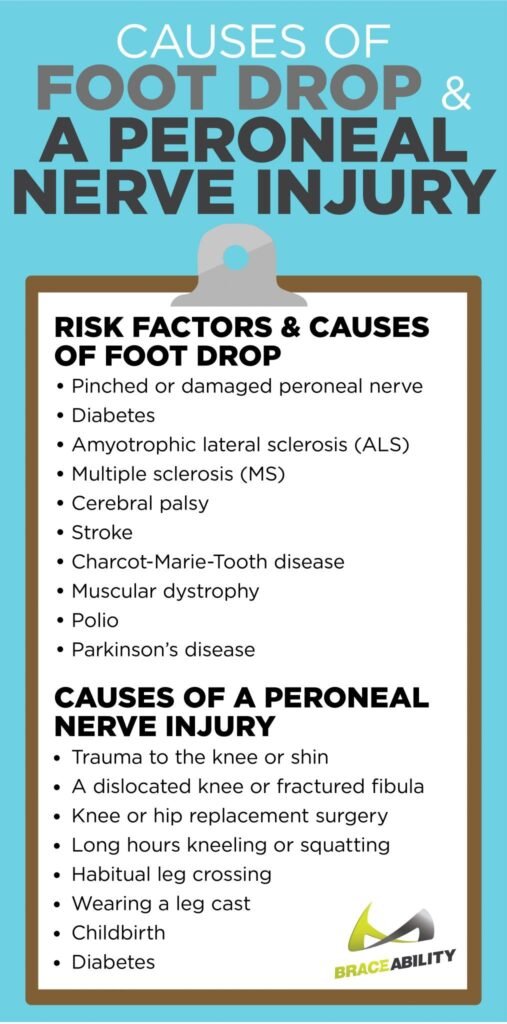
Neurological conditions such as multiple sclerosis, Parkinson’s disease, and cerebral palsy can increase the risk of developing foot drop. These conditions affect the central nervous system, which controls the movement of muscles, including those in the feet. If the nerve signals from the brain to the muscles are disrupted or damaged, it can result in weakness or paralysis of the muscles, leading to foot drop.
Muscle Disorders
Certain muscle disorders, such as muscular dystrophy and amyotrophic lateral sclerosis (ALS), can also contribute to the development of foot drop. These conditions affect the muscles directly, causing them to weaken or degenerate over time. As the muscles responsible for lifting the foot become weakened, it becomes difficult to maintain proper control and movement of the foot, leading to foot drop.
Nerve Damage
Nerve damage is one of the most common causes of foot drop. This can occur due to a variety of reasons, including injury, compression, or prolonged pressure on the nerves that supply the muscles of the foot. Conditions such as peripheral neuropathy, which is often associated with diabetes, can also lead to nerve damage and subsequent foot drop.
Spinal Cord Injury
A spinal cord injury can result in foot drop if the nerves in the lower back or legs are damaged. The severity of foot drop in individuals with spinal cord injury can vary depending on the location and extent of the injury. In some cases, the foot drop may be temporary and improve with time and rehabilitation, while in other cases it may be permanent.
Stroke
People who have had a stroke are also at risk of developing foot drop. During a stroke, the blood supply to the brain is interrupted, which can lead to damage in the areas of the brain responsible for controlling movement. This damage can affect the nerves and muscles involved in foot movement, resulting in foot drop.
Peripheral Neuropathy
Peripheral neuropathy is a condition characterized by damage to the peripheral nerves, which are responsible for transmitting signals between the brain and the rest of the body. Diabetes, vitamin deficiencies, and certain medications can cause peripheral neuropathy. When the nerves that control foot movement are affected, it can lead to foot drop.
Diabetes
Diabetes can lead to a condition known as diabetic neuropathy, which is a type of peripheral neuropathy specifically related to diabetes. High blood sugar levels can damage the nerves, including those that control foot movement. This can result in foot drop and other complications.
Injury or Trauma
Injuries or trauma to the lower leg, ankle, or foot can cause damage to the nerves or muscles involved in foot movement. Fractures, sprains, and nerve compression injuries can all contribute to the development of foot drop. It is important to seek medical attention promptly if you experience any injuries to the lower extremities to prevent further damage and the onset of foot drop.
Obesity
Carrying excess weight can put additional strain on the muscles, joints, and nerves in the lower extremities. This can increase the risk of developing foot drop, especially if combined with other risk factors such as diabetes or musculoskeletal conditions. Maintaining a healthy weight through proper diet and regular exercise can help reduce the risk of foot drop.
Age
As we age, the risk of developing foot drop increases. This is because the nerves and muscles naturally deteriorate over time, leading to weakness and decreased function. Age-related conditions such as osteoarthritis and degenerative disc disease can also contribute to the development of foot drop. It is important to stay active and maintain a healthy lifestyle as you age to minimize the risk of foot drop.
Prevention
Regular Exercise
Regular exercise is crucial for maintaining overall muscle strength and flexibility, which can help prevent foot drop. Exercises that target the muscles in the lower leg and foot, such as calf raises and ankle flexion exercises, can be particularly beneficial. It is important to consult with a healthcare professional or physical therapist to develop an appropriate exercise routine based on your individual needs and abilities.
Strength Training
Incorporating strength training exercises into your exercise routine can help strengthen the muscles in the lower leg and foot, reducing the risk of foot drop. Exercises such as toe curls and heel raises can target specific muscle groups and improve their strength and endurance. It is important to start with lighter weights and gradually increase the intensity as you build strength.
Stretching and Flexibility Exercises
Stretching and flexibility exercises can help improve the range of motion in the ankle and foot, reducing the risk of foot drop. Gentle stretches targeting the calf muscles, Achilles tendon, and plantar fascia can be beneficial. It is important to perform these exercises in a controlled manner and avoid overstretching, which can cause injury.
Maintaining a Healthy Weight
Maintaining a healthy weight is important for overall musculoskeletal health, including the prevention of foot drop. Excess weight can put additional strain on the muscles, joints, and nerves in the lower extremities, increasing the risk of foot drop. A balanced diet and regular exercise can help achieve and maintain a healthy weight.
Proper Footwear
Wearing appropriate footwear is essential for preventing foot drop. Shoes that provide proper support and stability can help maintain proper foot alignment and prevent muscle imbalances. It is important to choose shoes that fit well and provide adequate cushioning and arch support. Avoiding high heels and shoes with narrow toe boxes can also help reduce the risk of foot drop.
Avoiding Prolonged Pressure on the Feet
Avoiding prolonged pressure and excessive compression on the feet can help prevent nerve damage and foot drop. If your occupation or daily activities require prolonged standing or sitting, it is important to take regular breaks to elevate and move your feet. Using cushioned mats or shoe inserts can also help reduce pressure on the feet.
Taking Safety Precautions
Taking safety precautions to prevent injuries to the lower extremities can help reduce the risk of foot drop. This includes wearing protective gear when participating in high-risk activities or sports, using proper technique when lifting heavy objects, and avoiding activities that put excessive strain on the feet and legs.
Managing Chronic Conditions
If you have a chronic condition such as diabetes or a neurological disorder, it is important to work closely with your healthcare team to manage your condition effectively. This may involve regular check-ups, medication management, and lifestyle modifications to minimize the risk of complications such as foot drop.
Avoiding High Impact Activities
Engaging in high-impact activities, such as running or jumping, can increase the risk of foot and leg injuries, which in turn can contribute to foot drop. It is important to choose low-impact or moderate-intensity exercises that minimize the risk of injury to the lower extremities. Activities such as swimming, cycling, and yoga can be excellent options.
Using Assistive Devices
In some cases, the use of assistive devices such as braces, splints, or orthotics may be necessary to prevent or manage foot drop. These devices can provide support and help maintain proper foot alignment and function. It is important to work with a healthcare professional or orthotist to ensure the proper selection and fitting of these devices.

Diagnosis
Medical History
To diagnose foot drop, your healthcare provider will start by taking a detailed medical history. They will ask about your symptoms, any previous injuries or surgeries, and any underlying medical conditions that may be contributing to the foot drop.
Physical Examination
A physical examination will be conducted to assess the strength, sensation, and range of motion in your legs and feet. Your healthcare provider will closely examine the muscles and tendons in your lower leg and foot, looking for any signs of weakness or abnormalities.
Electromyography (EMG)
Electromyography, or EMG, is a diagnostic test that measures the electrical activity in your muscles. During the test, small electrodes are placed on the skin or inserted into the muscles to record the electrical signals produced by the muscles. This test can help determine if there is any muscle damage or nerve dysfunction contributing to the foot drop.
Nerve Conduction Study (NCS)
A nerve conduction study, or NCS, is often performed in conjunction with an EMG. This test measures the speed and strength of electrical signals as they travel through the nerves. By stimulating specific nerves and measuring the response, your healthcare provider can determine if there is any damage or abnormality in the nerves controlling foot movement.
Imaging Tests
Imaging tests such as X-rays, CT scans, or MRI scans may be ordered to evaluate the bones, joints, and soft tissues in the legs and feet. These tests can help identify any structural abnormalities or injuries that may be contributing to the foot drop.
Blood Tests
Blood tests may be ordered to check for underlying medical conditions that may be causing or contributing to the foot drop. Tests such as blood glucose levels (to check for diabetes), vitamin levels, and thyroid function tests may be performed.
Treatment
Underlying Condition Management
The treatment of foot drop often focuses on addressing the underlying condition that is causing or contributing to the foot drop. This may involve medication management, physical therapy, lifestyle modifications, or surgical interventions, depending on the specific condition and its severity.
Physical Therapy
Physical therapy plays a crucial role in the treatment of foot drop. A physical therapist can design a customized exercise program to strengthen the muscles in the legs and feet, improve balance and coordination, and promote proper gait and movement patterns. Physical therapy may also involve the use of assistive devices or orthotics to support and stabilize the foot.
Orthotic Devices
Orthotic devices, such as braces or splints, can help support the foot and ankle, improving stability and function. These devices are typically custom-made to fit the individual’s specific needs and can be worn inside the shoes. They help maintain proper foot alignment and provide additional support to the muscles and tendons involved in foot movement.
Functional Electrical Stimulation (FES)
Functional electrical stimulation, or FES, uses electrical impulses to stimulate the muscles involved in foot movement. This can help improve muscle strength and coordination, allowing for more controlled foot movement. FES can be delivered through special devices worn on the leg or foot, which are controlled by the individual or a healthcare professional.
Surgical Intervention
In some cases, surgical intervention may be necessary to treat foot drop. This may involve decompressing or releasing compressed nerves, repairing damaged tendons or muscles, or correcting any structural abnormalities. The specific procedure will depend on the underlying cause of the foot drop and the individual’s overall health. Surgical intervention is typically considered when conservative treatments have been ineffective.

Home Care
Safe Home Environment
Creating a safe home environment is essential for individuals with foot drop. This may involve removing trip hazards, ensuring proper lighting, and installing handrails or grab bars in areas where support is needed. It is important to keep walkways clear of clutter and secure loose rugs or mats to prevent falls.
Regular Exercise and Physical Therapy
Continuing with regular exercise and physical therapy at home can help maintain muscle strength, flexibility, and overall mobility. It is important to follow the exercise program developed by your healthcare provider or physical therapist and make any necessary modifications based on your individual needs and abilities.
Assistive Devices
Using assistive devices can help improve mobility and reduce the risk of falls for individuals with foot drop. This can include canes, walkers, or crutches to provide additional support and stability while walking. The use of braces, splints, or orthotics may also be recommended to support the foot and ankle during daily activities.
Foot Care
Proper foot care is crucial for individuals with foot drop. Regularly inspecting the feet for cuts, sores, or signs of infection can help prevent complications. Maintaining good hygiene, keeping the feet clean and dry, and wearing appropriate footwear are also important. It is important to consult with a healthcare professional or podiatrist for guidance on foot care specific to your condition.
Pain Management
Foot drop can sometimes be associated with pain or discomfort. Managing pain effectively can help improve overall function and quality of life. This may involve the use of over-the-counter pain medications, topical creams or gels, or prescription medications, depending on the severity of the pain. It is important to consult with a healthcare professional for appropriate pain management strategies.
Complications
Loss of Independence
Foot drop can significantly impact an individual’s ability to walk and perform daily activities independently. The loss of independence can have a profound effect on one’s physical and emotional well-being. However, with the right treatment and support, individuals with foot drop can regain mobility and function, minimizing the impact on their independence.
Falls and Injuries
Foot drop increases the risk of falls and injuries. Difficulty in lifting the foot and maintaining proper balance can cause trips and stumbles, leading to sprains, fractures, or other injuries. It is important for individuals with foot drop to take precautions to prevent falls, such as using assistive devices, wearing proper footwear, and creating a safe home environment.
Chronic Pain
Chronic pain can be a complication of foot drop, especially if there is an underlying condition or nerve damage. The pain can range from mild discomfort to severe and debilitating. It is important to work with a healthcare professional to manage and address the underlying causes of pain, which may involve a combination of medication, physical therapy, and other pain management strategies.
Psychological Impact
Foot drop can have a significant psychological impact on individuals, affecting their self-esteem, confidence, and overall well-being. The loss of mobility and independence can lead to feelings of frustration, isolation, and depression. It is important for individuals with foot drop to seek emotional support and counseling to cope with these psychological challenges.

When to See a Doctor
Persistent Foot Drop
If you experience persistent foot drop that does not improve with rest or conservative measures, it is important to seek medical attention. Persistent foot drop may indicate a more serious underlying condition or nerve damage that requires further evaluation and treatment.
Worsening Symptoms
If your foot drop symptoms are worsening over time, it is important to consult with a healthcare professional. Worsening symptoms may indicate progression of an underlying condition or the development of new complications that require medical intervention.
Difficulty in Walking or Performing Activities
If you are having difficulty walking or performing activities due to foot drop, it is important to seek medical attention. Difficulty in walking or performing activities can significantly impact your quality of life and should not be ignored.
Development of New Symptoms
If you develop new symptoms in addition to foot drop, such as weakness, numbness, tingling, or loss of bladder or bowel control, it is important to seek immediate medical attention. These symptoms may indicate a more serious underlying condition or nerve dysfunction that requires urgent evaluation and treatment.
Conclusion
Foot drop can significantly impact an individual’s mobility, independence, and overall quality of life. Understanding the risk factors and taking necessary precautions can help prevent the development of foot drop. Effective diagnosis and treatment strategies, including physical therapy, assistive devices, and medical interventions, can help manage and improve foot drop symptoms. It is important to seek medical attention if you experience persistent or worsening foot drop symptoms to receive appropriate evaluation and treatment. By taking proactive steps and working closely with healthcare professionals, individuals with foot drop can regain mobility and lead fulfilling lives.
