
Hernia is a common medical condition that occurs when an organ or tissue pushes through a weak spot in the surrounding muscle or connective tissue. This article will explore the various risk factors that can increase your chances of developing a hernia and discuss the precautions you can take to prevent this condition from occurring. By understanding the factors that contribute to hernias and implementing preventative measures, you can protect yourself and reduce the likelihood of experiencing this uncomfortable and potentially serious condition.

Common Types of Hernias
Inguinal Hernia
An inguinal hernia is the most common type of hernia. It occurs when a part of the intestine or abdominal tissue protrudes through a weak spot or tear in the inguinal canal. Inguinal hernias are more common in men and can cause discomfort or bulging in the groin area.
Hiatal Hernia
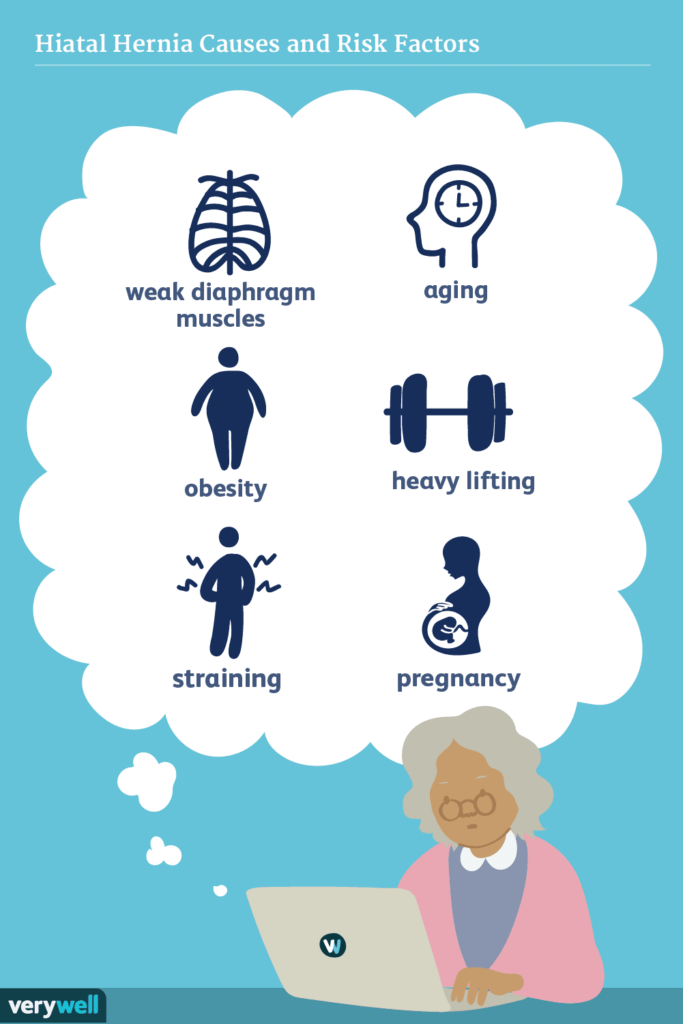
A hiatal hernia occurs when a part of the stomach pushes through the hiatus, which is an opening in the diaphragm. This type of hernia often leads to heartburn or gastroesophageal reflux disease (GERD) symptoms, such as acid reflux and chest pain.
Incisional Hernia
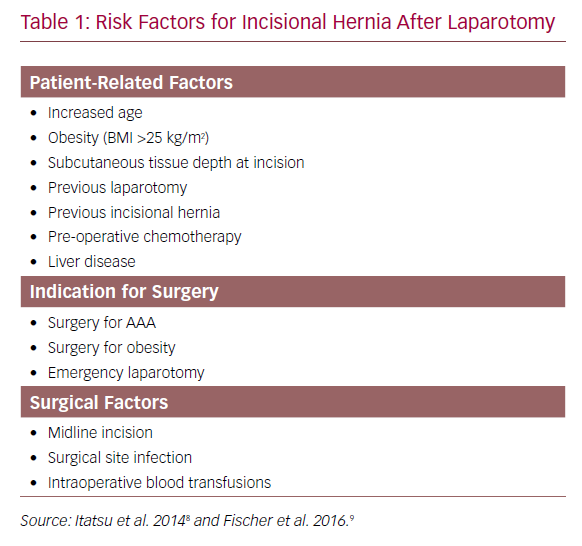
An incisional hernia develops at the site of a previous abdominal surgery incision. It occurs when the abdominal tissue or intestine protrudes through the weakened scar tissue. Incisional hernias can occur months or even years after the initial surgery.
Umbilical Hernia
Umbilical hernias are common in infants and occur when a part of the intestine pushes through the abdominal wall near the belly button. In most cases, umbilical hernias close on their own during the child’s first few years of life. However, in some cases, surgery may be necessary.
Femoral Hernia
Femoral hernias are more common in women and can occur when a part of the intestine or tissue protrudes through the femoral canal, a small opening in the groin area. This type of hernia may cause a bulge in the upper thigh or groin and can be more prone to complications compared to inguinal hernias.
Risk Factors for Hernia
Age
As you get older, your risk of developing a hernia increases. The muscles and tissues that support your abdominal organs may weaken over time, making it easier for a hernia to occur.
Obesity
Being overweight or obese puts added pressure on your abdomen, increasing the likelihood of developing a hernia. Excess weight can strain the muscles and weaken the abdominal wall, making it more vulnerable to herniation.
Pregnancy
During pregnancy, the growing uterus puts pressure on the abdominal muscles, potentially causing them to weaken or stretch. This increased pressure can lead to a higher risk of developing a hernia, especially in the groin or umbilical areas.
Family History
If you have a family history of hernias, you may be more predisposed to developing one yourself. Genetic factors can contribute to weakening of the abdominal muscles, making hernias more likely.
Chronic Coughing
Consistent and forceful coughing over a long period of time can strain the abdominal muscles, increasing the risk of herniation. Conditions such as chronic bronchitis or whooping cough can contribute to this risk.
Chronic Constipation
Straining during bowel movements due to chronic constipation can put pressure on the abdominal muscles, potentially causing them to weaken and leading to the formation of a hernia.
Lifting Heavy Objects
Regularly lifting heavy objects without using proper lifting techniques can strain the abdominal muscles and increase the risk of hernia development. It is important to lift with your legs and not solely rely on your back and abdominal muscles.
Straining during Urination
Straining while urinating, especially if you have an enlarged prostate or other urinary issues, can put excessive pressure on the abdominal muscles and increase the risk of herniation.
Smoking
Smoking can contribute to the development of hernias by weakening tissues and reducing the body’s ability to heal properly. It can also increase the risk of complications during surgical repair.
Previous Abdominal Surgery
Having had previous abdominal surgeries can weaken the abdominal muscles and increase the likelihood of developing an incisional hernia. The surgical incision site may create a weak point where the intestine or tissue can protrude.
Preventing Hernias
Maintain a Healthy Weight
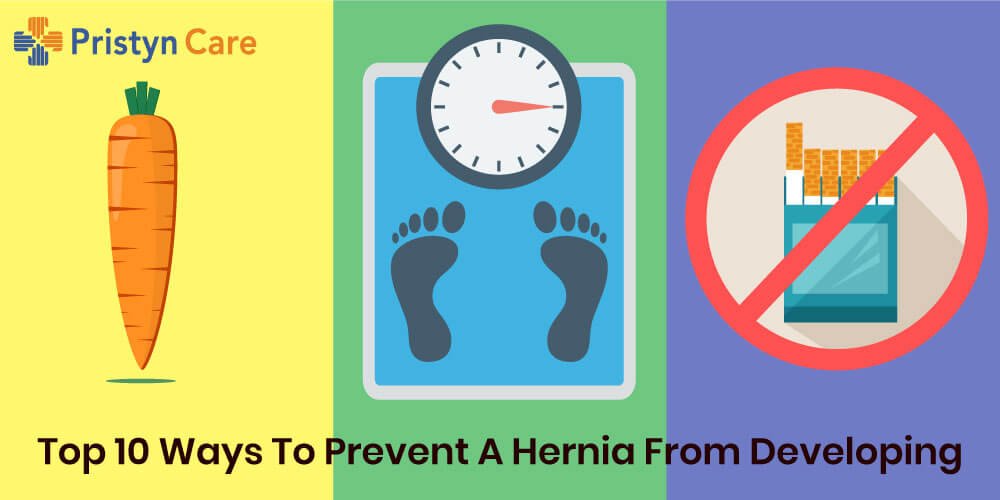
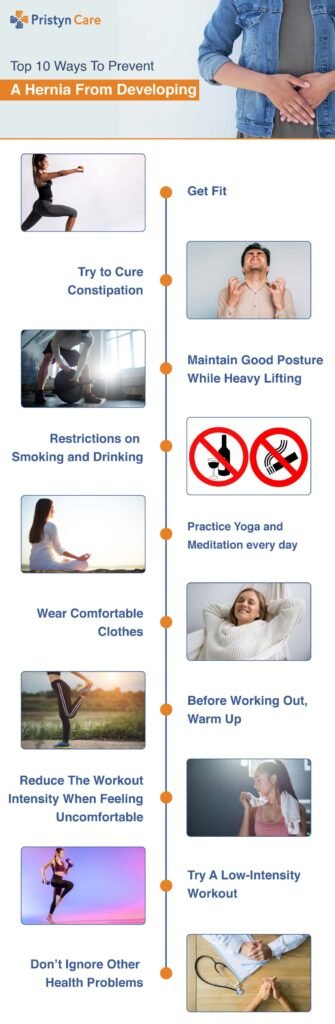
One of the most important steps in preventing hernias is maintaining a healthy weight. Excess weight puts strain on the abdominal muscles, increasing the risk of weakening and herniation. Engaging in regular exercise and following a balanced diet can help achieve and maintain a healthy weight.
Exercise Regularly
Regular exercise strengthens the abdominal muscles and helps improve overall muscle tone, reducing the risk of hernias. Incorporating exercises such as core strengthening, weightlifting with proper form, and aerobic activities can help build strong muscles.
Proper Lifting Techniques
When lifting heavy objects, it is crucial to use proper lifting techniques to minimize strain on the abdominal muscles. Bend at the knees, keep your back straight, and lift using your leg muscles instead of relying solely on your back and abdomen.
Avoid Straining
Straining during bowel movements, urination, or any other activity can put unnecessary pressure on the abdominal muscles. To prevent hernias, it is important to avoid straining and find ways to manage conditions such as chronic constipation or enlarged prostate.
Quit Smoking
Smoking weakens the tissues and reduces the body’s ability to heal properly, increasing the risk of hernias and complications during surgical repair. Quitting smoking not only reduces the risk of hernias but also improves overall health.
Treat Chronic Cough and Constipation
If you have a chronic cough or constipation, it is important to seek medical treatment and manage these conditions effectively. Treating the underlying causes can prevent the strain on the abdominal muscles that can lead to hernias.
Avoid Heavy Meals
Consuming heavy meals can put added pressure on the abdominal muscles, increasing the risk of hernias. Opt for smaller, more frequent meals to avoid overloading your digestive system.
Use Supportive Devices if Necessary
In some cases, especially if you have a weakened abdominal wall or are at a high risk of hernia, using supportive devices such as hernia belts or trusses may be recommended. These devices provide additional support to the abdominal area, reducing the risk of herniation.
Manage Chronic Medical Conditions
If you have chronic medical conditions such as obesity, chronic cough, or constipation, working closely with your healthcare provider to manage these conditions can help reduce the risk of hernias. Follow the recommended treatment plans and medications as prescribed.
Seek Prompt Medical Care for Abdominal Pain
If you experience persistent or severe abdominal pain, it is important to seek prompt medical care. Early detection and treatment of hernias and related complications can lead to better outcomes.
Complications of Untreated Hernias
Obstruction
If a hernia becomes incarcerated, it can lead to a blockage in the intestine, causing severe pain, nausea, vomiting, and an inability to pass stool or gas. This is a medical emergency requiring immediate attention.
Strangulation
A strangulated hernia occurs when the blood supply to the herniated tissue is cut off, leading to tissue damage and potential necrosis. Symptoms may include severe pain, redness, and tenderness at the hernia site. Strangulation requires immediate surgical intervention.
Tissue Death
Untreated hernias that become strangulated can result in the death of the herniated tissue. This can lead to serious complications and may require surgical removal of the affected tissue.
Infection
If the hernia becomes incarcerated or undergoes strangulation, there is an increased risk of infection. Tissue damage or necrosis can create an environment conducive to bacterial growth, leading to a potentially serious infection.
Recurrence
Without appropriate treatment, hernias are at a higher risk of recurring. Surgical repair is often necessary to address the underlying weakness and prevent future hernias.
Diagnosing Hernias
Physical Examination
A healthcare provider will typically perform a physical examination to assess for the presence of a hernia. They will look for any visible bulges or protrusions, and may also apply gentle pressure to see if the hernia can be felt.
Medical History
Providing a detailed medical history, including any previous surgeries or hernias, can help the healthcare provider in diagnosing a hernia. It is important to discuss any symptoms or discomfort experienced.
Imaging Tests
In certain cases, imaging tests such as ultrasound, CT scan, or MRI may be ordered to provide a clearer picture of the hernia and its location. These tests can help determine the appropriate treatment approach.
Diagnostic Laparoscopy
In some situations, a diagnostic laparoscopy may be performed. This minimally invasive procedure involves inserting a small camera into the abdomen to visualize the hernia and assess its severity.
Endoscopy
If a hiatal hernia is suspected, an endoscopy may be performed to examine the esophagus, stomach, and the upper part of the small intestine. This allows for a detailed evaluation and diagnosis of a hiatal hernia.
Non-Surgical Treatment Options
Watchful Waiting
In certain cases, especially for small and asymptomatic hernias, a healthcare provider may recommend a watchful waiting approach. Regular check-ups and monitoring for any changes or symptoms may be advised.
Supportive Devices
For individuals who are not suitable candidates for surgery or have a small hernia, supportive devices such as trusses or belts may be used. These devices can provide temporary support to the herniated area, preventing further herniation and reducing discomfort.
Lifestyle Modifications
Making certain lifestyle modifications, such as avoiding heavy lifting, practicing good posture, and managing chronic medical conditions, can help alleviate symptoms and reduce the risk of hernia progression.
Medications for Symptoms
Over-the-counter or prescription medications may be used to manage symptoms associated with hernias, such as heartburn or acid reflux. These medications can provide temporary relief but do not address the underlying hernia.
Surgical Treatment Options
Open Hernia Repair
Open hernia repair is a traditional surgical technique that involves making an incision near the hernia site to access and repair the weakened abdominal wall. The hernia is repaired using sutures or surgical mesh, and the incision is closed with stitches.
Laparoscopic Hernia Repair
Laparoscopic hernia repair is a minimally invasive procedure that involves making several small incisions to insert a laparoscope and specialized surgical tools. The surgeon repairs the hernia using sutures or mesh, guided by the laparoscope’s visual feed. This technique typically results in smaller incisions, less postoperative pain, and faster recovery.
Robotic-Assisted Hernia Repair
Robotic-assisted hernia repair is a newer technique that utilizes robotic arms controlled by the surgeon. This approach allows for increased precision and flexibility, enhancing the surgeon’s ability to repair the hernia. Robotic-assisted surgery may be particularly beneficial for complex or recurrent hernias.
Hernia Mesh Repair
The use of surgical mesh is common in hernia repair surgeries, as it provides additional support to the weakened abdominal wall. The mesh can be placed over or under the hernia defect to reinforce the area and prevent future herniations.
Hernia Mesh Removal
In some cases, complications or adverse reactions to hernia mesh may require its removal. This procedure is typically performed if the mesh has become infected, eroded into surrounding tissues, or is causing chronic pain or discomfort.
Recovery and Aftercare
Postoperative Pain Management
Following hernia repair surgery, pain medication may be prescribed to help manage postoperative discomfort. It is important to follow the prescribed dosage and consult with the healthcare provider if pain persists or worsens.
Activity Restrictions
Following surgery, it is important to follow any activity restrictions provided by the healthcare provider. This may include avoiding heavy lifting, strenuous exercise, or activities that strain the abdominal muscles.
Proper Wound Care
Proper wound care is essential for a successful recovery. Keep the incision site clean and dry, and follow the healthcare provider’s instructions on dressing changes or any specific wound care requirements.
Follow-up Visits
It is crucial to attend follow-up visits with the healthcare provider to ensure proper healing and monitor for any potential complications. These visits allow the healthcare provider to assess the progress of recovery and address any concerns or questions.
Potential Complications
While complications are rare, it is important to be aware of possible risks associated with hernia repair surgery. These can include infection, bleeding, mesh-related complications, and recurrence. Promptly reporting any symptoms or concerns to the healthcare provider is vital.
Tips for a Speedy Recovery
Follow the Doctor’s Instructions
Adhering to the healthcare provider’s instructions regarding medications, wound care, activity restrictions, and follow-up appointments is crucial for a speedy recovery. Following these instructions helps ensure proper healing and minimizes the risk of complications.
Rest and Resume Activities Gradually
Allowing your body time to rest and heal is essential during the recovery period. Avoiding strenuous activities and gradually resuming normal daily activities as advised by the healthcare provider can help prevent strain on the surgical site and promote a faster recovery.
Eat a Balanced Diet
Maintaining a balanced diet rich in nutrients can support the healing process. Aim to consume foods that are high in protein, fruits, vegetables, and whole grains. Adequate hydration is also important for optimal recovery.
Stay Hydrated
Drinking enough fluids, especially water, is vital for your body’s healing process. Proper hydration promotes optimal tissue function and helps prevent complications associated with constipation.
Avoid Smoking and Alcohol
Smoking delays the healing process and increases the risk of complications after hernia surgery. It is important to avoid smoking and secondhand smoke during the recovery period. Additionally, alcohol consumption can interfere with medication effectiveness and overall healing, so it is best to avoid or limit alcohol intake.
Engage in Gentle Exercises
As you progress through your recovery, incorporating gentle exercises recommended by your healthcare provider can help strengthen the abdominal muscles and improve overall mobility. It is important to start slowly and gradually increase the intensity and duration of your exercises.
Manage Pain and Discomfort
If you experience any pain or discomfort during your recovery, consult with your healthcare provider regarding appropriate pain management strategies. Using ice packs, taking prescribed pain medication, or practicing relaxation techniques may help alleviate discomfort.
When to Seek Medical Help
Increased Pain or Swelling
If you experience a significant increase in pain or swelling at the surgical site or the hernia area, it is important to seek medical help. Severe or persistent pain may indicate complications that require medical attention.
Vomiting or Nausea
Persistent vomiting or nausea following hernia surgery should be reported to your healthcare provider. These symptoms may be indicative of complications such as intestinal obstruction.
Fever
If you develop a fever above 100.4°F (38°C) after hernia surgery, it is important to seek medical attention. Fever may indicate an infection or other postoperative complications.
Redness, Warmth, or Drainage from Incision
If you notice any signs of infection, such as redness, warmth, or drainage (particularly if it is purulent or foul-smelling) from the incision site, it is crucial to consult your healthcare provider. Prompt treatment of infection is necessary to prevent further complications.
Persistent Fatigue or Weakness
Feeling persistently fatigued or weak after hernia surgery may be a sign of various concerns, such as anemia or underlying complications. It is important to consult with your healthcare provider to determine the cause and appropriate management.
Remember, this comprehensive article provides an overview of common types of hernias, risk factors, prevention strategies, diagnosis, treatment options, recovery, and when to seek medical help. If you have any specific concerns or symptoms, it is important to consult with a healthcare professional for personalized advice and care.