
If you’re among the many individuals who suffer from a hiatal hernia, you’re likely aware of the discomfort it can cause. A hiatal hernia occurs when a part of your stomach pushes upwards through the diaphragm into your chest cavity. While it may not be entirely possible to prevent a hiatal hernia, certain risk factors can increase your likelihood of developing one. In this article, we will explore these risk factors and provide you with helpful precautions to consider for a hiatal hernia diet. By making simple lifestyle changes and adopting a healthy eating plan, you can effectively manage your symptoms and improve your quality of life.

Risk Factors for Hiatal Hernia
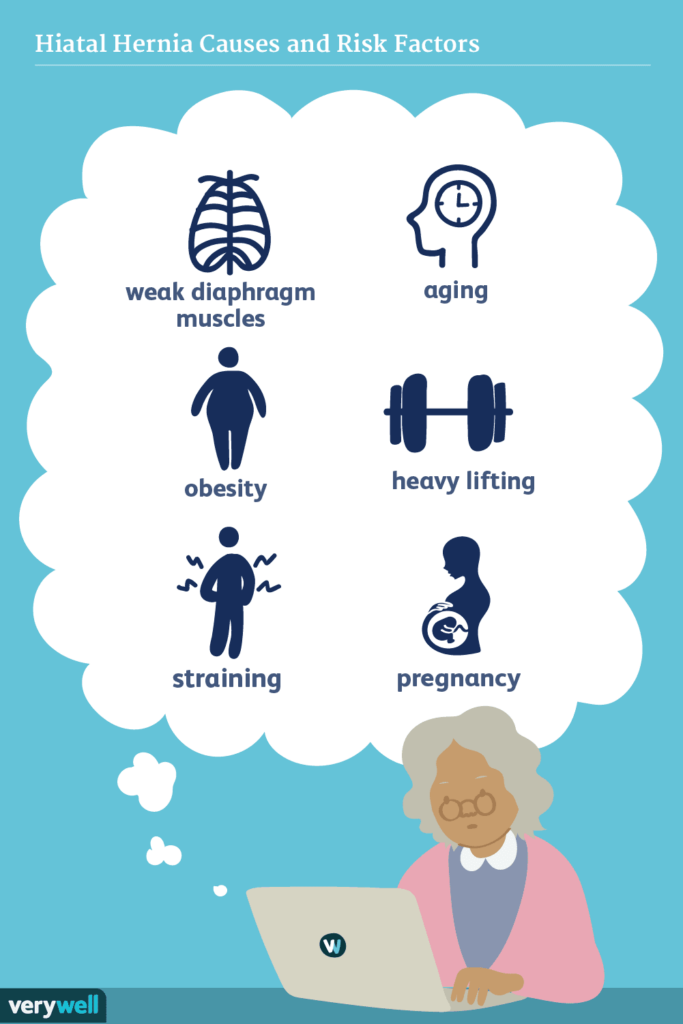
Obesity
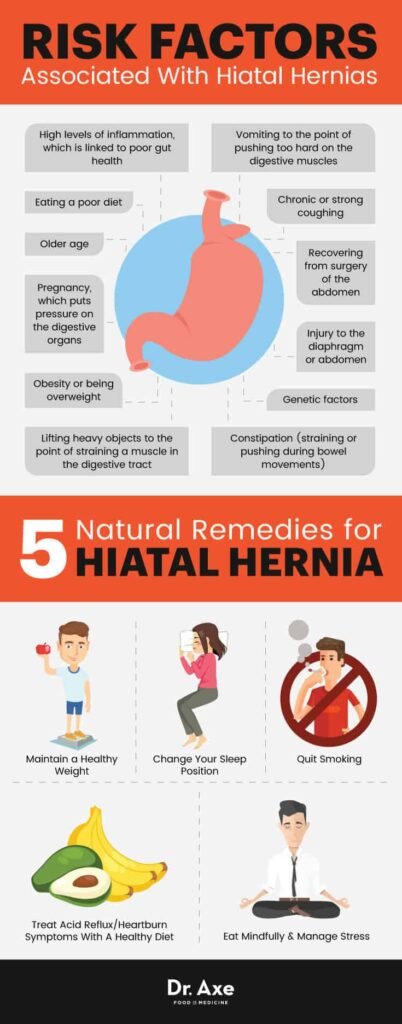
Obesity is a significant risk factor for developing a hiatal hernia. When you are overweight, the excess fat can put pressure on your abdomen and increase the likelihood of experiencing a hernia. Maintaining a healthy weight is essential in reducing your risk of developing this condition.
Being over 50 years old
As you age, the muscles that support your diaphragm can weaken, making you more susceptible to hiatal hernias. Individuals over 50 years old should be aware of this risk factor and take necessary precautions to prevent the occurrence of a hiatal hernia.
Pregnancy
During pregnancy, the growing baby can put pressure on your abdomen and increase the likelihood of developing a hiatal hernia. Pregnant women should be mindful of their posture, avoid excessive weight gain, and discuss any concerns with their healthcare provider.
Smoking
Smoking is not only harmful to your overall health, but it can also increase your risk of hiatal hernias. Smoking weakens the muscles that keep your stomach in place, making it easier for the stomach to protrude through the diaphragm. Quitting smoking is important for reducing your risk and improving your overall well-being.
Chronic coughing
Frequent and persistent coughing can put a strain on your stomach and diaphragm, increasing the chances of developing a hiatal hernia. It is crucial to address any chronic coughing and seek medical advice to identify and manage the underlying cause of the cough.
Prevalence of Hiatal Hernia
Percentage of population affected
Hiatal hernias are relatively common, with an estimated 10-15% of the adult population in the United States experiencing this condition. The prevalence may vary in different countries and populations, but it highlights the importance of awareness and prevention strategies.
Gender distribution
Although hiatal hernias can occur in both men and women, they tend to be more common in women. Hormonal factors and differences in body composition may contribute to this gender distribution. However, both genders should take necessary precautions to reduce their risk of developing a hiatal hernia.
Age distribution
Hiatal hernias can develop in individuals of any age, but they are more commonly observed in older adults. As mentioned earlier, the muscles supporting the diaphragm can weaken with age, making older individuals more susceptible to hiatal hernia development. However, individuals of all age groups should adopt healthy lifestyle practices to minimize their risk.
Common Symptoms of Hiatal Hernia
Heartburn
One of the most common symptoms of hiatal hernia is heartburn. This is characterized by a burning sensation in the chest or upper abdomen, often occurring after meals or when lying down. It is important to recognize this symptom and seek appropriate treatment to alleviate discomfort.
Chest pain
Some individuals with hiatal hernias may experience chest pain, which can be mistaken for a heart attack. The pain may worsen when lying down or after consuming large meals. If you experience chest pain, it is crucial to seek medical attention to rule out any serious conditions.
Regurgitation
Regurgitation is the backward flow of stomach acid and contents into the esophagus and throat. This can lead to a sour or bitter taste in the mouth and a feeling of fluid coming back up. Managing regurgitation through lifestyle modifications and medications can significantly improve your quality of life.
Difficulty swallowing
Hiatal hernias can cause swallowing difficulties, known as dysphagia. This occurs when the hernia obstructs the passage of food from the esophagus into the stomach. If you experience persistent difficulty swallowing, it is important to consult a healthcare professional for proper diagnosis and management.
Belching
Frequent belching or burping is a common symptom of hiatal hernias. This is often caused by the presence of excess stomach acid due to the hernia. Managing your diet and avoiding trigger foods can help minimize belching and relieve discomfort.
Nausea and vomiting
In some cases, hiatal hernias can cause nausea and vomiting. These symptoms may occur due to the hernia disrupting the normal functioning of the digestive system. Maintaining a healthy diet and seeking medical advice can help manage these symptoms effectively.
Shortness of breath
If your hiatal hernia is large, it may push against your diaphragm and restrict lung expansion, leading to shortness of breath. This symptom should be taken seriously and evaluated by a healthcare professional to determine the underlying cause and provide appropriate treatment.
Hiatal Hernia Diet Recommendations
Eat smaller, more frequent meals
Instead of consuming large meals, opt for smaller, more frequent meals throughout the day. This helps reduce pressure on the stomach and prevents excessive stretching of the stomach lining.
Avoid trigger foods
Certain foods can worsen hiatal hernia symptoms. Common trigger foods include spicy foods, fatty foods, citrus fruits, tomatoes and tomato-based products, peppermint, chocolate, onions, garlic, carbonated beverages, alcohol, and caffeine. It is important to identify your personal trigger foods and avoid them to minimize discomfort.
Chew food thoroughly
Thoroughly chewing your food aids in digestion and reduces the risk of excessive strain on the stomach. Taking the time to properly chew your food can also help prevent overeating.
Avoid lying down or going to bed immediately after eating
To minimize the risk of acid reflux and regurgitation, avoid lying down or going to bed immediately after eating. Give your body ample time to digest your meal before reclining.
Maintain a healthy weight
As mentioned earlier, obesity is a risk factor for hiatal hernias. Maintaining a healthy weight through a balanced diet and regular exercise can help reduce your risk and improve overall health.
Avoid tight clothing
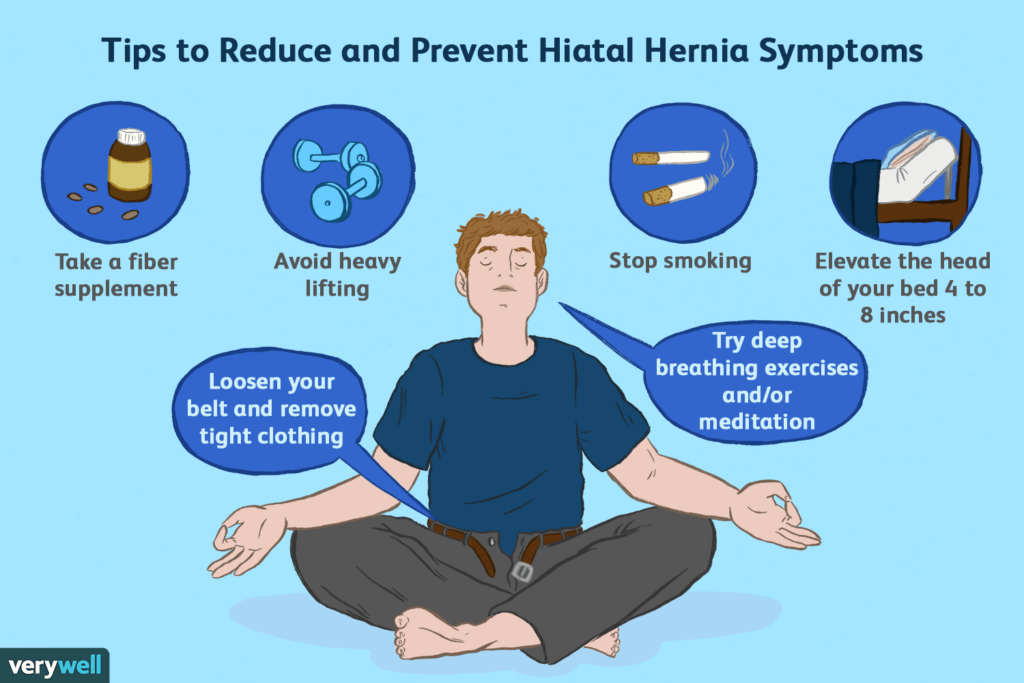
Wearing tight clothing, especially around the abdomen, can increase abdominal pressure and contribute to the development of hiatal hernias. Opt for loose-fitting clothing to reduce this risk.
Avoid straining during bowel movements
Straining during bowel movements can exert pressure on the abdomen and potentially worsen hiatal hernia symptoms. Ensure you have a balanced diet high in fiber and stay hydrated to promote regular bowel movements and reduce the need for straining.
Manage stress levels
Chronic stress can worsen gastrointestinal symptoms, including those associated with hiatal hernias. Engaging in stress-management techniques such as meditation, yoga, and deep breathing exercises can help alleviate stress and improve overall well-being.
Take prescribed medications as directed
If your healthcare provider has prescribed medication to manage hiatal hernia symptoms, it is important to take them as directed. Follow the recommended dosage and never abruptly stop taking prescribed medications without consulting your healthcare provider.
Stay hydrated
Drinking an adequate amount of water throughout the day helps maintain proper digestion and prevents dehydration. Aim to drink at least 8 cups of water daily to stay hydrated and support overall health.
Avoid Trigger Foods
Spicy foods
Spicy foods, such as chili peppers and hot sauces, can worsen acid reflux and trigger discomfort in individuals with hiatal hernias. Avoid or minimize the consumption of spicy foods to alleviate symptoms.
Fatty foods
High-fat foods, including fried foods, fatty meats, and full-fat dairy products, can increase the risk of acid reflux and aggravate hiatal hernia symptoms. Opt for low-fat alternatives to reduce symptoms.
Citrus fruits
Citrus fruits, such as oranges, lemons, and grapefruits, are highly acidic and can irritate the esophagus and stomach lining. If you have a hiatal hernia, it is best to limit your consumption of citrus fruits.
Tomatoes and tomato-based products
Tomatoes and tomato-based products, including tomato sauce and ketchup, are acidic and can exacerbate acid reflux symptoms. Avoid or moderate your intake of these foods to manage hiatal hernia symptoms effectively.
Peppermint
Peppermint is known to relax the lower esophageal sphincter, allowing stomach acid to flow back up into the esophagus. This can worsen symptoms for individuals with hiatal hernias. Avoid peppermint tea, candies, and other products that contain peppermint.
Chocolate
Chocolate contains high levels of fat that can stimulate acid production and relax the esophageal sphincter. This can lead to increased reflux and discomfort for individuals with hiatal hernias. Limit your consumption of chocolate or opt for lower-fat alternatives.
Onions
Onions can cause heartburn and worsen symptoms for individuals with hiatal hernias. Cooking onions thoroughly and consuming them in moderation may help reduce the risk of triggering symptoms.
Garlic
Garlic may cause heartburn and contribute to acid reflux, making it advisable to limit intake for individuals with hiatal hernias. Reducing or avoiding garlic in foods can help alleviate symptoms.
Carbonated beverages
Carbonated beverages, including soda and sparkling water, can introduce air into the digestive system and increase bloating and belching. Avoid or limit the consumption of carbonated beverages to minimize discomfort.
Alcohol
Alcohol can relax the lower esophageal sphincter and increase stomach acid production, leading to acid reflux and aggravation of hiatal hernia symptoms. If you choose to drink alcohol, do so in moderation and consider avoiding it altogether.
Caffeine
Caffeinated beverages, such as coffee, tea, and soda, can stimulate acid production and relax the esophageal sphincter. Limit your intake of caffeinated drinks or opt for decaffeinated alternatives to manage hiatal hernia symptoms.
Foods That Alleviate Hiatal Hernia Symptoms
Low-fat foods
Opting for low-fat alternatives can help reduce stomach acid production and decrease the likelihood of reflux. Choose lean meats, low-fat dairy products, and other low-fat options to alleviate symptoms.
Non-acidic fruits like bananas and apples
Non-acidic fruits, such as bananas and apples, can be a good choice for individuals with hiatal hernias. These fruits are less likely to trigger acid reflux and can provide essential nutrients and fiber.
Whole grains
Whole grains, including oats, quinoa, and brown rice, are high in fiber and can aid digestion. Fiber helps prevent constipation and promotes regular bowel movements, reducing strain on the abdomen.
Leafy green vegetables
Leafy green vegetables, such as spinach, kale, and Swiss chard, are nutrient-rich and low in acidity. Incorporating these vegetables into your diet can provide essential vitamins and minerals without exacerbating hiatal hernia symptoms.
Lean proteins
Choose lean protein sources, such as skinless poultry, fish, and tofu, instead of higher-fat options. Lean proteins are easier to digest and less likely to trigger acid reflux or discomfort.
Ginger
Ginger has been used for centuries to soothe digestive discomfort. It can help reduce inflammation in the esophagus and improve digestion. Incorporating ginger into your diet, either by adding it to cooked dishes or drinking ginger tea, may provide relief from hiatal hernia symptoms.
Aloe vera juice
Aloe vera juice has been found to have a soothing effect on the digestive system and may help reduce acid reflux symptoms. It is important to choose aloe vera juice specifically made for consumption and consult with your healthcare provider before adding it to your diet.
Marshmallow root
Marshmallow root is known for its soothing properties on the digestive tract. It forms a protective layer in the esophagus and stomach, helping to alleviate irritation and reduce acid reflux symptoms. Marshmallow root can be consumed as a tea or taken in supplement form after consulting with your healthcare provider.
Chamomile tea
Chamomile tea has calming properties and can help ease digestion discomfort. It can soothe the esophagus and reduce inflammation. Enjoying a cup of chamomile tea after meals may provide relief for individuals with hiatal hernias.
Licorice root extract
Licorice root extract has been used traditionally to treat digestive issues. It can help protect the stomach lining, reduce inflammation, and alleviate acid reflux symptoms. However, it is important to choose deglycyrrhizinated licorice (DGL) to avoid potential side effects associated with regular licorice root extract. Consult with your healthcare provider before using licorice root extract for hiatal hernia management.
Lifestyle Modifications
Elevate the head of your bed
Raising the head of your bed by placing blocks or using a bed wedge can help prevent acid reflux during sleep. This elevation helps keep stomach acid in the stomach and reduces the likelihood of it flowing back into the esophagus.
Use pillows to support your upper body
If elevating the entire bed is not feasible, using extra pillows to prop up your upper body can provide some relief. This helps maintain an elevated position and prevents acid reflux symptoms during sleep.
Avoid bending over or lifting heavy objects
Activities that require bending over or lifting heavy objects can increase abdominal pressure and lead to hiatal hernia symptoms. Practice proper lifting techniques and minimize activities that strain your abdomen.
Quit smoking
Smoking weakens the muscles that keep your stomach in place and increases your risk of hiatal hernias. Quitting smoking is crucial not only for managing hiatal hernia symptoms but also for your overall health and well-being.
Manage stress through relaxation techniques
Chronic stress can exacerbate hiatal hernia symptoms. Engaging in relaxation techniques such as meditation, deep breathing exercises, or yoga can help alleviate stress and promote better digestion.
Maintain good posture
Poor posture can contribute to hiatal hernia symptoms. Practice good posture by sitting and standing up straight, avoiding slouching or hunching over. Maintaining proper alignment can help reduce pressure on the stomach.
Engage in regular exercise
Regular exercise can help maintain a healthy weight and strengthen the muscles that support the diaphragm. Incorporate exercises that target the core and promote good posture, such as yoga or Pilates, into your routine.
When to Seek Medical Advice
Severe chest pain
If you experience severe chest pain, especially accompanied by shortness of breath or a rapid heartbeat, it is crucial to seek immediate medical attention. These symptoms could indicate a more serious condition that requires prompt evaluation and treatment.
Difficulty breathing
Difficulty breathing or shortness of breath can be a sign of a hiatal hernia that is causing compression of the lungs or restriction of lung expansion. If you experience persistent difficulty breathing, seek medical advice for proper evaluation and management.
Unexplained weight loss
Significant and unexplained weight loss should never be ignored, as it can indicate an underlying health issue. If you are experiencing unexplained weight loss along with hiatal hernia symptoms, consult a healthcare professional for a comprehensive evaluation.
Vomiting blood
Vomiting blood, known as hematemesis, is a serious symptom that requires immediate medical attention. It could indicate severe damage to the esophagus or stomach lining and may require urgent intervention.
Black or tarry stools
The presence of black or tarry stools, known as melena, can indicate internal bleeding. If you notice this symptom, it is important to seek medical advice to determine the underlying cause and receive appropriate treatment.
Difficulty swallowing or painful swallowing
Persistent difficulty or pain while swallowing can indicate complications associated with hiatal hernias, such as narrowing of the esophagus or inflammation. It is important to consult a healthcare professional for proper evaluation and management.
Persistent heartburn despite lifestyle changes
If you have made appropriate lifestyle modifications to manage hiatal hernia symptoms but still experience persistent heartburn that interferes with your daily activities, it is important to seek medical advice. Your healthcare provider can assess your condition and recommend further treatment options.
Worsening symptoms
If your hiatal hernia symptoms worsen over time or become increasingly frequent, it is important to consult with a healthcare professional. Regular check-ups and follow-ups are essential for monitoring your condition and adapting treatment recommendations.

Medical Treatment for Hiatal Hernia
Surgical procedures
In some cases, surgical intervention may be necessary to repair a hiatal hernia. Surgery options include laparoscopic Nissen fundoplication, in which the upper part of the stomach is wrapped around the lower esophagus to reinforce the weakened muscles, or laparoscopic hiatal hernia repair, which involves reinforcing the diaphragm to prevent herniation.
Medications for acid reflux
Medications can help manage acid reflux symptoms associated with hiatal hernias. These may include acid suppressants, proton pump inhibitors, H2 receptor blockers, antacids, and motility agents. Consult with your healthcare professional to determine which medication is appropriate for your specific needs.
Acid suppressants
Acid suppressants, such as proton pump inhibitors or H2 receptor blockers, can help reduce stomach acid production and alleviate acid reflux symptoms. These medications are typically taken orally and may require a prescription from your healthcare provider.
Proton pump inhibitors
Proton pump inhibitors (PPIs) are a type of medication that reduce stomach acid production. They help alleviate heartburn, acid reflux, and other symptoms associated with hiatal hernias. PPIs are available both over-the-counter and with a prescription.
H2 receptor blockers
H2 receptor blockers decrease stomach acid production and provide relief from acid reflux symptoms. They are available both over-the-counter and with a prescription. H2 receptor blockers should be taken as directed by your healthcare provider.
Antacids
Antacids provide short-term relief from heartburn and acid reflux symptoms by neutralizing stomach acid. They are available over-the-counter and can be taken as needed for symptom relief.
Motility agents
Motility agents can help improve the movement of food through the digestive system, reducing the risk of acid reflux and discomfort. These medications may be prescribed by your healthcare provider to manage hiatal hernia symptoms effectively.
Importance of Regular Medical Check-ups
Early detection and prevention of complications
Regular medical check-ups allow healthcare professionals to monitor your hiatal hernia and identify any potential complications. Early detection of complications can lead to prompt intervention and prevent further health issues.
Monitoring of hiatal hernia progression
Regular check-ups provide an opportunity for healthcare professionals to assess the progression of your hiatal hernia. Monitoring its size and any changes can help determine the effectiveness of lifestyle modifications, diet, and medication.
Evaluation of treatment effectiveness
Regular medical check-ups allow your healthcare provider to evaluate the effectiveness of your treatment plan. They can assess if any adjustments need to be made to ensure your symptoms are well managed.
Adaptation of diet and lifestyle recommendations
Hiatal hernia treatment is not a one-size-fits-all approach. By having regular medical check-ups, healthcare professionals can evaluate your progress and modify diet and lifestyle recommendations to suit your specific needs and optimize your health.
In conclusion, understanding the risk factors, prevalence, symptoms, diet recommendations, lifestyle modifications, and medical treatments for hiatal hernias can help individuals better manage their condition. By adopting a healthy lifestyle, making appropriate dietary choices, and seeking medical advice when needed, individuals with hiatal hernias can improve their quality of life and prevent complications associated with this condition. Regular medical check-ups play a crucial role in monitoring your hiatal hernia, evaluating treatment effectiveness, and adapting recommendations to suit your individual needs. Remember to consult with your healthcare provider for personalized guidance and recommendations based on your specific situation.