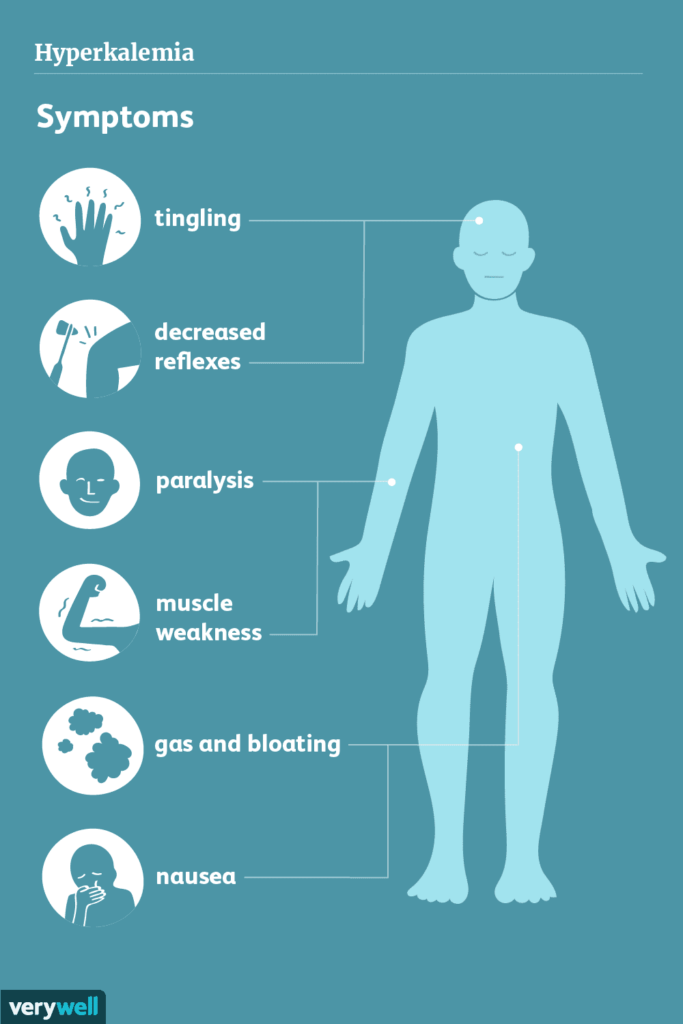
Hyperkalemia, a condition characterized by excessive levels of potassium in the blood, can have serious implications on your health. It is important to be aware of the risk factors that can contribute to the development of hyperkalemia and the precautions one should take to prevent it. By understanding these factors and taking necessary measures, you can minimize the risk of developing hyperkalemia and maintain a healthy potassium balance in your body.
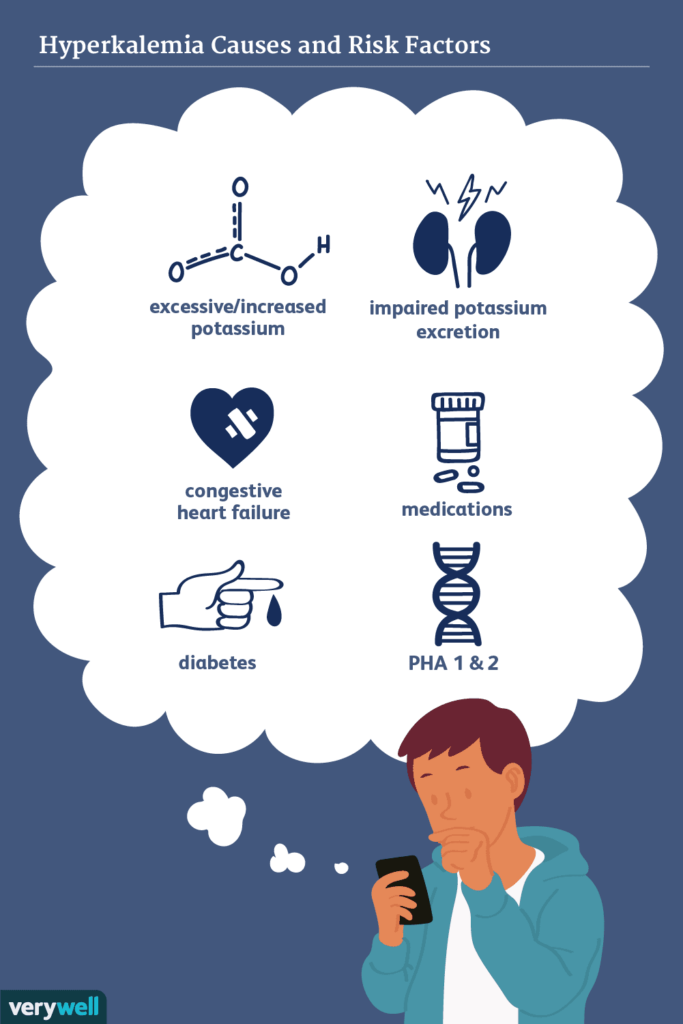
Risk Factors for Hyperkalemia
Age
As you age, you become more susceptible to developing hyperkalemia. This is because kidney function naturally declines with age, and the kidneys play a vital role in regulating potassium levels in the body. When the kidneys are not functioning at their optimal level, they may struggle to excrete excess potassium, leading to a buildup in the bloodstream.
Kidney Disease
One of the primary risk factors for hyperkalemia is kidney disease. When your kidneys are impaired, they lose their ability to effectively remove excess potassium from your body. This can result in potassium levels becoming too high, leading to hyperkalemia. It’s important to monitor your kidney function regularly if you have kidney disease and take necessary precautions to prevent hyperkalemia.
Diabetes
If you have diabetes, you may be at an increased risk of developing hyperkalemia. Diabetes can negatively affect kidney function, leading to a reduced ability to regulate potassium levels. Additionally, poorly controlled blood glucose levels can disrupt the balance of potassium in your body. It’s crucial for individuals with diabetes to manage their blood sugar levels carefully and monitor their potassium levels regularly.
Certain Medications
Certain medications can contribute to the development of hyperkalemia. Angiotensin-converting enzyme (ACE) inhibitors and angiotensin receptor blockers (ARBs), which are commonly prescribed for high blood pressure and heart conditions, can increase potassium levels in some individuals. Potassium-sparing diuretics, often used to treat fluid retention, can also lead to hyperkalemia. Nonsteroidal anti-inflammatory drugs (NSAIDs), immunosuppressants, and certain antibiotics may also pose a risk. It’s important to be aware of the potential side effects of your medications and discuss them with your healthcare provider.
Acute Illness or Injury
Underlying acute illnesses or injuries can contribute to hyperkalemia. Conditions such as rhabdomyolysis, severe burns, or crush injuries can cause potassium to be released from damaged cells, overwhelming the body’s ability to excrete it. Additionally, fluid shifts that occur during critical illness can affect potassium levels. It’s crucial to seek medical attention promptly for any significant illness or injury and ensure appropriate monitoring of potassium levels.
High Potassium Diet
Consuming a diet high in potassium can increase your risk of developing hyperkalemia. Foods such as bananas, citrus fruits, avocados, and leafy greens are rich sources of potassium. While these foods are generally healthy and provide essential nutrients, it’s important to maintain a balanced diet and monitor your potassium intake. If you are at risk for hyperkalemia, your healthcare provider may recommend dietary modifications to ensure optimal potassium levels.
Dehydration
Dehydration can play a role in the development of hyperkalemia. When you are dehydrated, your fluid levels decrease, which can concentrate potassium levels in the blood. In addition, dehydration reduces urine production and the excretion of potassium. It is crucial to stay adequately hydrated by drinking enough fluids throughout the day. This is especially important during hot weather or when participating in physical activities that cause excessive sweating.
Adrenal Insufficiency
Adrenal insufficiency, also known as Addison’s disease, is a condition in which the adrenal glands do not produce enough hormones. These hormones are responsible for regulating potassium levels in the body. In cases of adrenal insufficiency, the lack of adequate hormone production can lead to hyperkalemia. If you have adrenal insufficiency, it is essential to work closely with your healthcare provider to manage your condition and monitor your potassium levels.
Congestive Heart Failure
Congestive heart failure (CHF) can increase the risk of hyperkalemia. In CHF, the heart weakens and cannot pump blood effectively, leading to fluid buildup in the body. This fluid retention can disrupt the balance of electrolytes, including potassium. Individuals with CHF should work closely with their healthcare provider to manage their condition and monitor their potassium levels.
Potassium-Sparing Diuretics
Potassium-sparing diuretics, a class of medications used to treat certain conditions such as high blood pressure and heart failure, can increase potassium levels in the body. These medications work by blocking the reabsorption of sodium, which also affects potassium balance. If you are prescribed potassium-sparing diuretics, your healthcare provider will closely monitor your potassium levels to prevent hyperkalemia.
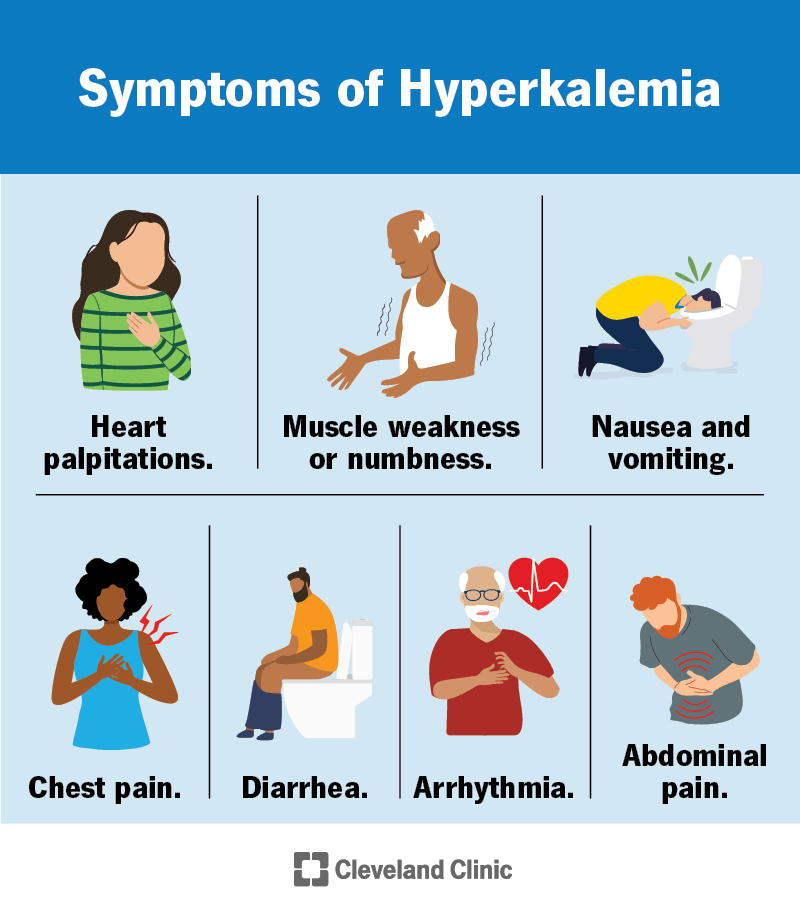
Precautions to Prevent Hyperkalemia
Regular Monitoring of Potassium Levels
Regular monitoring of your potassium levels is essential, especially if you have any of the risk factors mentioned above. Your healthcare provider will order blood tests to measure your potassium levels and ensure they remain within a healthy range. By regularly monitoring your potassium levels, any potential imbalances can be addressed promptly.
Medication Adjustments
If you are taking medications that may increase your risk of hyperkalemia, your healthcare provider may need to adjust your dosage or switch to alternative medications. This is especially important for medications such as ACE inhibitors, ARBs, and potassium-sparing diuretics. Your healthcare provider will carefully evaluate the benefits and risks of each medication and make any necessary adjustments to prevent hyperkalemia.
Dietary Modifications
Modifying your diet can help prevent hyperkalemia. It’s important to work with a registered dietitian or healthcare provider to develop a well-balanced meal plan that takes into account your individual potassium needs. They can recommend portion sizes and suggest lower-potassium alternatives for foods that may be high in potassium. By making dietary modifications, you can better control your potassium intake and reduce the risk of hyperkalemia.
Hydration
Staying adequately hydrated is crucial for preventing hyperkalemia. Drinking enough fluids helps maintain the proper balance of electrolytes, including potassium, in your body. Adequate hydration can also support healthy kidney function, allowing your kidneys to excrete excess potassium more efficiently. Make sure to drink water regularly throughout the day, especially when engaging in physical activities that cause sweating.
Exercise and Physical Activity
Regular exercise and physical activity offer numerous health benefits, including preventing hyperkalemia. Exercise helps maintain healthy kidney function and promotes proper fluid balance in the body. However, it’s important to avoid overexertion, especially in hot weather, as excessive sweating can lead to dehydration and imbalances in potassium levels. Consult with your healthcare provider to determine the appropriate level of physical activity for your individual needs.
Awareness of Medication Interactions
Being aware of potential medication interactions is crucial for preventing hyperkalemia. Certain medications, such as potassium-sparing diuretics, NSAIDs, and immunosuppressants, can interact with each other and increase the risk of hyperkalemia. It’s important to inform all healthcare providers involved in your care about the medications you are taking to ensure proper monitoring and prevent any potentially harmful interactions.
Avoidance of Nonsteroidal Anti-Inflammatory Drugs (NSAIDs)
Nonsteroidal anti-inflammatory drugs (NSAIDs) can increase the risk of hyperkalemia, especially in individuals with underlying kidney disease or other risk factors. These medications can affect kidney function and disrupt the body’s ability to regulate potassium levels. If you have kidney disease or are at risk for hyperkalemia, it’s important to avoid NSAIDs or use them only under the guidance of your healthcare provider.
Management of Kidney Function
If you have kidney disease or impaired kidney function, it is essential to manage your condition carefully to prevent hyperkalemia. This may involve working closely with a nephrologist, a specialist in kidney disease, to monitor your kidney function regularly and make any necessary adjustments to your treatment plan. By ensuring optimal kidney function, you can reduce the risk of hyperkalemia and its complications.
Control of Blood Glucose Levels
Individuals with diabetes should strive to maintain their blood glucose levels within a healthy range to prevent hyperkalemia. Poorly controlled blood sugar levels can disrupt potassium balance in the body. Working closely with your healthcare provider and following a comprehensive diabetes management plan can help prevent complications, including hyperkalemia.
Careful Use of Potassium Supplements
If your healthcare provider prescribes potassium supplements, it is crucial to use them carefully and under their supervision. Taking excessive amounts of potassium supplements can lead to hyperkalemia. Your healthcare provider will determine the appropriate dosage and monitor your potassium levels closely to prevent any imbalances. Stick to the prescribed regimen and consult with your healthcare provider if you have any concerns or questions.
In conclusion, hyperkalemia can be influenced by various risk factors, including age, kidney disease, diabetes, certain medications, acute illness or injury, high potassium diet, dehydration, adrenal insufficiency, congestive heart failure, and the use of potassium-sparing diuretics. By taking precautions such as regular monitoring of potassium levels, medication adjustments, dietary modifications, adequate hydration, regular exercise, awareness of medication interactions, avoiding NSAIDs, managing kidney function, controlling blood glucose levels, and careful use of potassium supplements, you can reduce your risk of developing hyperkalemia. It is essential to work closely with your healthcare provider to tailor preventive measures to your individual needs and ensure optimal potassium balance in your body.