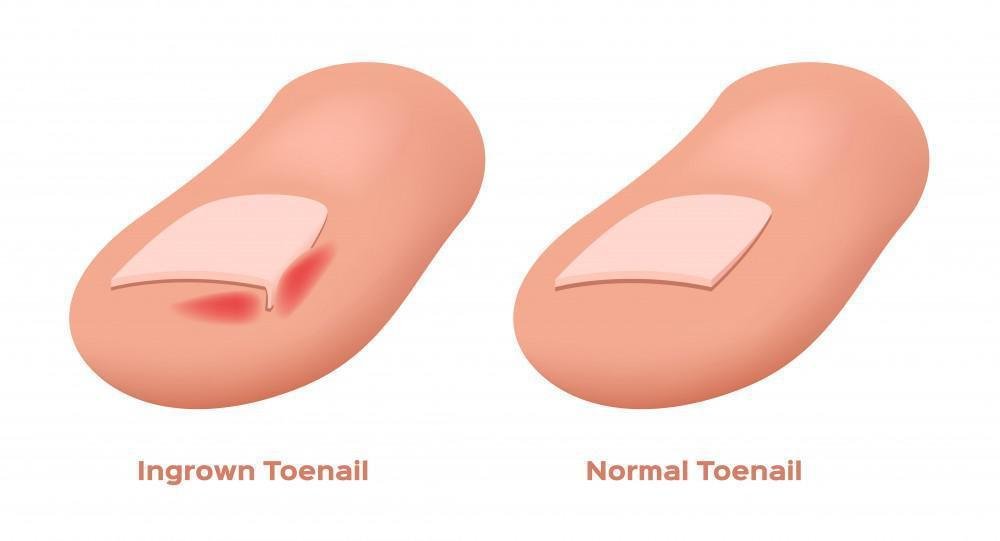
Are you tired of dealing with the discomfort and pain of an ingrown toenail? In this article, we will explore the risk factors that can contribute to the development of this pesky condition and provide you with some simple precautions to help prevent it from happening. Whether you have experienced an ingrown toenail before or are simply interested in learning more about it, this article is your go-to resource for all things ingrown toenail-related. So sit back, relax, and let’s dive into the world of risk factors and precautions for ingrown toenail together!
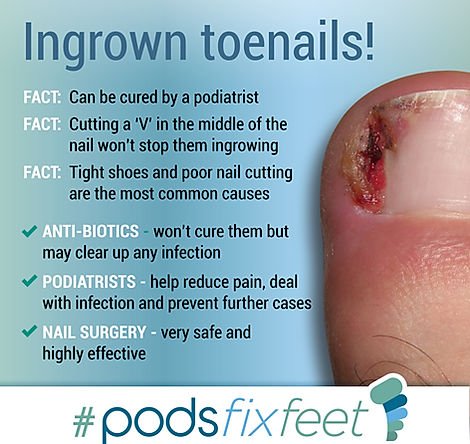
Risk Factors
Ingrown toenails can be a painful and bothersome condition that can impact your daily life. Understanding the risk factors associated with ingrown toenails can help you take the necessary precautions to prevent them. Here are some common risk factors that can contribute to the development of ingrown toenails:
1.1. Incorrect toenail trimming
One of the main risk factors for ingrown toenails is improper toenail trimming. Cutting the nails too short or rounding the edges can cause the nail to dig into the surrounding skin, leading to an ingrown toenail. It is important to trim your nails straight across and avoid cutting them too short to reduce the risk.
1.2. Tight-fitting shoes
Wearing shoes that are too tight or narrow can put pressure on your toes and increase the likelihood of developing ingrown toenails. When your toes are cramped and squeezed, it can cause the nail to grow into the surrounding skin. Opt for shoes that provide enough room for your toes to move freely and avoid tight-fitting footwear.
1.3. Genetic predisposition
Some individuals may have a genetic predisposition to developing ingrown toenails. If your parents or siblings have experienced this condition, you may be more prone to developing it as well. While you cannot change your genetic makeup, being aware of this risk factor can prompt you to take extra precautions to prevent ingrown toenails.
1.4. Trauma or injury to the toe
Any trauma or injury to the toe can increase the risk of developing an ingrown toenail. Stubbing your toe or dropping something heavy on it can cause the nail to grow abnormally and become ingrown. It is important to be mindful of protecting your toes from injury to prevent this risk factor.
1.5. Sweaty feet
Excessive sweating of the feet, also known as hyperhidrosis, is another risk factor for ingrown toenails. When the feet are constantly moist, it can soften the skin and make it easier for the nail to penetrate the skin. Managing sweat and excessive moisture through proper foot hygiene and wearing breathable shoes can help reduce the risk.
1.6. Diabetes
People with diabetes are more susceptible to foot problems, including ingrown toenails. This is because diabetes can cause nerve damage and poor circulation, making it harder for the body to heal and fight off infections. Regular foot examinations and diligent foot care are essential for diabetics to prevent and detect ingrown toenails early on.
1.7. Fungal infections
Fungal infections, such as toenail fungus, can weaken the nails and make them more prone to growing into the surrounding skin. Fungal infections can cause the nails to become thicker and more brittle, increasing the likelihood of ingrown toenails. Prompt treatment of fungal infections can help minimize the risk of ingrown toenails.
1.8. Obesity
Being overweight or obese can put extra pressure on your feet and toes, increasing the chances of developing ingrown toenails. The excess weight can push the skin against the sides of the nails, causing them to become ingrown. Maintaining a healthy weight through proper diet and exercise can help reduce this risk factor.
1.9. Age
As we age, our nails can become thicker and more curved, making them more susceptible to becoming ingrown. This, coupled with reduced flexibility and poorer eyesight, can make it more challenging to trim the nails properly and prevent ingrown toenails. Being cautious and seeking assistance if needed can help mitigate this risk factor.
1.10. Occupational factors
Certain occupations that involve repetitive pressure on the feet, such as standing for long periods or wearing tight safety footwear, can increase the risk of ingrown toenails. If your job requires you to engage in activities that put stress on your feet, taking preventive measures such as wearing appropriate footwear or using cushioning insoles can help protect your toes.

Precautions
While it may not be possible to completely eliminate the risk of ingrown toenails, there are several precautions you can take to minimize the likelihood of developing this painful condition. By following these preventive measures, you can keep your toes healthy and free from the discomfort of ingrown toenails:
2.1. Proper toenail trimming technique
Maintaining the correct toenail trimming technique is crucial in preventing ingrown toenails. Cut your nails straight across and avoid rounding the corners. Be careful not to cut them too short, as this can increase the likelihood of the nails growing into the skin. If you have difficulty reaching your toes or need guidance, consider seeking professional help from a podiatrist.
2.2. Choosing footwear wisely
Wearing well-fitting shoes is essential for preventing ingrown toenails. Opt for shoes that provide enough room for your toes to move freely without being squeezed or cramped. Avoid shoes with a narrow or pointed toe box, as they can put pressure on your nails. Selecting footwear made from breathable materials can also help manage sweat and moisture.
2.3. Maintaining good foot hygiene
Maintaining good foot hygiene is essential for preventing various foot problems, including ingrown toenails. Keep your feet clean and dry, especially between the toes. Regularly change your socks and avoid wearing damp or dirty socks. Trim your nails regularly and moisturize the skin to keep it healthy and prevent dryness.
2.4. Avoiding trauma or injury to the toe
To minimize the risk of developing ingrown toenails, it is important to protect your toes from trauma or injury. Be cautious when participating in activities that may pose a risk to your feet, such as sports or heavy lifting. Wear protective footwear if necessary and be mindful of where you place your feet to avoid accidental injury.
2.5. Managing sweat and excessive moisture
If you have sweaty feet, taking steps to manage sweat and excessive moisture can help reduce the risk of ingrown toenails. Wear moisture-wicking socks to absorb sweat and choose shoes made from breathable materials. Applying talcum powder or antiperspirant sprays to your feet can also help prevent excessive sweating.
2.6. Regular foot examinations for diabetics
If you have diabetes, regular foot examinations are crucial to detect any foot problems, including ingrown toenails, at an early stage. Check your feet daily for any signs of redness, swelling, or abnormal nail growth. If you notice any changes, consult your healthcare provider promptly for appropriate treatment and guidance.
2.7. Treating fungal infections promptly
Prompt treatment of fungal infections is important to prevent them from weakening the nails and increasing the risk of ingrown toenails. If you suspect a fungal infection, seek professional help for accurate diagnosis and appropriate treatment. Keep your feet clean and dry, and follow your healthcare provider’s recommendations to prevent recurrence.
2.8. Maintaining a healthy weight
Maintaining a healthy weight is beneficial for overall health, including foot health. By managing your weight through a balanced diet and regular exercise, you can reduce the pressure on your toes and minimize the risk of ingrown toenails. Incorporate low-impact exercises, such as swimming or cycling, into your routine to protect your feet.
2.9. Being cautious as you age
As you age, it is important to be more cautious about your foot care to prevent ingrown toenails. Take the time to trim your nails carefully, or seek assistance if needed. Maintain flexibility through regular stretching exercises and consider using a magnifying glass or visiting a podiatrist for nail trimming if your eyesight deteriorates.
2.10. Taking preventive measures at work
If your occupation involves repetitive pressure on your feet, it is crucial to take preventive measures to protect your toes from ingrown toenails. Opt for well-fitting safety footwear that offers adequate toe room and cushioning. Consider using insoles for additional support and shock absorption. Take regular breaks to stretch and rest your feet, whenever possible.
By being aware of the risk factors and implementing these precautions, you can effectively reduce the chances of experiencing the discomfort and inconvenience of ingrown toenails. Remember to prioritize foot health and seek professional help if you have any concerns or persistent issues with your toenails. Your feet deserve the best care to keep you on your toes and pain-free!