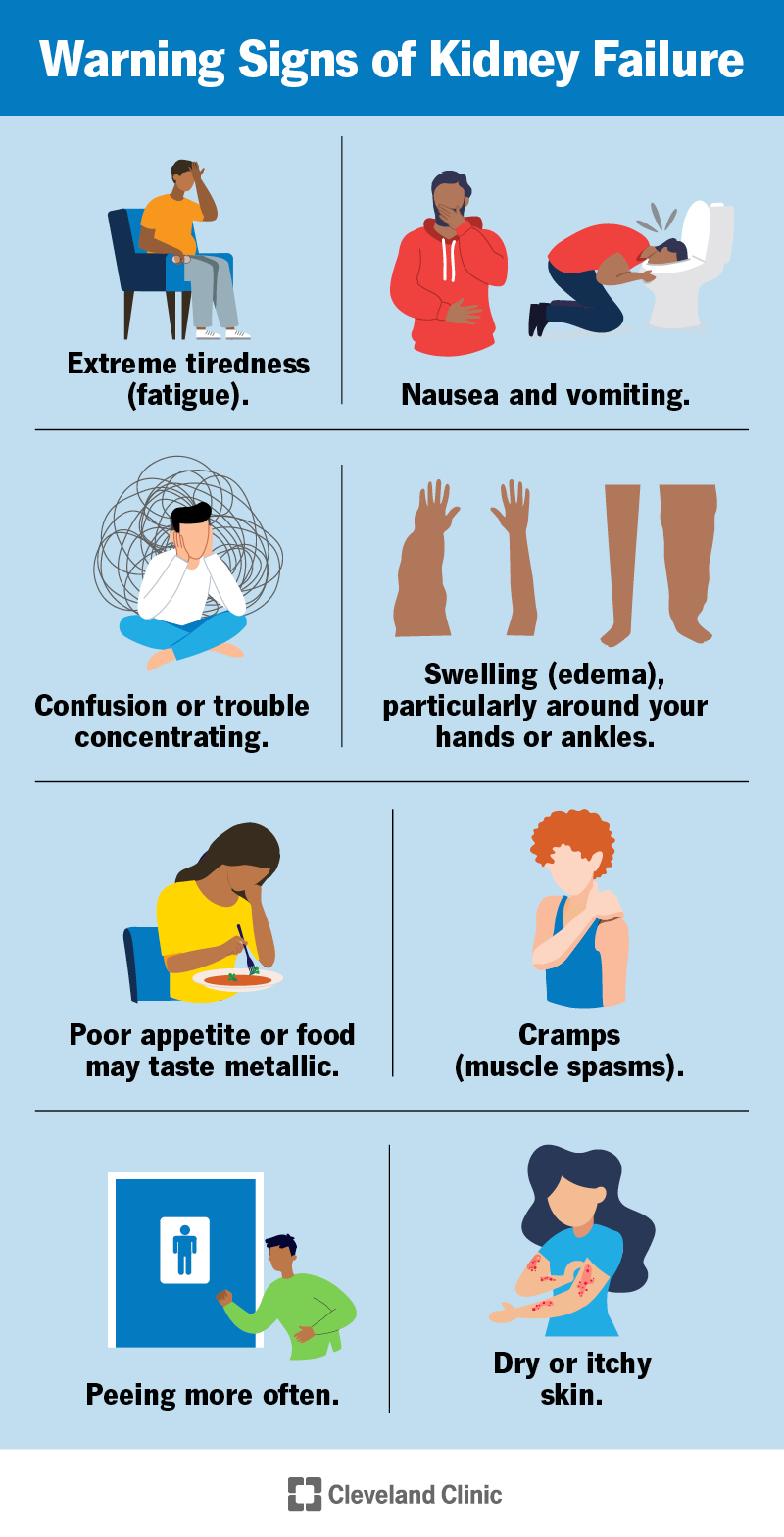
If you or someone you know is undergoing kidney dialysis or is considering it as a treatment option, understanding the risk factors and taking necessary precautions is crucial. This article provides valuable insights into the potential risks associated with kidney dialysis and offers practical precautions that can help minimize them. By being well-informed and proactive, you can ensure a safer and more effective dialysis experience for yourself or your loved ones.
Definition of Kidney Dialysis
Introduction to kidney dialysis
Kidney dialysis, also known as renal dialysis, is a lifesaving medical procedure that helps to remove waste products, excess fluids, and toxins from your body when your kidneys are no longer able to perform this function effectively. It serves as an artificial replacement for kidney function, filtering your blood and maintaining the balance of electrolytes such as sodium, potassium, and calcium.
Purpose of kidney dialysis
The main purpose of kidney dialysis is to remove waste products, excess fluids, and toxins from your body, thus preventing the buildup of harmful substances that can lead to serious health complications. By performing the role of your kidneys, dialysis helps in maintaining the balance of essential electrolytes, controlling blood pressure, and supporting overall well-being.
Types of kidney dialysis
There are two main types of kidney dialysis: hemodialysis and peritoneal dialysis.
Hemodialysis involves the use of an external dialysis machine that filters your blood and removes waste and excess fluids. During this procedure, your blood is circulated through a dialyzer, a specialized filter, which cleanses it before returning it to your body. Hemodialysis is usually performed in a dialysis center or hospital.
Peritoneal dialysis, on the other hand, utilizes the peritoneum, a natural membrane lining your abdomen, as a filter. A dialysis solution is introduced into your abdomen through a catheter, and waste products and excess fluids are removed as the solution sits in your abdomen. Peritoneal dialysis can be done at home, offering greater flexibility to patients.
Risk Factors for Kidney Dialysis
Chronic kidney disease
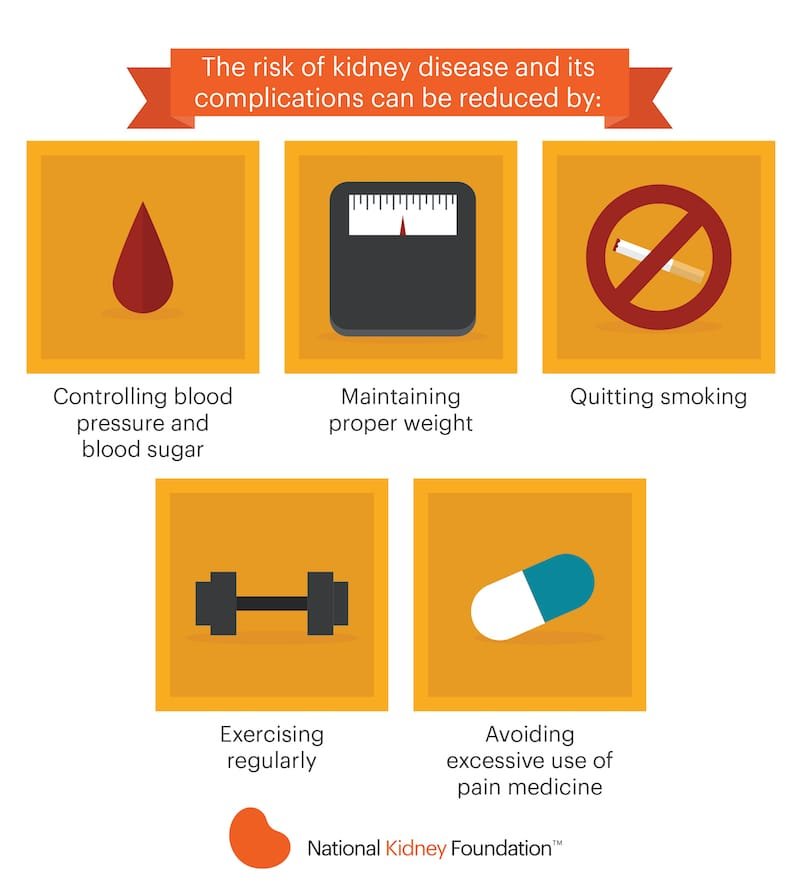
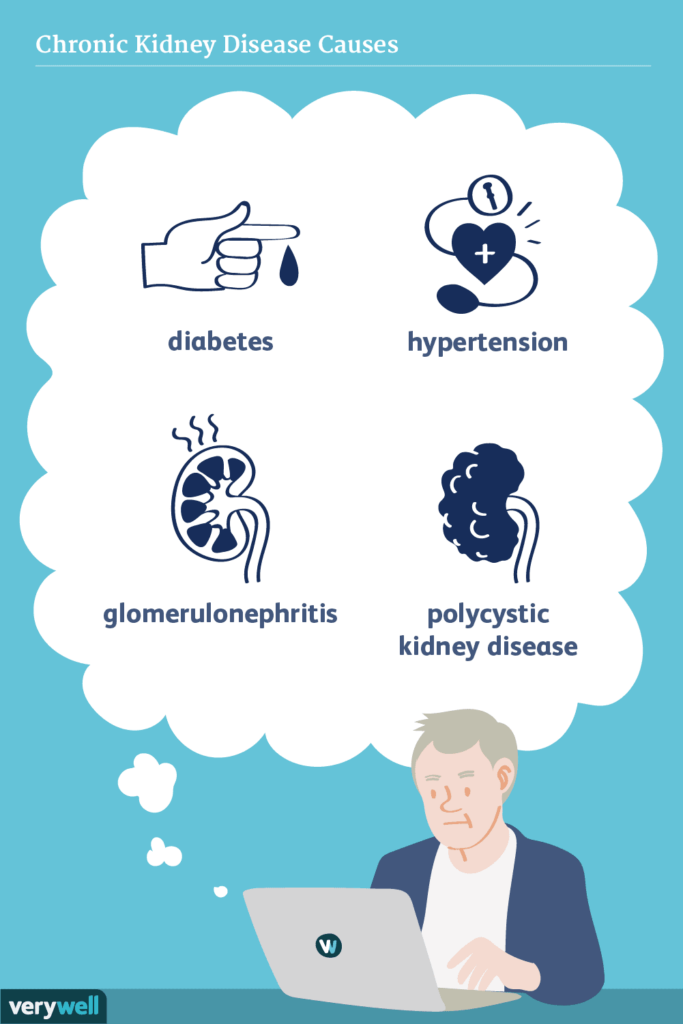
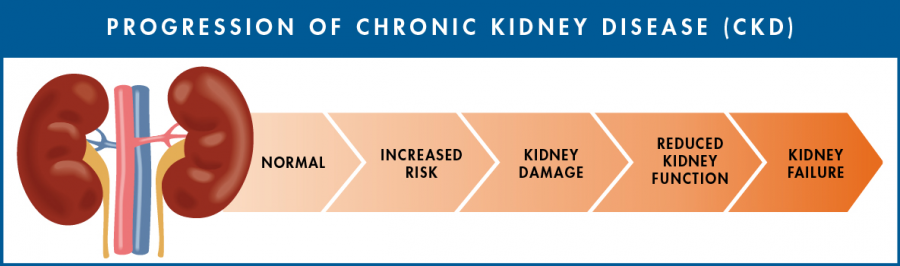
Chronic kidney disease (CKD) is one of the leading risk factors for kidney dialysis. If left untreated or unmanaged, CKD can progress to end-stage renal disease (ESRD), ultimately requiring dialysis. It is crucial to detect and manage CKD early on to slow down its progression.
Diabetes
Diabetes, particularly type 2 diabetes, can significantly increase the risk of kidney disease and subsequent dialysis. High blood sugar levels can damage the blood vessels in the kidneys, leading to kidney damage over time. It is important for individuals with diabetes to carefully manage their blood sugar levels to reduce the risk of kidney complications.
High blood pressure
Persistent high blood pressure, also known as hypertension, can cause damage to the blood vessels in the kidneys, leading to kidney disease. Individuals with high blood pressure should work closely with their healthcare provider to manage and control their blood pressure to minimize the risk of kidney damage.
Age
Advancing age is a risk factor for kidney disease and subsequent dialysis. As you get older, your kidneys naturally undergo structural and functional changes, making them more susceptible to damage. Regular check-ups and monitoring of kidney health are particularly important for older adults.
Family history of kidney disease
Having a family history of kidney disease, especially chronic kidney disease or ESRD, can increase your risk of developing kidney problems. If you have close relatives with kidney issues, it is essential to inform your healthcare provider and undergo regular screening to monitor your kidney health.
Smoking
Smoking is a detrimental habit that can harm various organs in the body, including the kidneys. Smoking damages blood vessels, reduces blood flow to the kidneys, and increases the risk of kidney disease. Quitting smoking is crucial to minimize the risk of kidney complications and improve overall health.
Obesity
Excess body weight, particularly obesity, is a significant risk factor for kidney disease and the need for dialysis. Obesity can lead to conditions such as diabetes and high blood pressure, both of which can damage the kidneys. Maintaining a healthy weight through a balanced diet and regular exercise is vital for kidney health.
Poor nutrition
A diet high in processed foods, unhealthy fats, and excessive sodium can contribute to kidney damage. Poor nutrition can lead to conditions such as diabetes, high blood pressure, and obesity, all of which are risk factors for kidney disease. Adopting a nutritious diet that is low in sodium and rich in fruits, vegetables, whole grains, and lean proteins can help protect your kidneys.
Certain medical conditions
Certain medical conditions, such as autoimmune diseases (e.g., lupus), polycystic kidney disease, and urinary tract disorders, can increase the risk of kidney damage and the need for dialysis. It is important to work closely with your healthcare provider to manage these conditions and regularly monitor your kidney health.
Medication use
Certain medications, such as nonsteroidal anti-inflammatory drugs (NSAIDs) and some antibiotics, can cause kidney damage when used excessively or inappropriately. It is crucial to follow the recommended dosage and guidelines for any medications you take and to inform your healthcare provider about all the medications you are currently using.
Precautions Before Kidney Dialysis
Medical evaluations and tests
Before starting kidney dialysis, a thorough medical evaluation is conducted to assess your overall health, kidney function, and suitability for various dialysis modalities. This may involve blood tests, urine tests, imaging studies, and consultations with specialists such as nephrologists and surgeons.
Choosing the right dialysis center
Selecting the right dialysis center is an important precautionary step. Consider factors such as the center’s reputation, staff expertise, proximity to your home, and the availability of different dialysis modalities. Tour the center, ask questions, and discuss your preferences and concerns with the healthcare team before making a decision.
Understanding the dialysis process
It is essential to have a clear understanding of the dialysis process, including how it works, the potential risks and benefits, and the lifestyle adjustments it requires. Educate yourself about the different types of dialysis, treatment frequency, potential side effects, and any necessary dietary and fluid restrictions.
Pre-dialysis diet and nutrition
Your healthcare team will provide guidelines on pre-dialysis diet and nutrition to optimize your overall health and prepare your body for dialysis. This may include recommendations for limiting sodium, phosphorus, and potassium intake, as well as suggestions for maintaining a balanced diet and staying adequately hydrated.
Medication management
Proper medication management is crucial before starting dialysis. Certain medications, such as those that can negatively impact kidney function, may need to be adjusted or discontinued. Work closely with your healthcare provider to ensure that your medication regimen is suitable for your kidney health and dialysis treatment plan.
Maintaining regular exercise
Physical activity plays an important role in maintaining overall health and enhancing the effectiveness of dialysis treatment. Discuss with your healthcare team about appropriate exercises for your condition and try to incorporate regular physical activity into your routine. This can help improve cardiovascular health, manage weight, and promote overall well-being.
Managing fluid intake
Fluid management is crucial before starting dialysis, especially if you are experiencing fluid retention or have been advised to limit your fluid intake. Restricting fluids as recommended by your healthcare team can help prevent fluid overload and manage the symptoms associated with kidney disease.
Maintaining a clean dialysis access site
If you are undergoing hemodialysis, it is important to maintain a clean dialysis access site to prevent infections and ensure optimal dialysis treatment. Follow proper hygiene practices, keep the access site clean and dry, and carefully follow any instructions provided by your healthcare team regarding access site care.
Preventing infections
Kidney dialysis can increase the risk of developing infections, so it is important to take precautionary measures to minimize this risk. This includes practicing proper hand hygiene, avoiding contact with individuals who have illnesses, receiving recommended vaccinations, and promptly reporting any signs of infection to your healthcare team.
Mental and emotional well-being
Prior to starting dialysis, addressing your mental and emotional well-being is essential. Living with kidney disease and undergoing dialysis can be challenging, so it is important to seek emotional support, both from your loved ones and healthcare providers. Consider joining support groups, participating in counseling, or engaging in activities that promote relaxation and stress reduction.
Stay tuned for the second part of the article, focused on precautions during and after kidney dialysis.