Kidney infection can be a painful and potentially serious condition. It is important to be aware of the risk factors that can increase your chances of developing a kidney infection, as well as the precautions you can take to prevent it. By understanding the factors that contribute to the development of kidney infections, such as a weakened immune system or urinary tract abnormalities, you can take proactive steps to safeguard your kidney health. This article will explore some of the common risk factors for kidney infection and provide practical tips on how to lower your risk and protect your kidneys.
Risk Factors for Kidney Infection
Kidney infections, also known as pyelonephritis, can be a painful and serious condition. It is essential to understand the risk factors associated with kidney infections in order to prevent their occurrence. By being aware of these risk factors, you can take the necessary precautions to protect your kidney health.
Gender
One significant risk factor for kidney infection is gender. Females have a higher risk of developing kidney infections compared to males. This is primarily because the urethra in women is shorter, making it easier for bacteria to travel up to the bladder and reach the kidneys. Additionally, hormonal changes during pregnancy can also increase the risk of kidney infections in women.
Urinary Tract Abnormalities
Urinary tract abnormalities can also contribute to an increased risk of kidney infections. Conditions such as vesicoureteral reflux, in which urine flows back from the bladder into the ureters, can result in the pooling of bacteria in the kidneys, leading to infection. Other structural abnormalities in the urinary tract, such as enlarged prostate in males, urinary tract stones, or urinary catheters, can also increase the risk.
Weak Immune System
Having a weak immune system puts you at a heightened risk of developing kidney infections. Conditions such as HIV/AIDS, diabetes, cancer, or any other condition that weakens the immune system can compromise the body’s ability to fight off infections. A weakened immune system makes it easier for bacteria to invade the urinary tract and kidneys, leading to infection.
Obstruction of Urine Flow
Obstruction of urine flow is another risk factor for kidney infection. Any condition that blocks or obstructs the normal flow of urine increases the risk of developing kidney infections. This can be due to urinary stones, tumors, or even conditions like bladder or kidney prolapse. When urine flow is obstructed, bacteria can multiply and cause infection.
Catheter Usage
The use of urinary catheters is commonly associated with an increased risk of kidney infections. Catheters are often used in hospital settings, and while they are necessary in certain situations, they can introduce bacteria into the urinary tract, leading to infection. Proper catheter care and hygiene practices can minimize the risk of developing a kidney infection in individuals requiring catheterization.
Age
Age is also a factor that influences the risk of kidney infections. The elderly population is more prone to kidney infections due to natural aging processes that can affect the urinary system. In elderly individuals, the bladder may not empty completely, increasing the risk of bacterial growth and subsequent infection. Additionally, pediatric populations, especially infants, are also at an increased risk of kidney infections due to anatomical factors.
Sexual Activity
Sexual activity, particularly in women, has been associated with an increased risk of kidney infections. While the exact relationship between sexual intercourse and kidney infections is not fully understood, it is believed that the mechanical action during sex may introduce bacteria into the urinary tract. Taking precautionary measures such as urinating before and after sex can help minimize the risk.
Pregnancy
Pregnancy is a unique risk factor for kidney infections in women. Hormonal changes during pregnancy can affect the urinary system, making pregnant women more susceptible to urinary tract infections, which can ultimately progress to kidney infections. Regular prenatal care and following proper hygiene practices can help prevent kidney infections during pregnancy.
Diabetes
Diabetes is a chronic condition that can increase the risk of kidney infections. High blood sugar levels in individuals with diabetes can impair the immune system’s response to infection, making it easier for bacteria to cause kidney infections. Management of blood sugar levels and maintaining good overall diabetes care is vital in reducing the risk of complications, including kidney infections.
Kidney Stones
The presence of kidney stones can be a risk factor for kidney infections. Kidney stones can obstruct the normal flow of urine, providing an environment in which bacteria can thrive and cause infection. Proper management of kidney stones through medication or medical procedures can help reduce the risk of developing kidney infections.
Preventive Measures to Avoid Kidney Infections
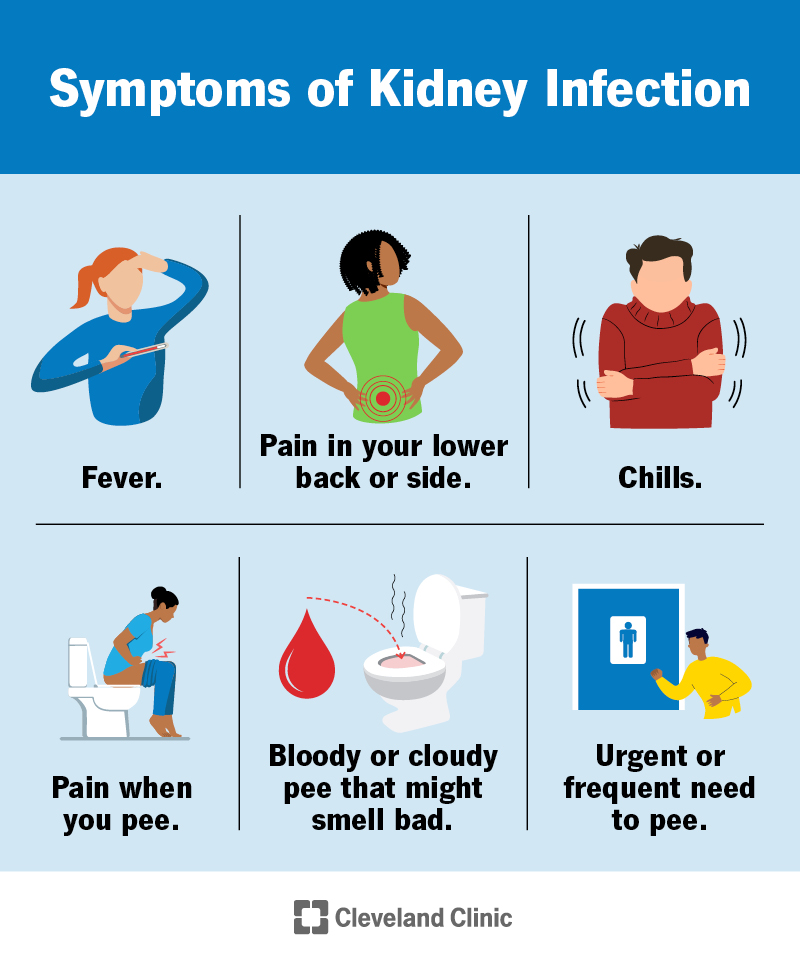
While the above risk factors can increase the likelihood of developing kidney infections, there are several preventive measures you can take to safeguard your kidney health. By adopting these precautions in your daily life, you can minimize the risk of kidney infections and maintain good urinary tract health.
Maintaining Proper Hygiene
Maintaining proper hygiene is crucial in preventing kidney infections. This includes wiping from front to back after using the toilet to avoid the spread of bacteria from the anal region to the urethra. Additionally, cleanliness of the genital area is important to minimize the risk of bacterial colonization and subsequent infection.
Staying Hydrated
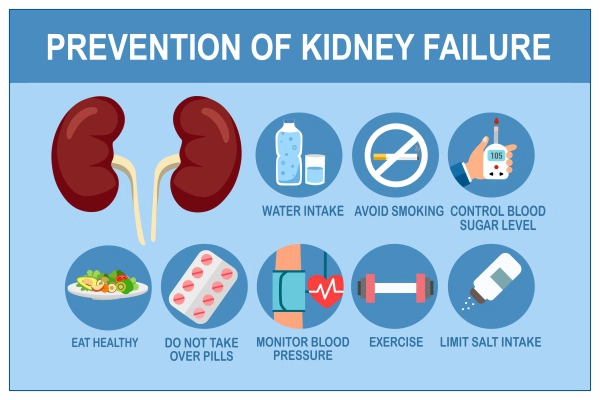
Drinking an adequate amount of water is essential for maintaining proper kidney function and preventing infections. Hydration helps to flush out bacteria and toxins from the urinary tract and kidneys. Aim to drink at least eight glasses of water per day to keep your urinary system healthy and prevent the development of kidney infections.
Urinating Regularly
Regular urination is vital in preventing the accumulation of bacteria in the urinary tract. Holding urine for extended periods can allow bacteria to multiply, increasing the risk of kidney infections. Make it a habit to urinate whenever you feel the urge, and avoid delaying emptying your bladder.
Avoiding Holding Urine
In line with regular urination, it is essential to avoid holding urine for prolonged periods. Holding urine can create an environment that favors bacterial growth and infection. Make it a priority to find a restroom when necessary and avoid prolonging the time between urination.
Urinating Before and After Sex
Urinating before and after sexual activity is a simple but effective preventive measure for kidney infections. Urinating before sex helps to empty the bladder, reducing the chances of bacteria being pushed into the urinary tract during intercourse. Additionally, urinating after sex helps to flush out any bacteria that may have entered the urethra.
Avoiding Harsh Chemicals
Avoid exposing your genital area to harsh chemicals that can irritate the urinary tract. This includes using gentle and unscented soaps, avoiding bubble baths, and refraining from using excessive feminine hygiene products. Harsh chemicals can disrupt the natural balance of bacteria in the urinary tract, making it more susceptible to infection.
Wearing Breathable Underwear
Choosing breathable underwear made of cotton or other natural fabrics can help prevent the growth of bacteria in the genital area. Breathable fabrics allow for proper airflow, reducing the risk of moisture build-up that can encourage bacterial growth. Avoid tight-fitting underwear or synthetic materials that can trap heat and moisture.
Maintaining a Healthy Diet
Eating a balanced and healthy diet is vital for overall health, including kidney health. A diet rich in fruits, vegetables, whole grains, and lean proteins can provide essential nutrients to support your immune system and prevent infections. Limiting the consumption of processed foods, sugary beverages, and excessive salt can also contribute to maintaining good kidney health.
Quitting Smoking
Smoking is not only detrimental to your lungs and heart but can also affect kidney health. Smoking damages blood vessels, reduces blood flow to the kidneys, and impairs their ability to function properly. By quitting smoking, you can minimize the risk of kidney infections and promote overall kidney health.
Avoiding Exposure to Bacterial Infections
One of the most effective ways to prevent kidney infections is by avoiding exposure to bacterial infections in the first place. Practicing good hand hygiene, avoiding contact with individuals who have urinary tract infections, and maintaining a clean environment can all help reduce the risk of bacterial contamination and subsequent kidney infections.
By understanding the risk factors associated with kidney infections and taking preventive measures, you can significantly reduce the likelihood of developing this painful condition. By incorporating these precautions into your daily routine, you can promote good kidney health and enjoy a lower risk of kidney infections. Remember, prevention is key, and your kidneys will thank you for it!