
Knee pain can be a frustrating and debilitating condition that affects people of all ages. Whether it is caused by an injury or a chronic condition such as arthritis, finding ways to manage and prevent knee pain is essential for maintaining an active and healthy lifestyle. In this article, you will explore the various risk factors that contribute to knee pain and learn about some simple yet effective precautions you can take to alleviate discomfort and protect your knees from further damage. So, let’s delve into the world of knee pain and discover the steps you can take to keep your knees pain-free and functional.
Risk Factors for Knee Pain
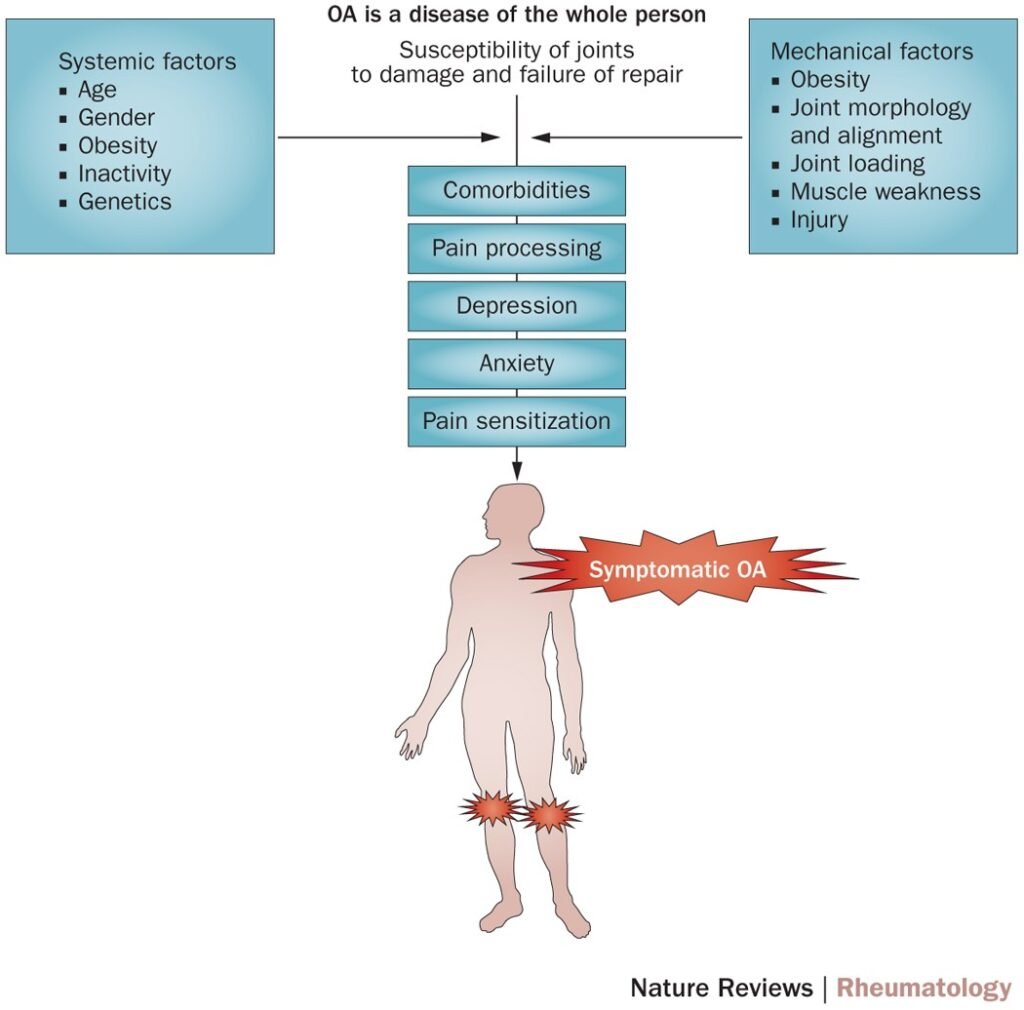
Knee pain can be caused by various risk factors that may contribute to the development or worsening of discomfort in the knee joint. By being aware of these risk factors, you can take the necessary precautions to prevent knee pain and maintain optimal joint health.
Overweight or Obesity
One of the major risk factors for knee pain is being overweight or obese. The excess weight puts significant stress on the knee joints, leading to increased wear and tear. The more weight your knees have to bear, the more susceptible they are to developing pain and inflammation. If you are overweight or obese, it is important to take steps to gradually reduce your weight to alleviate the strain on your knees.
Older Age
As we age, our joints, including the knees, naturally undergo degenerative changes. It is common for individuals in older age groups to experience knee pain due to factors such as the thinning of cartilage, reduced joint lubrication, and weakened muscles. While we cannot reverse the aging process, there are preventive measures that can be taken to minimize age-related knee problems and maintain joint health.
Previous Knee Injuries
Having had previous knee injuries greatly increases the risk of developing knee pain later in life. Injuries such as ligament tears, meniscus tears, or fractures can cause long-term damage to the knee joint, leading to chronic pain and instability. Proper rehabilitation and strengthening exercises after an injury are crucial in order to minimize the long-term negative effects and prevent future knee pain.
Certain Sports or Activities
Engaging in certain sports or activities that place excessive stress on the knees can contribute to knee pain. High-impact sports like football and basketball, which involve quick directional changes and jumping, put significant strain on the knee joints. Repetitive knee movements in activities like running and cycling can also lead to overuse injuries and knee pain. It is important to use proper techniques and protective gear when participating in these activities to reduce the risk of knee injuries.
Occupational Hazards
Certain occupations that involve heavy lifting or prolonged standing can have a detrimental impact on knee health. Jobs in industries such as construction, manufacturing, or healthcare often require individuals to exert themselves physically or maintain a standing position for long periods, putting their knees at risk of injury and pain. Taking proactive measures to optimize workplace ergonomics, such as using assistive devices or taking regular breaks to rest the knees, can help minimize the risk of developing knee pain.
Genetic Factors
Genetic factors can also play a role in the development of knee pain. Some individuals may have a familial predisposition to knee problems, making them more prone to conditions like osteoarthritis or ligament instability. If you have a family history of knee issues, it may be beneficial to seek genetic counseling for risk evaluation and guidance on preventive measures.
Muscle Weakness or Imbalances
Weakness or imbalances in the muscles surrounding the knee joint can contribute to knee pain. When the muscles are not adequately strong to support the knee, it becomes more susceptible to injury and instability. Regularly performing strengthening exercises, targeting the quadriceps, hamstrings, and glutes, can help improve knee stability and reduce the risk of pain.
Poor Posture and Body Mechanics
Maintaining poor posture and using improper body mechanics can put unnecessary stress on the knees. For example, slouching or hunching when sitting or standing, or lifting heavy objects with poor technique, can all contribute to knee pain over time. Practicing good posture and body mechanics, such as sitting up straight, using the correct lifting technique, and avoiding excessive bending or twisting of the knee, can help alleviate unnecessary strain on the knees.
Improper Footwear
Wearing inappropriate footwear can also contribute to knee pain. Shoes that lack proper support, cushioning, or stability can lead to poor alignment of the feet and knees, increasing the risk of knee injuries and discomfort. It is important to wear appropriate footwear for the activity or sport you are engaging in, ensuring that it provides adequate support and cushioning for your feet and knees.
Certain Health Conditions
Certain health conditions can be associated with an increased risk of developing knee pain. Conditions such as rheumatoid arthritis, gout, lupus, and osteoporosis can all affect joint health and lead to knee pain. Managing and treating these underlying health conditions is crucial in preventing or minimizing knee pain. Consulting with your healthcare provider and following their recommendations for treatment and lifestyle modifications can greatly improve your knee health.
Precautions to Prevent Knee Pain
While it may not always be possible to completely prevent knee pain, there are several precautions you can take to minimize the risk and promote long-term knee health.
Maintaining Healthy Body Weight
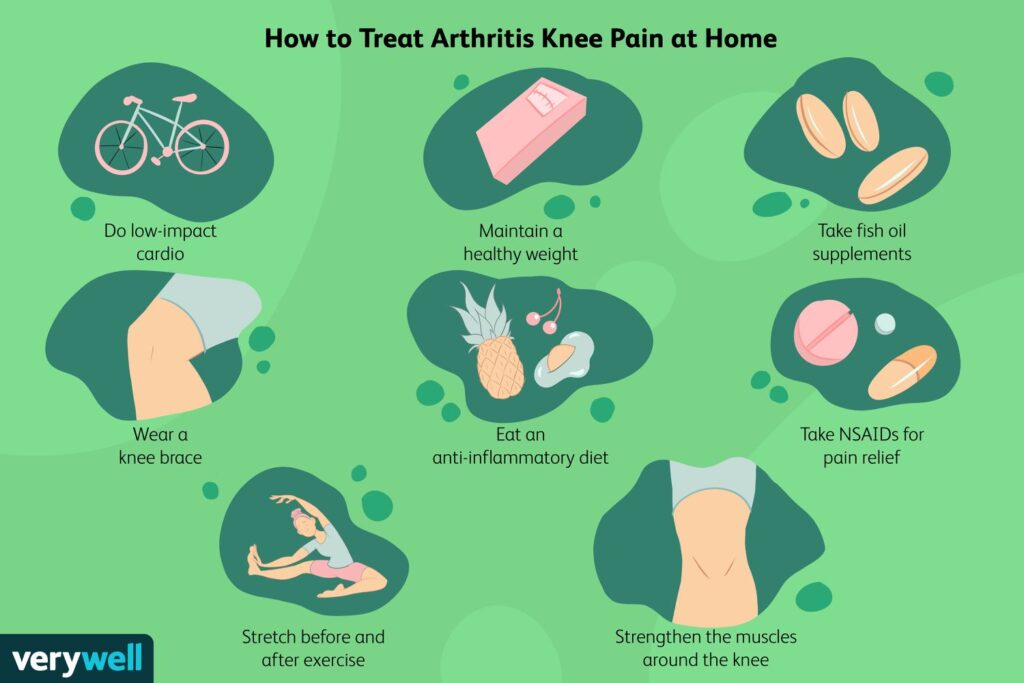
Maintaining a healthy body weight is essential in reducing the strain on your knees. Excess weight puts additional stress on the joints, increasing the likelihood of pain and discomfort. By adopting a balanced diet and engaging in regular physical activity, you can manage your weight effectively and reduce the load on your knees.
Engaging in Regular Exercise
Regular exercise, particularly exercises that focus on strengthening the muscles around the knees, can help improve joint stability and reduce the risk of knee pain. Low-impact exercises such as swimming, cycling, and walking are generally well-tolerated by the knees and provide cardiovascular benefits without placing excessive stress on the joints. Additionally, incorporating exercises that target the quadriceps, hamstrings, and glutes into your routine can help enhance knee stability.
Using Proper Techniques and Protective Gear in Sports
If you participate in sports or activities that involve the knees, it is important to use proper techniques and protective gear to minimize the risk of knee injuries. For example, wearing appropriate knee braces or pads during high-impact sports can provide extra support and cushioning to the knees. Additionally, learning and practicing correct movement patterns and techniques specific to your sport can help reduce the strain on your knees and prevent injuries.
Avoiding Repetitive Stress on the Knees
Repetitive stress on the knees, such as frequent running or jumping on hard surfaces, can increase the risk of overuse injuries and knee pain. It is important to give your knees regular rest and recovery periods, especially after engaging in activities that place repetitive stress on the joints. Incorporating low-impact exercises or cross-training into your routine can help vary the stress on your knees and reduce the risk of overuse injuries.
Optimizing Workplace Ergonomics
If your occupation involves tasks that require heavy lifting or prolonged standing, it is important to optimize your workplace ergonomics to minimize the strain on your knees. Using assistive devices, such as lifting belts or carts, can help reduce the load on your knees when lifting heavy objects. Taking regular breaks to rest your knees and performing stretching exercises during breaks can also help alleviate the stress on your joints.
Seeking Genetic Counseling for Risk Evaluation
If you have a family history of knee problems or suspect a genetic predisposition to knee issues, seeking genetic counseling can provide valuable insights into your risk factors. Genetic counseling can help assess your individual risks and guide you on preventive measures to maintain knee health. This can involve recommendations for lifestyle modifications, such as exercise and weight management, as well as early detection strategies for potential knee problems.
Strengthening and Stretching Exercises
Regularly performing strengthening and stretching exercises can help improve knee stability and flexibility, reducing the risk of pain and injuries. Strengthening exercises that focus on the quadriceps, hamstrings, and glutes can help support the knee joint and improve its biomechanics. Stretching exercises, on the other hand, help maintain flexibility and range of motion in the knees, reducing the likelihood of muscle imbalances and stiffness.
Practicing Good Posture and Body Mechanics
Adopting good posture and using proper body mechanics in everyday activities can help minimize unnecessary strain on the knees. When sitting or standing, make sure to maintain proper alignment of your body, keeping your back straight and shoulders relaxed. When lifting heavy objects, remember to bend your knees and use your leg muscles rather than relying solely on your back. These simple adjustments can go a long way in preserving the health of your knees.
Wearing Appropriate Footwear
Choosing footwear that provides adequate support and cushioning for your feet and knees is crucial in minimizing the risk of knee pain. Shoes that offer good shock absorption and stability can help reduce the impact and stress placed on your knees during physical activities. It is recommended to select footwear that is specifically designed for the sport or activity you engage in, as different activities may require different types of shoes.
Managing and Treating Underlying Health Conditions
If you have underlying health conditions such as rheumatoid arthritis, gout, lupus, or osteoporosis, it is essential to work closely with your healthcare provider to manage and treat these conditions effectively. Following their recommendations for medication, lifestyle modifications, and regular check-ups can help prevent or manage knee pain associated with these underlying health conditions. By taking a proactive approach to your health, you can minimize the impact of these conditions on your knees.
Understanding Overweight or Obesity as a Risk Factor
Excessive weight is a significant risk factor for knee pain. When you carry excess weight, your knees bear a greater load than they are designed to handle. The extra stress placed on the knee joints increases the risk of developing pain and inflammation. Additionally, the excessive weight can accelerate the wear and tear of the knee cartilage, leading to the development or worsening of osteoarthritis, a common cause of knee pain.
Excessive Weight and Knee Stress
The force exerted on the knees is amplified with each step you take. Studies have shown that for every pound of body weight, four to six times that amount of force is transmitted through the knees during activities such as walking or climbing stairs. Therefore, even a modest weight loss can significantly reduce the strain on your knees and alleviate knee pain.
Increased Risk of Osteoarthritis
Being overweight or obese greatly increases the risk of developing osteoarthritis, a degenerative condition of the joints. Osteoarthritis occurs when the protective cartilage that cushions the joints wears away, causing the bones to rub against each other. The excess weight contributes to the breakdown of the cartilage in the knee joint, leading to pain, stiffness, and inflammation.
Weight Loss Strategies for Knee Pain Prevention
If you are overweight or obese, losing weight can help alleviate knee pain and reduce the risk of developing knee problems in the future. It is important to approach weight loss in a gradual and sustainable manner, as crash diets or excessive exercise can also place stress on the knees. Working with a healthcare professional, such as a registered dietitian or physical therapist, can help develop a personalized weight loss plan that includes a balanced diet, regular exercise, and lifestyle modifications that are sustainable in the long term.
The Impact of Older Age on Knee Health
Older age is a significant risk factor for knee pain and the development of knee problems. As we age, our joints naturally undergo degenerative changes, including the loss of cartilage and weakening of the surrounding muscles. These changes can contribute to the development of knee pain and increase the risk of conditions such as osteoarthritis.
Age-related Degenerative Changes
With advancing age, the cartilage in the knee joint may begin to thin out, reducing its ability to cushion and protect the bones. This can lead to increased friction between the bones, causing pain, stiffness, and swelling. Additionally, the lubricating fluid within the joint may decrease, further contributing to joint stiffness and discomfort. Furthermore, the muscles that support the knee joint may weaken over time, making the knees more susceptible to injury and instability.
Preventive Measures for Age-related Knee Problems
While we cannot stop the aging process, there are several preventive measures that can help maintain knee health as we age. Engaging in regular exercise, particularly exercises that focus on strength training and flexibility, can help preserve muscle mass and joint flexibility. Low-impact activities like swimming or cycling are beneficial for older individuals as they provide cardiovascular benefits without placing excessive stress on the knees. Maintaining a healthy body weight and following a balanced diet can also help reduce the strain on your joints. It is also important to be mindful of your posture and body mechanics, ensuring that you maintain proper alignment and avoid excessive stress on the knees. Regular check-ups with your healthcare provider can help monitor the health of your knees and detect any potential issues early on.
Previous Knee Injuries and their Contribution to Knee Pain
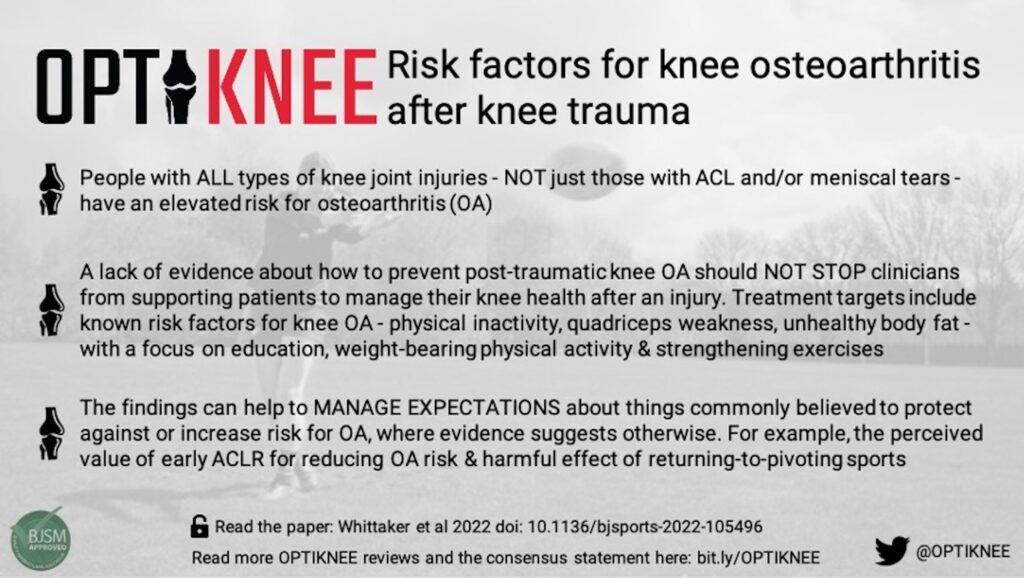
Having had previous knee injuries significantly increases the risk of developing knee pain later in life. Injuries such as ligament tears, meniscus tears, or fractures can cause long-term damage to the knee joint and surrounding tissues, leading to chronic pain and instability.
Chronic Pain from Past Injuries
When a knee injury occurs, it can disrupt the normal structure and function of the knee joint. If the injury is not properly rehabilitated and treated, it can result in chronic pain that persists long after the initial injury has healed. The scar tissue that forms during the healing process may impair the smooth movement of the knee joint, causing discomfort and limitations in mobility.
Proper Rehabilitation and Strengthening after Injuries
Proper rehabilitation following a knee injury is crucial in order to minimize the long-term negative effects and reduce the risk of developing chronic pain. This may involve working with a physical therapist who can design a customized rehabilitation program to strengthen the muscles surrounding the knee joint and improve joint stability. Depending on the severity of the injury, surgical intervention may also be necessary to repair damaged structures within the knee. It is important to follow the recommendations of your healthcare provider and adhere to the prescribed rehabilitation plan to optimize your chances of a full recovery and minimize the risk of future knee pain.
Sports and Activities with Higher Knee Injury Risks
Engaging in certain sports or activities can significantly increase the risk of knee injuries and subsequent knee pain. Whether it’s high-impact sports involving quick directional changes or repetitive knee movements in endurance activities, precautions must be taken to minimize the risk of knee injuries.
High-Impact Sports like Football and Basketball
Sports like football, basketball, and soccer involve frequent jumping, sudden stops, and quick changes in direction, all of which place significant stress on the knees. These high-impact activities can lead to ligament tears or meniscus injuries, resulting in acute pain and potential long-term consequences. It is important for athletes participating in these sports to use proper techniques and wear appropriate protective gear, such as knee braces, to minimize the risk of injury.
Repetitive Knee Movements in Running and Cycling
Endurance activities such as running and cycling often involve repetitive knee movements over extended periods. These repetitive motions can lead to overuse injuries such as patellofemoral pain syndrome or iliotibial band syndrome, causing chronic knee pain. Proper training techniques, gradually increasing intensity and duration, and using appropriate footwear can help reduce the risk of overuse injuries in these activities.
Preventive Measures for Sports-related Knee Injuries
Athletes participating in sports with a higher risk of knee injuries should take preventive measures to protect their knees. This includes using proper techniques and body mechanics, maintaining appropriate conditioning and strength training, and wearing protective gear such as knee braces or pads when necessary. It is important to warm up before engaging in physical activity to prepare the muscles and joints for the demands of the sport. Additionally, incorporating exercises that target the muscles around the knees, such as quadriceps and hamstrings strengthening exercises, can help improve joint stability and reduce the risk of knee injuries.
Occupational Hazards Affecting Knee Health
Certain occupations that require heavy lifting or prolonged standing can have a significant impact on knee health. Jobs that involve repetitive or prolonged stress on the knees can increase the risk of developing knee pain or injuries.
Jobs Requiring Heavy Lifting or Prolonged Standing
Jobs in industries such as construction, manufacturing, healthcare, or manual labor generally involve tasks that require heavy lifting or prolonged standing. These activities place significant stress on the knees, increasing the likelihood of developing knee pain or injuries. Individuals in these occupations should take proactive measures to minimize the strain on their knees, such as using assistive devices to lift heavy objects, taking regular breaks to rest the knees, and utilizing proper body mechanics when performing tasks.
Proactive Measures in Occupational Settings
Optimizing workplace ergonomics is crucial in mitigating the risk of knee problems in occupational settings. Employers should provide ergonomic training and resources to their employees, emphasizing the importance of proper body mechanics, lifting techniques, and the utilization of assistive devices when necessary. Regular breaks should be encouraged to prevent excessive stress and fatigue on the knees. Additionally, implementing job rotation or task variation can help distribute the workload across different parts of the body, reducing the strain on the knees.
Genetic Factors and their Influence on Knee Pain
Genetic factors can play a role in the development of knee pain and knee-related problems. Some individuals may have a familial predisposition to knee conditions such as osteoarthritis or ligament instability, which can increase their risk of experiencing knee pain.
Familial Predisposition to Knee Problems
If you have family members who have experienced knee problems or have been diagnosed with conditions such as osteoarthritis or ligament tears, you may have a higher risk of developing similar knee issues. Genetic factors can contribute to the structural integrity of joints, making some individuals more susceptible to certain knee conditions. While genetics may predispose individuals to knee problems, it is important to note that lifestyle and environmental factors also play a significant role in the development and progression of knee pain.
Genetic Testing and Counseling for Risk Assessment
If you have a family history of knee problems or suspect a genetic predisposition to knee issues, seeking genetic counseling can provide valuable insights into your individual risk factors. A genetic counselor can assess your family history, evaluate your risk of developing knee problems, and provide guidance on preventive measures. This may include recommendations for lifestyle modifications such as maintaining a healthy weight, engaging in regular exercise, and using proper techniques during physical activities to minimize the risk of knee pain.

Muscle Weakness or Imbalances and Knee Pain
Muscle weakness or imbalances in the muscles surrounding the knee joint can contribute to knee pain and instability. When the muscles are not adequately strong or balanced, they are unable to provide optimal support and stability to the knee.
Inadequate Strength in Surrounding Muscles
The muscles surrounding the knee joint, including the quadriceps, hamstrings, and glutes, play a crucial role in maintaining knee stability. If these muscles are weak, they are unable to adequately support and protect the knee, increasing the risk of pain and injury. Muscle weakness can also lead to poor biomechanics and abnormal stress distribution within the knee joint, further exacerbating the risk of developing knee pain.
Importance of Strengthening Exercises for Knee Stability
Incorporating regular strengthening exercises into your fitness routine is essential in promoting knee stability and minimizing the risk of pain. Exercises that target the muscles surrounding the knee joint, such as squats, lunges, and leg presses, can help build strength and improve the stability of the knee joint. It is important to work with a qualified fitness professional or physical therapist to ensure proper technique and progression of exercises to avoid injury. By maintaining strong and balanced muscles around the knee, you can reduce the risk of developing knee pain and increase overall joint stability.
Common Health Conditions Associated with Knee Pain
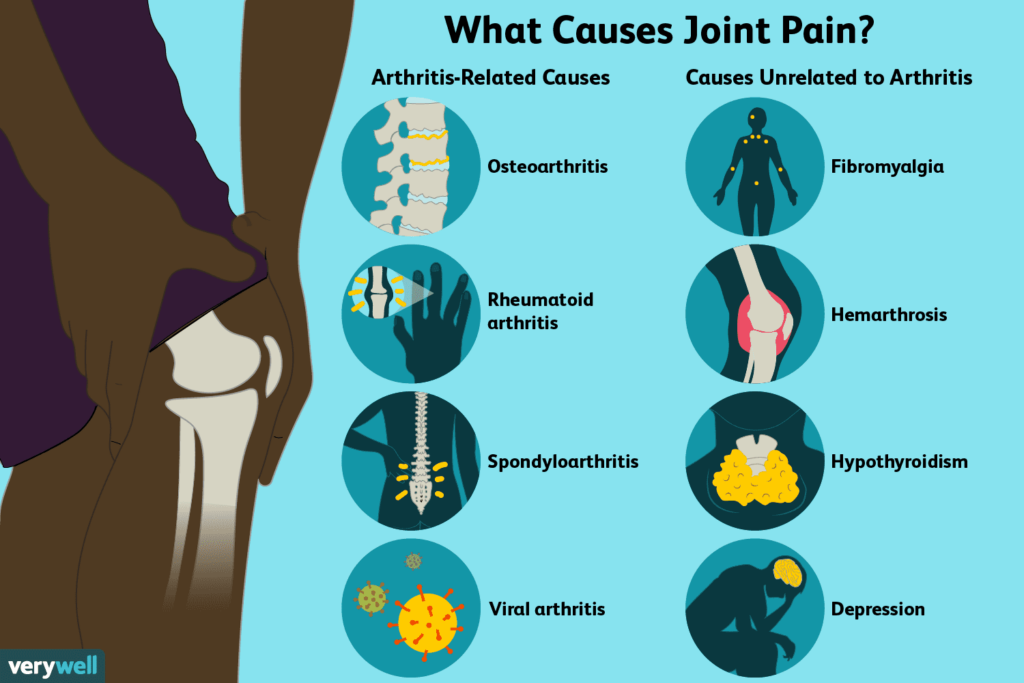
Certain health conditions can be associated with an increased risk of developing knee pain. Conditions such as rheumatoid arthritis, gout, lupus, and osteoporosis can all affect joint health and lead to knee pain.
Rheumatoid Arthritis
Rheumatoid arthritis is an autoimmune disorder characterized by chronic inflammation of the joints, including the knees. The body’s immune system mistakenly attacks the synovial lining of the joints, leading to pain, swelling, and joint damage. Rheumatoid arthritis can cause significant knee pain and stiffness, making it difficult to perform everyday activities. Treatment for this condition typically involves a combination of medication, physical therapy, and lifestyle modifications to manage symptoms and slow down the progression of joint damage.
Gout
Gout is a form of arthritis caused by the accumulation of uric acid crystals in the joints, including the knees. The excess uric acid can trigger severe episodes of joint inflammation and pain, known as gout attacks. The knee joint may become swollen, red, and tender during an attack, making it difficult to bear weight or move the joint. Managing gout involves lifestyle modifications, such as dietary changes and weight management, as well as medications to control uric acid levels and prevent flare-ups.
Lupus
Lupus is a chronic autoimmune disease that can affect multiple organs, including the joints. Inflammation caused by lupus can lead to joint pain, stiffness, and swelling, commonly affecting the knees. Treatment for lupus-related knee pain involves both medication to manage symptoms and prevent disease progression, as well as lifestyle modifications to reduce inflammation and promote overall well-being.
Osteoporosis
Osteoporosis is a condition characterized by a loss of bone density, making the bones fragile and prone to fractures. While osteoporosis primarily affects the spine, hips, and wrists, it can also have an impact on the knees. Weakened bones in the knee joint can increase the risk of fractures or other injuries. Treatment for osteoporosis typically involves a combination of medication, adequate calcium and vitamin D intake, weight-bearing exercises, and fall prevention strategies to minimize the risk of fractures.
Precautionary Measures for Managing Health Conditions
If you have underlying health conditions that contribute to knee pain, it is important to work closely with your healthcare provider to manage and treat these conditions effectively. Following their recommendations for medication, lifestyle modifications, and regular follow-ups can help prevent or minimize knee pain associated with these underlying health conditions. Additionally, engaging in low-impact exercises, maintaining a healthy weight, and using proper body mechanics can help alleviate stress on the knees and promote overall joint health.
In conclusion, understanding the risk factors for knee pain and taking appropriate precautions can play a crucial role in preventing or minimizing knee problems. By maintaining a healthy body weight, engaging in regular exercise, using proper techniques and protective gear in sports, optimizing workplace ergonomics, and managing underlying health conditions, you can proactively protect your knees and promote long-term joint health. It is important to remember that individual factors, such as genetics and previous injuries, can also contribute to knee pain. Therefore, seeking personalized medical advice from healthcare professionals is essential for an accurate assessment of your risk factors and the development of an appropriate preventive plan.