Melanoma-skin cancer is a serious health concern that affects millions of people worldwide. In order to protect yourself and reduce your risk of developing this potentially deadly disease, it’s important to be aware of the risk factors associated with melanoma. By understanding these factors and taking appropriate precautions, you can take proactive steps towards maintaining a healthy lifestyle and minimizing your chances of developing melanoma-skin cancer.

Risk Factors for Melanoma-Skin Cancer
UV Radiation
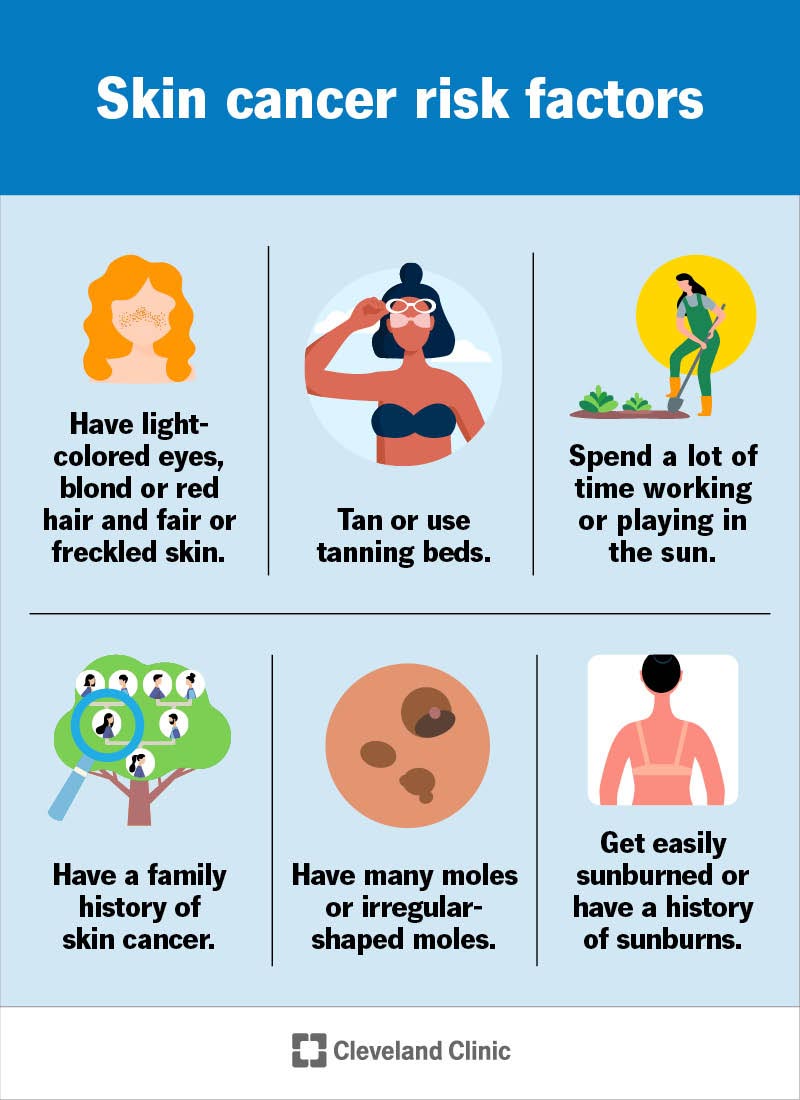
One of the primary risk factors for melanoma-skin cancer is exposure to UV radiation. This can come from both natural sunlight and artificial sources like tanning beds. When you spend excessive amounts of time in the sun or use tanning beds frequently, the UV radiation can damage the DNA in your skin cells, leading to the development of melanoma. To lower your risk, it’s important to limit your time in direct sunlight, especially during the peak hours of 10 a.m. to 4 p.m., and always use sunscreen with a high SPF.
Moles and Atypical Moles
Another risk factor for melanoma is the presence of moles, especially atypical or dysplastic moles. These moles often have irregular borders, asymmetrical shapes, and varying colors. If you have a large number of moles or have noticed any changes in your moles, it’s essential to have them examined by a dermatologist. Regular self-examinations and professional skin checks can help detect any abnormal changes early on and can increase the chances of successful treatment.
Family History
If you have a family history of melanoma, your risk of developing this type of skin cancer is higher. Certain genetic factors passed down through generations can predispose individuals to melanoma. It’s crucial to be aware of your family’s medical history and inform your healthcare provider about any cases of melanoma in your immediate family. This information can help them assess your risk accurately and take appropriate measures to ensure early detection.
Fair Skin and Freckles
People with fair skin, freckles, and light-colored eyes are more susceptible to melanoma-skin cancer. This is because fair skin has less melanin, which provides some protection against UV radiation. Without enough melanin, the skin is more vulnerable to UV damage. It’s crucial for individuals with fair skin to take extra precautions such as wearing protective clothing, seeking shade, and using sunscreen consistently.
Sunburns
Getting sunburned, especially during childhood or adolescence, increases the risk of developing melanoma later in life. One severe sunburn or multiple sunburns over time can significantly damage the DNA in your skin cells, leading to cellular changes that may eventually develop into melanoma. It’s vital to avoid sunburns by using sun protection measures like hats, sunglasses, and sunscreen with a high SPF, and by seeking shade whenever possible.
Age
Although melanoma can occur at any age, the risk increases with age. Older individuals are more likely to develop melanoma due to cumulative exposure to UV radiation over their lifetime. However, it’s important to note that melanoma is also becoming more prevalent among younger populations. Regardless of age, it’s crucial to practice sun-safe behaviors and monitor your skin regularly for any changes.
Gender
Studies have shown that men are more likely to develop melanoma than women. This may be due to various factors, including differing behaviors regarding sun exposure and protective measures. Men tend to spend more time in the sun without adequate protection and are less likely to use sunscreen regularly. However, it’s important for both men and women to prioritize skin protection and undergo regular skin examinations to detect any early signs of melanoma.
Weakened Immune System
Individuals with weakened immune systems, such as those with organ transplants, HIV/AIDS, or undergoing certain medical treatments, are at an increased risk of developing melanoma. A compromised immune system may not be able to effectively recognize and eliminate cancerous cells, allowing them to grow and develop into melanoma. If you have a weakened immune system, it’s important to work closely with your healthcare provider to monitor your skin and take necessary precautions to lower your risk.
Geographic Location
The geographic location you live in can also impact your risk of melanoma. People who live in areas with intense sunlight and higher UV radiation levels, such as near the equator or at high altitudes, face a higher risk of developing melanoma. Additionally, individuals living in regions with a higher incidence of melanoma, such as Australia, have an increased risk compared to those in regions with a lower incidence. Regardless of location, it’s essential to practice sun protection measures consistently.
Occupational Exposure
Certain occupations, such as construction workers, farmers, and lifeguards, often involve prolonged sun exposure, increasing the risk of developing melanoma. If your job requires spending long hours outdoors, it’s crucial to take proactive measures to protect your skin. This includes wearing appropriate sun-protective clothing, using sunscreen, seeking shade during breaks, and regularly monitoring your skin for any changes.
Precautions for Melanoma-Skin Cancer
Sun Protection
One of the most effective precautions against melanoma-skin cancer is practicing sun protection. This includes seeking shade during peak sun hours, wearing protective clothing such as wide-brimmed hats and long-sleeved shirts, and using sunscreen with a high SPF. It’s important to apply sunscreen generously and reapply every two hours, especially if you’re swimming or sweating. Remember to cover all exposed areas, including your face, ears, neck, and hands.
Avoiding Tanning Beds
Tanning beds emit harmful UV radiation that can significantly increase your risk of developing melanoma. It’s crucial to avoid using tanning beds altogether. Instead, embrace your natural skin tone and consider using alternatives like self-tanning lotions or spray tans if you desire a tan appearance. Remember, a tan obtained from a tanning bed is not worth the long-term consequences it poses to your skin health.
Protecting Children and Infants
Children and infants have delicate, sensitive skin that is more vulnerable to UV damage. It’s crucial to take extra precautions to protect them from the sun’s harmful rays. Keep infants under 6 months of age out of direct sunlight, dress them in lightweight long-sleeved clothing, and use sunscreen specifically formulated for infants on exposed areas. For older children, encourage the use of sun-protective clothing and teach them about sun safety from an early age.
Performing Regular Skin Self-Examinations
Engaging in regular skin self-examinations is an essential precaution for melanoma-skin cancer. Familiarize yourself with your skin and moles, and regularly check for any changes in size, shape, color, or texture. Pay attention to new moles or any existing moles that become itchy, bleed, or develop irregular borders. If you notice any concerning changes, consult a dermatologist promptly. Early detection is key in successfully treating melanoma.
Seeking Professional Skin Examinations
In addition to self-examinations, it’s crucial to have professional skin examinations by a dermatologist. Dermatologists are trained to recognize early signs of melanoma and can perform a thorough examination of your skin, including areas that may be difficult for you to see on your own. Regular dermatologist visits allow for early detection and can help prevent the progression of melanoma. Make it a priority to schedule routine skin checks based on your dermatologist’s recommendations.
Understanding Family History
Knowing your family’s medical history is important as it can help identify whether you have a higher risk of melanoma due to genetic factors. Discuss any cases of melanoma in your immediate family with your healthcare provider to gain a better understanding of your risk profile. If there is a history of melanoma, it may be necessary to undergo more frequent and thorough skin examinations.
Avoiding UV Radiation Sources
Apart from natural sunlight, it’s crucial to protect yourself from other sources of UV radiation. This includes avoiding tanning beds, which are a significant source of harmful UV radiation. Additionally, be cautious of other sources like UV lamps used for nail curing and certain occupational settings where UV radiation may be present. Being mindful of these sources and minimizing your exposure can significantly reduce your risk of developing melanoma.
Monitoring Moles and Changes
Keep a close eye on your moles and any changes that may occur. Regularly check for moles that change in size, shape, color, or become itchy or painful. If you notice any concerning changes, consult a dermatologist for a professional evaluation. Remember that early detection and treatment of melanoma significantly improve outcomes.
Staying Informed and Educated
It’s essential to stay informed and educated about melanoma-skin cancer. Keep up-to-date with the latest research and guidelines regarding prevention, detection, and treatment. Educate yourself on the warning signs of melanoma and be proactive in taking necessary precautions. By staying informed and educated, you can make well-informed decisions and take the appropriate steps to protect yourself from melanoma.
Leading a Healthy Lifestyle
Leading a healthy lifestyle is beneficial for overall well-being, including reducing the risk of melanoma-skin cancer. Eating a balanced diet rich in antioxidants, exercising regularly, and avoiding tobacco and excessive alcohol consumption can improve your overall health and potentially lower your risk of developing melanoma. Remember that maintaining a healthy lifestyle is a lifelong commitment and contributes to your overall well-being and longevity.
In conclusion, understanding the risk factors for melanoma-skin cancer is crucial in taking appropriate precautions to prevent its development. By being aware of factors such as UV radiation, family history, and fair skin, you can make informed decisions to minimize your risk. Taking precautions like sun protection, avoiding tanning beds, and regular skin examinations can help detect melanoma at an early stage, improving the chances of successful treatment. By staying informed, educated, and leading a healthy lifestyle, you can proactively protect yourself from melanoma-skin cancer and promote your overall well-being.
