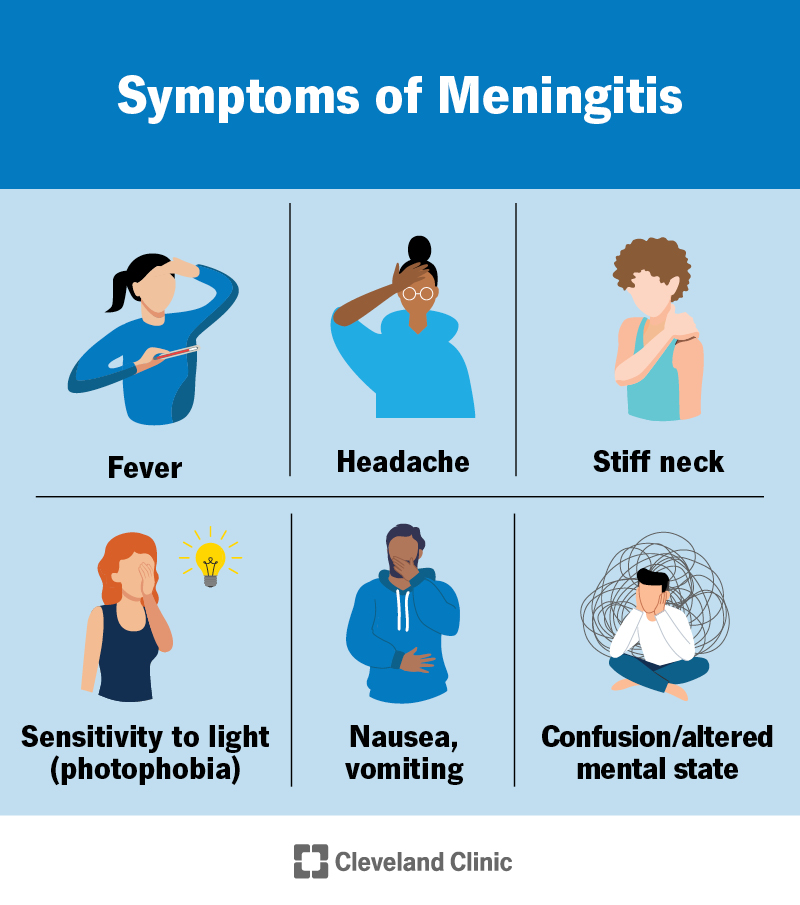
Meningitis can be a serious and potentially life-threatening infection, so it’s essential to be aware of the risk factors and take necessary precautions to protect yourself. From infants to older adults, anyone can be susceptible to meningitis, but certain factors increase the chances of developing the infection. In this article, we will explore these risk factors and provide practical tips to help you reduce your risk of contracting meningitis.
Risk Factors for Meningitis
Meningitis is a serious infection that affects the membranes surrounding the brain and spinal cord. While anyone can develop meningitis, certain individuals are at a higher risk. By understanding the risk factors associated with meningitis, you can take the necessary precautions to protect yourself and your loved ones.
Age
One of the most significant risk factors for meningitis is age. Infants and young children, teenagers and young adults, as well as the elderly, are more susceptible to the infection. This is because their immune systems are often not as robust, making it harder for their bodies to fight off infections.
Crowded living conditions
Living in crowded environments can increase the risk of contracting meningitis. Dormitories, military barracks, correctional facilities, homeless shelters, and refugee camps are examples of such settings. These places often have close contact between individuals, making it easier for the infection to spread.
Weakened immune system
Individuals with a weakened immune system are more vulnerable to meningitis. Conditions such as HIV/AIDS, diabetes, and organ transplant recipients are known to compromise the immune system’s ability to fight off infections. Additionally, cancer and certain medications that suppress the immune system can also increase the risk.
Close contact with infected individuals
Meningitis can be transmitted through close contact with infected individuals. Household contacts, kissing or sharing utensils with someone who is infected, and being near someone who coughs or sneezes without covering their mouth can put you at a higher risk. Participating in crowded social activities where close contact is common can also increase the chances of transmission.
Certain medical conditions
Some medical conditions can make individuals more susceptible to meningitis. Sinusitis, ear infections, bacterial pneumonia, and mastoiditis are examples of such conditions. These can create a pathway for bacteria or viruses to reach the meninges, increasing the risk of infection.
Travel to high-risk areas
Certain regions have a higher prevalence of meningitis, exposing travelers to a greater risk of contracting the infection. Sub-Saharan Africa, northern India, Southeast Asia, and Saudi Arabia are some areas where the risk of meningitis is elevated. If you are planning to travel to these areas, it is important to be aware of the precautions and seek appropriate vaccinations.
Cigarette smoking
Cigarette smoking, both active and passive, can increase the risk of meningitis. The harmful chemicals in tobacco smoke impair the immune system’s ability to fight off infections, making smokers more susceptible. Additionally, secondhand smoke exposure can also weaken the immune system and increase the risk for those who do not directly smoke.
Attendance in day care settings
Day care settings can be a breeding ground for infections, including meningitis. The close proximity and frequent interaction between children can facilitate the transmission of bacteria or viruses. If your child attends a daycare, it is important to ensure that the facility follows proper hygiene practices to minimize the risk of infections.
Recent upper respiratory infection
Having a recent upper respiratory infection, such as a cold or flu, can increase the risk of developing meningitis. This is because the infection can weaken the body’s immune system, making it more susceptible to other infections. It is important to take appropriate measures to prevent and manage upper respiratory infections to reduce the risk of meningitis.
Exposure to certain bacteria or viruses
Exposure to specific bacteria or viruses can increase the risk of developing meningitis. Bacterial meningitis, for instance, can be caused by various bacteria such as Streptococcus pneumoniae, Neisseria meningitidis, and Haemophilus influenzae. Viral meningitis, on the other hand, can be caused by different viruses including enteroviruses and herpes simplex virus. Understanding the sources of these pathogens and avoiding exposure when possible can help reduce the risk of meningitis.

Precautions for Meningitis
While the risk factors for meningitis cannot be completely eliminated, taking certain precautions can greatly reduce the chances of infection. Here are some key measures you can take to protect yourself and others:
Vaccination
Getting vaccinated against the common causes of meningitis is one of the most effective ways to prevent the infection. Vaccines for bacterial meningitis, such as the meningococcal and pneumococcal vaccines, are available and are highly recommended. Additionally, there is a vaccine for viral meningitis caused by the mumps virus. It is important to stay up to date with vaccinations and follow the recommended vaccination schedules.
Maintaining good hygiene
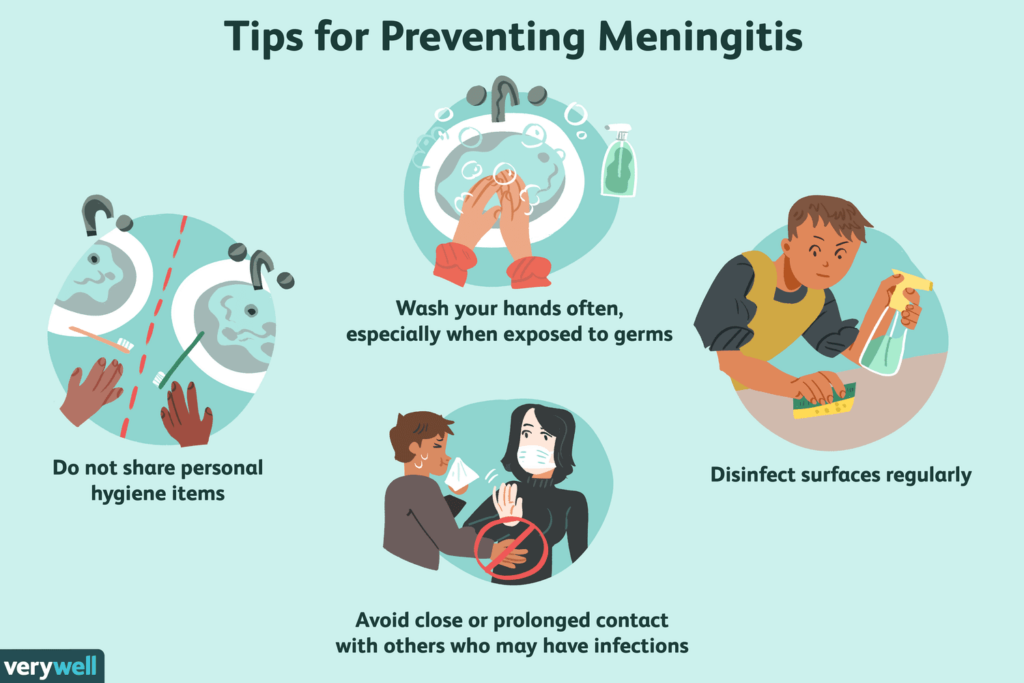
Practicing good hygiene can play a crucial role in preventing the spread of meningitis. This includes regularly washing your hands with soap and water for at least 20 seconds, especially before eating, after using the restroom, and after close contact with individuals who may be ill. Good hygiene practices also involve avoiding touching your face, mouth, or nose without washing your hands first, as this can introduce infectious agents into your body.
Avoiding close contact with infected individuals
If someone you know has been diagnosed with meningitis, it is important to avoid close contact with them until they have completed their treatment and are no longer contagious. This means refraining from hugging, kissing, sharing utensils, or being in close proximity to them during their infectious period. Following these precautions will help minimize the risk of transmission.
Boosting the immune system
Maintaining a healthy immune system can help reduce the risk of contracting meningitis. This includes adopting a healthy lifestyle with regular exercise, sufficient sleep, and a balanced diet. It is also essential to manage chronic conditions effectively and follow medical advice to ensure your immune system remains strong and capable of fighting off infections.
Safe food and water practices
Contaminated food and water can sometimes be a source of meningitis-causing bacteria or viruses. To minimize the risk, practice safe food handling and cooking techniques. Wash fruits and vegetables thoroughly, cook food to appropriate temperatures, and avoid consuming undercooked or raw foods. Drinking clean, purified water and avoiding potentially contaminated water sources is also important.
Avoiding tobacco smoke exposure
If you are a smoker, quitting smoking is highly recommended to reduce your risk of meningitis. Tobacco smoke can weaken the immune system, making you more susceptible to infections. Additionally, if you are a non-smoker, try to minimize your exposure to secondhand smoke as it can also compromise your immune system. Protecting yourself from smoke exposure is an important step in preventing meningitis.
Covering your mouth and nose when coughing or sneezing
Respiratory infections can facilitate the spread of meningitis. To minimize the risk, cover your mouth and nose with a tissue or your elbow when coughing or sneezing. This helps prevent the release of respiratory droplets containing infectious agents into the air. Remember to dispose of used tissues properly and wash your hands afterward to further reduce the risk of transmission.
Proper disposal of tissues
Used tissues can harbor infectious agents, including those that can cause meningitis. It is important to dispose of used tissues properly by placing them in a closed container or throwing them in a lined trash can. This will help prevent the spread of infection to others who may come into contact with the tissues.
Proper handwashing techniques
Washing your hands properly and regularly is essential in preventing the spread of meningitis. Use soap and water, and scrub your hands for at least 20 seconds, ensuring to clean all surfaces including the back of your hands, between your fingers, and under your nails. If soap and water are not available, use an alcohol-based hand sanitizer with at least 60% alcohol. Hand hygiene is a simple yet effective way to protect yourself and others from meningitis.
Avoiding sharing personal items
Avoiding the sharing of personal items can help minimize the risk of meningitis transmission. Items such as utensils, toothbrushes, drinks, or any other personal items that come into contact with the mouth or nose should not be shared. Sharing these items can create an avenue for the exchange of infectious agents and increase the chances of infection. It is best to use and clean your personal items regularly to reduce the risk.
By understanding the risk factors and taking appropriate precautions, you can significantly reduce your chances of developing meningitis. Remember to stay up to date with vaccinations, practice good hygiene, and avoid close contact with infected individuals. By prioritizing your health and following these guidelines, you can protect yourself and your loved ones from the serious consequences of meningitis.