Mesothelioma, a rare and aggressive form of cancer, has been linked to exposure to asbestos. In this article, we will explore the risk factors associated with mesothelioma and discuss the precautions that can be taken to minimize the chances of developing this disease. By understanding the potential causes and adopting preventive measures, you can better protect yourself and your loved ones from the devastating effects of mesothelioma.

Risk Factors for Mesothelioma
Mesothelioma is a devastating and aggressive cancer that primarily affects the lining of the lungs, abdomen, or heart. While anyone can develop mesothelioma, certain risk factors increase the likelihood of developing this disease. By understanding these risk factors, you can take precautions to minimize your risk and protect your health.
Exposure to Asbestos
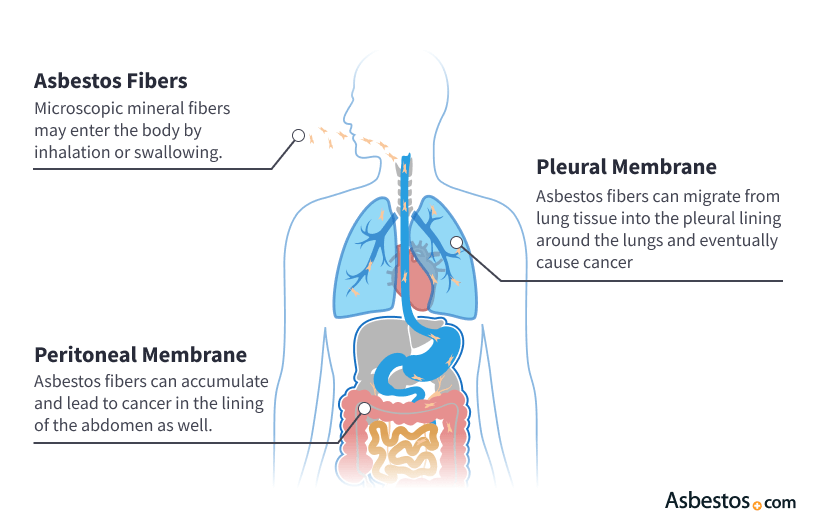
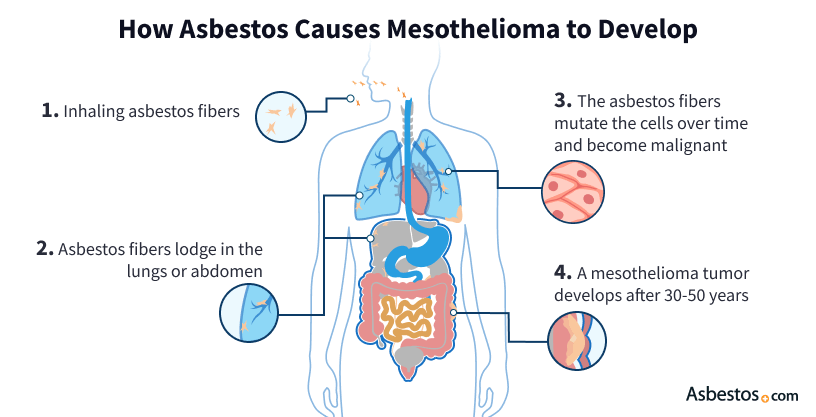
Exposure to asbestos is the leading cause of mesothelioma. Asbestos is a naturally occurring mineral that was widely used in various industries until its detrimental health effects became known. The tiny fibers of asbestos can easily become airborne when disturbed, and when inhaled or swallowed, they can embed themselves in the protective lining of organs, causing damage over time. If you have worked or lived in an environment where asbestos exposure was possible, such as construction sites, shipyards, or factories, you may have an increased risk of developing mesothelioma.
Family History
Although rare, there is evidence to suggest that mesothelioma may have a genetic predisposition. If you have a close family member, such as a parent or sibling, who has been diagnosed with mesothelioma, your risk of developing the disease may be higher. However, it is important to note that the majority of mesothelioma cases occur due to asbestos exposure rather than genetic factors.
Age
Age plays a significant role in the development of mesothelioma. The risk of developing this disease increases with age, with the majority of cases diagnosed in individuals over the age of 65. This is primarily because the harmful effects of asbestos take several decades to manifest. However, it is important to remember that mesothelioma can affect individuals of any age.
Gender
Studies have shown that mesothelioma affects men at a higher rate than women. This is likely due to the historically higher prevalence of asbestos exposure in male-dominated industries such as construction, manufacturing, and mining. However, it is essential to recognize that women can also develop mesothelioma, especially if they have had significant exposure to asbestos.
Smoking
Although smoking is not a direct cause of mesothelioma, it can significantly increase the risk of developing the disease in individuals already exposed to asbestos. Smoking weakens the lungs and reduces their ability to clear asbestos fibers, making smokers much more vulnerable to asbestos-related diseases. If you have a history of smoking and have been exposed to asbestos, it is crucial to prioritize smoking cessation to minimize your risk.
Radiation Exposure
Exposure to high levels of radiation, such as those experienced during certain medical treatments, can increase the risk of developing mesothelioma. Radiation therapy for other types of cancers, particularly in the chest area, may inadvertently damage healthy cells and increase the chances of developing mesothelioma later in life. If you have undergone radiation treatment, it is important to stay aware of any potential symptoms or changes in your health and inform your healthcare provider.
Certain Genetic Factors
While the exact role of genetics in mesothelioma development is still being researched, specific genetic factors have been found to increase the risk. Certain inherited gene mutations, such as BAP1 or NF2 gene mutations, have been associated with an increased susceptibility to mesothelioma. If you have a family history of mesothelioma or other known genetic risk factors, it may be beneficial to consult a genetic counselor and undergo genetic testing.
Certain Occupational Exposures
Certain occupations carry a higher risk of asbestos exposure and, consequently, a higher risk of developing mesothelioma. Industries such as construction, shipbuilding, automotive repair, insulation work, and asbestos mining have historically involved significant asbestos use. If you have worked in these industries or have had prolonged exposure to asbestos in your workplace, it is essential to be vigilant about your health and take appropriate precautions.
Chemical Exposure
In addition to asbestos, exposure to certain chemicals, such as erionite, can increase the risk of developing mesothelioma. Erionite is a naturally occurring mineral that shares similar characteristics with asbestos and is found in certain regions. Occupational exposure or living in areas with high erionite content may pose an increased risk. Understanding the potential risks of chemical exposure and taking appropriate preventive measures is crucial for minimizing the risk of mesothelioma.
Preexisting Lung Disease
Having preexisting lung conditions, such as chronic obstructive pulmonary disease (COPD) or lung scarring, can increase the risk of developing mesothelioma. These conditions may impair lung function and make it more difficult for the body to eliminate asbestos fibers effectively. If you have a preexisting lung disease, it is important to work closely with your healthcare provider to manage your condition and monitor any potential signs of mesothelioma.
Precautions to Minimize Risk
While it may not always be possible to completely eliminate the risk of mesothelioma, there are several precautions you can take to minimize your risk and protect your health.
Awareness and Education
One of the most crucial precautions is to educate yourself about the risks and signs of mesothelioma. By being aware of the potential sources of asbestos exposure and understanding the symptoms, you can take proactive measures to protect yourself and seek prompt medical attention if needed.
Avoidance of Asbestos Exposure
Avoiding exposure to asbestos is the most effective way to reduce the risk of mesothelioma. If you live in an older building or are planning renovation or demolition work, it is essential to have a professional assess the presence of asbestos. Additionally, if you work in an industry with a high risk of asbestos exposure, ensure that your workplace follows strict safety protocols and provides adequate protective measures.
Safe Removal and Handling of Asbestos
If you are involved in a renovation or demolition project that may disturb asbestos-containing materials, it is crucial to hire professionals with the expertise to safely remove and handle asbestos. Improper removal can release asbestos fibers into the air, posing a risk not only to yourself but also to others in the vicinity. Always prioritize the safety of yourself and those around you when dealing with asbestos-containing materials.
Occupational Safety Precautions
If your occupation involves potential asbestos exposure, it is important to follow all occupational safety precautions and utilize the necessary personal protective equipment. Employers have a responsibility to provide a safe work environment and should implement measures to minimize asbestos exposure, such as proper ventilation, engineering controls, and regular safety training.
Protective Clothing and Equipment
When working in environments where asbestos exposure is possible, it is crucial to wear appropriate protective clothing and equipment. This may include disposable coveralls, gloves, masks, and respiratory protection devices. Properly fitted protective gear can significantly reduce the risk of inhaling or coming into contact with asbestos fibers.
Regular Health Check-ups
Regular health check-ups, particularly for individuals with a known history of asbestos exposure, play a crucial role in early detection and timely intervention. Routine screenings, including imaging tests and pulmonary function tests, can help identify any abnormalities or early signs of mesothelioma. Early detection often leads to more treatment options and improved outcomes.
Smoking Cessation
If you are a smoker or have a history of smoking, quitting is essential to minimize your risk of developing mesothelioma. Smoking weakens the lungs and makes them more susceptible to asbestos-related diseases. By quitting smoking, you give your lungs the opportunity to heal and reduce the potential harm caused by asbestos exposure.
Avoidance of Environmental Toxins
Being mindful of and avoiding exposure to environmental toxins is crucial for overall health and minimizing the risk of mesothelioma. Limiting exposure to other harmful substances, such as secondhand smoke, air pollution, and industrial chemicals, can help protect your respiratory system and reduce the burden on your lungs.
Genetic Counseling and Testing
If you have a family history of mesothelioma or known genetic risk factors, genetic counseling and testing may provide valuable insights into your individual risk. A genetic counselor can assess your family history, discuss potential genetic factors, and provide personalized recommendations regarding preventive measures and surveillance.
Supportive Care Measures
If you have been diagnosed with mesothelioma or have an increased risk due to known risk factors, supportive care measures can help manage symptoms and improve quality of life. These may include pain management strategies, nutritional support, physical therapy, and emotional support through counseling or support groups. Seeking comprehensive care from healthcare professionals experienced in mesothelioma treatment is crucial for optimal management and support.
In conclusion, understanding the risk factors for mesothelioma and taking appropriate precautions are vital steps in protecting your health and minimizing your risk of developing this devastating cancer. By staying informed, taking preventive measures, and prioritizing your well-being, you can proactively safeguard yourself and promote a healthier future. Remember, your health is precious, and taking precautions is an investment in your well-being.