Metabolic Syndrome refers to a cluster of conditions that occur together, increasing the risks of heart disease, stroke, and diabetes. In order to prevent or manage this condition, it is crucial to understand its risk factors and take necessary precautions. By identifying common risk factors such as obesity, high blood pressure, high cholesterol, and insulin resistance, you can make informed lifestyle changes to reduce the likelihood of developing metabolic syndrome. Through a combination of regular exercise, a balanced diet, and maintaining a healthy weight, you can effectively safeguard yourself against these potential health risks.

Risk Factors for Metabolic Syndrome
Metabolic syndrome is a collection of risk factors that increase the chances of developing heart disease, stroke, and diabetes. It is important to be aware of these risk factors in order to take appropriate precautions and maintain a healthy lifestyle. Here, we will discuss the various factors that contribute to metabolic syndrome and how they can affect your health.
Obesity
Obesity plays a major role in the development of metabolic syndrome. It is defined as having excess body fat, typically measured by body mass index (BMI). BMI is calculated by dividing your weight in kilograms by the square of your height in meters. A BMI of 30 or higher is considered obese.
Obesity is closely linked to metabolic syndrome as it contributes to insulin resistance, high blood pressure, and abnormal cholesterol levels. Excess body fat, particularly around the waist, leads to an increase in visceral fat. Visceral fat, unlike subcutaneous fat, is stored deep within the abdominal cavity and is associated with inflammation and insulin resistance.
Insulin Resistance
Insulin resistance is another major factor in the development of metabolic syndrome. It occurs when the body’s cells become less responsive to the effects of insulin, a hormone that regulates blood sugar levels. As a result, the pancreas produces more insulin to compensate, eventually leading to high levels of insulin in the blood known as hyperinsulinemia.
Insulin resistance is closely tied to obesity and can contribute to the accumulation of visceral fat. It also impairs glucose tolerance, making it harder for the body to regulate blood sugar levels. In addition to promoting the development of metabolic syndrome, insulin resistance is a key factor in the development of type 2 diabetes.
Unhealthy Diet
A diet that is high in calories, unhealthy fats, and added sugars can significantly increase the risk of developing metabolic syndrome. Excessive caloric intake, particularly from processed and fast foods, can lead to weight gain and obesity.
Additionally, a diet high in unhealthy fats and cholesterol can raise blood cholesterol levels and increase the risk of cardiovascular disease. Added sugars and sweeteners, found in sugary beverages and processed foods, also contribute to weight gain and insulin resistance.
Sodium, found in high amounts in processed and packaged foods, can lead to high blood pressure, another component of metabolic syndrome. Finally, a diet low in fiber can impede proper digestion and hinder the body’s ability to maintain stable blood sugar levels.
Sedentary Lifestyle
Leading a sedentary lifestyle, characterized by a lack of physical activity, is a major risk factor for metabolic syndrome. Regular exercise is essential for maintaining a healthy weight, improving insulin sensitivity, and promoting overall cardiovascular health.
A sedentary lifestyle can lead to weight gain and obesity, as well as muscle insulin resistance. It can also contribute to lower metabolic rates, making it more difficult to burn calories and maintain a healthy weight. Adding physical activity to your daily routine, such as brisk walking or cycling, is crucial for reducing the risk of metabolic syndrome.
Family History
Having a family history of metabolic syndrome increases your chances of developing the condition. Genetic predisposition plays a role in determining an individual’s susceptibility to metabolic syndrome. Shared environmental factors, such as diet and lifestyle habits, within families can also contribute to the development of metabolic syndrome.
Although you cannot change your genetic makeup, being aware of your family history can help you take appropriate precautions and make necessary lifestyle changes to reduce your risk.
Age
As we age, our metabolism naturally slows down and hormonal shifts occur within our bodies. These changes can increase the risk of developing metabolic syndrome. Older adults are more likely to have higher blood pressure and cholesterol levels, as well as decreased insulin sensitivity.
Loss of lean body mass, known as sarcopenia, which often occurs with aging, can further contribute to metabolic syndrome. It is important to take proactive steps to maintain a healthy lifestyle as you age, including regular exercise, a balanced diet, and weight management, to reduce your risk.
Ethnicity
Certain ethnic groups have a higher prevalence of metabolic syndrome compared to others. These differences in metabolic traits are believed to be influenced by a combination of genetic factors, socioeconomic factors, and cultural dietary preferences.
For example, individuals of African, Hispanic, and South Asian descent are more likely to develop metabolic syndrome. It is important to be aware of these differences and adapt a personalized approach to managing metabolic syndrome based on your ethnicity and individual risk factors.
Hormonal Disorders
Hormonal disorders can also contribute to the development of metabolic syndrome. Conditions such as polycystic ovary syndrome (PCOS), Cushing’s syndrome, hypothyroidism, and hyperandrogenism can all affect insulin sensitivity and increase the risk of metabolic syndrome.
If you have been diagnosed with a hormonal disorder, it is important to work closely with your healthcare provider to manage your condition and reduce the risk of developing metabolic syndrome.
Certain Medications
Some medications, such as certain antipsychotics, antiretrovirals, and corticosteroids, can increase the risk of metabolic syndrome. These medications can affect lipid metabolism, insulin sensitivity, and body weight. If you are taking any of these medications, it is important to discuss with your healthcare provider about potential risks and strategies to manage your health effectively.
Sleep Apnea
Sleep apnea, a disorder characterized by interrupted breathing during sleep, has been associated with an increased risk of metabolic syndrome. Sleep apnea can contribute to the development of insulin resistance, higher blood pressure, and abnormal cholesterol levels.
If you suspect that you may have sleep apnea, it is important to consult with a healthcare professional for proper diagnosis and treatment. Treating sleep apnea can improve your overall health and reduce the risk of developing metabolic syndrome.
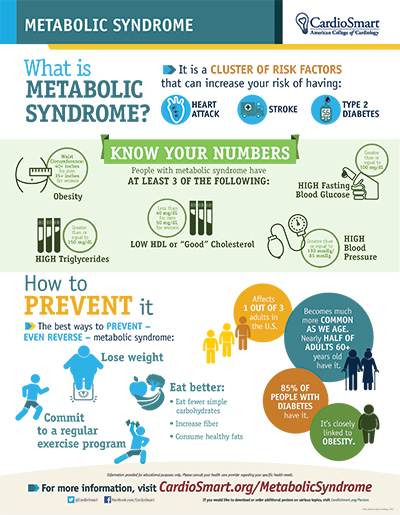
Precautions for Metabolic Syndrome
While the risk factors for metabolic syndrome may seem overwhelming, there are several precautions that can be taken to reduce your risk and manage the condition effectively. These precautions focus on adopting a healthy lifestyle, making dietary changes, exercising regularly, maintaining a healthy weight, managing stress, and regularly monitoring your health.
Healthy Lifestyle Changes
Making healthy lifestyle changes is the foundation for preventing and managing metabolic syndrome. This includes adopting a balanced and nutritious diet, engaging in regular physical activity, getting enough sleep, and managing stress effectively.
Proper Diet and Nutrition
Eating a proper diet is vital in managing metabolic syndrome. This includes consuming a variety of fruits, vegetables, whole grains, lean proteins, and healthy fats. Limiting processed foods, sugary beverages, and high sodium foods is important in reducing the risk of metabolic syndrome. Working with a registered dietitian can provide personalized guidance on developing a diet plan that fits your specific needs and goals.
Regular Exercise
Regular exercise is essential in reducing the risk of metabolic syndrome. Engaging in aerobic exercises, strength training, and flexibility exercises can help improve insulin sensitivity, promote weight loss, and maintain cardiovascular health. Aim for at least 150 minutes of moderate-intensity aerobic exercise or 75 minutes of vigorous-intensity exercise each week, along with muscle-strengthening activities on two or more days.
Weight Management
Maintaining a healthy weight is crucial in managing metabolic syndrome. If you are overweight or obese, losing weight through a combination of healthy eating and regular physical activity can have a significant impact on reducing the risk of metabolic syndrome. Aim for gradual and sustainable weight loss, focusing on long-term lifestyle changes rather than quick-fix diets.
Managing Stress
Stress can have a negative impact on your overall health and contribute to the development of metabolic syndrome. Finding healthy ways to manage stress, such as practicing relaxation techniques, engaging in hobbies, and maintaining social connections, can help reduce the risk of metabolic syndrome.
Monitoring Blood Pressure
Regularly monitoring your blood pressure is important in managing metabolic syndrome. High blood pressure is a significant component of metabolic syndrome, and keeping it within a healthy range can reduce the risk of cardiovascular disease and other complications. If you have high blood pressure, work with your healthcare provider to develop a plan to manage it effectively.
Controlling Blood Sugar Levels
Managing blood sugar levels is crucial in reducing the risk of metabolic syndrome and preventing the development of type 2 diabetes. This can be achieved through a combination of healthy eating, regular exercise, and, in some cases, medication. Regular blood sugar monitoring and working closely with your healthcare provider are important for effective management.
Quit Smoking and Limit Alcohol
Smoking and excessive alcohol consumption are detrimental to your health and can increase the risk of metabolic syndrome. Quitting smoking altogether and limiting alcohol consumption are important steps in reducing the risk of metabolic syndrome and its associated complications.
Treatment of Underlying Conditions
If you have been diagnosed with a hormonal disorder or any other underlying condition that contributes to metabolic syndrome, it is important to work closely with your healthcare provider to manage and treat the condition effectively. Following the recommended treatment plan can help reduce the risk of metabolic syndrome and improve your overall health.
Regular Health Check-ups
Regularly visiting your healthcare provider for check-ups and screenings is important in managing metabolic syndrome. Routine blood tests, cholesterol checks, and other screenings can help monitor your health and detect any changes or complications early on. Working with your healthcare provider to develop a personalized plan for managing metabolic syndrome is crucial for long-term success.
In conclusion, understanding the risk factors for metabolic syndrome and taking appropriate precautions is essential in maintaining a healthy lifestyle and reducing the risk of cardiovascular disease, stroke, and diabetes. By adopting healthy lifestyle habits, making dietary changes, exercising regularly, maintaining a healthy weight, and managing stress effectively, you can significantly reduce your risk of developing metabolic syndrome and improve your overall health. Remember to consult with your healthcare provider for personalized advice and guidance based on your individual risk factors and health status.