
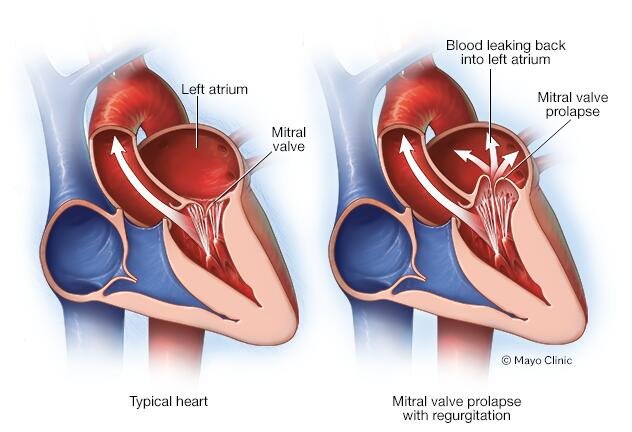
Mitral valve prolapse, a condition where the valve between the heart’s left atrium and ventricle doesn’t close properly, affects millions around the world. In this article, you will discover the various risk factors associated with this condition, such as genetics and certain medical conditions, as well as the precautions that can be taken to minimize its impact on your health. From lifestyle changes to regular check-ups, understanding the risk factors and taking necessary precautions is essential for managing mitral valve prolapse effectively and ensuring a healthy heart.
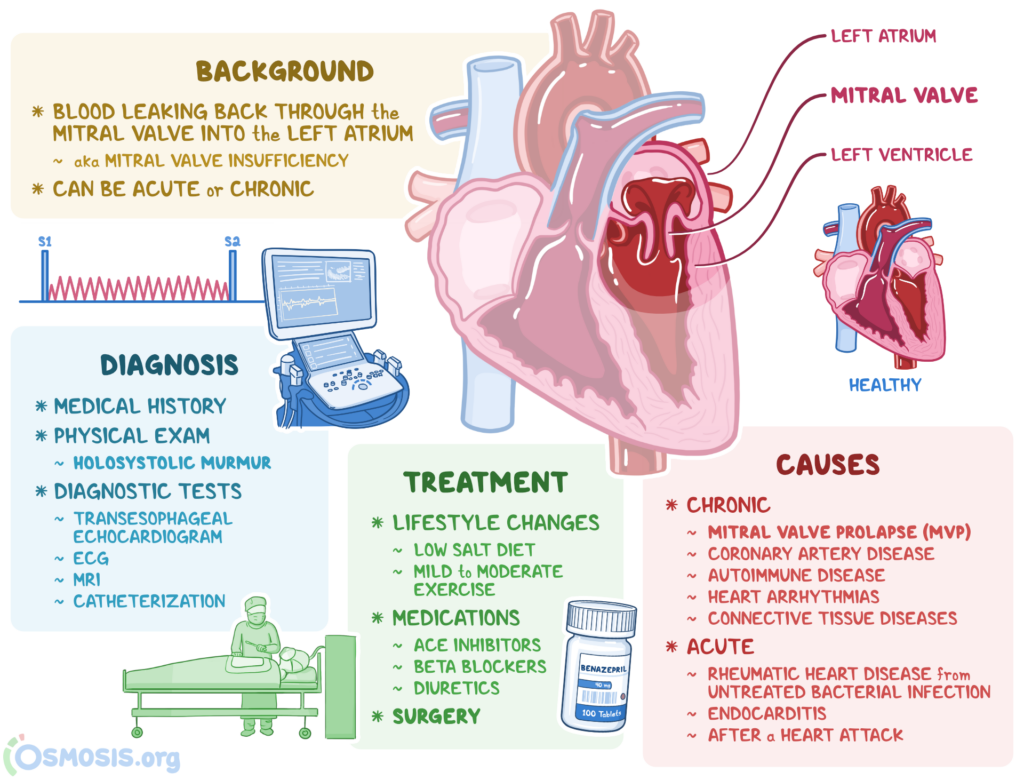
Risk Factors for Mitral Valve Prolapse
Mitral Valve Prolapse (MVP) is a condition where the flaps of the heart’s mitral valve don’t close properly, causing blood to leak back into the heart. While the exact cause of MVP is unknown, there are several risk factors that can increase your chances of developing this condition. It’s important to be aware of these risk factors and take precautions to protect your heart health.
Genetic Factors
One of the primary risk factors for MVP is genetic factors. If you have a family history of MVP, your chances of developing the condition are higher. In some cases, specific genetic disorders can also increase the risk of MVP, such as Marfan Syndrome, Ehlers-Danlos Syndrome, Loeys-Dietz Syndrome, and other inherited disorders. If you have a family history of MVP or any of these genetic disorders, it’s important to discuss this with your healthcare provider so that appropriate screenings and preventive measures can be taken.
Gender
Gender also plays a role in the risk factors for MVP. Prevalence studies suggest that females are more commonly affected by this condition compared to males. The reasons for this gender difference are not well understood, but it’s believed that hormonal and structural factors may contribute to this disparity. It’s important for both males and females to be aware of the signs and symptoms of MVP and seek medical attention if any concerns arise.
Age
MVP can occur at any age, but the risk factors may vary across different stages of life. In childhood, the condition is often detected incidentally and may resolve on its own without causing any symptoms or complications. During adolescence, the risk factors may increase, and symptoms may start to appear. In adulthood, the risk factors for MVP may stabilize, but it’s still important to monitor your heart health and seek medical attention if any symptoms occur.
Connective Tissue Disorders
Connective tissue disorders are another set of risk factors for MVP. Disorders such as Marfan Syndrome, Ehlers-Danlos Syndrome, Loeys-Dietz Syndrome, and other inherited disorders can weaken the connective tissues that support the mitral valve, leading to its prolapse. People with these connective tissue disorders should be especially vigilant about their heart health and work closely with their healthcare providers to manage their condition.
Other Heart Conditions
Having certain heart conditions can also increase the risk of developing MVP. Aortic valve abnormalities, atrial septal defect, ventricular septal defect, patent ductus arteriosus, cardiomyopathy, and coronary artery disease are among the heart conditions that may predispose individuals to MVP. If you have any of these heart conditions, it’s essential to work closely with your healthcare provider to monitor your heart health and manage any potential complications.
Previous Heart Surgery
Previous heart surgeries, such as valve replacement surgery, coronary artery bypass surgery, or other heart surgeries, can also be risk factors for developing MVP. These surgeries can sometimes affect the structure or function of the mitral valve, increasing the chances of prolapse. If you have undergone any heart surgeries in the past, it’s crucial to monitor your heart health regularly and discuss any concerns with your healthcare provider.
Infections
Certain infections can also increase the risk of developing MVP. Rheumatic fever, which is a complication of untreated strep throat, can damage the heart valves, including the mitral valve, leading to MVP. Endocarditis, an infection of the inner lining of the heart, can also cause damage to the mitral valve. It’s important to practice good hygiene, promptly treat any infections, and follow your healthcare provider’s recommendations to reduce the risk of developing MVP.
Obesity
Obesity is a known risk factor for a wide range of cardiovascular conditions, and MVP is no exception. Excess weight puts additional strain on the heart, increasing the likelihood of valve abnormalities, including MVP. Body Mass Index (BMI) is commonly used as an indicator of obesity. Maintaining a healthy weight through regular exercise, balanced diet, and lifestyle modifications can help reduce the risk of MVP and other heart-related complications.
High Blood Pressure
High blood pressure, or hypertension, is a risk factor for various heart conditions, including MVP. Chronically elevated blood pressure can strain the heart and lead to changes in the structure and function of the mitral valve. It’s important to monitor and manage your blood pressure levels through lifestyle modifications, such as a healthy diet, regular exercise, stress management, and potentially medication, as recommended by your healthcare provider.
Stress
While stress itself may not directly cause MVP, it can worsen the symptoms and complications of the condition. Stress can elevate blood pressure, increase heart rate, and trigger arrhythmias, which can exacerbate MVP symptoms. It’s essential to develop healthy coping mechanisms for managing stress, such as practicing relaxation techniques, engaging in hobbies, maintaining social connections, and seeking professional help if necessary.
Support and Education
Being diagnosed with MVP can be overwhelming, but there are resources available to provide support and education. Patient support groups can connect you with others who have experienced similar challenges and provide a sense of community. These groups can also offer valuable insights, tips, and emotional support. Additionally, there are educational resources available, such as books, websites, and educational materials, which provide comprehensive information about MVP, its risk factors, and management strategies. Being well-informed about the condition can empower you to take better care of your heart health and make informed decisions regarding treatment options.
In conclusion, while the exact cause of MVP is not fully understood, there are several risk factors that can increase the chances of developing this condition. Genetic factors, gender, age, connective tissue disorders, other heart conditions, previous heart surgery, infections, obesity, high blood pressure, and stress all play a role in MVP risk. By being aware of these risk factors and taking appropriate preventive measures, such as maintaining a healthy lifestyle, managing underlying conditions, and seeking regular medical care, you can reduce the likelihood of developing MVP and promote your overall heart health. Remember, if you have any concerns or symptoms related to MVP or your heart health, it’s always best to consult your healthcare provider for personalized guidance and care.
