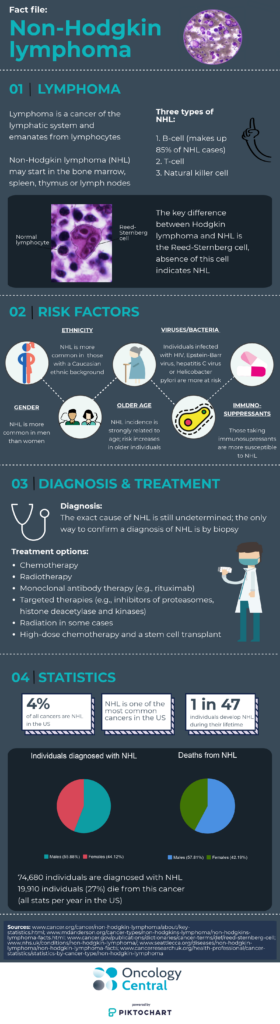
Non-Hodgkin’s Lymphoma is a type of cancer that affects the lymph system, which plays a vital role in the body’s immune system. This article provides valuable insights into the risk factors associated with developing Non-Hodgkin’s Lymphoma and the precautions one can take to reduce the chances of its occurrence. By understanding these risk factors and implementing precautionary measures, you can make informed choices for a healthier and potentially lymphoma-free life. So, let’s explore the various factors that may contribute to this condition and discover the steps you can take to protect yourself.
Risk Factors
Non-Hodgkin’s lymphoma (NHL) is a type of cancer that affects the lymphatic system. While the exact cause of NHL is still unknown, there are several risk factors that may increase your chances of developing this condition. Understanding these risk factors can help you make informed decisions about your health and take necessary precautions.
Age
Age is a significant risk factor for NHL. The likelihood of developing this cancer increases as you get older. While NHL can affect individuals of any age, it is more commonly diagnosed in adults over the age of 60. However, children and adolescents can also be at risk.
It is important to be aware of the signs and symptoms of NHL, regardless of your age. Early detection and timely treatment can significantly improve the prognosis.
Gender
Gender can also play a role in the risk of developing NHL. Studies have shown that men are slightly more likely to be affected by this cancer than women. However, it is important to note that both men and women can develop NHL.
Weakened Immune System
Having a weakened immune system can increase the risk of developing NHL. Certain medical conditions, such as HIV/AIDS, and organ transplantation can suppress the immune system, making the body more susceptible to cancer.
Autoimmune diseases, which cause the immune system to attack healthy cells, also increase the risk. Additionally, certain medications, like those used to suppress the immune system after an organ transplant, can make individuals more vulnerable to NHL.
Previous Cancer Treatment
Individuals who have undergone previous cancer treatments, such as radiation therapy or chemotherapy, may have an increased risk of developing NHL. While these treatments are essential in fighting cancer, they can also damage healthy cells and increase the risk of developing secondary cancers like NHL.
Certain drugs, such as those used to treat rheumatoid arthritis, can also increase the risk of developing NHL.
Exposure to Certain Chemicals and Radiation
Exposure to certain chemicals and radiation can increase the risk of NHL. Pesticides, solvents, insecticides, and hair dyes are examples of chemicals that have been associated with a higher risk of this cancer.
Additionally, exposure to radiation, either from medical procedures or environmental sources, can increase the risk of developing NHL. It is important to be cautious and limit exposure to harmful chemicals and radiation whenever possible.
Infections and Medical Conditions
Certain infections and medical conditions have been linked to an increased risk of NHL. Infection with Helicobacter pylori, a bacterium associated with stomach ulcers, has been found to increase the risk of a specific type of NHL called gastric MALT lymphoma.
Other viral infections, such as Epstein-Barr virus (EBV) and human T-lymphotropic virus (HTLV-1), have also been associated with an increased risk of NHL. Additionally, autoimmune diseases, primary immunodeficiencies, and inflammatory bowel disease can increase the risk.
Understanding these risk factors can help you take precautions to reduce your risk of developing NHL. Here are some important precautions you can take:
Precautions
Regular Medical Check-ups
Regular medical check-ups are crucial in monitoring your health and detecting any potential issues early on. Make sure to schedule regular visits with your healthcare provider to discuss any concerns or changes in your health.
Maintaining a Healthy Lifestyle
Maintaining a healthy lifestyle can significantly reduce the risk of developing NHL. This includes adopting a balanced diet rich in fruits, vegetables, and whole grains, engaging in regular physical activity, and avoiding tobacco and excessive alcohol consumption.
Avoiding Exposure to Harmful Chemicals and Radiation
Whenever possible, limit your exposure to harmful chemicals and radiation. Be cautious when using pesticides, solvents, insecticides, and hair dyes. If your occupation involves working with these chemicals, make sure to follow safety protocols and use protective equipment.
Additionally, be mindful of radiation exposure. Limit unnecessary medical procedures involving radiation and protect yourself from excessive sun exposure by using sunscreen and seeking shade when outdoors.
Protecting Against Infections
Taking steps to protect yourself against infections is essential in reducing the risk of NHL. Practice good hygiene by washing your hands regularly, especially before eating or touching your face. If you travel to areas with a higher risk of certain infections, such as malaria or hepatitis, consider getting vaccinated or taking preventive medications.
Vaccinations
Certain vaccinations can help protect against infections that have been linked to an increased risk of NHL. Consult with your healthcare provider to ensure you are up to date on recommended vaccinations, such as those for hepatitis B, HPV, and influenza.
Avoiding Sharing Needles and Unsafe Sexual Practices
Sharing needles and engaging in unsafe sexual practices can increase the risk of infections that are associated with NHL. It is important to always use clean needles and practice safe sex to reduce the risk of acquiring infections.
Early Detection and Treatment of Infections and Medical Conditions
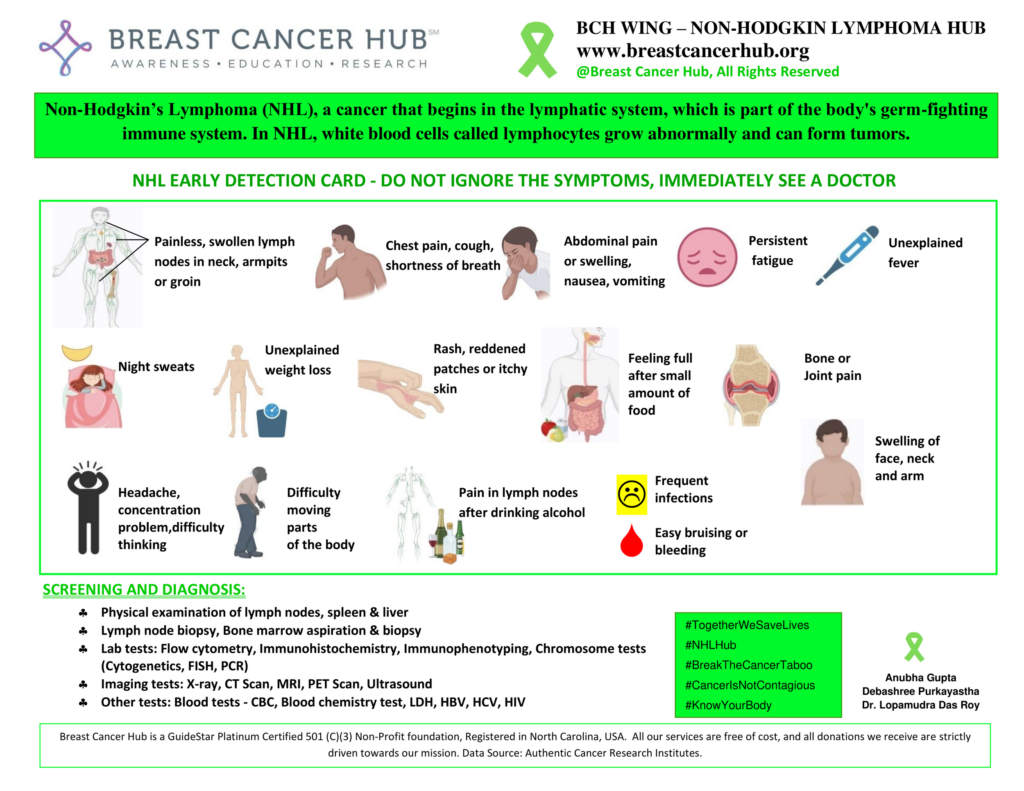
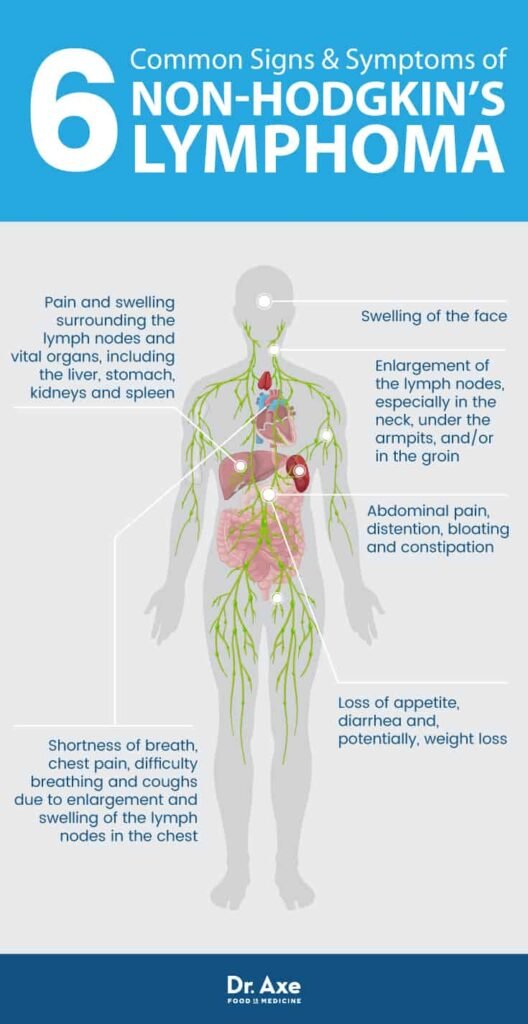
Prompt detection and treatment of infections and medical conditions can help minimize the risk of NHL. If you experience symptoms such as persistent fatigue, unexplained weight loss, swollen lymph nodes, or night sweats, consult with your healthcare provider for diagnosis and appropriate treatment.
Monitoring and Managing Weakened Immune Systems
If you have a weakened immune system, it is crucial to work closely with your healthcare provider to monitor and manage your condition effectively. Follow their recommendations regarding medications, lifestyle modifications, and regular check-ups to reduce the risk of developing NHL.
Adhering to Cancer Treatment Guidelines
If you have previously undergone cancer treatment or are currently undergoing treatment, it is essential to adhere to the recommended guidelines. Follow your healthcare provider’s instructions regarding follow-up appointments, reporting any side effects, and completing the full course of treatment.

Regular Medical Check-ups
Regular medical check-ups are an important aspect of maintaining good health. During these visits, your healthcare provider will assess your overall well-being and may perform various screenings or diagnostic tests to detect any potential health issues, including NHL.
Healthcare Provider Visits
Make it a priority to schedule regular visits with your healthcare provider. They will be able to monitor your overall health and discuss any concerns you may have. This is especially important if you have any risk factors or a family history of cancer.
Screenings and Diagnostic Tests
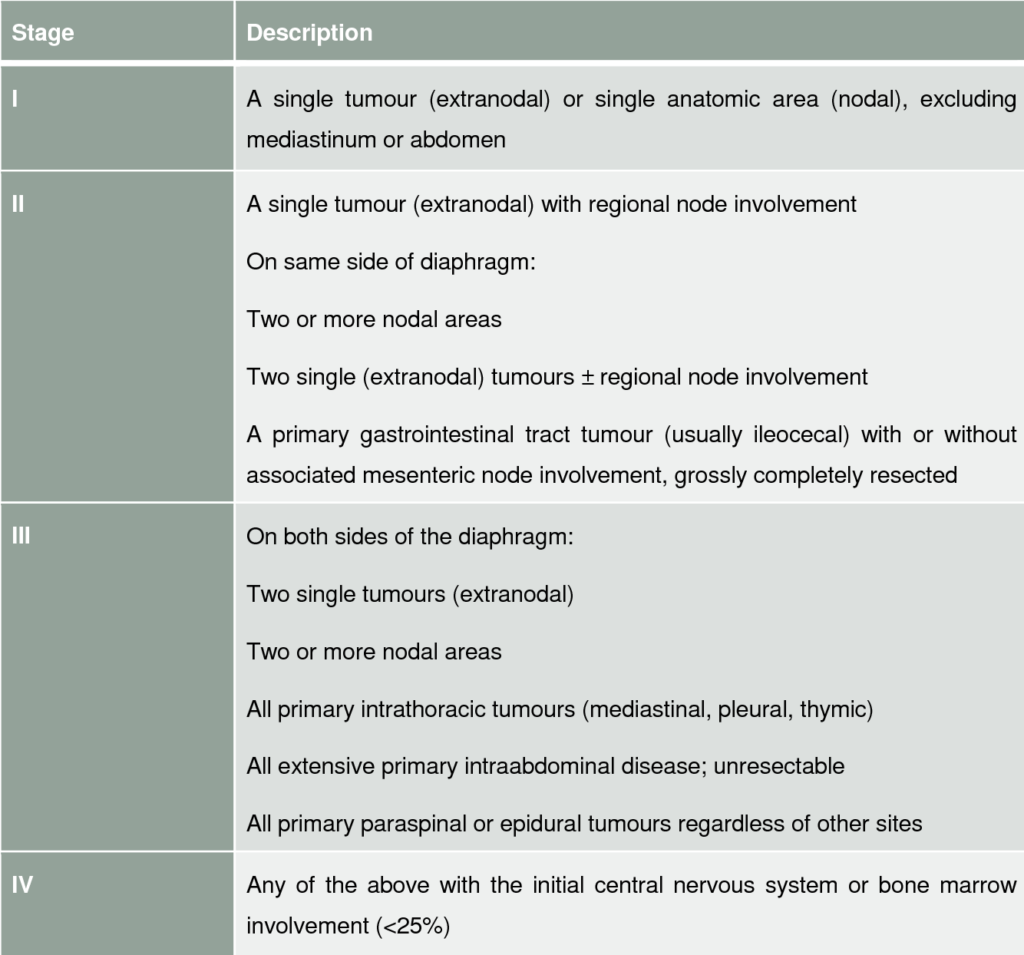
Depending on your risk factors and symptoms, your healthcare provider may recommend certain screenings or diagnostic tests to detect NHL. These can include blood tests, imaging studies like CT scans or MRIs, or a biopsy to collect tissue samples for further analysis. These tests can help determine if further treatment or monitoring is necessary.
Adhering to Cancer Treatment Guidelines
If you have already undergone cancer treatment or are currently undergoing treatment, it is crucial to adhere to the recommended guidelines. This ensures that you receive the maximum benefit from the treatment and minimize the risk of complications or recurrence.
Follow Treatment Plans
Follow the treatment plan recommended by your healthcare provider. This may include chemotherapy, radiation therapy, immunotherapy, or a combination of treatments. Adhering to the treatment plan will help maximize its effectiveness and improve your chances of successful outcomes.
Report Side Effects
During treatment, it is important to report any side effects to your healthcare provider promptly. They can provide appropriate management strategies to help alleviate these side effects and ensure you are receiving optimal care.
Attend Follow-up Appointments
Attending all scheduled follow-up appointments is crucial in monitoring your progress and identifying any signs of recurrence or complications. Your healthcare provider will perform regular examinations and may order additional tests to ensure your overall health and well-being.
In conclusion, understanding the risk factors associated with NHL and taking appropriate precautions can help reduce the risk of developing this cancer. Maintain a healthy lifestyle, limit exposure to harmful chemicals and radiation, protect against infections, and adhere to recommended guidelines for both prevention and treatment. Regular medical check-ups and screenings are essential, along with actively participating in your healthcare by reporting any concerns or side effects. By being proactive and taking necessary precautions, you can take control of your health and reduce the risk of NHL.