
Nonallergic rhinitis, a condition that causes nasal inflammation and congestion, can be a major source of frustration and discomfort for those affected. In this article, we will explore the various risk factors associated with nonallergic rhinitis, as well as provide important precautions that can help prevent or alleviate its symptoms. Whether you have personally experienced this ailment or are simply curious about its causes and prevention, this article will serve as a valuable resource to enhance your understanding and well-being.
Risk Factors for Nonallergic Rhinitis
Nonallergic rhinitis is a condition characterized by inflammation of the nasal passages, leading to symptoms such as a runny or stuffy nose, sneezing, and post-nasal drip. While the exact cause of nonallergic rhinitis is unclear, there are several risk factors that can increase your likelihood of developing this condition. By understanding these risk factors, you can take precautionary measures to prevent the onset of nonallergic rhinitis and manage your symptoms effectively.
Gender
One of the risk factors for nonallergic rhinitis is gender. It has been observed that women are more likely to develop this condition than men. The exact reasons for this gender disparity are not fully understood, but hormonal changes, which women experience more often, may play a role in triggering nonallergic rhinitis symptoms. It is important for women to be aware of this risk factor and take precautions accordingly.
Age
Age is another risk factor for nonallergic rhinitis. This condition commonly affects adults, particularly those over the age of 40. As we age, various physiological changes occur in our bodies, including changes in the nasal passages and immune system. These changes can contribute to the development of nonallergic rhinitis. If you are in this age group, it is essential to be mindful of the symptoms and take the necessary precautions to prevent the onset of nonallergic rhinitis.
Hormonal Changes
Hormonal changes, particularly in women, can increase the risk of nonallergic rhinitis. Fluctuations in estrogen levels during menstrual cycles, pregnancy, and menopause can trigger nasal inflammation and congestion, leading to nonallergic rhinitis symptoms. It is important for women to be aware of these hormonal changes and manage them effectively to reduce the risk of developing nonallergic rhinitis.
Occupational Exposure
Certain occupational exposures can increase the risk of nonallergic rhinitis. Various substances found in various work environments, such as chemicals, dust, fumes, or strong odors, can irritate the nasal passages and lead to the development of nonallergic rhinitis symptoms. If you work in an environment where you are exposed to these substances, it is crucial to take appropriate precautions, such as wearing protective gear, to minimize your risk.
Environmental Factors
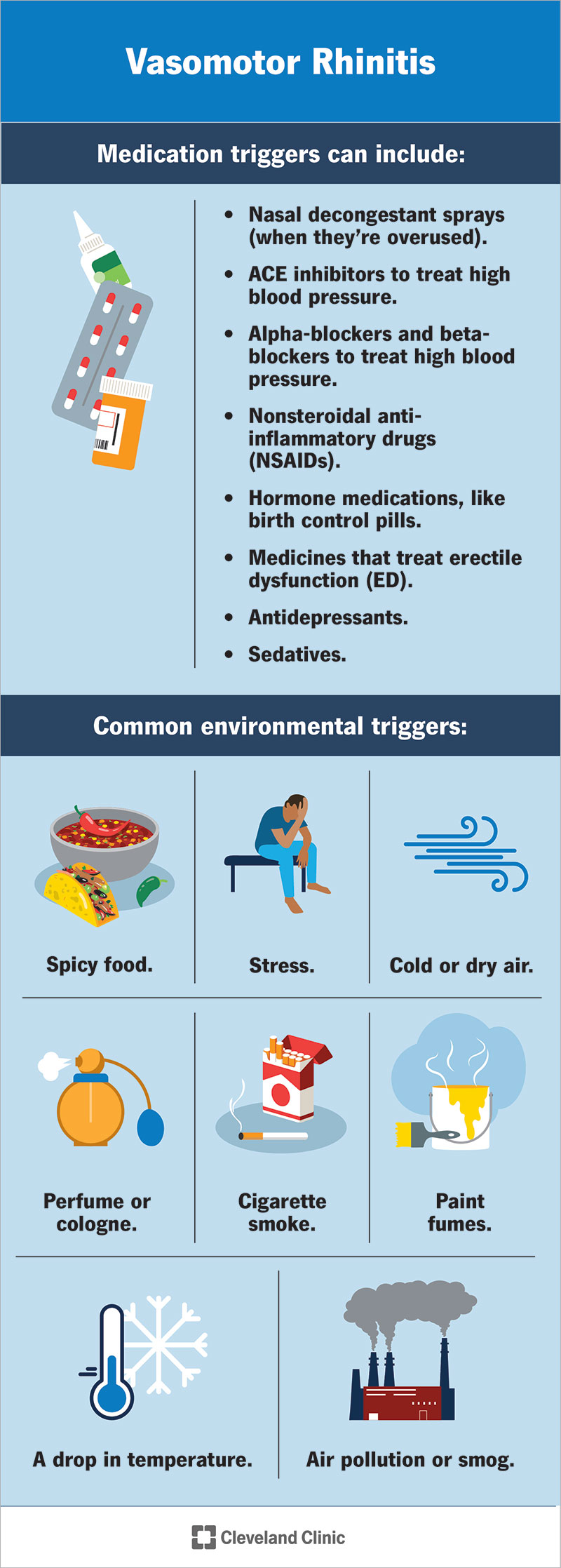
Environmental factors, such as air pollution, can also contribute to the development of nonallergic rhinitis. Exposure to pollutants can irritate the nasal passages and trigger symptoms like a runny or stuffy nose. To reduce your risk, it is essential to limit your exposure to polluted air and maintain a clean and well-ventilated living environment.
Smoking and Secondhand Smoke
Both smoking and secondhand smoke can significantly increase the risk of nonallergic rhinitis. The chemicals present in tobacco smoke can irritate the nasal passages, leading to inflammation and congestion. If you are a smoker, quitting smoking is crucial not only for reducing the risk of nonallergic rhinitis but also for overall health. Additionally, limiting your exposure to secondhand smoke is equally important to prevent the onset of this condition.
Weather Changes
Changes in weather can trigger nonallergic rhinitis symptoms in some individuals. Cold weather, for example, can cause the nasal passages to constrict, leading to nasal congestion and discomfort. Similarly, dry or windy weather conditions can also exacerbate nonallergic rhinitis symptoms. By being mindful of these weather changes, you can take precautions, such as wearing warm clothing or using a humidifier, to minimize the impact on your nasal passages.
Medications
Certain medications can increase the risk of nonallergic rhinitis. Nasal decongestant sprays, when used for an extended period, can cause rebound congestion, making the symptoms worse. This condition is known as rhinitis medicamentosa. In some cases, other medications such as blood pressure medications or antidepressants may also contribute to the development of nonallergic rhinitis symptoms. If you are taking any medications, it is important to discuss the potential side effects with your healthcare provider.
Medical Conditions
Certain medical conditions can predispose individuals to nonallergic rhinitis. For example, individuals with chronic rhinitis, sinusitis, or other respiratory conditions may be more prone to developing nonallergic rhinitis. Additionally, individuals with underlying immune system disorders or autoimmune diseases may also have an increased risk. If you have such medical conditions, it is essential to work closely with your healthcare provider to manage your symptoms effectively.
Compromised Immune System
A compromised immune system can increase the risk of nonallergic rhinitis. When your immune system is weakened, it becomes less effective in defending against infections and allergens, leading to an increased susceptibility to nasal inflammation and congestion. It is vital to take measures to support and strengthen your immune system, such as maintaining a healthy lifestyle, eating a balanced diet, and getting regular exercise.

Precautions and Prevention Measures
While it may not be possible to completely prevent nonallergic rhinitis, there are several precautions and prevention measures you can take to minimize your risk and manage your symptoms effectively. By incorporating these practices into your daily routine, you can reduce the impact of nonallergic rhinitis on your life.
Avoiding Triggers
Identifying and avoiding triggers is crucial in preventing nonallergic rhinitis symptoms. Keep a record of when your symptoms worsen or improve and try to identify any patterns. Common triggers include irritants like dust, pet dander, strong odors, and certain foods. By avoiding these triggers as much as possible, you can significantly reduce the frequency and severity of your symptoms.
Maintaining Humidity Levels
Maintaining optimal humidity levels in your living environment can help alleviate nonallergic rhinitis symptoms. Dry air can irritate the nasal passages, while excessive humidity can promote the growth of mold and dust mites, which can trigger allergic reactions. Using a humidifier or dehumidifier, depending on the need, can help maintain an ideal humidity level and reduce nasal irritation.
Keeping a Clean Environment
Regular cleaning of your living spaces is essential to minimize exposure to allergens and irritants. Dust surfaces regularly, vacuum carpets and upholstery, and wash bedding regularly to reduce the presence of dust mites and other allergens. Keep pets out of bedrooms and clean air filters regularly to maintain clean and healthy indoor air quality.
Avoiding Smoke Exposure
As mentioned earlier, smoking and secondhand smoke are significant risk factors for nonallergic rhinitis. Quitting smoking is the best way to reduce your risk and improve your overall health. Additionally, avoid exposure to secondhand smoke by maintaining smoke-free living spaces and avoiding areas where smoking is allowed.
Wearing Protective Gear
If you work in an environment with occupational exposure to irritants, wearing appropriate protective gear is essential. Protective masks, goggles, gloves, or other equipment can help minimize your exposure to substances that can irritate your nasal passages and contribute to nonallergic rhinitis symptoms. Consult with your employer or safety guidelines to determine the necessary gear for your specific work environment.
Managing Stress Levels
Stress can have a significant impact on your overall health, including your immune system and nasal passages. High-stress levels can increase the risk of nonallergic rhinitis symptoms. Finding effective stress management techniques, such as meditation, deep breathing exercises, or engaging in hobbies and activities you enjoy, can help reduce your stress levels and minimize the impact on your nasal passages.
Regular Exercise and a Balanced Diet
Maintaining a healthy lifestyle is crucial in preventing nonallergic rhinitis. Regular exercise can boost your immune system and reduce the risk of respiratory conditions. A balanced diet rich in fruits, vegetables, lean proteins, and whole grains provides essential nutrients to support your immune system and overall health. Incorporating these habits into your daily routine can make a significant difference in preventing and managing nonallergic rhinitis symptoms.
Keeping Hydrated
Proper hydration is essential for maintaining healthy nasal passages. Drinking an adequate amount of water helps thin nasal secretions and reduces the risk of nasal congestion. Aim to drink at least eight glasses of water per day, and avoid excessive caffeine or alcohol intake, as these can contribute to dehydration.
Proper Sleep Hygiene
Getting enough quality sleep is essential for overall health and can also help manage nonallergic rhinitis symptoms. Poor sleep can weaken your immune system and increase the risk of nasal congestion. Establish a regular sleep schedule, create a comfortable sleep environment, and practice good sleep hygiene habits, such as avoiding electronic devices before bedtime, to promote restful sleep.
Maintaining a Healthy Lifestyle
Adopting and maintaining a healthy lifestyle is perhaps one of the most crucial aspects of preventing nonallergic rhinitis. This includes practicing good hygiene, such as washing hands regularly, avoiding close contact with individuals who have respiratory infections, and staying up to date with immunizations. By taking these steps, you can reduce your risk of developing nonallergic rhinitis and ensure a healthier and more comfortable life.
In conclusion, nonallergic rhinitis can significantly impact your quality of life, but by understanding its risk factors and taking precautionary measures, you can effectively manage this condition. By adopting healthy habits, avoiding triggers, and creating a clean and supportive environment, you can reduce your risk of developing nonallergic rhinitis and minimize its impact on your daily life. It is important to consult with a healthcare professional for a comprehensive evaluation and personalized guidance on managing nonallergic rhinitis symptoms. Remember, prevention is always better than cure, and taking steps to protect your nasal health will benefit you in the long run.
