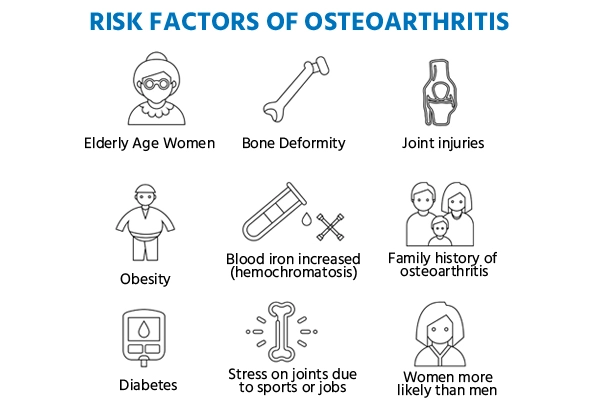
Are you concerned about the potential risk factors associated with developing osteoarthritis? This article aims to provide you with a concise overview of the factors that could contribute to the development of this condition, as well as precautionary measures that can be taken to reduce the likelihood of its occurrence. By understanding the potential risk factors and implementing appropriate precautions, you can work towards maintaining healthy joints and minimizing the impact of osteoarthritis in your life.

Risk Factors for Osteoarthritis
Osteoarthritis is a common condition that affects millions of people around the world. As you age, your risk of developing osteoarthritis increases. Beyond age, there are several other risk factors that can contribute to the development of this condition. It is important to be aware of these risk factors and take preventative measures to reduce your chances of developing osteoarthritis.
Age
One of the primary risk factors for osteoarthritis is age. As you grow older, your joints begin to degenerate and wear down, leading to the development of osteoarthritis. This general degeneration can affect all joints in your body, including the knees, hips, hands, and spine. The wear and tear of cartilage, which acts as a cushion between bones, is also a key contributor to osteoarthritis as you age.
Gender
Gender can also play a role in the development of osteoarthritis. Studies have shown that women are more likely to develop osteoarthritis compared to men. The reasons for this gender disparity are not yet fully understood, but hormonal factors may play a role. It is important for women to be aware of this increased risk and take steps to protect their joint health.
Obesity
Obesity is another significant risk factor for osteoarthritis. The excess weight puts additional strain on weight-bearing joints such as the knees, hips, and spine. This increased pressure can accelerate the breakdown of cartilage and lead to the development of osteoarthritis. Additionally, obesity can increase inflammation in the body, which further contributes to the development of the condition. Maintaining a healthy weight through regular exercise and a balanced diet is crucial in reducing the risk of osteoarthritis.
Joint Injuries
Traumatic accidents, occupational injuries, and sports injuries can all increase the risk of developing osteoarthritis. When a joint is injured, the damage can accelerate the breakdown of cartilage and increase the likelihood of developing osteoarthritis in the affected joint. It is vital to take precautions to prevent injuries, such as wearing protective gear during sports activities and practicing safety measures in the workplace.
Occupational Factors
Certain occupational factors can also contribute to the development of osteoarthritis. Jobs that involve repetitive joint stress, heavy physical work, and awkward postures can increase the strain on your joints. These factors can accelerate the degeneration of cartilage and lead to the onset of osteoarthritis. If your occupation involves any of these risk factors, it is important to take regular breaks, practice proper ergonomics, and wear supportive gear to protect your joints.
Genetics
Family history and inherited bone and joint disorders can also increase your risk of developing osteoarthritis. If you have a close relative with osteoarthritis or another joint-related disorder, you may be genetically predisposed to the condition. It is important to be aware of your family history and discuss it with your healthcare provider. They can offer guidance on how to manage your joint health and reduce your risk of developing osteoarthritis.
Other Medical Conditions
Several other medical conditions can increase the likelihood of developing osteoarthritis. Rheumatoid arthritis, gout, diabetes, hemochromatosis, and joint infections are all associated with an increased risk of developing osteoarthritis. These conditions can cause inflammation and damage to the joints, leading to the onset of osteoarthritis. If you have any of these medical conditions, it is essential to work closely with your healthcare provider to manage and treat them effectively.
Muscle Weakness
Muscle weakness can also contribute to the development of osteoarthritis. When the muscles surrounding a joint are weak, they provide less support, leading to increased strain on the joint itself. This can result in accelerated cartilage breakdown and the onset of osteoarthritis. Regular exercise and strength training can help strengthen the muscles around your joints, thereby reducing the risk of osteoarthritis.
Bone Deformities
Certain bone deformities can increase the risk of developing osteoarthritis. These deformities can alter the alignment and mechanics of your joints, leading to uneven wear and tear on the cartilage. Conditions such as hip dysplasia or structural abnormalities in the knees can increase the likelihood of osteoarthritis. If you have any bone deformities, it is important to work with a healthcare professional to manage and monitor your joint health.
Certain Sports and Activities
Engaging in certain sports and activities can increase the risk of developing osteoarthritis, especially if they involve repetitive joint stress or impact. Sports such as soccer, football, basketball, and running can put significant strain on the joints, accelerating the wear and tear of cartilage. It is important to engage in these activities in a safe and controlled manner, wearing protective gear and practicing proper technique to reduce the risk of developing osteoarthritis.

Get Regular Check-ups
Regular check-ups with your healthcare provider are essential in monitoring and maintaining your joint health. They can assess your risk factors and offer personalized advice on how to prevent or manage osteoarthritis effectively. Early detection and treatment of any concerning symptoms can make a significant difference in your long-term joint health.
Monitoring Joint Health
During check-ups, your healthcare provider can assess the health of your joints through physical examinations and medical imaging techniques such as X-rays or MRIs. They can monitor any changes in your joint health and identify early signs of osteoarthritis. Regular monitoring allows for timely interventions and preventative measures to be implemented.
Early Detection and Treatment
Early detection of osteoarthritis is crucial in managing the condition effectively. With early intervention, lifestyle modifications, physical therapy, pain management techniques, and other treatments can be implemented to slow down the progression of the disease and improve your quality of life. Regular check-ups can ensure that any concerning symptoms are addressed promptly, allowing for early detection and treatment.
In conclusion, understanding the risk factors for osteoarthritis and taking preventative measures is essential in reducing your chances of developing this condition. Age, gender, obesity, joint injuries, occupational factors, genetics, other medical conditions, muscle weakness, bone deformities, and certain sports and activities all play a role in the development of osteoarthritis. By being aware of these risk factors and taking steps to mitigate them, you can prioritize your joint health and maintain an active and pain-free lifestyle. Remember to schedule regular check-ups with your healthcare provider to monitor and manage your joint health effectively.