Plantar fasciitis, a common condition that causes heel pain, can be quite debilitating if left untreated. In this article, you will discover the key risk factors associated with plantar fasciitis, as well as the precautions you can take to prevent its onset or manage its symptoms. Whether you are an avid runner, spend long hours standing on your feet, or simply have a predisposition for this condition, understanding the factors that contribute to plantar fasciitis and implementing effective precautions will enable you to maintain a healthy and pain-free lifestyle.

Risk factors for Plantar Fasciitis
Age
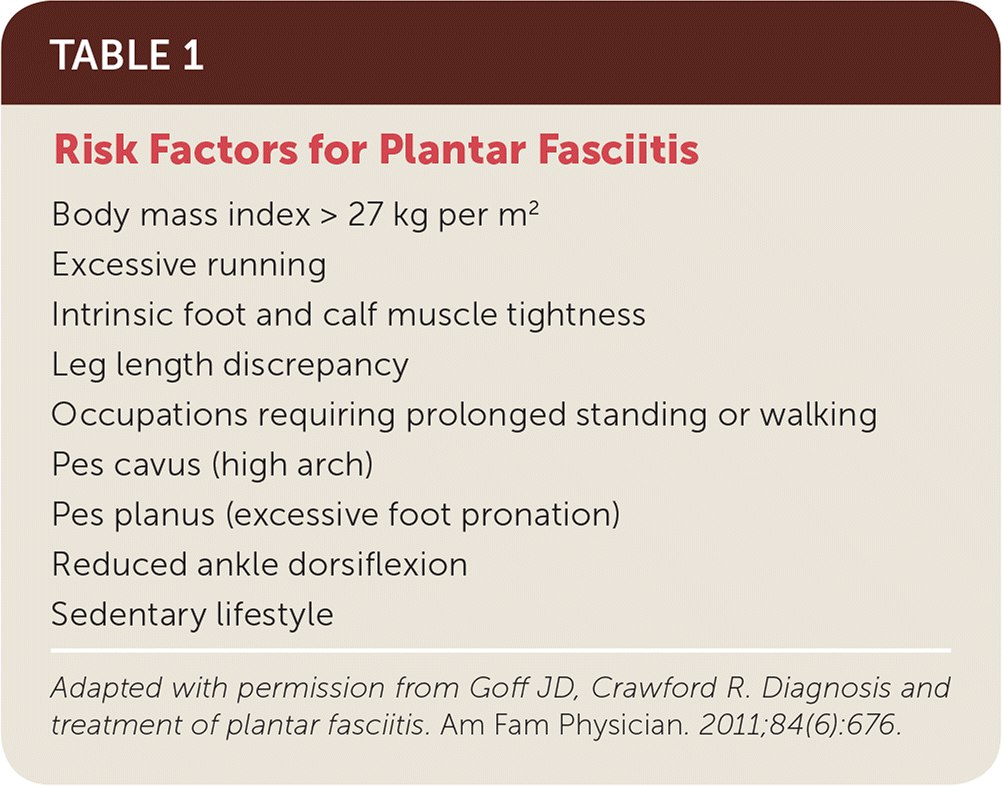
Age is a significant risk factor for developing plantar fasciitis. As you get older, the tissues in your body, including the plantar fascia, become less flexible and more prone to injury. People over the age of 40 are more likely to experience this condition compared to younger individuals.
Foot arch type
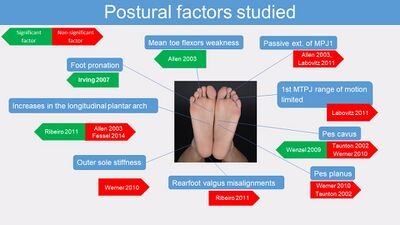
Your foot arch type can also contribute to the risk of plantar fasciitis. Those with flat feet or high arches are more susceptible to the condition. Flat feet can lead to overpronation, which puts additional stress on the plantar fascia. On the other hand, high arches can cause supination, leading to an uneven distribution of weight and increased strain on the plantar fascia.
Weight
Being overweight or obese can increase the likelihood of developing plantar fasciitis. Excess weight puts excessive pressure on the feet and can cause inflammation and micro-tears in the plantar fascia. Maintaining a healthy weight is not only beneficial for overall well-being but can also reduce the risk of plantar fasciitis.
Occupation
Certain occupations that involve long hours of standing or walking on hard surfaces can increase the risk of plantar fasciitis. Jobs like teachers, nurses, retail workers, and construction workers can place significant strain on the feet, leading to inflammation of the plantar fascia. Taking breaks and wearing supportive footwear can help alleviate this risk.
Physical activities
Engaging in high-impact activities or sports that involve repetitive movements can contribute to plantar fasciitis. Activities such as running, dancing, jumping, and aerobics can strain the plantar fascia and lead to its inflammation. It is essential to gradually increase the intensity and duration of these activities to allow the body to adapt and minimize the risk of injury.
Incorrect footwear
Wearing ill-fitting shoes or shoes with inadequate arch support can increase the stress on the plantar fascia. Flat shoes, high heels, or shoes without proper cushioning can contribute to the development of plantar fasciitis. Choosing suitable footwear that provides sufficient support, cushioning, and arch support is crucial in preventing this condition.
Tight calf muscles
Tight calf muscles can contribute to plantar fasciitis as they limit the flexibility of the foot and increase tension on the plantar fascia. When the calf muscles are tight, it can lead to altered biomechanics and put more stress on the arch of the foot. Stretching and exercises to loosen the calf muscles can help reduce the risk of plantar fasciitis.
Certain diseases
Certain medical conditions, such as arthritis, diabetes, and inflammatory conditions like lupus, can increase the risk of plantar fasciitis. These diseases affect the overall health of the tissues and can lead to inflammation and degeneration of the plantar fascia. Managing these underlying conditions through proper medical care and following preventive measures can help minimize the risk of plantar fasciitis.
Pregnancy
Pregnancy can also be a risk factor for developing plantar fasciitis. Changes in hormonal levels and weight gain during pregnancy can put additional stress on the feet, leading to inflammation of the plantar fascia. Supporting the feet with proper footwear and practicing gentle stretching exercises can help alleviate this risk during pregnancy.
Genetics
Genetics can play a role in the development of plantar fasciitis. Some individuals may have an inherited foot structure or biomechanical abnormalities that make them more prone to this condition. While you cannot change your genetics, being aware of your family’s history of foot problems can help you take preventive measures and manage the risk effectively.
Precautions for Plantar Fasciitis
Maintain a healthy weight
Maintaining a healthy weight is essential to reduce the strain on the feet, especially the plantar fascia. Excess weight can increase the risk of developing plantar fasciitis and worsen the symptoms for those already affected. Incorporating a balanced diet and regular exercise into your lifestyle can help manage your weight and decrease the chances of experiencing plantar fasciitis.
Choose suitable footwear
Investing in suitable footwear is crucial in preventing plantar fasciitis. Opt for shoes that provide proper arch support, cushioning, and shock absorption. Avoid high heels or shoes that lack support. Look for shoes with a firm heel counter and a supportive midsole. Additionally, consider using orthotic inserts or custom-made shoe orthotics for additional support and comfort.
Warm up and stretch
Before engaging in any physical activity, it is essential to warm up properly and stretch your muscles, including the calves and feet. This helps improve circulation, loosen up the muscles, and prepare them for the upcoming stress. Incorporate dynamic warm-up exercises and stretches specific to the feet and calves to reduce the risk of plantar fasciitis.
Strengthen the foot muscles
Strong foot muscles can provide better support and stability, reducing the strain on the plantar fascia. Incorporate foot-strengthening exercises into your routine, such as toe scrunches, toe curls, and calf raises. These exercises can help improve the overall strength and flexibility of the foot, minimizing the risk of plantar fasciitis.
Gradually increase physical activity
Engaging in high-impact activities or increasing physical activity intensity too quickly can put excessive strain on the plantar fascia. It is crucial to gradually increase the duration, frequency, and intensity of your activities to allow your body to adapt and avoid overloading the foot. Listen to your body’s signals and give yourself enough time to rest and recover to prevent plantar fasciitis.
Avoid hard surfaces
Walking or running on hard surfaces can increase the risk of plantar fasciitis. Whenever possible, choose softer surfaces like grass or dirt paths for physical activities. If you need to walk or stand on hard surfaces, consider using gel or shock-absorbing insoles in your shoes to reduce the impact on the feet.
Take regular breaks
If your occupation or daily activities involve prolonged standing or walking, it is important to take regular breaks to rest and relieve the stress on your feet. Sitting down, elevating your feet, or stretching during these breaks can help prevent plantar fasciitis and alleviate any discomfort or pain.
Manage underlying diseases
If you have any underlying diseases such as arthritis or diabetes that increase the risk of plantar fasciitis, it is crucial to manage them effectively. Follow your healthcare provider’s recommendations, take prescribed medications, and attend regular check-ups to keep these conditions under control and reduce the risk of developing plantar fasciitis.
Support the feet during pregnancy
During pregnancy, the body undergoes several changes that can affect the feet, including the development of plantar fasciitis. Supporting the feet with proper footwear that provides arch support, cushioning, and stability is important. Consider using custom-made orthotics or supportive inserts to alleviate the strain on the feet and reduce the risk of plantar fasciitis during pregnancy.
Consider orthotic devices
Orthotic devices, such as shoe inserts or custom-made orthotics, can provide additional support and reduce the strain on the plantar fascia. These devices help distribute the weight more evenly across the foot, promote proper alignment, and alleviate pressure on the affected area. Consulting with a podiatrist can help determine the most suitable orthotic device for your specific needs.
By understanding the risk factors and taking appropriate precautions, you can significantly reduce the likelihood of developing plantar fasciitis. Remember to listen to your body, maintain a healthy lifestyle, and prioritize foot care to keep your feet happy and free from pain.