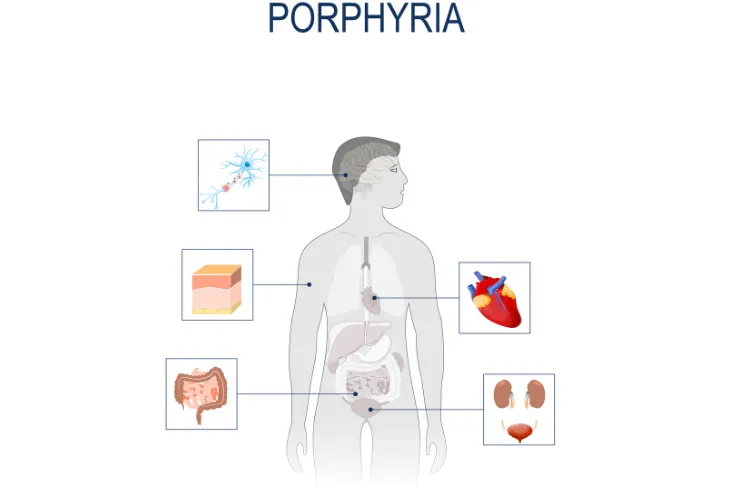
Porphyria is a rare genetic disorder that affects the production of heme, a vital component of hemoglobin. This article will explore the various risk factors associated with porphyria, as well as the precautions one can take to manage and prevent its symptoms. From understanding the genetic predisposition to avoiding triggers that can exacerbate an episode, this article aims to provide you with valuable insights into the prevention and management of porphyria, helping you lead a healthier and more fulfilling life.
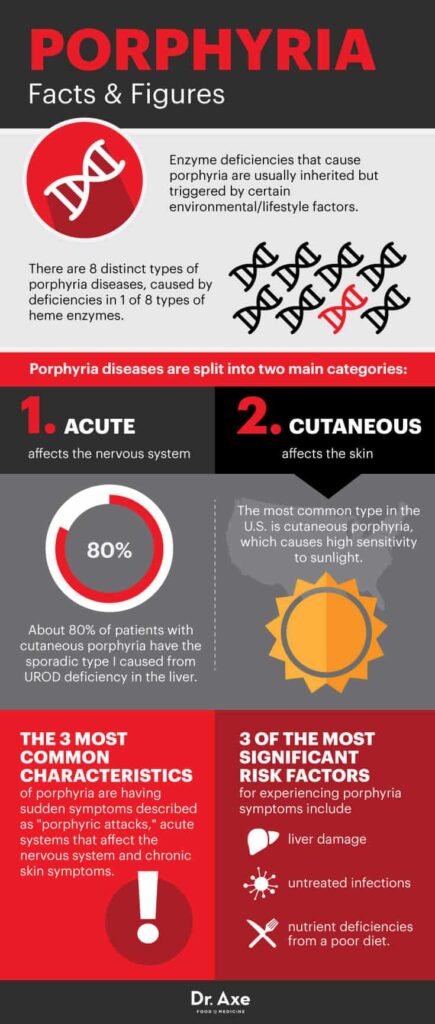
Risk Factors for Porphyria
Porphyria is a group of rare genetic disorders that affect the production of heme, a substance that helps carry oxygen in the blood. While the exact cause of porphyria is still unknown, there are several risk factors that can increase the likelihood of developing this condition. These risk factors can be divided into two main categories: genetic factors and environmental factors.
Genetic Factors
Genetic factors play a significant role in the development of porphyria. This means that certain gene mutations and a family history of the condition can increase the risk of developing it.
Genetic Mutations
Gene mutations occur when there are changes or alterations in the DNA sequence. In the case of porphyria, there are several genetic mutations that have been associated with specific types of the condition. These mutations affect the enzymes involved in the production of heme, leading to an accumulation of porphyrins, which are precursors to heme.
Family History
Having a family history of porphyria significantly increases the risk of developing the condition. Porphyria has been found to be inherited in an autosomal dominant or autosomal recessive manner, depending on the specific type of porphyria. This means that if a close family member, such as a parent or sibling, has porphyria, your risk of developing it may be higher.

Environmental Factors
In addition to genetic factors, certain environmental factors can also contribute to the development of porphyria. These factors may trigger or exacerbate the symptoms of the condition.
Exposure to Certain Chemicals
Exposure to certain chemicals can increase the risk of developing porphyria. Substances such as lead, mercury, and certain medications have been found to be associated with the onset of porphyria symptoms. It is essential to be cautious when working with these chemicals and to take necessary precautions to minimize exposure.
Alcohol Consumption
Alcohol consumption can be a trigger for porphyria symptoms in some individuals. Alcohol metabolism can disrupt the normal functioning of the enzymes involved in heme production, leading to an accumulation of porphyrins. Therefore, it is advisable to avoid excessive alcohol consumption if you have been diagnosed with porphyria or have a family history of the condition.
Smoking
Smoking has been identified as another environmental factor that can potentially trigger or worsen porphyria symptoms. The chemicals present in tobacco smoke can interfere with heme production and lead to an increase in porphyrin levels. Quitting smoking or avoiding exposure to secondhand smoke can help reduce the risk of experiencing porphyria symptoms.
Precautions for Porphyria
While porphyria cannot be cured, there are several precautions that individuals with the condition can take to manage and minimize symptoms.
Genetic Counseling
Genetic counseling can be an invaluable resource for individuals and families affected by porphyria. It involves a discussion with a healthcare professional who specializes in genetics and can provide information about the various types of porphyria, inheritance patterns, and the genetic risks associated with the condition.
Avoiding Trigger Factors
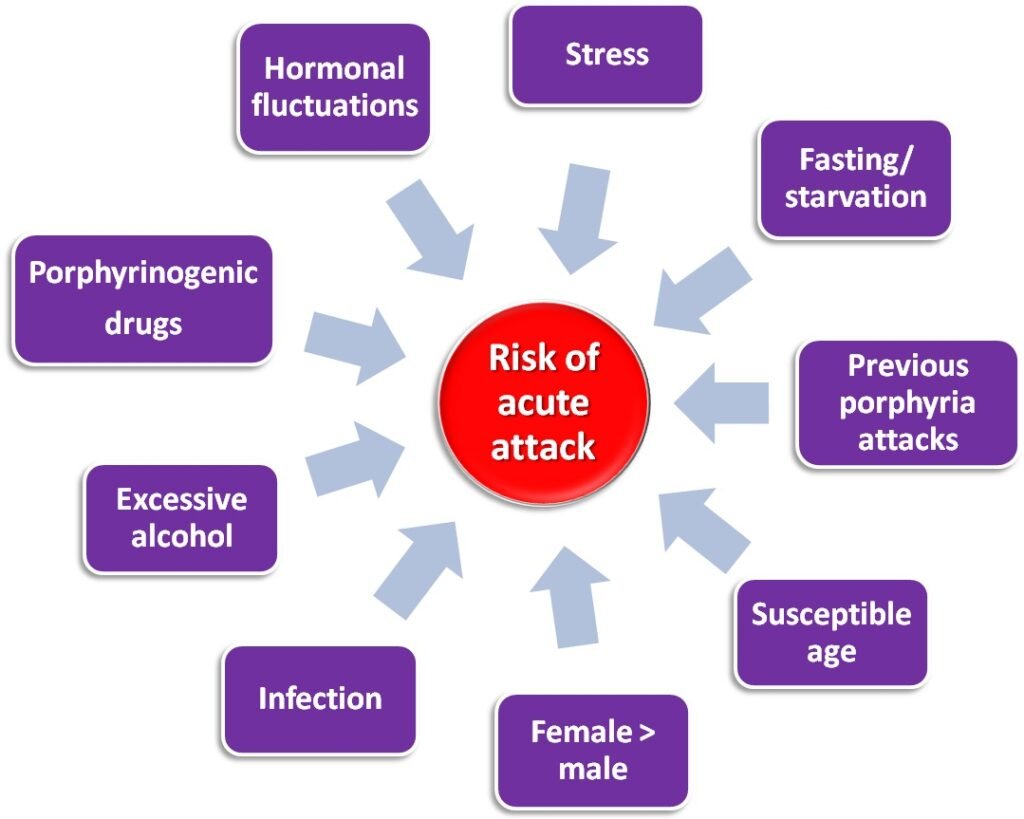
Identifying and avoiding trigger factors is crucial for managing porphyria symptoms. Trigger factors can vary depending on the type of porphyria, but they often include exposure to sunlight, certain medications, stress, and certain foods. By understanding and avoiding these triggers, you can help prevent or reduce the frequency and severity of porphyria attacks.
Understanding Genetic Risks
Understanding the genetic risks associated with porphyria is essential, especially if you are planning to start a family. Knowing your own genetic makeup and the risks of passing on the condition to your children can help you make informed decisions and seek appropriate medical advice.
Types of Porphyria
There are several types of porphyria, each with its unique genetic makeup and characteristic symptoms. The most common types of porphyria are acute porphyrias and cutaneous porphyrias. Acute porphyrias primarily affect the nervous system, while cutaneous porphyrias primarily affect the skin.
Inheritance Patterns
Porphyria can be inherited in different ways, depending on the specific type and genetic mutation involved. Autosomal dominant inheritance means that a mutation in one copy of the gene is enough to cause the condition. Autosomal recessive inheritance requires mutations in both copies of the gene to develop porphyria. Understanding these inheritance patterns can help in making informed family planning decisions and assessing the risk of passing on porphyria to future generations.
Sun and Light Protection
For individuals with porphyria, protecting the skin from sunlight and other sources of light is essential to minimize symptoms and prevent skin damage.
UV Protection
Exposure to ultraviolet (UV) radiation from the sun can trigger or worsen symptoms in individuals with porphyria. It is crucial to protect yourself from UV rays by wearing protective clothing, using sunscreen with a high sun protection factor (SPF), and seeking shade during peak sun hours.
Avoiding Sunburn
Sunburn can significantly exacerbate the symptoms of porphyria. It is essential to be diligent about avoiding sunburn by staying in shaded areas, wearing protective clothing, and regularly applying sunscreen. Taking these precautions can help reduce the risk of experiencing painful skin lesions and other skin-related symptoms.
In conclusion, understanding the risk factors for porphyria and taking necessary precautions can significantly improve the quality of life for individuals affected by this condition. While genetic factors play a significant role in the development of porphyria, environmental factors can also contribute to the onset and severity of symptoms. By being aware of these risk factors and taking appropriate steps to minimize exposure to triggers, individuals with porphyria can better manage their condition and reduce the impact on their daily lives. Additionally, seeking genetic counseling and understanding the genetic risks associated with porphyria can help individuals make informed decisions about family planning. By taking these precautions and protecting themselves from sunlight and other triggers, individuals with porphyria can lead healthier, more comfortable lives.