Schizophrenia is a complex mental disorder that affects millions of people worldwide. In this article, you will explore the various risk factors associated with schizophrenia and discover the precautions you can take to mitigate its onset. From genetic predispositions to environmental triggers, understanding these factors can empower you to make informed decisions about your mental health. So, let’s delve into the world of schizophrenia and equip ourselves with the knowledge needed to promote overall well-being and early detection.
Risk Factors for Schizophrenia
Family History
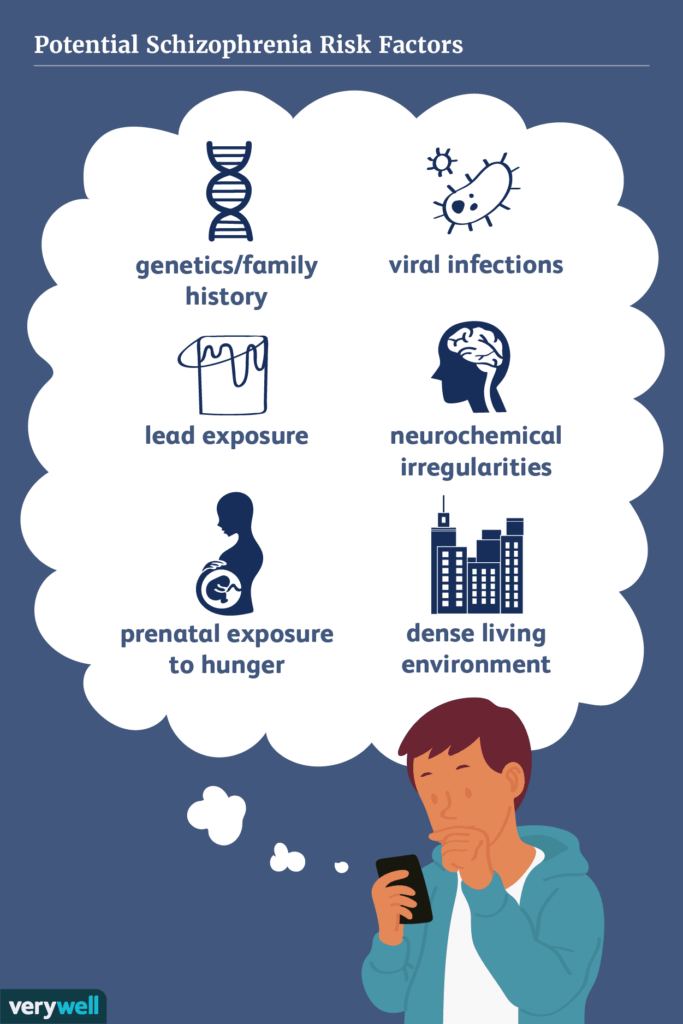
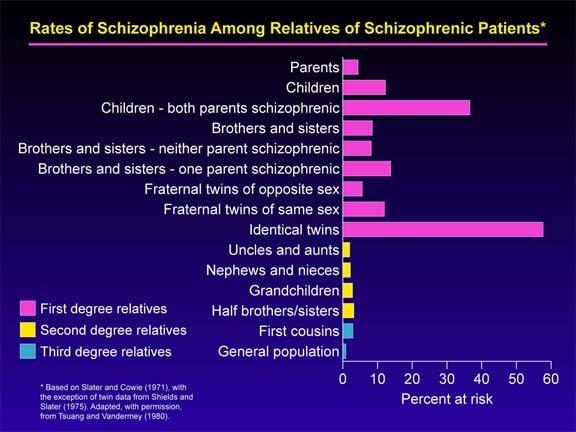
Having a family history of schizophrenia is one of the main risk factors for developing the illness. If you have a close relative, such as a parent or sibling, who has been diagnosed with schizophrenia, your chances of developing the disorder are higher than those with no family history. Research suggests that genetic factors play a significant role in the development of schizophrenia, but it is important to note that not everyone with a family history of the illness will develop it themselves.
Genetics
In addition to family history, genetics also contribute to the risk of developing schizophrenia. Certain genes have been found to be associated with an increased likelihood of developing the disorder. However, it is important to remember that genetics alone do not determine whether or not someone will develop schizophrenia. The interplay between genetic and environmental factors is complex and still not fully understood.
Environmental Factors
While genetics play a role, environmental factors are also believed to contribute to the development of schizophrenia. These environmental factors can include exposure to viruses or infections during pregnancy or early childhood, malnutrition during the mother’s pregnancy, and complications during childbirth. Additionally, growing up in a stressful or highly dysfunctional family environment can also increase the risk of developing schizophrenia.
Prenatal and Birth Factors
Several prenatal and birth factors have been identified as potential risk factors for schizophrenia. Exposure to certain viruses, such as the influenza virus, during pregnancy has been associated with an increased risk of schizophrenia in the offspring. Maternal malnutrition during pregnancy, particularly the lack of essential nutrients like folic acid, has also been linked to a higher risk of developing schizophrenia. Furthermore, complications during childbirth, such as oxygen deprivation to the baby’s brain, can increase the likelihood of developing the illness.
Drug Abuse and Stress
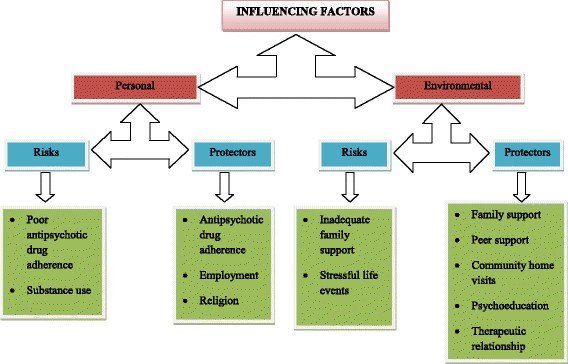
Drug abuse, particularly during adolescence and young adulthood, has been consistently identified as a risk factor for schizophrenia. Substance abuse, such as cannabis, amphetamines, or hallucinogens, can trigger the onset of schizophrenia in susceptible individuals or worsen symptoms in those who already have the illness. Stress, especially chronic or severe stress, has also been linked to an increased risk of developing schizophrenia. High levels of stress can disrupt brain development and functioning, potentially predisposing someone to the disorder.
Age and Gender
The risk of developing schizophrenia varies with age and gender. Men tend to experience the onset of schizophrenia earlier than women, typically in their late teens to early twenties, while women often develop symptoms in their mid-twenties to early thirties. Additionally, individuals born in urban areas or densely populated areas have a slightly higher risk of developing schizophrenia. The reasons behind these demographic differences are not yet fully understood and require further research.
Psychological and Social Factors
Psychological and social factors also contribute to the risk of developing schizophrenia. Certain personality traits, such as being introverted or having difficulty coping with stress, may increase susceptibility to the disorder. Additionally, experiencing social adversity, such as poverty, discrimination, or social exclusion, can elevate the risk of developing schizophrenia. Furthermore, individuals who have experienced trauma or abuse during childhood may also have a higher likelihood of developing the illness.
Social Isolation
Social isolation and lack of social support have been linked to an increased risk of schizophrenia. Individuals who are socially isolated tend to experience higher levels of psychological distress and are more vulnerable to developing mental health conditions, including schizophrenia. Building and maintaining a supportive social network can help prevent or mitigate the risk of schizophrenia by providing emotional support, companionship, and a sense of belonging.
Migration and Urbanization
Migration and urbanization have been associated with a higher risk of schizophrenia. People who move from rural to urban areas or migrate to a different country may experience increased stress, disrupted social networks, and reduced access to mental health services. These factors can contribute to an increased vulnerability to schizophrenia. While not everyone who migrates or lives in urban areas will develop the disorder, these population shifts appear to have an impact on the prevalence of schizophrenia.
Childhood Trauma
Childhood trauma, such as physical, sexual, or emotional abuse, neglect, or the loss of a parent, can significantly increase the risk of developing schizophrenia later in life. Traumatic experiences during childhood can have long-lasting effects on mental health, and individuals who have experienced trauma are more likely to develop various psychiatric disorders, including schizophrenia. Early identification and intervention for children who have experienced trauma are crucial in reducing the risk of developing schizophrenia.
Precautions for Schizophrenia
Maintaining a Healthy Lifestyle
Maintaining a healthy lifestyle can help reduce the risk of developing schizophrenia and enhance overall mental well-being. Engaging in regular exercise, consuming a nutritious diet, getting enough sleep, and avoiding harmful substances like tobacco and excessive alcohol can contribute to maintaining optimal mental health. A healthy lifestyle promotes a strong foundation for mental well-being and can lower the risk of developing schizophrenia.
Early Detection and Intervention
Early detection and intervention are crucial in managing schizophrenia and mitigating its impact on daily functioning and long-term outcomes. Recognizing the early signs and symptoms of the illness, such as social withdrawal, changes in behavior or thinking patterns, and experiencing hallucinations or delusions, is key. Seeking professional help promptly and accessing appropriate treatment and support services can make a significant difference in the prognosis of schizophrenia and improve the quality of life for individuals living with the disorder.
Regular Mental Health Check-ups
Regular mental health check-ups are important to monitor and address any potential mental health concerns, including schizophrenia. These check-ups can help identify early warning signs, evaluate the effectiveness of current treatments or interventions, and make necessary adjustments to the treatment plan. Taking a proactive approach to mental health by scheduling regular check-ups with a mental health professional can contribute to early detection, intervention, and overall well-being.
Genetic Counseling
Genetic counseling can be beneficial for individuals with a family history of schizophrenia or those concerned about their genetic risk. Genetic counselors can provide information and support regarding the genetic factors associated with schizophrenia, assess an individual’s personal and family history, explain inheritance patterns, and discuss the implications and options for genetic testing. Genetic counseling can help individuals make informed decisions about their health and understand their risk factors.
Avoiding Substance Abuse
Avoiding substance abuse is crucial for individuals at risk of developing schizophrenia or those already diagnosed with the disorder. Substance abuse, especially of drugs known to trigger or worsen psychotic symptoms, can significantly impact the course and progression of schizophrenia. It is important to be aware of the risks associated with substance use and seek appropriate support and treatment if struggling with substance abuse.
Managing Stress
Effective stress management plays a vital role in reducing the risk of developing schizophrenia and improving the overall mental well-being of individuals. Learning and practicing stress-management techniques, such as relaxation exercises, meditation, engaging in hobbies, or seeking therapy, can help reduce the impact of stress on mental health. Developing coping mechanisms and healthy strategies to manage stress can contribute to a more resilient and balanced mental state.
Support Network
Building and maintaining a strong support network is crucial for individuals at risk of developing schizophrenia or those diagnosed with the disorder. Support from family, friends, and mental health professionals can provide emotional support, practical assistance, and a sense of belonging. Social support networks can help individuals navigate the challenges of schizophrenia, reduce feelings of isolation, and improve overall mental well-being.
Education and Awareness
Education and awareness about schizophrenia are important in reducing stigma, promoting understanding, and ensuring individuals receive appropriate support and treatment. It is essential to educate oneself about the symptoms, causes, and treatment options for schizophrenia to help dispel misconceptions and create a supportive environment for individuals affected by the disorder. Increased awareness can also facilitate early detection and intervention, leading to better outcomes for individuals living with schizophrenia.
Medication Adherence
For individuals diagnosed with schizophrenia, adhering to prescribed medication is crucial for maintaining symptom control and preventing relapse. Medication plays a significant role in the management of schizophrenia and can help individuals lead productive and fulfilling lives. It is important to work closely with healthcare professionals, follow prescribed medication regimens, and communicate openly about any concerns or side effects to ensure optimal treatment outcomes.
Follow-up Care
Regular follow-up care with mental health professionals is essential for individuals with schizophrenia. Regular appointments allow for ongoing monitoring of symptoms, adjustments to treatment plans if necessary, and the opportunity to address any concerns or challenges. Consistent engagement with healthcare providers can help individuals manage their schizophrenia effectively and maintain their mental well-being in the long term.
In conclusion, understanding the risk factors for schizophrenia and taking proactive precautions can help reduce the likelihood of developing the illness or minimize its impact. Factors such as family history, genetics, environmental influences, substance abuse, and trauma can contribute to the risk of schizophrenia. However, maintaining a healthy lifestyle, seeking early detection and intervention, regular mental health check-ups, building a support network, managing stress, and following prescribed treatments are essential precautions that can make a significant difference in preventing or managing schizophrenia effectively. By taking these precautions, individuals can promote their mental well-being and enhance their quality of life.