Are the winter months taking a toll on your mood and energy levels? It’s not uncommon to experience a dip in your emotional wellbeing during this time of the year, and it could be a result of Seasonal Affective Disorder (SAD). In this article, we’ll explore the risk factors associated with SAD and provide practical precautions that can help you navigate through the winter months with a smile on your face. Whether you’ve been battling with SAD before or are new to the concept, we’ve got you covered. So let’s shed some light on this topic and find effective ways to beat the winter blues.

Risk Factors for Seasonal Affective Disorder
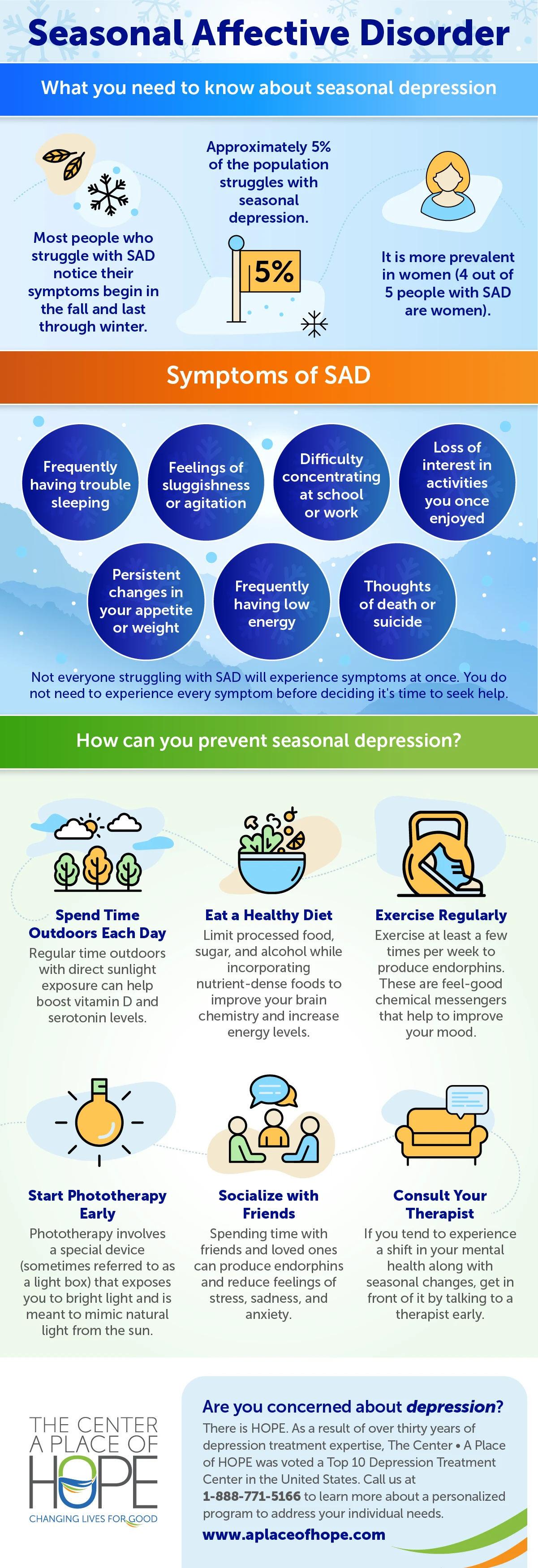
Seasonal affective disorder (SAD) is a type of depression that occurs in certain seasons, most commonly during the winter months. While anyone can develop SAD, there are several risk factors that can increase the likelihood of experiencing this condition. Understanding these risk factors can help individuals and healthcare professionals identify those who may be at higher risk and provide proactive measures to prevent or manage SAD.
Geographic Location
Geographic location plays a significant role in the risk of developing seasonal affective disorder. Latitude and seasonality are primary factors to consider. Regions that are farther from the equator generally experience more distinct changes in daylight between seasons. This shift in daylight exposure can disrupt the body’s internal clock, known as the circadian rhythm, and potentially trigger symptoms of SAD.
Researchers have found that individuals living in northern regions, such as Scandinavia and Alaska, are at a higher risk of developing SAD. The longer and darker winters in these areas often lead to an imbalance in the production of melatonin and serotonin, two hormones that play a crucial role in mood regulation. Consequently, individuals living in these areas may be more susceptible to SAD.
The duration of the winter season can also impact the risk of developing SAD. Areas with longer winters, such as those closer to the poles, have a prolonged period of reduced sunlight exposure. The extended darkness can exacerbate the symptoms of SAD and increase the likelihood of developing the disorder.
Family History
Having a family history of seasonal affective disorder can also increase an individual’s risk of developing the condition. Researchers have found a considerable genetic component to SAD, with individuals having a first-degree relative who also experiences SAD being more likely to develop the disorder themselves.
Genetic inheritance is believed to play a significant role in SAD, although the specific genes involved are still being studied. While having a family history of SAD may increase the risk, it does not necessarily guarantee the development of the disorder. Other factors, such as environmental influences and individual circumstances, can also contribute to the onset of SAD.
Gender
Gender is another risk factor associated with seasonal affective disorder, with women being at a higher risk compared to men. According to research, women are four times more likely to experience SAD than men. While the exact reasons for this gender disparity are not entirely understood, hormonal influences are believed to play a significant role.
Fluctuations in hormones, particularly estrogen and progesterone, can affect neurotransmitter levels in the brain, including serotonin and melatonin. These hormonal shifts can impact mood regulation and potentially contribute to the development of SAD. Additionally, factors such as menstrual cycle changes and hormonal contraceptives may influence the severity of SAD symptoms in women.

Age
Age is also a risk factor for seasonal affective disorder, with young adults being more susceptible to developing the disorder. Studies have shown that individuals between the ages of 18 and 30 are at a higher risk, although SAD can occur at any age. As individuals grow older, the risk of SAD typically decreases, with older adults experiencing a lower incidence of the disorder.
The reasons behind this age-related risk are not yet fully understood. It is believed that the changing hormonal profiles and lifestyle factors commonly associated with younger adults may contribute to the increased susceptibility to SAD.
Pre-existing Mental Health Conditions
Having pre-existing mental health conditions can further increase an individual’s risk of developing seasonal affective disorder. Individuals with a history of depression, anxiety disorders, or bipolar disorder may be more prone to experiencing SAD symptoms during specific seasons.
These pre-existing mental health conditions can make individuals more vulnerable to the impact of reduced daylight exposure and the corresponding disruptions to the circadian rhythm. It is crucial for individuals with these conditions to be aware of the potential risk and take appropriate measures to manage their overall mental well-being.
Physical Health Conditions
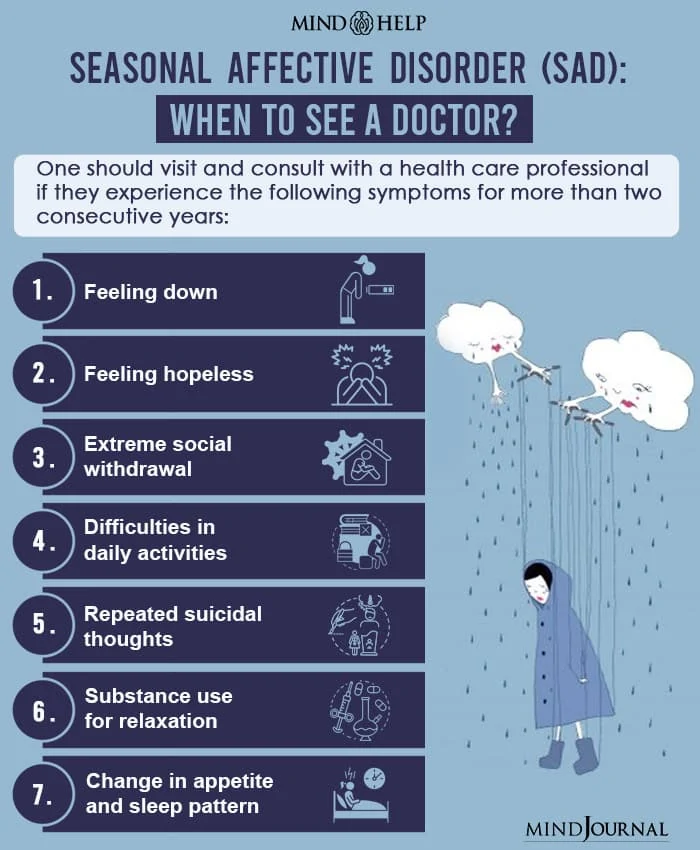
Certain physical health conditions are associated with an increased risk of developing seasonal affective disorder. Chronic illnesses such as diabetes, cardiovascular disease, and autoimmune disorders can make individuals more susceptible to experiencing SAD symptoms. The interplay between these physical health conditions and seasonal patterns may contribute to the development or exacerbation of SAD.
One specific physical health condition that has been linked to SAD is hypothyroidism. This condition involves an underactive thyroid, which can result in mood disturbances and low energy levels, both of which are common symptoms of SAD. Individuals with hypothyroidism are more likely to experience the winter blues and may benefit from additional support during the winter months.
Low Vitamin D Levels
Low levels of vitamin D have also been associated with an increased risk of developing seasonal affective disorder. Vitamin D is primarily produced in the skin when exposed to sunlight. During the winter months, when sunlight exposure is reduced, the body’s vitamin D production can decrease.
Research suggests that low vitamin D levels can contribute to mood disturbances and potentially increase the risk of developing depressive symptoms, including those associated with SAD. Therefore, individuals with insufficient vitamin D levels may be more susceptible to developing SAD during the winter months.

Genetic Predisposition
Genetic factors play a significant role in the development of seasonal affective disorder. Various gene variants have been identified as potential contributors to SAD susceptibility, although further research is needed to fully understand the genetic mechanisms involved.
Identifying specific gene variants associated with SAD could help clarify the underlying biological pathways and potentially lead to more targeted interventions and treatments for individuals at risk of developing the disorder.
Stressful Life Events
Experiencing significant stressful life events can increase the risk of developing seasonal affective disorder. Events such as the loss of a loved one, job-related stress, or relationship difficulties can have a profound impact on an individual’s mental well-being. The combination of these stressors with the reduced daylight exposure during certain seasons can exacerbate symptoms of depression and potentially lead to the onset of SAD.
Recognizing and addressing stressful life events is crucial in managing SAD risk. Developing healthy coping mechanisms and seeking support from family, friends, or mental health professionals can help individuals navigate through these challenging situations.
Sleep Problems
Sleep problems, such as insomnia or disruptions in sleep patterns, can contribute to an increased risk of developing seasonal affective disorder. Changes in daylight exposure can disrupt the body’s internal clock and affect sleep-wake cycles. Disrupted sleep patterns can then trigger mood disturbances and increase susceptibility to developing SAD.
Maintaining a regular sleep schedule, practicing good sleep hygiene, and seeking professional help for persistent sleep problems can help mitigate the risk of developing SAD associated with sleep disturbances.
In conclusion, numerous risk factors can contribute to the development of seasonal affective disorder. Geographic location, family history, gender, age, pre-existing mental health conditions, physical health conditions, low vitamin D levels, genetic predisposition, stressful life events, and sleep problems all play a role in SAD susceptibility. Understanding these risk factors can empower individuals and healthcare professionals to implement appropriate precautions and interventions to prevent or effectively manage seasonal affective disorder.