Are you aware of the risk factors and precautions for sepsis, a potentially life-threatening blood infection? It’s essential to be informed about this serious condition and understand how to protect yourself and your loved ones. In this article, we will discuss the various risk factors associated with sepsis and the necessary precautions you can take to reduce the chances of infection. Stay tuned to learn more and ensure the well-being of yourself and those around you.
Risk Factors for Sepsis-Blood Infection
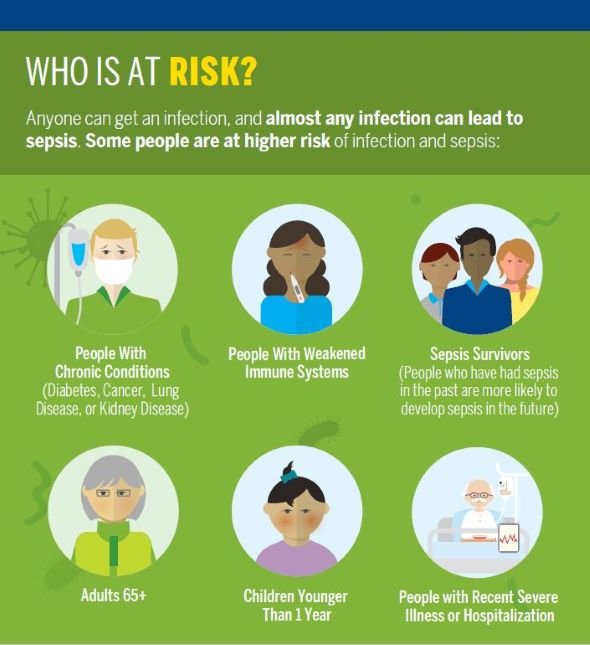
Sepsis is a serious condition that occurs when the body’s response to an infection causes harmful inflammation throughout the body. It can be life-threatening and requires immediate medical attention. While sepsis can affect anyone, there are certain risk factors that increase your chances of developing this condition. By understanding these risk factors, you can take precautions to help prevent sepsis.
Age
One of the risk factors for sepsis is age. Infants and older adults are more susceptible to developing sepsis compared to other age groups. Infants have developing immune systems that may not be able to fend off infections effectively, while older adults may have a weakened immune response due to age-related changes.
Weakened Immune System
A weakened immune system can also increase the risk of developing sepsis. Various conditions and factors can weaken the immune system, including:
- Organ transplantation: People who have received an organ transplant may be on medications that suppress their immune system to prevent organ rejection, making them more vulnerable to infections.
- HIV/AIDS: Human immunodeficiency virus (HIV) and acquired immunodeficiency syndrome (AIDS) can significantly weaken the immune system, making individuals more prone to infections, including those that can lead to sepsis.
- Cancer treatments: Chemotherapy, radiation therapy, and stem cell transplants can weaken the immune system, leaving cancer patients at a higher risk of developing sepsis.
- Certain medications: Some medications, such as corticosteroids or those used in autoimmune diseases, can suppress the immune system, making individuals more susceptible to infections.
- Chronic diseases: Conditions like diabetes, kidney disease, liver disease, lung disease, heart disease, and other chronic illnesses can weaken the immune system, increasing the risk of sepsis.
Chronic Medical Conditions
Having certain chronic medical conditions can also increase the susceptibility to sepsis. While the weakened immune system is a common factor, specific conditions that increase the risk include:
- Diabetes: Diabetes affects the body’s ability to regulate blood sugar levels, making it harder to fight off infections and increasing the risk of sepsis.
- Kidney disease: Individuals with kidney disease often have compromised immune systems, making them more susceptible to infections that can lead to sepsis.
- Liver disease: Liver disease interferes with the body’s ability to filter toxins and fight off infections, increasing the risk of sepsis.
- Lung disease: Lung diseases, such as chronic obstructive pulmonary disease (COPD) or pneumonia, can weaken the immune system and impair lung function, making individuals more prone to infections, including those that can result in sepsis.
- Heart disease: Heart disease can impact the body’s ability to fight off infections effectively, increasing the risk of sepsis.
- Immunosuppressive diseases: Certain autoimmune diseases, such as lupus or rheumatoid arthritis, can suppress the immune system and make individuals more susceptible to infections.
Recent Surgery or Invasive Procedures
Undergoing surgery or invasive procedures can increase the risk of developing sepsis, especially within the first 30 days following the procedure. Any break in the skin or opening in the body can potentially introduce infection-causing bacteria, which can then lead to sepsis if not effectively managed.
Indwelling Medical Devices
The presence of indwelling medical devices can also increase the risk of sepsis. These devices are commonly used in medical settings to monitor or support bodily functions but can also introduce bacteria that can cause infections. Common examples of indwelling medical devices include:
- Urinary catheters: Used to drain urine from the bladder, urinary catheters can provide a pathway for bacteria to enter the urinary tract and potentially cause a urinary tract infection that can lead to sepsis.
- Central venous catheters: These catheters are inserted into large veins, usually in the neck, chest, or groin, and can provide access for administering medications or fluids. If not properly cared for, they can become contaminated and lead to bloodstream infections, increasing the risk of sepsis.
- Mechanical ventilators: Ventilators are used to assist individuals with breathing, but improper use or inadequate sterilization can introduce bacteria into the respiratory system, potentially leading to pneumonia and sepsis.
- Surgical drains: After surgery, drains may be placed to remove excess fluids or prevent the build-up of fluid in certain body areas. These drains provide an entry point for bacteria and increase the risk of infection and sepsis if not properly maintained.
- Feeding tubes: Inserted into the stomach or intestines, feeding tubes are used to provide nutrition when oral intake is not possible. If not properly cleaned and maintained, these tubes can become contaminated, leading to infections that may result in sepsis.
Poor Hygiene
Maintaining good hygiene plays a crucial role in preventing sepsis. Poor hygiene practices can lead to the spread of harmful bacteria and increase the risk of infection. Some aspects of poor hygiene that can contribute to sepsis risk include:
- Lack of handwashing: Regular handwashing with soap and water is one of the most effective ways to prevent the spread of infectious diseases. Failing to wash hands properly or frequently enough can increase the likelihood of acquiring an infection that can progress to sepsis.
- Inadequate cleaning of medical equipment: Proper cleaning and sterilization of medical equipment are essential to prevent the transmission of infections. When medical instruments are not adequately cleaned, they can introduce bacteria into the body, potentially leading to sepsis.
- Insufficient sterilization of surgical instruments: Surgical instruments must be thoroughly sterilized before each use to prevent the introduction of bacteria during invasive procedures. Failure to sterilize instruments properly can result in infections and increase the risk of sepsis.
Malnutrition
Malnutrition, which occurs when the body does not receive adequate nutrients, can significantly weaken the immune system. Poor nutrition makes it harder for the body to fight off infections and can increase the risk of developing sepsis. It is important to maintain a balanced diet and ensure proper nutrition to support a healthy immune system and reduce the susceptibility to infections.
Alcohol Abuse
Excessive alcohol consumption can have deleterious effects on the immune system and overall health, increasing the risk of infections and sepsis. Chronic alcohol abuse weakens the immune system, making individuals more susceptible to bacterial infections that can lead to sepsis. It is essential to consume alcohol in moderation and seek help if you or someone you know is struggling with alcohol abuse.
Drug Abuse
Drug abuse, particularly intravenous drug use, can significantly increase the risk of sepsis. The use of contaminated needles or sharing injection equipment can introduce bacteria into the bloodstream, leading to infections and potentially sepsis. If you or someone you know is struggling with drug abuse, seek help and support from healthcare professionals or addiction specialists to decrease the risk of sepsis and other health complications.
Hospitalization
Being hospitalized, especially in intensive care units or long-term care facilities, increases the exposure to harmful bacteria, making individuals more susceptible to infections that can lead to sepsis. It is crucial to be vigilant about infection prevention measures while in the hospital, such as washing hands regularly, adhering to proper wound care, and following the recommendations of healthcare providers.
Precautions to Prevent Sepsis-Blood Infection
While some risk factors for sepsis cannot be fully controlled, there are several precautions you can take to reduce your chances of developing this life-threatening condition. By following these precautions, you can protect yourself and others from sepsis.
Maintaining Good Hygiene
Practicing good hygiene is one of the most effective ways to prevent infections and reduce the risk of sepsis. Remember to:
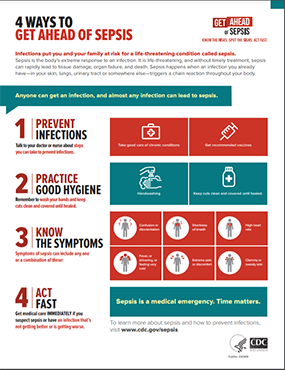
- Wash your hands regularly with soap and water for at least 20 seconds, especially before eating, after using the restroom, and after being in public places.
- Use hand sanitizer containing at least 60% alcohol when soap and water are not available.
- Cover your mouth and nose with a tissue or your elbow when coughing or sneezing.
- Avoid touching your face, especially your mouth, nose, and eyes, as these are entry points for bacteria.
Practicing Handwashing
Proper handwashing is crucial in preventing the spread of infections and reducing the risk of sepsis. Follow these steps for effective handwashing:
- Wet your hands with clean, running water, and apply soap.
- Rub your hands together to lather the soap, making sure to scrub all areas, including the backs of your hands, between your fingers, and under your nails.
- Continue rubbing your hands for at least 20 seconds, which is roughly the time it takes to sing the “Happy Birthday” song twice.
- Rinse your hands thoroughly under clean, running water.
- Dry your hands using a clean towel or air dry them.
Avoiding Indwelling Medical Devices When Possible
If it is medically feasible, avoid the use of indwelling medical devices like urinary catheters, central venous catheters, mechanical ventilators, surgical drains, or feeding tubes. These devices can introduce bacteria into the body, increasing the risk of infections and sepsis. Discuss with your healthcare provider alternative options or strategies to minimize the need for these devices.
Proper Care for Medical Devices
When indwelling medical devices are necessary, it is crucial to take proper care of them to minimize the risk of infections. Follow these guidelines:
- Ensure that medical devices are inserted and maintained by trained healthcare professionals.
- Regularly clean and disinfect devices as instructed by healthcare providers.
- Follow sterile techniques when handling the devices.
- Report any signs of infection, such as redness, swelling, or discharge, around the insertion site or near the medical device to your healthcare provider immediately.
Vaccinations
Vaccinations play a critical role in preventing infections and reducing the risk of sepsis. Make sure you are up to date with routine vaccinations recommended by healthcare professionals, including:
- Flu vaccine: Get an annual flu shot, as influenza can lead to severe respiratory infections that may result in sepsis.
- Pneumococcal vaccine: Vaccinate against pneumococcal bacteria, which can cause pneumonia and other severe infections that can lead to sepsis.
- Meningococcal vaccine: Protect against meningococcal bacteria, which can cause meningitis, bloodstream infections, and sepsis.
Stay informed about recommended vaccinations, especially if you have certain medical conditions or if you are traveling to areas where infectious diseases are prevalent.
Keeping Wounds Clean and Covered
Proper wound care is essential to prevent infections that can progress to sepsis. Follow these guidelines for wound management:
- Clean any cuts, scrapes, or wounds promptly with soap and water.
- Use an antiseptic solution, if available, to clean the wound.
- Apply an appropriate bandage or dressing to cover the wound and protect it from further contamination.
- Change the bandage regularly or as instructed by your healthcare provider.
- Monitor the wound for signs of infection, such as redness, swelling, warmth, or pus-like discharge, and seek medical attention if any of these signs are present.
Taking Antibiotics as Prescribed
If you are prescribed antibiotics for an infection, it is crucial to take them exactly as instructed by your healthcare provider. Finish the entire course of antibiotics, even if you start feeling better. Taking antibiotics as prescribed helps eliminate the infection-causing bacteria from your body, reducing the risk of the infection progressing to sepsis.
Monitoring and Treating Infections Promptly
Be vigilant about monitoring for any signs or symptoms of infections, such as fever, increased pain or redness around wounds, changes in urine color or smell, persistent cough, or any other unusual symptoms. If you suspect an infection, seek medical attention promptly. Early detection and treatment of infections can prevent them from progressing to sepsis.
Avoiding Alcohol Abuse
Excessive alcohol consumption weakens the immune system, making individuals more susceptible to infections and increasing the risk of sepsis. It is important to drink alcohol in moderation and seek help if you or someone you know is struggling with alcohol abuse. By avoiding alcohol abuse, you can protect your health and reduce the risk of sepsis.
Seeking Immediate Medical Attention
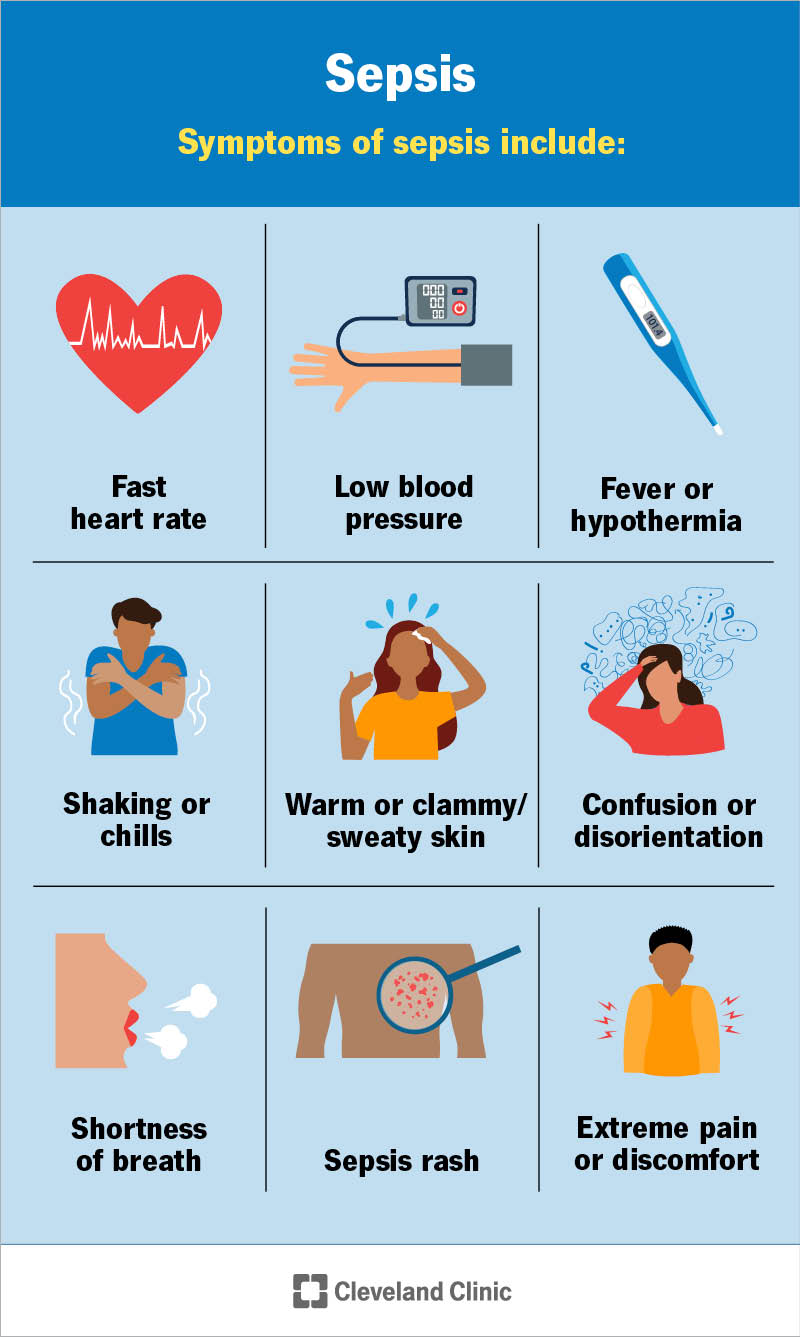
Recognizing the signs and symptoms of sepsis is crucial for prompt medical intervention. If you experience any of the following, seek immediate medical attention:
- High fever, above 101°F (38.3°C), or low body temperature, below 96.8°F (36°C).
- Rapid heartbeat or breathing.
- Confusion or disorientation.
- Dizziness or lightheadedness.
- Shortness of breath.
- Extreme pain or discomfort.
- Pale or discolored skin.
- Decreased urine output or dark-colored urine.
- Uncontrolled shivering or shaking.
Sepsis is a medical emergency, and early treatment can significantly improve outcomes. If you suspect sepsis, do not hesitate to call emergency services or go to the nearest emergency department.
By understanding and addressing the risk factors for sepsis and implementing appropriate precautions, you can reduce the likelihood of developing this severe condition. Remember to maintain good hygiene, follow proper wound care, seek immediate medical attention when necessary, and take proactive measures to protect your overall health and well-being.