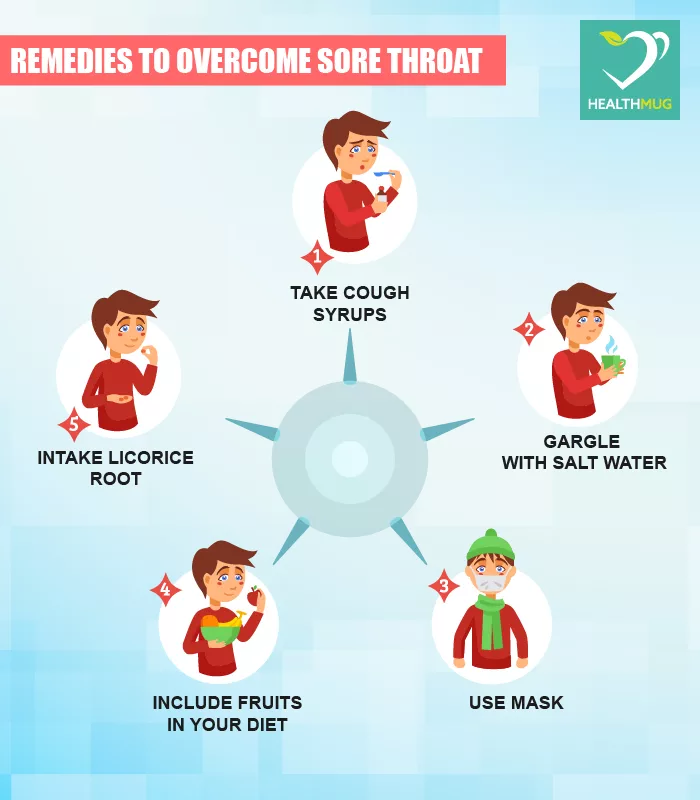
You’ve probably experienced a sore throat at some point in your life, and you know just how uncomfortable it can be. But have you ever wondered what exactly causes a sore throat and how you can prevent it? In this article, we’ll explore the various risk factors that can contribute to a sore throat and share some simple precautions you can take to avoid falling victim to this common ailment. So, grab a cup of tea and let’s dive into the world of sore throats together!
Risk Factors for Sore Throat
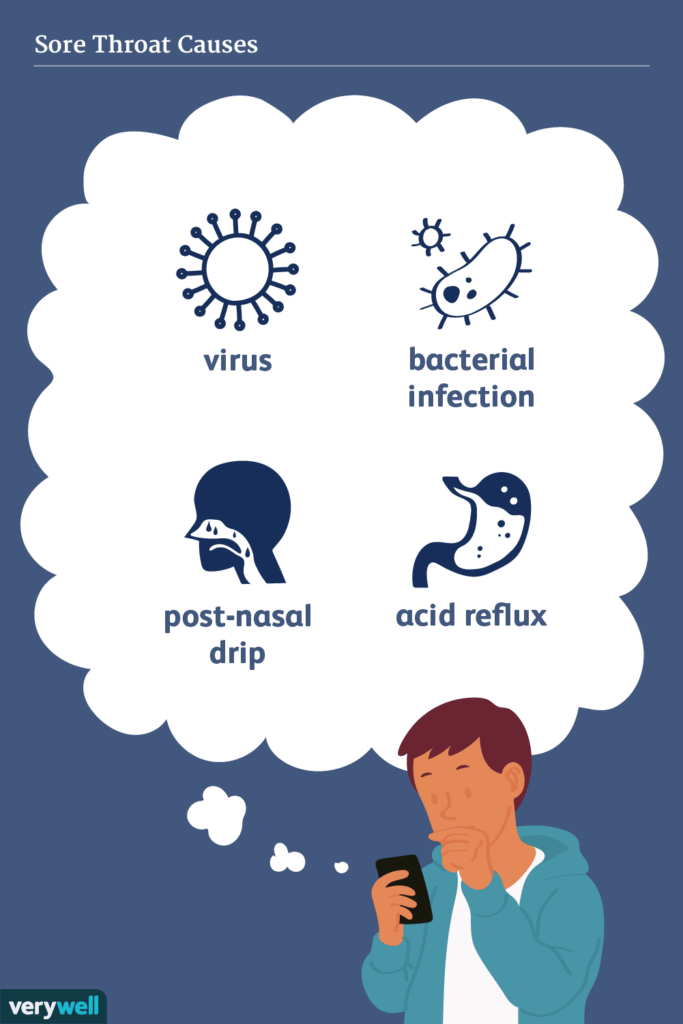
A sore throat can strike at any time, making simple activities like eating, talking, and even sleeping quite uncomfortable. While sore throats are commonly caused by viral infections, there are several other risk factors that can contribute to this uncomfortable condition. By understanding these risk factors, you can take precautions to minimize your chances of developing a sore throat and keep your throat feeling healthy and happy.
Viral Infections
One of the most common risk factors for a sore throat is a viral infection. Viruses such as the common cold, flu, and Epstein-Barr virus (which causes mononucleosis) can all lead to a sore throat. These infections are highly contagious and can easily spread through respiratory droplets from coughing or sneezing. To reduce your risk of developing a sore throat from viral infections, it is important to practice good respiratory hygiene, avoid close contact with infected individuals, and maintain a healthy immune system through proper nutrition and rest.
Bacterial Infections
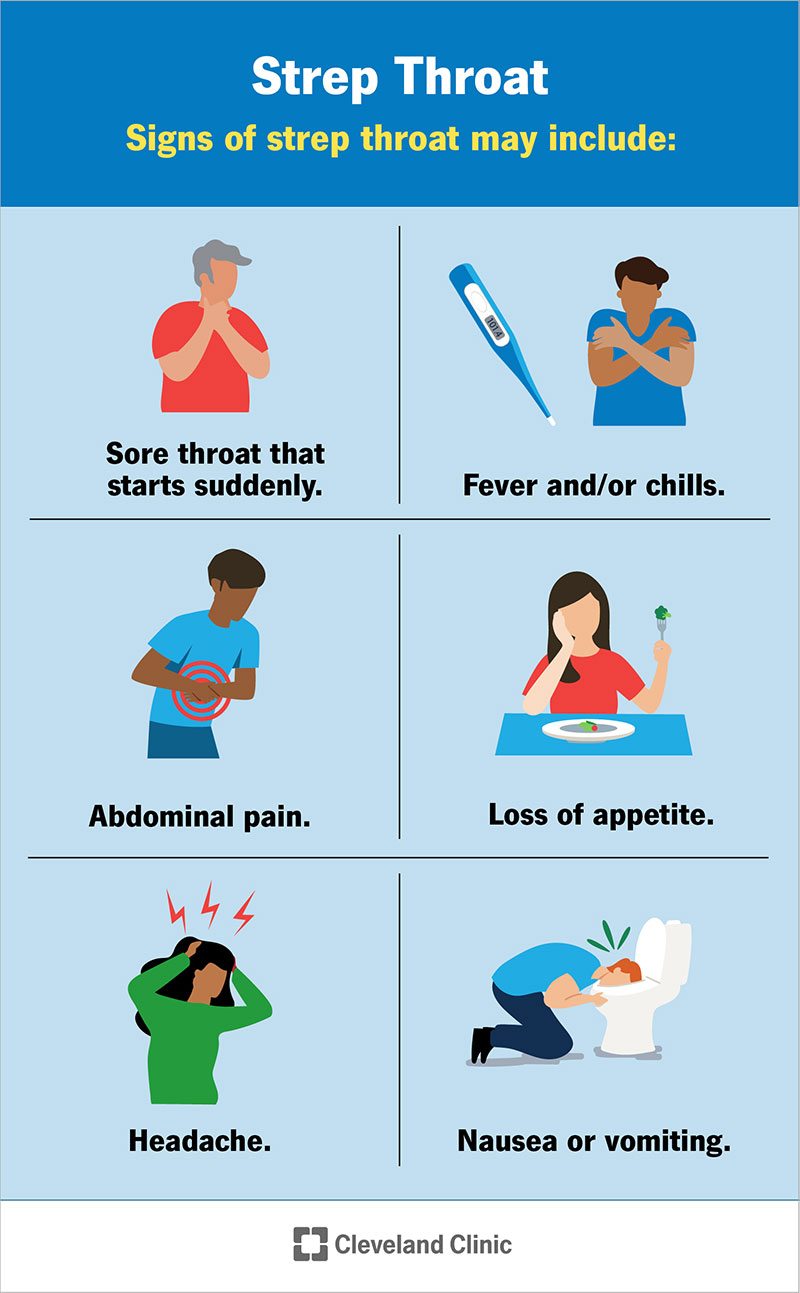
While viral infections are the most common cause of sore throats, bacterial infections can also play a role. Streptococcus pyogenes, commonly known as group A streptococcus, is a bacterium that can cause a condition known as streptococcal pharyngitis or strep throat. Unlike viral infections, strep throat generally requires antibiotic treatment. Other bacterial infections such as diphtheria and whooping cough can also lead to a sore throat. To reduce your risk of bacterial infections, it is important to practice good hygiene by washing your hands frequently, avoiding close contact with infected individuals, and seeking prompt medical treatment if symptoms of a bacterial infection arise.
Environmental Factors
Environmental factors can also contribute to the development of a sore throat. Dry air, especially during the winter months when heating systems are running, can cause irritation and dryness in the throat. This can lead to a sore throat and other uncomfortable symptoms. Additionally, exposure to pollutants and irritants in the air, such as cigarette smoke or chemical fumes, can irritate the throat and increase the risk of throat irritation. Using a humidifier to add moisture to the air and avoiding exposure to irritants can help prevent a sore throat caused by environmental factors.
Allergies
Allergic reactions can affect various parts of the body, including the throat. Allergies to substances such as pollen, dust mites, pet dander, and certain foods can cause inflammation and irritation in the throat, resulting in a sore throat. Identifying and avoiding allergens, using over-the-counter antihistamines, and seeking medical treatment for severe allergies can help manage allergic reactions and reduce the risk of a sore throat.
Exposure to Irritants
Exposure to irritants, such as certain chemicals, smoke, and cleaning products, can cause throat irritation and inflammation. This can lead to a sore throat and other respiratory symptoms. To minimize the risk of a sore throat from irritants, it is important to use protective measures such as wearing masks and gloves when handling chemicals, avoiding secondhand smoke, and using proper ventilation when using cleaning products or other potentially irritating substances.
Tonsillitis
Tonsillitis is a condition characterized by inflammation and infection of the tonsils, which are located at the back of the throat. Tonsillitis can be caused by both viral and bacterial infections, with symptoms including sore throat, swollen tonsils, difficulty swallowing, and fever. To reduce the risk of developing tonsillitis, practicing good respiratory hygiene, avoiding close contact with infected individuals, and maintaining a healthy immune system are crucial.
Gastroesophageal Reflux Disease (GERD)
GERD is a chronic condition characterized by the backward flow of stomach acid into the esophagus. This can lead to various symptoms, including a sore throat. The repeated exposure of stomach acid to the delicate tissues of the throat can cause irritation and inflammation, resulting in a sore throat. Managing GERD through lifestyle changes, such as avoiding trigger foods, not lying down immediately after eating, and losing weight if necessary, can help prevent a sore throat caused by this condition.
Weakened Immune System
Having a weakened immune system can increase your susceptibility to infections, including those that cause sore throats. Certain medical conditions, such as HIV/AIDS, diabetes, and autoimmune disorders, can weaken the immune system and make individuals more prone to infections. Taking steps to maintain a healthy immune system, such as getting adequate sleep, eating a nutritious diet, staying physically active, and managing stress, can help reduce the risk of developing a sore throat.
Close Contact with Infected Individuals
Since many sore throat-causing infections are highly contagious, close contact with infected individuals can significantly increase your risk of developing a sore throat. This can occur through direct contact, such as kissing, or through respiratory droplets when an infected person coughs or sneezes. To minimize the risk of contracting a sore throat from close contact with infected individuals, it is important to practice good respiratory hygiene, avoid sharing utensils or personal items, and maintain a healthy immune system through proper nutrition and rest.
Poor Hygiene Practices
Inadequate hygiene practices can contribute to the spread of infections that cause sore throats. Failing to wash your hands regularly, especially before eating or touching your face, can increase the risk of contracting viral or bacterial infections. Similarly, using contaminated utensils, sharing drinks or food, and neglecting to cover your mouth and nose when coughing or sneezing can also contribute to the spread of infections. By practicing regular hand hygiene, covering your mouth and nose when coughing or sneezing, and avoiding behaviors that can facilitate the spread of infections, you can greatly reduce your risk of developing a sore throat.
Precautions to Prevent Sore Throat
While it may not always be possible to completely avoid the risk factors for sore throat, there are precautions you can take to minimize your chances of developing this uncomfortable condition. By adopting these preventive measures, you can help keep your throat healthy and reduce the frequency and severity of sore throat episodes.
Maintain Good Respiratory Hygiene
Good respiratory hygiene is essential for preventing the spread of infections that cause sore throat. This includes covering your mouth and nose with a tissue or your elbow when coughing or sneezing, disposing of used tissues properly, and washing your hands regularly to eliminate any potential respiratory droplets you may have come into contact with. Practicing good respiratory hygiene not only reduces the risk of spreading infections to others but also helps protect you from contracting infections that can lead to a sore throat.
Avoid Close Contact with Infected Individuals
Since many sore throat-causing infections are highly contagious, it is important to avoid close contact with individuals who are infected. This includes staying away from crowded places, maintaining a safe distance from individuals who are coughing or sneezing, and avoiding physical contact with those who have a confirmed or suspected infection. By minimizing close contact with infected individuals, you can reduce your risk of contracting the infections that cause sore throat.
Practice Regular Hand Hygiene
Regular hand hygiene is a simple yet effective way to prevent the spread of infections that cause sore throat. Washing your hands with soap and water for at least 20 seconds, especially before eating or touching your face, can eliminate germs and reduce the risk of contracting viral or bacterial infections. If soap and water are not readily available, using an alcohol-based hand sanitizer containing at least 60% alcohol can be an acceptable alternative. By making regular hand hygiene a habit, you can significantly lower your chances of developing a sore throat.
Cover Your Mouth and Nose When Coughing or Sneezing
Covering your mouth and nose when coughing or sneezing is not only a courteous gesture but also an important preventive measure. Using a tissue or the inside of your elbow to cover your mouth and nose can help trap respiratory droplets and prevent them from becoming airborne or contaminating surfaces. This reduces the risk of spreading infections to others and helps minimize your chances of contracting infections that can result in a sore throat. Remember to dispose of used tissues properly and wash your hands afterward to maintain good hand hygiene.
Avoid Touching Your Face
Your hands come into contact with numerous surfaces throughout the day, many of which may harbor germs and pathogens. Touching your face, particularly your mouth, nose, and eyes, can facilitate the entry of these germs into your body and increase the risk of developing infections that can lead to a sore throat. By avoiding touching your face, you can reduce the likelihood of introducing germs into your system and lower your chances of developing a sore throat.
Use a Humidifier
Dry air can contribute to throat irritation and dryness, making you more susceptible to developing a sore throat. Using a humidifier can help add moisture to the air, thereby reducing the risk of throat irritation and keeping your throat hydrated. This is especially beneficial during the winter months when heating systems tend to dry out the air. Be sure to clean and maintain your humidifier regularly to prevent the growth of bacteria or mold, which can exacerbate respiratory symptoms and increase the risk of infections.
Stay Hydrated
Drinking an adequate amount of water and staying hydrated is crucial for maintaining a healthy throat. Proper hydration helps keep the throat moist and reduces the risk of irritation and inflammation that can lead to a sore throat. It also helps boost your immune system, making it more effective at fighting off infections. Aim to drink at least 8 glasses of water per day and increase your fluid intake if you are engaging in strenuous physical activity, in a hot or dry environment, or are experiencing symptoms of dehydration.
Avoid Smoking and Exposure to Secondhand Smoke
Smoking and exposure to secondhand smoke can severely irritate the throat and increase the risk of developing a sore throat. The chemicals and toxins present in smoke can damage the delicate tissues of the throat and impair its ability to fight off infections. If you smoke, quitting is the best step you can take to protect your throat and overall health. If you are a non-smoker, it is important to avoid exposure to secondhand smoke by staying away from areas where smoking is allowed and ensuring that your living environment is smoke-free.
Manage Allergies and GERD
If you have allergies or gastroesophageal reflux disease (GERD), effectively managing these conditions is crucial for preventing a sore throat. Allergies can cause throat inflammation and irritation, while GERD can lead to repeated exposure of stomach acid to the throat. By identifying and avoiding allergens, using over-the-counter antihistamines, and seeking medical treatment for severe allergies, you can minimize the risk of a sore throat. Similarly, managing GERD through lifestyle changes, medication, and regular follow-up with your healthcare provider can help prevent the irritation and inflammation of the throat.
Maintain a Healthy Lifestyle
Maintaining a healthy lifestyle is essential for reducing the risk of developing a sore throat and other infections. This includes getting enough sleep, eating a balanced diet rich in fruits and vegetables, staying physically active, managing stress, and avoiding excessive consumption of alcohol. A healthy lifestyle helps support a strong immune system, making it more effective at fighting off infections that can lead to a sore throat. By taking care of your overall health, you can significantly lower your chances of experiencing the discomfort of a sore throat.
In conclusion, understanding the risk factors for sore throat and taking necessary precautions can help minimize your chances of developing this uncomfortable condition. Whether it’s practicing good hygiene, avoiding close contact with infected individuals, or making lifestyle changes to support a healthy immune system, taking proactive steps can go a long way in maintaining a healthy throat. By adopting these preventive measures and staying mindful of your throat health, you can enjoy a life free from the discomfort of a sore throat.