
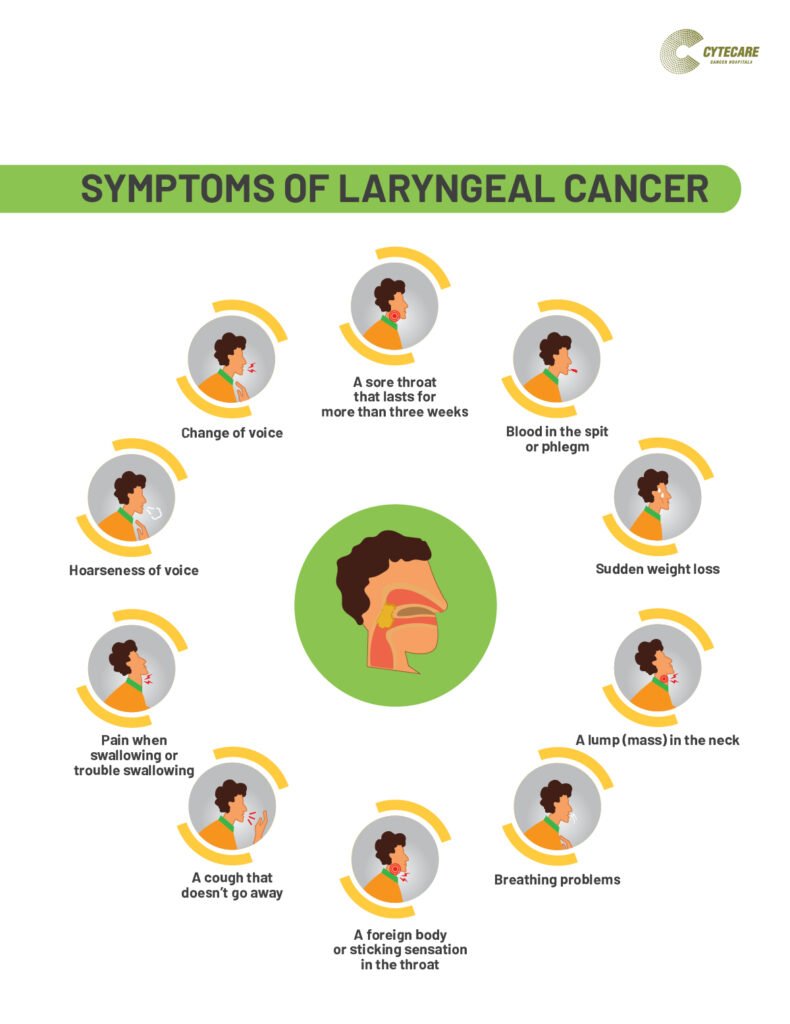
Throat cancer is a serious condition that can have devastating effects on your overall health. It is important to be aware of the risk factors associated with this type of cancer, as well as the precautions you can take to prevent it. By understanding the factors that increase your likelihood of developing throat cancer, such as smoking, excessive alcohol consumption, and exposure to certain viruses, you can make informed choices about your lifestyle and reduce your risk. Additionally, early detection is key in treating throat cancer, so it is crucial to recognize the symptoms and seek medical attention promptly. By taking these precautions, you can protect yourself and decrease your chances of developing this potentially life-threatening disease.
Risk Factors for Throat Cancer
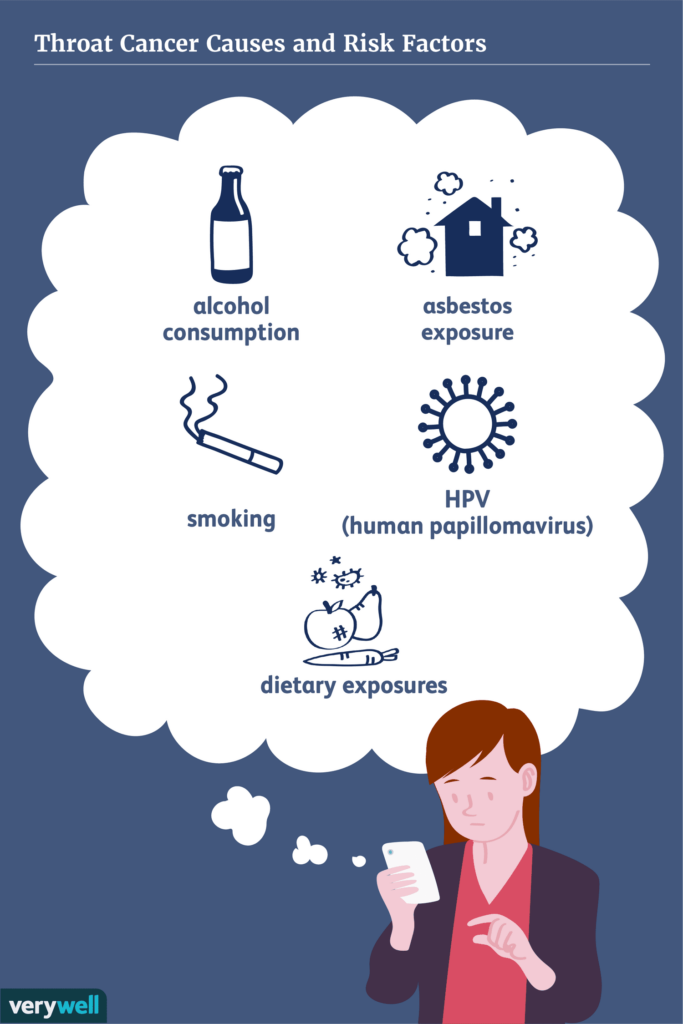
Throat cancer is a serious and potentially life-threatening disease that affects the throat, vocal cords, and other parts of the oropharynx. While the exact causes of throat cancer are not fully understood, there are several well-established risk factors that can increase your chances of developing this condition. By being aware of these risk factors, you can take steps to reduce your risk and protect your health.
Smoking
One of the most significant risk factors for throat cancer is smoking. Whether you smoke cigarettes, cigars, pipes, or use smokeless tobacco, all forms of tobacco use increase your chances of developing this type of cancer. Smoking exposes your throat and other parts of the respiratory system to harmful chemicals and toxins that can cause cellular damage and lead to the development of cancerous cells. Quitting smoking is the best way to reduce your risk of throat cancer and improve your overall health.
Excessive Alcohol Consumption
Excessive alcohol consumption is another major risk factor for throat cancer. The amount and duration of alcohol consumption are key factors that influence your risk. Heavy drinkers are more likely to develop throat cancer compared to those who drink in moderation or abstain from alcohol altogether. Combining alcohol with smoking further increases the risk. Additionally, the type of alcoholic beverages consumed can also contribute to the risk of throat cancer. It is advisable to limit your alcohol intake and seek help if you have difficulty moderating your consumption.
Human Papillomavirus (HPV) Infection
In recent years, the prevalence of human papillomavirus (HPV) infection has emerged as a significant risk factor for throat cancer. HPV types 16 and 18, which are primarily transmitted through sexual contact, have been found to be strongly associated with the development of throat cancer. Engaging in high-risk sexual behaviors, having multiple sexual partners, and practicing oral sex can increase your chances of acquiring an HPV infection and subsequently developing throat cancer. Regular screenings and safe sexual practices can help reduce the risk of HPV-related throat cancer.
Poor Oral Hygiene
Maintaining good oral hygiene is not only essential for healthy teeth and gums but also plays a role in reducing the risk of throat cancer. Poor oral hygiene, characterized by a lack of regular brushing and flossing, neglected dental care, and untreated oral infections, can contribute to the development of throat cancer. The bacteria and toxins present in an unhealthy mouth can potentially travel down into the throat, causing inflammation and increasing the risk of cancerous cell growth. Practicing good oral hygiene and seeking regular dental care are important steps in preventing throat cancer.
Gastroesophageal Reflux Disease (GERD)
Gastroesophageal reflux disease (GERD), commonly known as acid reflux, is a condition characterized by chronic acidic reflux from the stomach into the esophagus. Long-term acid exposure can lead to the development of a condition known as Barrett’s esophagus, where the lining of the esophagus undergoes changes, increasing the risk of throat cancer. People with GERD should seek medical treatment and manage their condition effectively to lower their chances of developing throat cancer.
Occupational Exposure
Certain occupational exposures have been linked to an increased risk of throat cancer. Exposure to asbestos, radiation, certain chemicals, and fumes can all contribute to the development of this disease. Those who work in industries such as construction, manufacturing, or mining may be at a higher risk due to their exposure to these carcinogens. It is crucial to follow safety guidelines, wear appropriate protective gear, and take necessary precautions to minimize occupational throat cancer risk.
Age and Gender
As with many types of cancer, age is a significant risk factor for throat cancer. The risk of developing this disease increases with age, with the majority of cases occurring in individuals over the age of 65. Additionally, gender differences also play a role, with men being more prone to throat cancer than women. It is important for individuals in older age groups and men to be aware of their increased risk and prioritize early detection and regular screenings.
Family History of Throat Cancer
Having a family history of throat cancer can also increase your risk of developing the disease. Genetic predispositions, shared environmental factors, or a combination of both can contribute to the inherited throat cancer risk. If you have a family history of throat cancer, it is essential to inform your healthcare provider so that they can assess your risk and recommend any necessary preventive measures or screenings.
Race and Ethnicity
Studies have shown that race and ethnicity can also influence the risk of developing throat cancer. Certain racial and ethnic groups, such as African Americans, have been found to have a higher incidence of throat cancer compared to others. These differences may be attributed to genetic factors, variations in environmental exposures, cultural practices, or socioeconomic factors. Regardless of race or ethnicity, it is important for everyone to be aware of the risk factors and take appropriate measures to protect their health.
Previous Head and Neck Cancer
Having a history of previous head and neck cancer can increase the risk of developing throat cancer. Individuals who have already been treated for cancer in these areas should be vigilant about their ongoing health and monitor for any signs or symptoms that may indicate a recurrence or the development of a new cancer. Regular follow-up visits with healthcare professionals and adhering to recommended surveillance protocols are crucial for early detection and effective management.
Support and Counseling
Receiving a diagnosis of throat cancer can be emotionally challenging, both for the patient and their caregivers. It is important to seek psychological support and counseling throughout the treatment process. Support groups, individual counseling sessions, and online resources can provide valuable guidance, coping strategies, and comfort during this difficult time. Connecting with others who have shared similar experiences can help alleviate feelings of isolation and provide a sense of community. Taking advantage of patient and caregiver resources can significantly enhance the overall well-being and quality of life for individuals affected by throat cancer.
In conclusion, understanding the risk factors associated with throat cancer is crucial for prevention, early detection, and effective management of the disease. By making positive lifestyle choices, such as quitting smoking, moderating alcohol consumption, practicing safe sex, maintaining good oral hygiene, and seeking regular medical check-ups, you can significantly reduce your chances of developing throat cancer. Additionally, if you have a family history of throat cancer or other risk factors, it is important to be proactive and discuss your concerns with your healthcare provider to establish an appropriate prevention and surveillance plan. Remember, taking care of your throat health is an essential part of protecting your overall well-being and living a healthy, fulfilling life.
