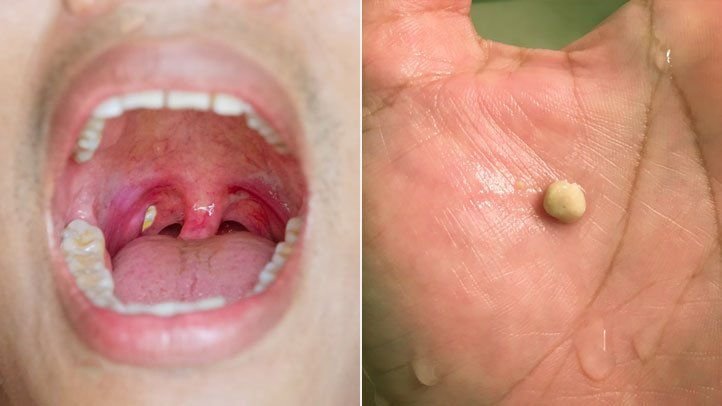
Have you ever experienced a strange, lingering odor or discomfort in the back of your throat? If so, you may be familiar with tonsil stones, a common condition that often goes unnoticed. In this article, we will explore the risk factors associated with tonsil stones and provide some easy precautions you can take to prevent their formation. So, sit back, relax, and read on to learn more about this intriguing and often overlooked health concern.
Risk Factors for Tonsil Stones
Poor Oral Hygiene
Maintaining good oral hygiene is crucial to prevent the development of tonsil stones. When you neglect your oral health, bacteria and debris can accumulate in your mouth, leading to the formation of these pesky stones. To reduce the risk of tonsil stones, make sure you brush your teeth twice a day, floss daily, and use antibacterial mouthwash. Don’t forget to clean your tongue as well, as it can harbor bacteria and contribute to the formation of tonsil stones.
Chronic Tonsillitis
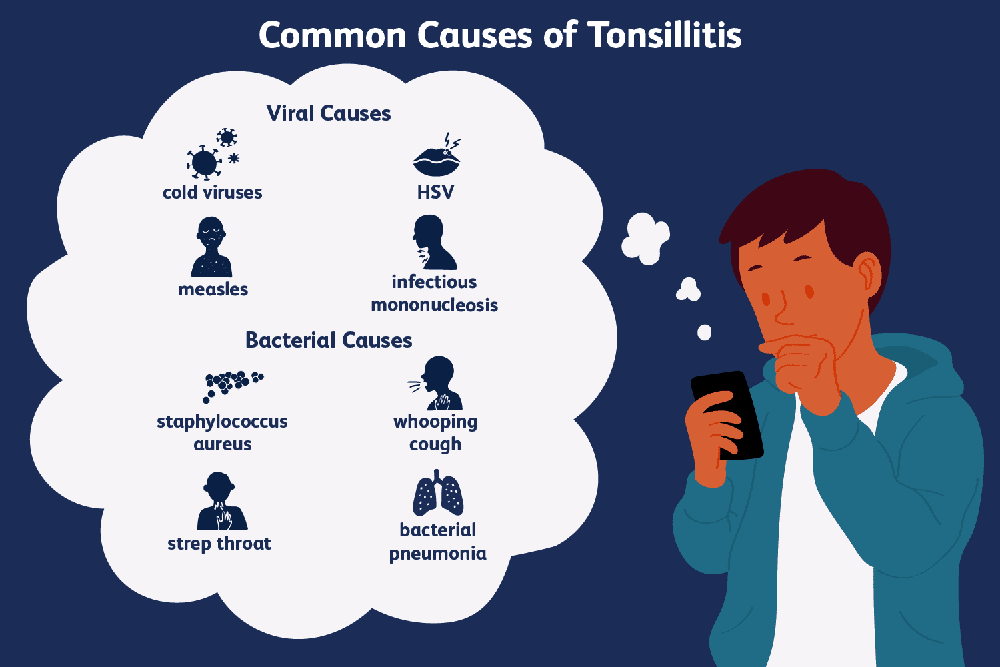
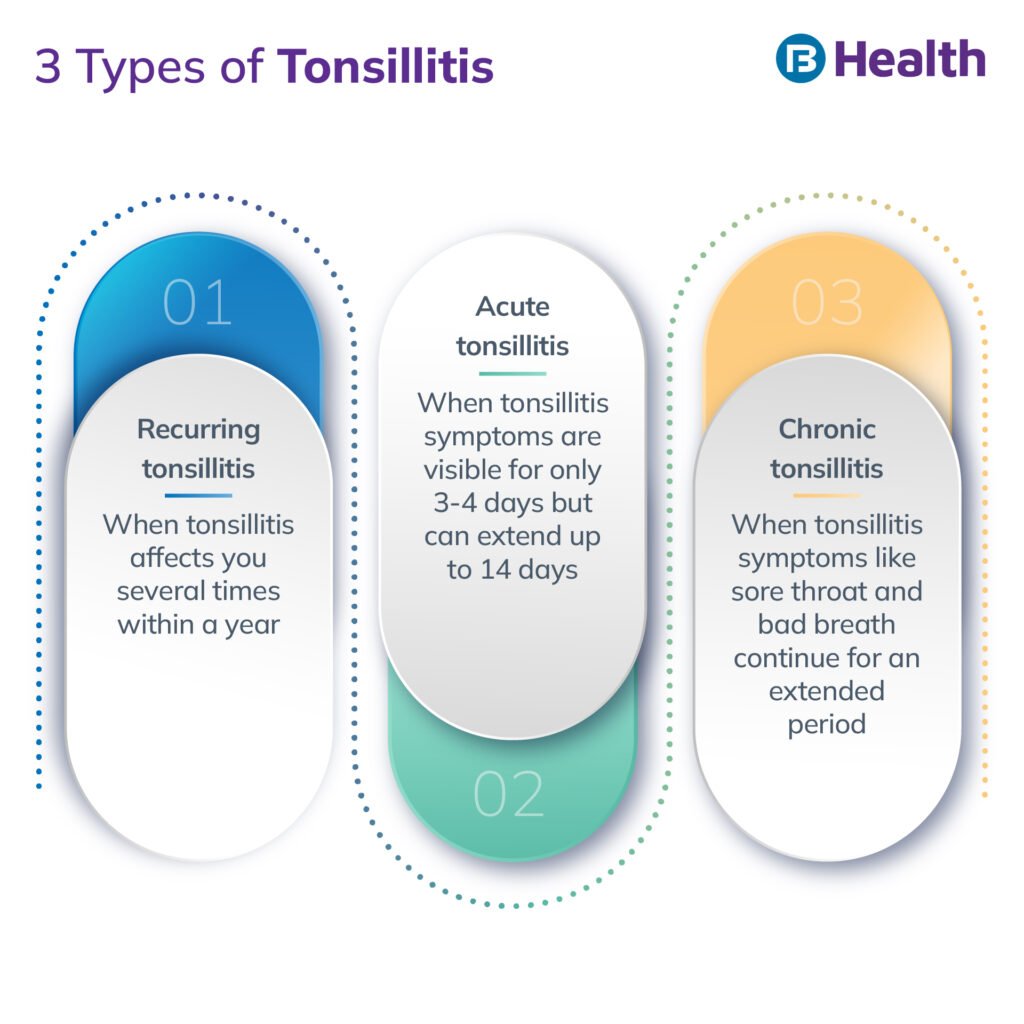
Individuals who suffer from chronic tonsillitis are more prone to developing tonsil stones. Tonsillitis, an inflammation of the tonsils caused by bacterial or viral infections, can create an environment conducive to the formation of these stones. Seeking medical treatment for chronic tonsillitis and following the prescribed course of antibiotics can help reduce the risk of tonsil stones.
Large Tonsils
Having naturally larger tonsils can increase the likelihood of tonsil stone formation. The larger the tonsils, the more surface area there is for debris, bacteria, and mucus to accumulate, leading to the formation of stones. If you have large tonsils, it is essential to maintain good oral hygiene and consider getting them checked by a medical professional. In some cases, surgical removal of the tonsils, called a tonsillectomy, may be recommended to prevent recurrent tonsil stone formation.
Sinus Issues
Sinus issues, such as chronic sinusitis or nasal polyps, can contribute to the development of tonsil stones. When the sinuses don’t drain effectively, mucus can accumulate in the back of the throat, leading to the formation of these stones. Managing sinus issues through proper medical treatment, such as nasal irrigation or prescription medications, can help reduce the risk of tonsil stones.
Postnasal Drip
Postnasal drip occurs when excessive mucus produced by the nose and sinuses drips down the back of the throat. This condition can create the perfect environment for the formation of tonsil stones, as the excess mucus combines with bacteria and debris. To minimize postnasal drip and the associated risk of tonsil stones, consider using saline nasal sprays or rinses to keep your nasal passages clear. It is also essential to manage any underlying conditions, such as allergies or sinus infections, that may contribute to postnasal drip.
Dry Mouth
A dry mouth, also known as xerostomia, can increase the likelihood of tonsil stone formation. Saliva plays a vital role in naturally cleaning the mouth and removing bacteria and debris. When there is insufficient saliva production, the build-up of bacteria and debris increases, leading to tonsil stones. To combat dry mouth, make sure to stay hydrated, chew sugar-free gum to stimulate saliva production, and consider using oral moisturizing products specifically designed for dry mouth relief.
Dietary Factors
Certain dietary factors can contribute to the formation of tonsil stones. Foods that are high in dairy, such as milk and cheese, can increase mucus production and contribute to the build-up of debris in the tonsils. Sugary foods and drinks can also promote bacterial growth in the mouth, leading to tonsil stone formation. To reduce the risk, try to consume a well-balanced diet, rich in fruits and vegetables, and limit the intake of dairy and sugary foods.
Smoking and Tobacco Use
Smoking and tobacco use not only pose severe health risks but can also increase the likelihood of tonsil stone development. The chemicals in cigarettes, along with the dryness caused by smoking, can irritate the throat and reduce saliva production, creating a favorable environment for tonsil stones. Quitting smoking and avoiding tobacco use altogether will not only improve your overall health but also significantly reduce the risk of tonsil stone formation.
Genetic Predisposition
Genetics can play a role in your susceptibility to tonsil stones. Some individuals may have a genetic predisposition that makes them more prone to developing these stones. While you cannot change your genetic makeup, being aware of this risk factor can motivate you to be more diligent in practicing good oral hygiene and seeking medical help if needed.
Weakened Immune System
People with weakened immune systems may be more susceptible to tonsil stones. A weakened immune system cannot effectively fight off bacteria and infections, allowing them to accumulate and contribute to tonsil stone formation. To strengthen your immune system, make sure to prioritize a healthy lifestyle, including regular exercise, a balanced diet, adequate sleep, and stress management. Additionally, consider discussing immune-boosting supplements with your healthcare provider.
Precautions for Tonsil Stones
Maintain Good Oral Hygiene
As mentioned earlier, good oral hygiene is the cornerstone of preventing tonsil stones. Brushing your teeth twice a day, flossing daily, using antibacterial mouthwash, and cleaning your tongue can significantly reduce the risk of tonsil stones. Additionally, regular dental check-ups and cleanings can help detect and address any oral health issues that may contribute to tonsil stone formation.
Regularly Gargle and Rinse
Gargling with saltwater or a non-alcoholic mouthwash can help dislodge and remove debris from the tonsils. Rinsing your mouth after every meal or snack can also help remove food particles that may contribute to tonsil stones. Incorporating these simple practices into your daily oral hygiene routine can go a long way in preventing tonsil stone formation.
Stay Hydrated
Staying hydrated is essential for overall health, including oral health. A well-hydrated mouth produces an adequate amount of saliva, which helps flush away bacteria and debris, reducing the risk of tonsil stone formation. Make sure to drink plenty of water throughout the day and avoid excessive consumption of dehydrating beverages like alcohol or caffeinated drinks.
Manage Sinus Issues
If you suffer from chronic sinus issues, it is crucial to manage them effectively to minimize the risk of tonsil stones. Consult with a healthcare professional to determine the underlying cause of your sinus issues and develop a treatment plan. This may include nasal irrigation, prescription medications, or even surgery in severe cases. By addressing your sinus issues, you can reduce postnasal drip and the accumulation of mucus in the throat, thereby lowering the risk of tonsil stones.
Avoid Triggering Foods
Certain foods can trigger the formation of tonsil stones or exacerbate existing ones. Dairy products, sugary foods, and drinks high in acid can contribute to mucus production, bacterial growth, and debris accumulation in the tonsils. By avoiding or limiting the consumption of these triggering foods, you can minimize the risk of tonsil stone formation.
Quit Smoking and Avoid Tobacco Use
If you are a smoker or use tobacco products, quitting is crucial not only to reduce the risk of tonsil stones but also for your overall health. Smoking and tobacco use can dry out the throat, impair saliva production, and create an environment conducive to tonsil stone formation. Seek professional help and support to quit smoking, as it can be a challenging habit to break.
Genetic Counselling
If you have a family history of tonsil stones or are aware of a genetic predisposition, consider consulting with a genetic counselor. They can provide valuable information and guidance on managing the risk factors associated with tonsil stones. By understanding your genetic predisposition, you can take proactive measures to prevent or minimize the impact of tonsil stones.
Boost Your Immune System
A strong immune system is essential for your overall health, including protecting against tonsil stones. Adopt a healthy lifestyle that includes regular exercise, a balanced diet, adequate sleep, and stress management. Your healthcare provider may also recommend immune-boosting supplements or provide guidance on specific dietary changes or supplements that can strengthen your immune system.
Seek Medical Help
If you regularly experience tonsil stones or are concerned about their formation, it is important to seek medical help. A healthcare professional can evaluate your individual situation, provide appropriate treatment or management options, and address any underlying conditions contributing to tonsil stone formation. Do not hesitate to reach out for medical assistance, as early intervention can prevent complications and improve your quality of life.
In conclusion, understanding the risk factors for tonsil stones and taking appropriate precautions can significantly reduce their occurrence. By maintaining good oral hygiene, managing underlying conditions, and adopting a healthy lifestyle, you can minimize the risk of tonsil stones and promote better oral health overall. Remember, it is always beneficial to consult with a healthcare professional for personalized advice and guidance.