
Are you concerned about varicose veins and want to know more about the risk factors and precautions associated with them? Well, look no further! In this informative article, we will explore the various factors that contribute to the development of varicose veins and provide you with essential precautions to help prevent or manage this common condition. Whether you are already experiencing symptoms or simply want to be proactive in maintaining healthy veins, this article will provide you with valuable insights and tips to keep your legs looking and feeling their best. So, let’s dive in and learn more about the risk factors and precautions for varicose veins!
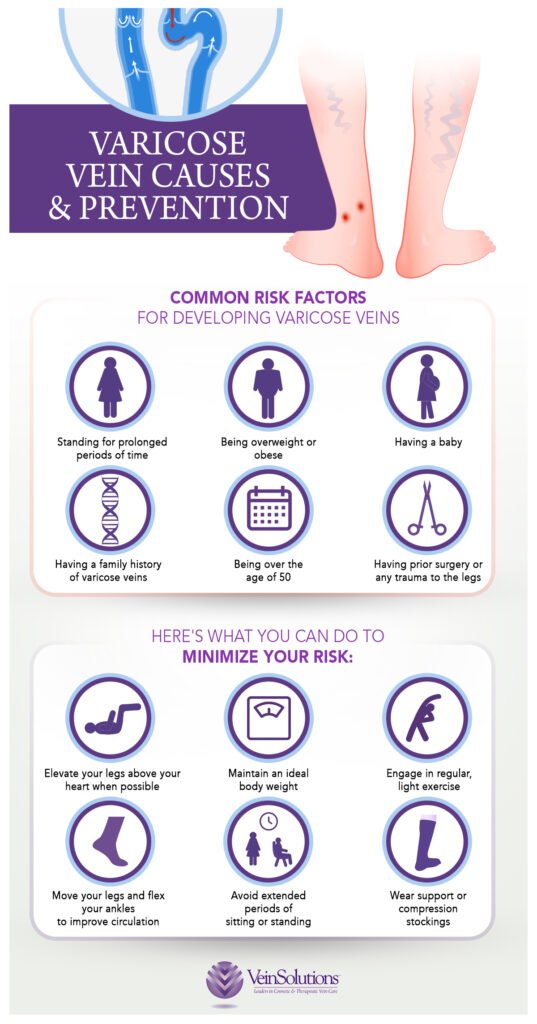
Risk Factors for Varicose Veins
Varicose veins are a common condition that affects many individuals, particularly as they age. While varicose veins are often harmless and primarily a cosmetic concern, they can sometimes cause discomfort and other complications. Understanding the risk factors associated with varicose veins can help individuals take proactive steps to prevent them or reduce their severity.
Age
One of the primary risk factors for varicose veins is advancing age. As we get older, our veins tend to lose their elasticity, making them more prone to becoming enlarged and twisted. This is especially true for individuals over the age of 50. However, it’s important to note that varicose veins can develop at any age, so younger individuals should also be mindful of other risk factors and take preventive measures.
Gender
Gender also plays a significant role in the development of varicose veins. Women are more likely to develop varicose veins than men. This is largely due to hormonal factors, such as pregnancy and menopause, which can weaken the vein walls and impair blood flow. Additionally, female sex hormones tend to relax the vein walls, making them more susceptible to becoming varicose.
Family History
If varicose veins run in your family, you may have an increased risk of developing them yourself. A genetic predisposition can make you more susceptible to weakened vein valves and impaired blood flow. It’s essential to be aware of your family history and take preventive measures if necessary, even if you haven’t experienced any symptoms yet.
Obesity
Maintaining a healthy weight is important for overall wellness, but it also plays a role in preventing varicose veins. Excess weight puts added pressure on the veins, making them work harder to circulate blood properly. This increased strain can lead to the development of varicose veins or worsen existing ones. Maintaining a healthy weight through proper diet and regular exercise can help reduce this risk factor.
Pregnancy
Pregnancy is a time of significant hormonal changes and increased blood volume, which can put extra pressure on the veins. As the uterus grows, it can compress the veins in the pelvic area, making it more difficult for blood to flow back up to the heart. Hormonal changes, particularly the increased levels of progesterone, can also relax the vein walls, leading to the development of varicose veins. Taking preventive measures during pregnancy, such as wearing compression stockings and elevating the legs, can help reduce the risk of varicose veins.
Occupation
Certain occupations that involve prolonged standing or sitting can increase the risk of varicose veins. Jobs that require you to be on your feet for extended periods, such as nurses, teachers, or retail workers, can cause blood to pool in the legs and increase pressure on the veins. Similarly, jobs that involve prolonged sitting, such as office work, can also restrict blood flow and contribute to the development of varicose veins. If you have a job that involves long periods of standing or sitting, taking regular breaks to move around and stretch can help alleviate this risk.
Lack of Physical Activity
Regular physical activity is not only crucial for maintaining overall health, but it can also help prevent varicose veins. Exercise, particularly activities that engage the leg muscles, promotes healthy blood circulation and strengthens the veins. By staying active and incorporating activities such as walking, cycling, or swimming into your routine, you can reduce the risk of varicose veins and improve your overall cardiovascular health.
Smoking
Smoking is a risk factor for a wide range of health conditions, and varicose veins are no exception. Smoking damages blood vessels and impairs blood circulation, which can contribute to the development of varicose veins. Additionally, it can weaken the vein walls and affect their ability to properly transport blood. By quitting smoking, you can significantly reduce your risk of varicose veins while also improving your overall health.
Hormonal Factors
Hormones can have a significant impact on vein health, particularly for women. As mentioned earlier, female sex hormones can relax the vein walls, making them more susceptible to becoming varicose. Hormonal changes during puberty, pregnancy, and menopause can all increase the risk of developing varicose veins. Proper hormone management, such as hormone replacement therapy during menopause, can help mitigate this risk factor.
Medical Conditions
Certain medical conditions can also contribute to the development of varicose veins. Conditions that increase pressure on the veins or hinder proper blood flow, such as deep vein thrombosis (DVT) or chronic venous insufficiency, can lead to the formation of varicose veins. Managing these underlying medical conditions is crucial in reducing the risk of varicose veins and preventing complications.

Precautions to Prevent Varicose Veins
While some risk factors for varicose veins are beyond our control, many precautions can be taken to reduce the likelihood of developing varicose veins or alleviate their severity. By incorporating these preventive measures into your daily routine, you can promote vein health and maintain healthy blood circulation.
Maintain a Healthy Weight
Maintaining a healthy weight is not only important for overall health but also contributes to the prevention of varicose veins. By reducing excess weight, you can alleviate pressure on the veins, allowing them to work more efficiently and maintain proper blood flow. A balanced diet, rich in fruits, vegetables, and whole grains, combined with regular exercise, can help you achieve and maintain a healthy weight.
Exercise Regularly
Regular physical activity is one of the most effective ways to promote healthy blood circulation and prevent varicose veins. Engaging in activities that target the leg muscles, such as walking, jogging, cycling, or swimming, can strengthen the veins and improve their ability to pump blood. Aim for at least 30 minutes of moderate-intensity exercise most days of the week to reap the benefits.
Avoid Prolonged Sitting or Standing
If your occupation requires prolonged periods of sitting or standing, it’s important to take regular breaks to alleviate the pressure on your veins. Sitting or standing for long periods can hinder blood flow and contribute to the development of varicose veins. Make a conscious effort to change positions frequently, stretch your legs, and take short walks to promote healthy circulation.
Elevate Your Legs
Elevating your legs can help reduce the pooling of blood in the veins and alleviate the discomfort associated with varicose veins. Whenever possible, prop your legs up on a pillow or ottoman to raise them above heart level. This simple act can encourage blood to flow more effectively and relieve swelling and pain.
Wear Compression Stockings
Compression stockings are specially designed to apply gentle pressure to the legs, promoting healthy blood flow and preventing blood from pooling in the veins. Wearing compression stockings can help reduce the risk of varicose veins and alleviate symptoms if you already have them. Consult with a healthcare professional to determine the appropriate compression level and fit for your needs.
Avoid Tight Clothing
Wearing tight clothing, particularly around the waist, groin, or legs, can restrict blood flow and contribute to the development of varicose veins. Opt for loose-fitting clothes that allow for unrestricted movement and promote healthy circulation. Avoid garments that create constriction or tightness in the leg or waist area to reduce the risk of varicose veins.
Take Regular Breaks
If you have a sedentary job that involves prolonged sitting, make it a habit to take regular breaks to move around and stretch your legs. Walking around for a few minutes every hour can help stimulate blood flow and prevent blood from pooling in your legs. Consider setting reminders or using a standing desk to encourage regular movement throughout the day.
Quit Smoking
Smoking damages blood vessels and impairs blood flow, making it a significant risk factor for varicose veins. By quitting smoking, you can improve your overall cardiovascular health and significantly reduce your risk of developing varicose veins. Seek support from healthcare professionals or smoking cessation programs to successfully quit smoking.
Manage Hormonal Imbalances
For individuals experiencing hormonal imbalances, such as during pregnancy or menopause, it’s important to work closely with healthcare professionals to manage these imbalances effectively. Hormonal fluctuations can increase the risk of varicose veins, so proper hormone management, such as hormone replacement therapy or other prescribed treatments, can help reduce this risk factor.
Treat Underlying Medical Conditions
If you have underlying medical conditions that contribute to the development of varicose veins, such as deep vein thrombosis or chronic venous insufficiency, it’s crucial to have them properly diagnosed and treated. Treating these underlying conditions can minimize the risk of varicose veins and prevent potential complications. Consult with healthcare professionals to develop an appropriate treatment plan.
By understanding the risk factors for varicose veins and implementing these preventive measures, you can take proactive steps to promote healthy veins and reduce the likelihood of developing varicose veins. Remember to consult with healthcare professionals for personalized advice and guidance based on your specific situation. With these precautions in place, you can maintain optimal vein health and enjoy a better quality of life.
