
You’re here because you’re considering or have been diagnosed with an acoustic neuroma, and radiation therapy is on the table as a treatment option. That’s a big step, and it’s smart of you to be diving deep into understanding the potential risks involved. As your Listicle Content Architect, I’m going to break down these risks into digestible pieces, so you can approach your treatment decisions with clarity and confidence. This isn’t about scaring you; it’s about empowering you with knowledge. Let’s get started.
Before we delve into the risks, it’s crucial to understand what acoustic neuroma is and the rationale behind radiation as a treatment. This foundational knowledge will provide context for the potential side effects you might encounter.
What You’re Dealing With: Acoustic Neuroma
An acoustic neuroma, also known as a vestibular schwannoma, is a non-cancerous (benign) tumor that develops on the vestibulocochlear nerve. This nerve is responsible for your hearing and balance. Typically, these tumors grow slowly, and the symptoms they cause – such as hearing loss, tinnitus (ringing in the ear), and problems with balance or dizziness – can develop gradually over time. In some instances, they can grow large enough to press on surrounding structures, like cranial nerves and the brainstem, leading to more significant neurological issues.
Why Radiation Enters the Picture
When an acoustic neuroma is diagnosed, several treatment options might be considered. For smaller tumors, or in cases where surgery carries a higher risk due to a patient’s overall health or the tumor’s location, radiation therapy is often a preferred approach. The primary goal of radiation therapy for acoustic neuroma is not to remove the tumor, but to stop its growth or even cause it to shrink over time. This is achieved by delivering targeted doses of radiation to the tumor cells, damaging their DNA and preventing them from dividing and multiplying.
Types of Radiation Therapy for Acoustic Neuroma
It’s important to know that “radiation therapy” isn’t a monolithic treatment. For acoustic neuromas, two main approaches are commonly used:
Stereotactic Radiosurgery (SRS)
This is a highly precise form of radiation delivery. SRS uses multiple beams of radiation from different angles to converge on the tumor with extreme accuracy. Think of it like focusing a magnifying glass to a single point using sunlight. The surrounding healthy tissue receives a much lower dose of radiation, minimizing damage. SRS is typically delivered in one to five treatment sessions. Common forms of SRS include Gamma Knife, CyberKnife, and LINAC-based SRS.
Fractionated Stereotactic Radiotherapy (FSRT)
This approach is similar to SRS in its precision but distributes the total radiation dose over a longer period, usually several weeks, with smaller doses delivered each day. This “fractionation” can sometimes be beneficial in further reducing the risk of certain side effects by allowing healthy tissues more time to repair themselves between radiation sessions. FSRT is often used for larger tumors or when there’s a concern about potential nerve damage with a single high dose.
2. Direct Damage to Nerves: The Immediate and Lingering Concerns
The radiation targeting your acoustic neuroma is incredibly precise, aiming to spare as much healthy tissue as possible. However, the tumor itself is intimately intertwined with crucial cranial nerves. Therefore, a primary risk of radiation treatment is direct damage to these delicate structures, leading to a range of functional impairments.
Facial Nerve Dysfunction: The Most Common Concern
The facial nerve (cranial nerve VII) runs very close to acoustic neuromas and can be affected by radiation. This nerve controls the muscles responsible for facial expressions.
Temporary or Permanent Weakness
You might experience temporary weakness in the muscles on the side of your face where the tumor is located. This can manifest as a drooping eyelid, difficulty closing your eye, changes in your smile, or even temporary paralysis. In most cases, this weakness is mild and resolves over weeks or months as the inflammation from radiation subsides. However, in some instances, the nerve damage can be more significant and may lead to permanent weakness, requiring ongoing management.
Difficulty with Eye Closure
A significant concern with facial nerve weakness is the inability to fully close your eye. This can lead to dry eyes, which can cause irritation, pain, and if left untreated, can even affect your vision. Protective measures like lubricating eye drops and patching are often recommended.
Taste Disturbances
The facial nerve also carries taste signals from the front two-thirds of your tongue. Radiation-induced damage can sometimes lead to a metallic taste or a reduced ability to taste food on the affected side.
Trigeminal Nerve Irritation: Affecting Sensation and Jaw Function
The trigeminal nerve (cranial nerve V) is another vital nerve that can be affected by radiation. It’s responsible for sensation in your face, including touch, pain, and temperature, and it also plays a role in chewing.
Facial Numbness or Tingling
You may experience periods of numbness, tingling, or altered sensation in the areas supplied by the trigeminal nerve on the side of your face. Similar to facial nerve issues, this is often temporary but can be persistent in some individuals.
Jaw Pain or Difficulty Chewing
In more significant cases, radiation can affect the motor branches of the trigeminal nerve, leading to discomfort or difficulty when chewing. This can impact your diet and overall quality of life.
Cochlear Nerve and Vestibular Nerve Compromise: Impacting Hearing and Balance
The acoustic neuroma arises from the vestibulocochlear nerve (cranial nerve VIII), which itself is composed of the cochlear nerve (hearing) and the vestibular nerve (balance). Radiation therapy, while aiming to preserve function, inherently carries the risk of further impacting these already compromised nerves.
Progressive Hearing Loss
Even with precise radiation delivery, there’s a risk of further hearing deterioration in the treated ear. This can be a gradual process and might occur months or even years after treatment. The degree of hearing loss can vary, from mild to severe, and it is generally irreversible. Regular audiogram testing is crucial to monitor hearing function post-treatment.
Worsening Tinnitus
If you already experience tinnitus (ringing in the ear), radiation can sometimes exacerbate it, making the sound louder or more persistent.
Balance Problems and Dizziness
Damage to the vestibular nerve can lead to increased or persistent problems with balance and dizziness (vertigo). This can affect your mobility and increase the risk of falls. The impact on balance can be particularly challenging for individuals who rely heavily on their hearing and balance for daily activities.
3. Delayed and Cumulative Effects: The Long Game of Radiation
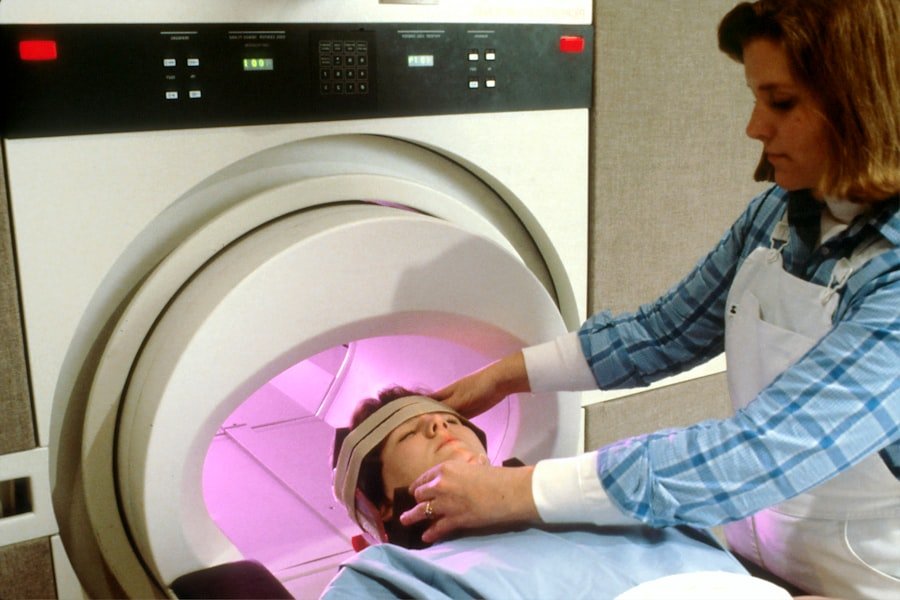
The impact of radiation therapy isn’t always immediate. Some side effects emerge months or even years after treatment has concluded. These delayed effects are often related to the slow remodeling of tissues and nerves after radiation exposure, and understanding them allows for proactive management.
Radiation-Induced Necrosis: When Healthy Tissue Suffers
In rare instances, the radiation dose, even when carefully planned, can lead to a breakdown of healthy tissue surrounding the tumor. This is known as radiation necrosis.
Symptoms of Necrosis
Symptoms of radiation necrosis can mimic tumor recurrence and can include new or worsening neurological deficits, headaches, seizures, and changes seen on MRI scans. It occurs when the radiation damages blood vessels within the brain, leading to a lack of oxygen and nutrients for the brain cells.
Management Challenges
Managing radiation necrosis can be complex. Treatments often involve corticosteroids to reduce swelling and, in some severe cases, surgery to remove the necrotic tissue. It’s a serious complication that requires vigilant monitoring and prompt intervention.
Cognitive Changes: Subtle but Significant Impacts
While less commonly discussed, there is a potential for radiation to affect cognitive functions, particularly with higher doses or broader treatment fields.
Memory and Concentration Issues
Some individuals may experience subtle changes in memory, concentration, or processing speed. These effects are generally mild and may not be noticeable to everyone. However, for certain professions or individuals who rely heavily on these cognitive skills, they can be a source of concern.
Long-Term Monitoring
Ongoing research is assessing the long-term cognitive impact of radiation therapy for acoustic neuroma. Maintaining a healthy lifestyle, engaging in mentally stimulating activities, and staying hydrated can all play a role in cognitive health.
Increased Risk of Secondary Tumors: A Long-Term Concern
This is a very rare but important long-term risk to consider. Radiation, by its nature, can damage DNA in cells, and in extremely rare cases, this damage can contribute to the development of a new, secondary tumor years down the line.
The Rarity Factor
It is crucial to emphasize that the risk of secondary tumors from modern, precise radiation techniques is exceedingly low. The benefits of treating the acoustic neuroma – preventing further growth and potential severe neurological damage – generally far outweigh this theoretical risk for most patients.
Ongoing Surveillance
This is why long-term follow-up imaging with MRI is so important. It allows your medical team to monitor for any changes, including the development of new lesions, and address them promptly if they arise.
4. Treatment-Specific Complications: Beyond the Direct Radiation Effects
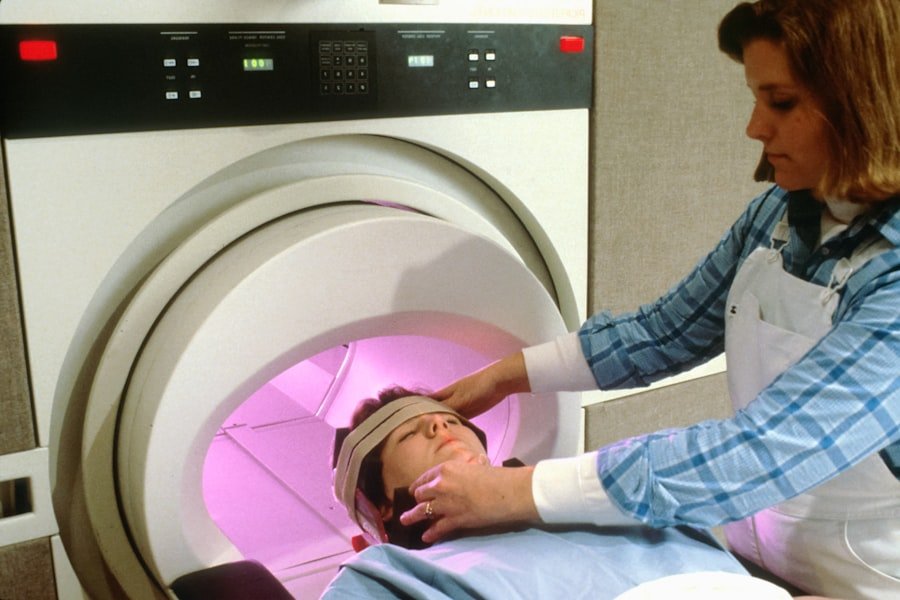
While the primary risks revolve around direct nerve damage and the inherent effects of radiation, there are also complications intrinsically tied to the delivery of the radiation therapy itself, the procedures involved, and the aftercare.
Radiation Pneumonitis: A Concern for Certain Treatment Techniques
Although most acoustic neuroma radiation is highly focused on the head and neck, some treatment delivery systems, particularly those involving larger treatment fields or specific positioning devices, can inadvertently involve lung tissue.
Symptoms and Management
If the lungs are incidentally exposed to radiation, it can lead to a condition called radiation pneumonitis. Symptoms include a dry cough, shortness of breath, and fatigue. If this occurs, your medical team will monitor your lung function closely and may prescribe medication to manage the inflammation.
Technological Advancements
Advances in radiation planning and delivery systems have significantly reduced the likelihood of lung involvement for acoustic neuroma treatment. Precise targeting ensures that the radiation beams are almost exclusively directed to the tumor.
Skin Irritation: A Superficial but Manageable Issue
During the course of radiation therapy, especially if multiple sessions are involved, the skin in the treatment field can become irritated.
Redness, Dryness, and Itching
You might notice redness, dryness, or mild itching in the area where the radiation is delivered. This is a common side effect, similar to a mild sunburn.
Skin Care Recommendations
Your radiation oncology team will provide specific instructions for skin care, which usually involve gentle cleansing, moisturizing with specific creams or lotions recommended by your doctor, and avoiding harsh soaps or scrubbing. This irritation typically resolves shortly after treatment ends.
Otitis Media or Externa: Infections in the Ear
The proximity of the ear canal and middle ear to the radiation field can, in some cases, lead to inflammation or infection.
Inflammation and Pain
This can manifest as ear pain, a feeling of fullness in the ear, or discharge. It’s important to report any ear discomfort to your medical team immediately.
Treatment and Prevention
Treatment usually involves ear drops or oral antibiotics. Maintaining good ear hygiene and following your medical team’s advice on managing ear-related symptoms is key.
5. Psychological and Lifestyle Adjustments: The Unseen Toll
| Risk Factor | Likelihood | Severity |
|---|---|---|
| Hearing Loss | High | Medium |
| Tinnitus | Medium | Low |
| Facial Nerve Damage | Low | High |
| Brain Swelling | Low | High |
Beyond the physical manifestations, undergoing radiation therapy for an acoustic neuroma can also have significant psychological and lifestyle implications. Acknowledging and preparing for these aspects is as vital as understanding the physical risks.
Anxiety and Fear: Navigating the Unknown
The diagnosis of an acoustic neuroma and the subsequent decision for treatment can be a source of considerable anxiety and fear. The uncertainty about the outcome, the potential side effects, and the changes to your body can be overwhelming.
Coping Strategies
- Education is Key: The more you understand about your condition and treatment, the less power the unknown has over you.
- Open Communication with Your Team: Don’t hesitate to ask your doctors and nurses any questions you have. They are your best resource.
- Support Networks: Connect with friends, family, or support groups for individuals with acoustic neuromas. Sharing experiences can be incredibly validating.
- Mindfulness and Relaxation Techniques: Practices like deep breathing exercises, meditation, or yoga can help manage stress and anxiety.
Impact on Daily Activities: Adapting to Changes
The symptoms of acoustic neuroma, and potentially the side effects of treatment, can necessitate adjustments to your daily life.
Mobility and Balance Concerns
As discussed, balance issues can impact your ability to walk unassisted or participate in certain physical activities. You may need to adapt your environment to reduce fall risks and consider physical therapy to improve balance.
Work and Social Life
Depending on the severity of symptoms and side effects, you might need to take time off work or adjust your work responsibilities. Social activities might also require modifications, especially if you experience fatigue or balance problems.
Emotional Well-being
The cumulative effect of physical symptoms, treatment side effects, and lifestyle adjustments can impact your emotional well-being. It’s important to be mindful of your mood and seek professional support from a therapist or counselor if you experience persistent sadness, irritability, or feel overwhelmed.
The Importance of a Holistic Approach: Mind-Body Connection
Remember that your physical and mental health are deeply interconnected. Addressing both the physical risks of radiation and the psychological impact of the entire journey is crucial for a successful and fulfilling recovery. Your healthcare team isn’t just treating a tumor; they’re caring for you as a whole person. Open dialogue about any concerns, physical or emotional, is your most powerful tool.
FAQs
What is acoustic neuroma radiation treatment?
Acoustic neuroma radiation treatment, also known as stereotactic radiosurgery, is a non-invasive procedure that uses highly focused radiation beams to target and destroy acoustic neuromas, which are non-cancerous tumors that develop on the main nerve leading from the inner ear to the brain.
What are the risks associated with acoustic neuroma radiation treatment?
Some potential risks of acoustic neuroma radiation treatment include damage to surrounding healthy tissue, hearing loss, facial weakness, balance problems, and the development of new tumors. Additionally, there is a risk of radiation-induced complications such as radiation necrosis, which is the death of tissue due to radiation exposure.
How common are the risks of acoustic neuroma radiation treatment?
The risks associated with acoustic neuroma radiation treatment are relatively low, but they can vary depending on the size and location of the tumor, as well as the specific treatment technique used. It’s important for patients to discuss the potential risks with their healthcare provider before undergoing treatment.
What are the long-term effects of acoustic neuroma radiation treatment?
Long-term effects of acoustic neuroma radiation treatment may include ongoing hearing loss, tinnitus (ringing in the ears), facial numbness or weakness, and balance issues. Patients should be monitored regularly by their healthcare provider to assess any long-term effects and address them as needed.
Are there alternative treatments for acoustic neuroma besides radiation?
Yes, there are alternative treatments for acoustic neuroma, including surgical removal of the tumor and observation without immediate treatment. The choice of treatment depends on factors such as the size and location of the tumor, the patient’s overall health, and their preferences. It’s important for patients to discuss all available treatment options with their healthcare provider to make an informed decision.