
Hey there! If you’ve been curious about skin cancer and melanoma, you’ve come to the right place. In this comprehensive guide, we’ll be exploring everything you need to know about these two conditions. From the basics of what they are to the risk factors, symptoms, and treatment options, we’ve got you covered. So grab a cup of tea, get comfy, and let’s dive into this informative journey together.

Skin Cancer and Melanoma: A Comprehensive Guide
Welcome to our comprehensive guide on skin cancer and melanoma! In this article, we will delve into the various aspects of skin cancer, including understanding the disease, types of skin cancer, risk factors, prevention strategies, signs and symptoms, diagnostic procedures, stages of melanoma, treatment options, and non-surgical treatments. By the end of this guide, you will have a thorough understanding of skin cancer and be equipped with the knowledge necessary to protect yourself and your loved ones.
Understanding Skin Cancer
What is Skin Cancer?
Skin cancer is a condition that occurs when there is an uncontrolled growth of abnormal cells in the skin. These abnormal cells can develop in various layers of the skin and cause different types of skin cancer. The most common types of skin cancer include basal cell carcinoma, squamous cell carcinoma, and melanoma.
Causes of Skin Cancer
The primary cause of skin cancer is exposure to ultraviolet (UV) radiation from the sun or artificial sources like tanning beds. Prolonged and excessive exposure to UV radiation damages the DNA in skin cells, leading to the development of cancer. Other factors such as genetic predisposition, weakened immune system, and exposure to certain chemicals or radiation can also contribute to the development of skin cancer.
Difference between Melanoma and Non-Melanoma Skin Cancers
Melanoma is a type of skin cancer that originates in melanocyte cells, which are responsible for producing the pigment melanin. Non-melanoma skin cancers, on the other hand, develop in the basal or squamous cells of the skin. Melanoma is generally more aggressive and can spread to other parts of the body if not detected and treated early.
How Skin Cancer Develops
Skin cancer typically develops when there are DNA mutations in skin cells. These mutations can be caused by exposure to UV radiation, genetic factors, or a combination of both. The mutated cells multiply rapidly, forming a tumor. If left untreated, these cancerous cells can invade nearby tissues and spread to other parts of the body.
Factors Contributing to Skin Cancer
Several factors contribute to the development of skin cancer. Prolonged and intense exposure to the sun, particularly during peak hours, increases the risk. People with fair skin, light-colored hair, and a tendency to sunburn easily are also at higher risk. Family history of skin cancer, presence of moles or atypical moles, weakened immune system, exposure to certain chemicals or radiation, and previous history of skin cancer are additional risk factors. Additionally, older age, gender, and ethnicity can also influence the likelihood of developing skin cancer.

Types of Skin Cancer
Basal Cell Carcinoma
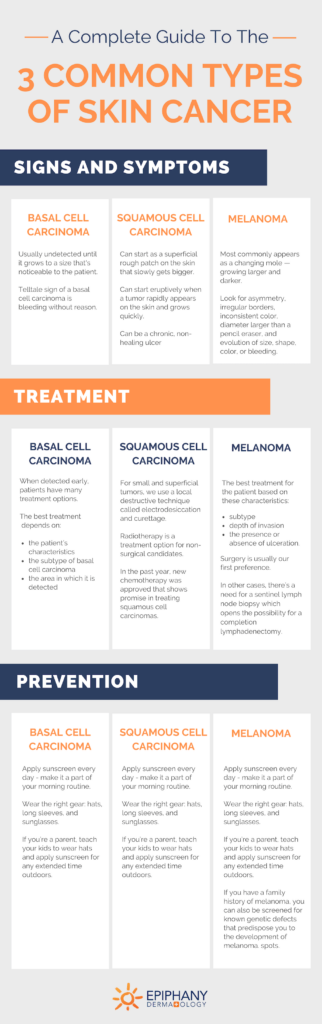
Basal cell carcinoma (BCC) is the most common type of skin cancer. It typically appears as a pinkish or pearly bump on the skin, often with visible blood vessels. BCC usually develops on sun-exposed areas such as the face, neck, and hands. While it rarely spreads to other parts of the body, it can cause disfigurement or damage if left untreated.
Squamous Cell Carcinoma
Squamous cell carcinoma (SCC) is the second most common type of skin cancer. It often appears as a scaly, red patch or as a firm, raised nodule. SCC commonly develops on areas frequently exposed to the sun, such as the face, ears, lips, and back of the hands. While it is more likely to spread compared to BCC, early detection and treatment can be highly effective in preventing further complications.
Melanoma
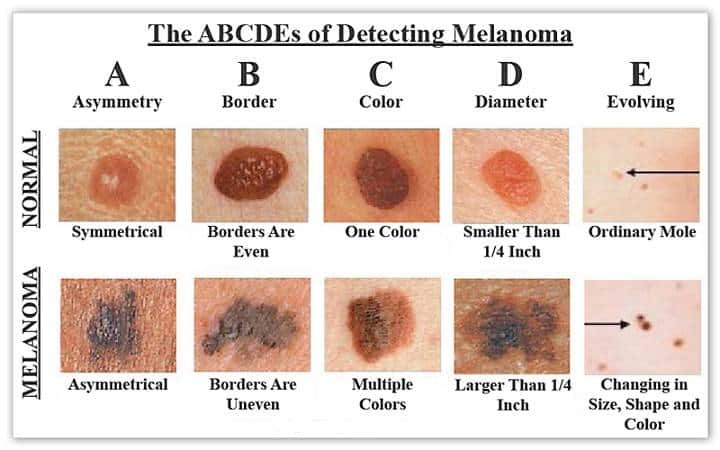
Melanoma is a less common but more aggressive type of skin cancer. It typically begins in melanocytes, the cells responsible for producing melanin, and can develop on any part of the body, including areas not exposed to the sun. Melanoma often presents as a new mole or a change in an existing mole, with irregular borders, uneven coloration, and an asymmetrical shape. Early detection is crucial, as melanoma can metastasize, or spread, to other organs, making it more difficult to treat.
Other Less Common Types of Skin Cancer
While basal cell carcinoma, squamous cell carcinoma, and melanoma are the most prevalent types of skin cancer, there are other rarer forms as well. These include Merkel cell carcinoma, cutaneous lymphoma, Kaposi sarcoma, and dermatofibrosarcoma protuberans. Although these cancers are less common, understanding them is essential for a comprehensive overview of skin cancer.
Risk Factors for Skin Cancer
Excessive Sun Exposure
Exposure to ultraviolet (UV) radiation from the sun is the primary risk factor for skin cancer. Spending long hours outdoors without proper sun protection can significantly increase your chances of developing the disease. It’s crucial to practice sun-safe behaviors and limit exposure during peak hours.
Fair Skin and Light-colored Hair
People with fair skin, light-colored hair, and light-colored eyes are at higher risk of developing skin cancer. The lighter your skin, the less melanin you have to protect against UV radiation. As a result, fair-skinned individuals are more susceptible to sun damage and skin cancer.
Family History of Skin Cancer
If you have a family history of skin cancer, particularly in close relatives like parents or siblings, your risk of developing the disease is higher. Certain genetic factors can predispose individuals to skin cancer, so it’s important to be vigilant with regular skin examinations and sun protection measures.
Genetic Predisposition
Certain inherited genetic mutations, such as those in the CDKN2A and CDK4 genes, can increase the risk of developing melanoma. Individuals with these mutations have a higher likelihood of developing multiple melanomas over their lifetime. Genetic counseling and regular screenings may be recommended for individuals with known genetic predispositions to skin cancer.
Presence of Moles or Atypical Moles
Having numerous moles or atypical moles, also known as dysplastic nevi, can increase the risk of developing melanoma. These moles may appear larger, irregular in shape, or exhibit irregular coloration. Regular self-examinations and dermatologist evaluations are important for monitoring any changes in these moles.
Weakened Immune System
A weakened immune system, whether as a result of certain medical conditions, organ transplantation, or immune-suppressive medications, can increase the risk of developing all types of skin cancer. It’s essential for individuals with compromised immune systems to take extra precautions to protect their skin from sun exposure.
Exposure to Certain Chemicals or Radiation
Exposure to certain chemicals, such as arsenic, coal tar, and certain pesticides, can increase the risk of developing skin cancer. Additionally, individuals who have received radiation therapy for previous cancers or medical conditions may have an increased risk of developing skin cancer in the treated areas.
Previous History of Skin Cancer
Having a previous history of skin cancer, including non-melanoma skin cancers or melanoma, increases the risk of developing new skin cancers. People who have been diagnosed with skin cancer once are more likely to develop another skin cancer in the future. Regular check-ups and close monitoring are essential for early detection.
Older Age
The risk of developing skin cancer increases with age. This may be due to accumulated sun exposure over time or changes in the skin’s ability to repair and protect itself. Regular skin examinations become even more crucial as one gets older to detect any potential signs of skin cancer early on.
Gender and Ethnicity
Both gender and ethnicity can impact the risk of developing skin cancer. Men tend to have a higher risk than women, potentially due to occupational or recreational sun exposure. Additionally, certain ethnic groups, such as individuals with fair skin or a history of sunburns, have a higher susceptibility to skin cancer.
Preventing Skin Cancer
Sun Protection Measures
Practicing sun protection measures is crucial in preventing skin cancer. These measures include seeking shade, especially during peak hours when the sun’s rays are strongest, and avoiding unnecessary sun exposure. If you are spending time outdoors, consider using an umbrella, wearing a wide-brimmed hat, or setting up shade structures to create a sun-safe environment.
Avoiding Sunburns
Experiencing sunburns, particularly during childhood or adolescence, significantly increases the risk of developing skin cancer later in life. Preventing sunburn is essential by wearing protective clothing, using sunscreen, and seeking shade.
Using Sunscreen
Using a broad-spectrum sunscreen with a Sun Protection Factor (SPF) of at least 30 is crucial in protecting your skin from harmful UV radiation. Apply sunscreen generously to all exposed areas of skin, including lips, and reapply every two hours or after swimming or sweating.
Seeking Shade
When outdoors, seek shade as much as possible, especially during peak hours when the sun’s rays are strongest. Shade can help reduce the direct exposure to harmful UV radiation and decrease the risk of sunburns and skin cancer.
Wearing Protective Clothing
Wearing protective clothing with long sleeves and long pants, as well as wide-brimmed hats and sunglasses, can provide an added layer of protection against UV radiation. Opt for tightly woven fabrics, as they offer better sun protection. Additionally, consider choosing clothing with built-in UV protection for added safety.
Limiting Sun Exposure during Peak Hours
The sun’s rays are strongest between 10 a.m. and 4 p.m. Limiting your sun exposure during these peak hours can significantly reduce your risk of skin damage and skin cancer. If you need to be outdoors during this time, take extra precautions to protect your skin, such as seeking shade and wearing protective clothing.
Avoiding Tanning Beds
Tanning beds emit harmful UV radiation, which can increase the risk of skin cancer. Avoid using tanning beds and opt for sunless tanning products or spray tans if you desire a tan appearance. Remember, any form of tanning, whether from the sun or artificial sources, can damage your skin and increase the risk of skin cancer.
Regular Skin Examinations
Performing regular self-examinations of your skin can help detect any changes or abnormalities that may indicate skin cancer. Pay close attention to the appearance of moles, freckles, or growths on your skin. If you notice anything unusual or concerning, consult a dermatologist for a professional evaluation.
Protecting Children from Sun Exposure
Children are particularly vulnerable to the damaging effects of UV radiation since they spend more time outdoors and their skin is more sensitive. It’s crucial to protect children from excessive sun exposure by using sunscreen, protective clothing, and seeking shade. Encourage sun-safe behaviors early on to establish lifelong habits.
Signs and Symptoms of Skin Cancer
Changes in the Skin
One of the key signs of skin cancer is any noticeable change in the appearance of your skin. Pay close attention to new growths, sores, or changes in existing moles. Look for any alterations in color, size, shape, or texture of the skin, as these can indicate potential skin cancer.
Difference between Normal and Cancerous Moles
Understanding the characteristics of normal moles versus cancerous moles is crucial in detecting skin cancer. Normal moles tend to be symmetrical, have smooth and defined borders, and a uniform coloration. Conversely, cancerous moles may appear asymmetrical, have irregular or blurred borders, and exhibit variations in color.
Unusual Growths or Sores
Be vigilant for any unusual growths or sores on your skin that do not heal within a reasonable time frame. These can include bumpy or scaly growths, non-healing ulcers, or open sores that continue to persist or worsen. If you notice any of these signs, it’s important to consult a healthcare professional for an evaluation.
Change in the Appearance of Existing Moles
Changes in the appearance of existing moles can be an early indication of skin cancer. Be mindful of any moles that change in size, color, shape, or texture. Additionally, watch out for moles that become itchy, painful, or start to bleed without any apparent cause. These changes should prompt a visit to a dermatologist.
Diagnosing Skin Cancer
Skin Examination and Medical History
When diagnosing skin cancer, a dermatologist will typically conduct a thorough skin examination and inquire about your medical history. The healthcare professional will specifically look for any suspicious areas or abnormalities on the skin and inquire about any symptoms or concerns you may have.
Biopsy
A biopsy is often performed to definitively diagnose skin cancer. During this procedure, a small sample of the suspicious area is surgically removed and sent to a laboratory for further analysis. The results of the biopsy will help determine the type of skin cancer and guide subsequent treatment decisions.
Imaging Tests
Imaging tests, such as X-rays, CT scans, or MRI scans, may be ordered if there is suspicion that the skin cancer has spread to other parts of the body. These tests help determine the extent of the disease and assist in staging the cancer.
Dermoscopy
Dermoscopy, also known as dermatoscopy or epiluminescence microscopy, is a non-invasive technique used to examine skin lesions more closely. A dermatoscope, a handheld device with magnification and polarized light, is used to visualize the skin’s surface and underlying structures. Dermoscopy can aid in distinguishing between benign and malignant skin lesions, assisting in the diagnostic process.
Laboratory Tests
In some cases, laboratory tests may be ordered to further evaluate the skin cancer. These tests may include blood tests or genetic tests to identify specific mutations or markers associated with certain types of skin cancer. The information obtained from these tests can provide additional insights into the disease and help guide treatment decisions.
Staging and Grading of Skin Cancer
After the diagnosis of skin cancer, it is important to determine the stage and grade of the cancer. Staging refers to determining the extent and spread of the cancer, while grading evaluates the cancer cells’ characteristics. Staging and grading are crucial for developing an appropriate treatment plan tailored to the individual’s specific situation.
Stages of Melanoma
Stage 0: Melanoma In Situ
Stage 0 melanoma, also referred to as melanoma in situ, is the earliest stage of melanoma. At this stage, the cancer cells are present only in the outermost layer of the skin and have not invaded deeper layers or spread to other parts of the body. Treatment at this stage is highly successful, often involving surgical removal of the melanoma.
Stage I: Localized Melanoma
Stage I melanoma refers to cancer that is still localized to the skin but has started to invade slightly deeper layers. At this stage, the melanoma is usually less than 1 millimeter thick and has a favorable prognosis. Surgical removal of the melanoma, along with a margin of healthy tissue, is the primary treatment approach.
Stage II: Regional Melanoma
Stage II melanoma indicates that the cancer has spread beyond the primary site to nearby lymph nodes or lymphatic vessels. The melanoma may be larger or have a higher thickness compared to earlier stages. The treatment may involve surgical removal of the primary melanoma, as well as a sentinel lymph node biopsy to assess if the cancer has spread to the lymph nodes.
Stage III: Advanced Melanoma
In stage III melanoma, the cancer has spread to nearby lymph nodes or other lymphatic structures but has not metastasized to distant organs. Treatment at this stage may involve a combination of surgery, radiation therapy, immunotherapy, targeted therapy, or clinical trials, depending on the specific circumstances of the individual.
Stage IV: Metastatic Melanoma
Stage IV melanoma, also known as metastatic melanoma, is the most advanced stage, indicating that the cancer has spread to distant organs or distant lymph nodes. Treatment options at this stage may include immunotherapy, targeted therapy, radiation therapy, chemotherapy, or participation in clinical trials. The goal of treatment is to manage symptoms, improve quality of life, and potentially prolong survival.
Treatment Options for Skin Cancer
Surgery
Surgery is the most common treatment approach for most types of skin cancer. The goal of surgery is to remove the cancerous cells and a margin of healthy tissue surrounding the tumor. The specific surgical procedure will depend on the type, size, and location of the cancer. Surgical options include excisional surgery, Mohs micrographic surgery, and lymph node dissection, among others.
Radiation Therapy
Radiation therapy utilizes high-energy X-rays or other forms of radiation to kill cancer cells or stop their growth. It may be used as the primary treatment for certain types of non-melanoma skin cancer or as an adjuvant therapy following surgery. Radiation therapy is administered by a radiation oncologist and is usually done in multiple sessions over several weeks.
Chemotherapy
Chemotherapy uses drugs to kill cancer cells or prevent their division and growth. While chemotherapy is not typically the first-line treatment for most types of skin cancer, it may be used in advanced cases of melanoma when the cancer has spread to other parts of the body. Chemotherapy may be given orally or intravenously and is usually done in cycles with periods of rest in between.
Immunotherapy
Immunotherapy is a revolutionary treatment approach that utilizes drugs to stimulate the body’s immune system to attack and destroy cancer cells. It has shown remarkable success in treating advanced melanoma by boosting the body’s natural defenses against cancer. Immunotherapy drugs can be administered intravenously or via injection, and treatment courses may vary depending on the specific drug and individual response.
Targeted Therapy
Targeted therapy involves the use of drugs that specifically target and attack cancer cells with certain genetic mutations. These drugs interfere with specific molecules or pathways involved in cancer growth, minimizing damage to healthy cells. Targeted therapy is often used in advanced melanoma cases with specific genetic mutations, and the treatment duration and frequency depend on the specific medication used.
Photodynamic Therapy
Photodynamic therapy (PDT) involves the use of a photosensitizing agent and light to destroy cancer cells. The photosensitizing agent is applied to the skin, followed by exposure to a specific wavelength of light that activates the agent and kills the cancer cells. PDT is more commonly used for non-melanoma skin cancers, particularly in cases where surgery is not possible or is not the preferred treatment option.
Cryosurgery
Cryosurgery is a technique that uses extreme cold to destroy cancer cells. Liquid nitrogen is applied to the skin lesion, freezing and destroying the cancerous tissue. Cryosurgery is often used for small, superficial non-melanoma skin cancers, as well as for precancerous skin lesions called actinic keratoses.
Mohs Surgery
Mohs micrographic surgery is a specialized surgical technique used to treat certain types of skin cancer, particularly those with a higher risk of recurrence or those located in critical areas where tissue preservation is essential. During the procedure, the surgeon progressively removes thin layers of tissue and examines each layer under a microscope until no cancer cells are detected.
Alternative and Complementary Therapies
While not considered standard treatment options, some individuals may explore alternative and complementary therapies to manage skin cancer. These may include herbal remedies, supplements, acupuncture, or mind-body techniques like meditation or yoga. It is important to consult with a healthcare professional before considering any alternative therapies and to use them in conjunction with conventional medical treatments.
Non-Surgical Treatment for Skin Cancer
Radiation Therapy
Radiation therapy, as mentioned earlier, can be used as a non-surgical treatment option for certain types of skin cancer. It aims to kill cancer cells using radiation that is precisely targeted at the tumor, minimizing damage to surrounding healthy tissues.
Chemotherapy
Non-surgical treatment for skin cancer can also include chemotherapy, particularly for advanced cases where surgery is not feasible or as a means to manage cancer cells that have spread. Chemotherapy drugs, either oral or intravenous, attack and kill cancer cells throughout the body.
Immunotherapy
Immunotherapy drugs, administered intravenously or injected, can be used to stimulate the immune system to recognize and eliminate cancer cells. This non-surgical treatment option has shown significant success in treating advanced cases of skin cancer, particularly melanoma.
Targeted Therapy
Targeted therapy drugs, as mentioned previously, are designed to attack and inhibit specific molecules or pathways involved in cancer growth. This treatment option can be used for individuals with certain genetic mutations or specific characteristics of the skin cancer.
Photodynamic Therapy
Photodynamic therapy, discussed in earlier sections, is a non-surgical treatment option that involves the application of a photosensitizing agent to the skin, followed by exposure to light. This activates the agent, leading to the destruction of cancer cells.
Topical Medications
Certain topical medications, such as various creams or gels, can be applied directly to the skin to target and treat precancerous skin lesions or superficial skin cancers.
In conclusion, skin cancer, including melanoma, is a serious condition that requires careful understanding, early detection, and prompt treatment. By increasing our knowledge of skin cancer and adopting sun-safe behaviors, we can significantly reduce the risk and protect ourselves and our loved ones. Regular skin examinations, proper sun protection measures, and timely medical evaluations are vital components in the fight against skin cancer. Remember, prevention and early detection are key to combating this disease and ensuring the best possible outcomes. Stay informed, protect your skin, and prioritize your health.