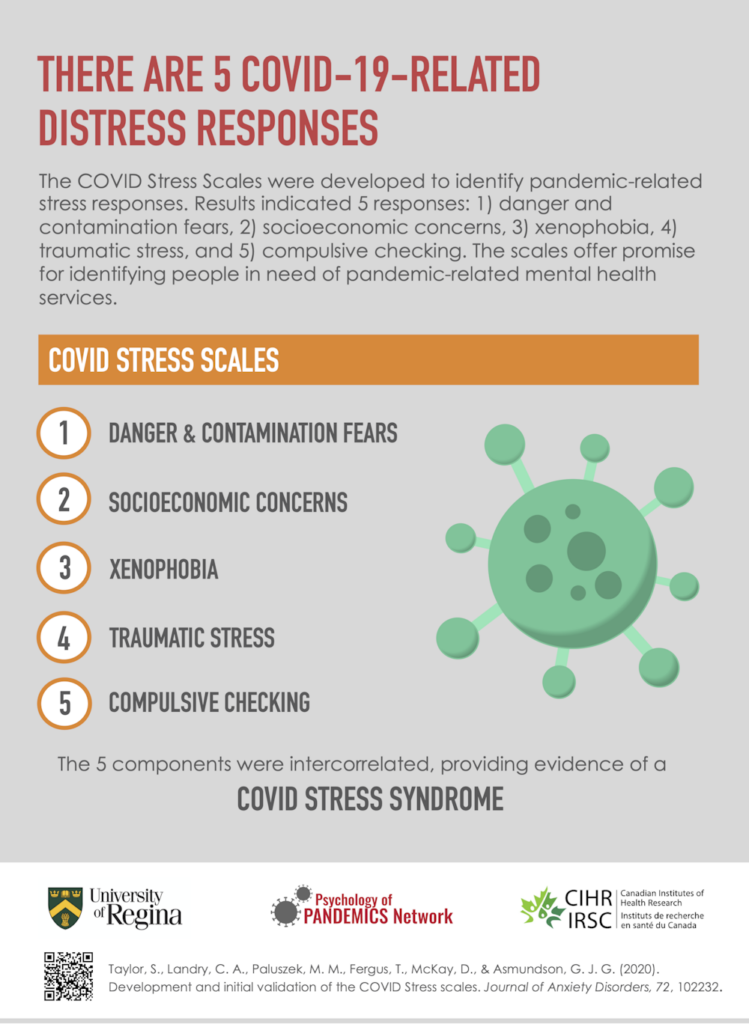
In these unprecedented times, we have all felt the weight of stress and anxiety brought on by the ongoing pandemic. The constant uncertainty, the isolation, and the barrage of distressing news can leave us feeling overwhelmed and helpless. However, there are practical strategies that can help us navigate these challenging emotions and regain a sense of calm and resilience. By focusing on self-care, staying connected, and seeking support, we can develop effective coping mechanisms that will guide us through these difficult times.
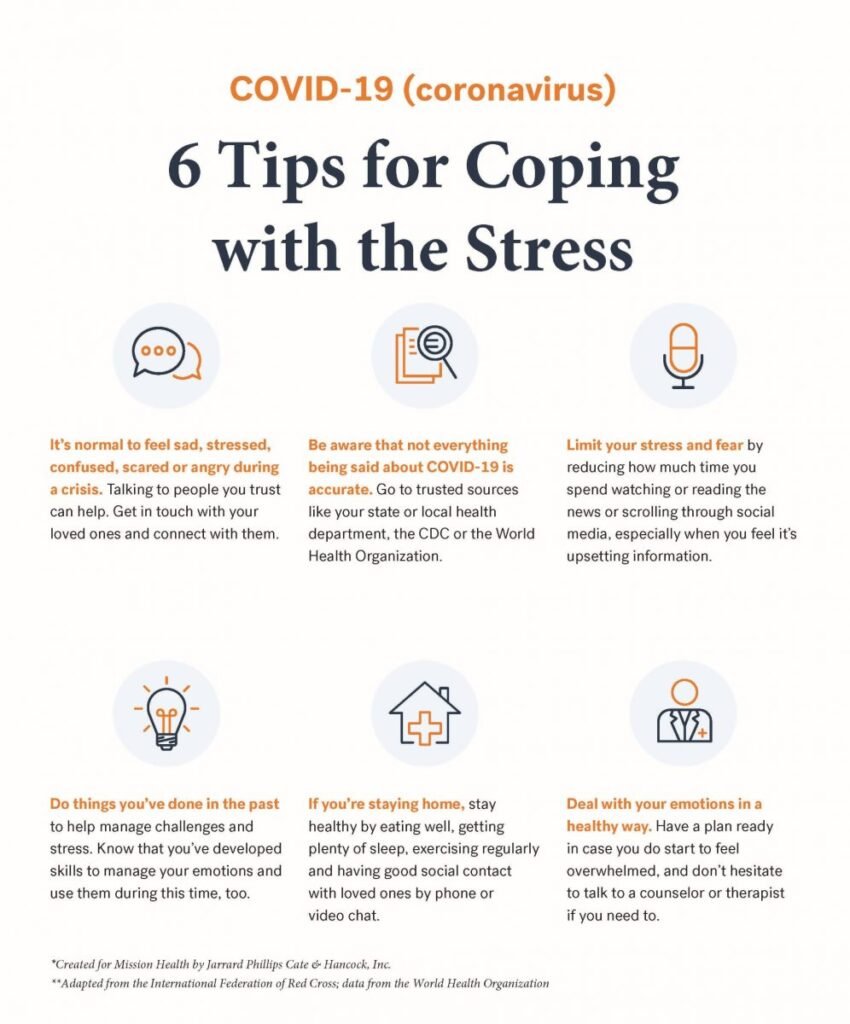
Recognizing the signs of stress and anxiety
Physical symptoms
When it comes to stress and anxiety, our bodies often provide the first clues. Paying attention to these physical symptoms can help you recognize when you’re feeling overwhelmed. Some common physical signs of stress and anxiety include headaches, muscle tension, stomachaches, fatigue, and changes in appetite. These symptoms can vary from person to person, so it’s crucial to be aware of how your body responds to stress.
Emotional symptoms
Stress and anxiety can also manifest in various emotional ways. Feeling overwhelmed, irritable, or anxious are common emotional symptoms that may indicate your stress levels are high. You might also find yourself more easily agitated or have trouble concentrating or making decisions. Additionally, you may experience feelings of sadness, restlessness, or a general sense of unease. Recognizing these emotional signs is an important step in addressing stress and anxiety.
Cognitive symptoms
Stress and anxiety can take a toll on our cognitive abilities as well. Difficulty concentrating, racing thoughts, and a constant sense of worry are common cognitive symptoms. You may also find yourself experiencing memory problems, having trouble making choices, or feeling indecisive. It’s important to be aware of these cognitive symptoms so that you can identify when stress and anxiety are affecting your thinking processes.
Behavioral symptoms
In addition to physical, emotional, and cognitive symptoms, stress and anxiety can also impact our behaviors. You might notice that you’re eating more or less than usual, having trouble sleeping, or engaging in excessive alcohol or drug use as a way to cope. Some individuals may also withdraw from social activities, avoiding contact with friends and loved ones. It’s important to pay attention to these behavioral changes as they can serve as indicators of underlying stress and anxiety.
Maintaining a healthy daily routine
Establishing a regular sleep pattern
One crucial aspect of maintaining a healthy daily routine is ensuring you’re getting enough sleep. Establishing a regular sleep pattern can help regulate your body’s internal clock, promoting better physical and mental well-being. Try to create a relaxing bedtime routine, avoid screens before bed, and make your sleeping environment comfortable and conducive to sleep.
Eating a well-balanced diet
A well-balanced diet is not only essential for physical health but can also play a significant role in managing stress and anxiety. Focus on incorporating nutrient-rich foods into your meals, such as fruits, vegetables, whole grains, and lean proteins. Avoid excessive consumption of caffeine, sugar, and processed foods, as they can contribute to feelings of stress and anxiety.
Engaging in regular physical activity
Regular physical activity is a powerful tool for managing stress and anxiety. Engaging in exercises like walking, jogging, yoga, or dancing can help release endorphins, which are known as “feel-good” hormones. Aim for at least 30 minutes of moderate-intensity exercise most days of the week. Find activities you enjoy, as this will increase your likelihood of sticking to a routine.
Practicing good personal hygiene
Maintaining good personal hygiene may seem like a small aspect of daily life, but it can have a significant impact on your mental state. Taking care of your physical appearance can boost your self-esteem and provide a sense of control amidst uncertain times. Basic hygiene practices such as showering regularly, brushing your teeth, and grooming can contribute to an overall sense of well-being.
Limiting exposure to news and social media
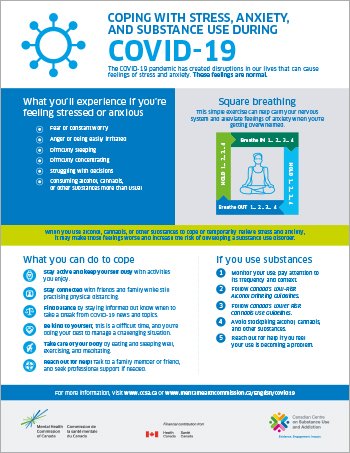
While it’s important to stay informed, constant exposure to news and social media can contribute to increased stress and anxiety levels. Limit your consumption of news, particularly during times of heightened stress, and be mindful of the sources you choose. Consider designating specific times to check in, rather than allowing it to dominate your entire day. Use this time to focus on other activities that promote relaxation and self-care.
Practicing stress-reducing activities
Deep breathing exercises
Deep breathing exercises are a simple yet effective way to calm your mind and body during moments of stress and anxiety. Start by finding a comfortable sitting or lying position. Inhale deeply through your nose, expanding your abdomen, and then slowly exhale through your mouth. Repeat this process several times, focusing on each breath and letting go of any tension or negative thoughts.
Meditation and mindfulness
Meditation and mindfulness practices can help you cultivate a sense of calm and presence, reducing stress and anxiety. Find a quiet space where you can sit comfortably, close your eyes, and bring your attention to your breath or a specific point of focus. Allow thoughts to come and go without judgment, returning your attention to the present moment. Start with just a few minutes a day and gradually increase your practice over time.
Progressive muscle relaxation
Progressive muscle relaxation is a technique that involves systematically tensing and then releasing different muscle groups in your body to promote relaxation. Start by tensing the muscles in your toes and then gradually work your way up, focusing on each muscle group for a few seconds before releasing the tension. This practice can help release physical tension and provide a sense of calm.
Yoga and stretching
Yoga combines physical movement, breath awareness, and mindfulness, making it an excellent practice for reducing stress and anxiety. Engaging in yoga or regular stretching exercises can help release muscular tension, increase flexibility, and promote relaxation. There are many online resources and apps available that offer guided yoga sessions suitable for all levels of experience.
Engaging in hobbies and interests
Doing activities that bring you joy and relaxation is essential for managing stress and anxiety. Engage in hobbies and interests that you find enjoyable and fulfilling. Whether it’s painting, writing, cooking, or playing an instrument, dedicate time to these activities regularly. They can provide a much-needed distraction and an outlet for self-expression and creativity.
Building a strong support system
Seeking support from loved ones
During times of stress and anxiety, reaching out to loved ones for support can be incredibly beneficial. Share your thoughts and feelings with trusted friends or family members who can provide a listening ear and offer comfort. It’s important to remember that you don’t have to face these challenges alone and that there are people who care about your well-being.
Maintaining social connections
Social connections play a vital role in our mental and emotional well-being. Even amidst physical distancing measures, it’s essential to find creative ways to stay connected with others. Schedule regular phone or video calls with friends and loved ones, participate in online group activities or virtual events, and make an effort to foster meaningful connections in your daily life.
Joining support groups
Support groups provide a safe space where individuals facing similar challenges can come together to share experiences, offer support, and seek guidance. Look for online support groups related to your specific stress or anxiety triggers. Engaging with others who understand can provide validation and help you gain insights into managing your own stress and anxiety.
Reaching out to mental health professionals
If stress and anxiety become overwhelming and begin to significantly impact your life, it may be beneficial to seek professional help. Mental health professionals, such as therapists or counselors, are trained to provide support and guidance. They can help you develop coping strategies, explore underlying issues, and provide validation and assistance in managing stress and anxiety.
Utilizing online therapy services
In today’s digital age, online therapy services have become increasingly accessible and convenient. These services allow you to connect with licensed therapists from the comfort of your own home. Online therapy offers a range of options, including video sessions, phone calls, and text-based therapy. It can be a valuable tool in managing stress and anxiety, particularly during challenging times.
Establishing a sense of control
Creating a daily schedule and setting goals
Creating a daily schedule can provide a sense of structure and control in your life. Start by outlining your daily routines, including set times for activities such as work or school, mealtimes, physical exercise, and relaxation. Setting achievable goals for each day can further contribute to a sense of accomplishment and empower you to take control of your time and priorities.
Breaking tasks into manageable steps
Large or overwhelming tasks can contribute to feelings of stress and anxiety. Breaking them down into smaller, more manageable steps can make them feel less daunting. Prioritize the steps and tackle them one at a time, rewarding yourself along the way. This approach can help increase your sense of control and progress, reducing stress and promoting a more positive mindset.
Setting boundaries and saying no
Setting boundaries is crucial for managing stress and anxiety. Learn to recognize your limits and communicate them effectively. Practice saying no to additional commitments or tasks that may overwhelm you. Prioritize your well-being and allow yourself the space and time to rest and recharge. Remember, it’s okay to set boundaries and say no when you need to.
Focusing on what you can control
During times of uncertainty and stress, it’s essential to focus on what you can control rather than dwelling on things beyond your influence. Direct your energy towards actions and decisions that are within your power. By focusing on what you can control, you’ll feel more empowered and better equipped to manage stress and anxiety effectively.
Seeking accurate information from reliable sources
Information overload can contribute to stress and anxiety. Ensure that the information you’re consuming is accurate and coming from reliable sources. Rely on trusted news outlets and reputable organizations for updates and information. Limit your exposure to excessive news consumption and fact-check any information before accepting it as truth.
Practicing self-care
Taking regular breaks
In the midst of stress and anxiety, it’s crucial to carve out time for regular breaks throughout the day. Step away from work or other stressors and engage in activities that allow you to rest and recharge. Take short walks, practice deep breathing exercises, or simply relax with a cup of tea. These breaks can help reset your mind and promote a sense of well-being.
Engaging in activities that bring joy
Engaging in activities that bring you joy is an essential part of self-care. Make time for activities that make you happy and provide a sense of fulfillment. This can include anything from reading a favorite book, watching a movie, going for a hike, or spending time with loved ones. Prioritize these activities and allow yourself to fully immerse in the enjoyment they bring.
Getting enough rest and relaxation
Rest and relaxation are vital for managing stress and anxiety. Ensure that you’re getting enough quality sleep each night. Create a relaxing bedtime routine, avoid stimulating activities before bed, and create a comfortable sleep environment. Additionally, engage in relaxation techniques such as meditation or deep breathing exercises to promote overall relaxation and reduce stress levels.
Setting aside time for self-reflection
Self-reflection is an important aspect of self-care. Set aside time regularly to reflect on your thoughts, emotions, and experiences. Use this time for journaling, meditation, or simply quiet contemplation. Reflecting on your experiences can help increase self-awareness, promote personal growth, and provide insights into managing stress and anxiety more effectively.
Prioritizing self-compassion and self-kindness
During times of stress and anxiety, it’s important to practice self-compassion and self-kindness. Treat yourself with the same kindness and understanding you would offer to a loved one. Acknowledge your feelings and experiences without judgment. Practice self-care by engaging in activities that promote your well-being. Remember, it’s okay to prioritize yourself and your needs.
Developing healthy coping mechanisms
Journaling and expressive writing
One effective way to cope with stress and anxiety is through journaling or expressive writing. Set aside time each day to write about your thoughts, emotions, and experiences. This practice can help you gain clarity, process your feelings, and release any pent-up emotions. It can also serve as a valuable tool for self-reflection and personal growth.
Engaging in creative outlets
Engaging in creative outlets can be a powerful way to cope with stress and anxiety. Whether it’s painting, drawing, writing poetry, or playing a musical instrument, these activities provide a sense of release and self-expression. Allow yourself to explore different creative outlets and find what resonates with you. Use these outlets as a means to channel and manage stress.
Listening to music or engaging in art therapy
Music has a profound impact on our emotions and can be a powerful tool for relaxation and stress reduction. Create a playlist of calming and soothing music to listen to when you’re feeling overwhelmed. Art therapy is another effective option, where you can engage in creative activities guided by a trained professional. Both music and art therapy can provide a therapeutic outlet for stress and anxiety.
Trying relaxation techniques
There are various relaxation techniques you can explore to manage stress and anxiety. These include deep breathing exercises, progressive muscle relaxation, guided imagery, and aromatherapy. Experiment with different techniques to find what works best for you. Incorporate these practices into your daily routine or use them in moments of acute stress to induce relaxation.
Learning and using problem-solving skills
Developing problem-solving skills is a valuable asset in managing stress and anxiety. Identify the specific problems or stressors you’re facing and break them down into smaller components. Consider different solutions for each component and evaluate their potential outcomes. Implement the most suitable strategies and monitor their effectiveness. This approach can help alleviate stress by taking a proactive approach to problem-solving.
Managing anxiety triggers
Identifying and avoiding triggers
Recognizing your anxiety triggers is a crucial step in managing them effectively. Take note of situations, events, or people that consistently provoke feelings of stress and anxiety. Once you’ve identified these triggers, make a conscious effort to avoid or minimize exposure to them when possible. This may involve adjusting your routines, setting boundaries, or seeking support to navigate these triggers.
Challenging negative thoughts and beliefs
Negative thoughts and beliefs can intensify feelings of stress and anxiety. Take the time to examine your thoughts and challenge any negative or irrational beliefs. Consider alternative perspectives or evidence that contradicts these negative thoughts. Practice self-talk that is positive, supportive, and realistic. Challenging and changing negative thought patterns is a powerful way to manage anxiety triggers.
Using positive affirmations
Positive affirmations can help reframe negative thoughts and promote a more positive mindset. Create a list of positive affirmations related to stress and anxiety. Repeat these affirmations to yourself regularly, especially in moments of heightened stress. Incorporate them into your daily routines and allow them to guide your thoughts and emotions in a more positive direction.
Practicing mindfulness in daily life
Mindfulness involves focusing your attention on the present moment without judgment. Practicing mindfulness in daily life can help manage anxiety triggers by shifting your focus away from worries and uncertainties. Engage in activities mindfully, paying attention to the sensations, sounds, and details of the present moment. Mindfulness can help cultivate a sense of calm and reduce the impact of anxiety triggers.
Seeking professional help if needed
If managing anxiety triggers becomes challenging or begins to significantly impact your daily life, it may be necessary to seek professional help. Mental health professionals can provide guidance and support tailored to your specific needs. They can help you develop coping strategies, explore underlying issues, and provide validation and assistance in managing anxiety triggers effectively.
Seeking professional help when necessary
Recognizing when professional help is needed
Recognizing when it’s necessary to seek professional help is essential for your well-being. If stress and anxiety are significantly impacting your daily life, relationships, or overall mental health, it may be time to reach out for professional support. Common indicators include persistent feelings of distress, inability to function effectively, or experiencing thoughts of harming yourself or others.
Finding a suitable mental health professional
Finding a suitable mental health professional is a critical step in seeking professional help. Research different options and consider factors such as their specialization, experience, and approach to treatment. Reach out to trusted sources, such as your primary care physician or trusted friends, for recommendations. Take the time to find a professional who feels like the right fit for you and your specific needs.
Considering therapy options
Therapy can be an effective way to address and manage stress and anxiety. Different therapy modalities, such as cognitive-behavioral therapy (CBT) or mindfulness-based therapy, offer various approaches and techniques. Discuss your preferences and goals with potential therapists to find the therapy option that aligns with your needs. Remember that therapy is a collaborative process, and finding the right fit may involve some trial and error.
Exploring medication options
In some cases, medication may be recommended as part of a comprehensive treatment plan for managing stress and anxiety. Consult a mental health professional or psychiatrist to discuss the potential benefits and risks of medication. They can assess your specific needs and determine if medication may be an appropriate option for you. Medication is often used in conjunction with therapy and other self-care practices.
Utilizing hotlines and crisis helplines
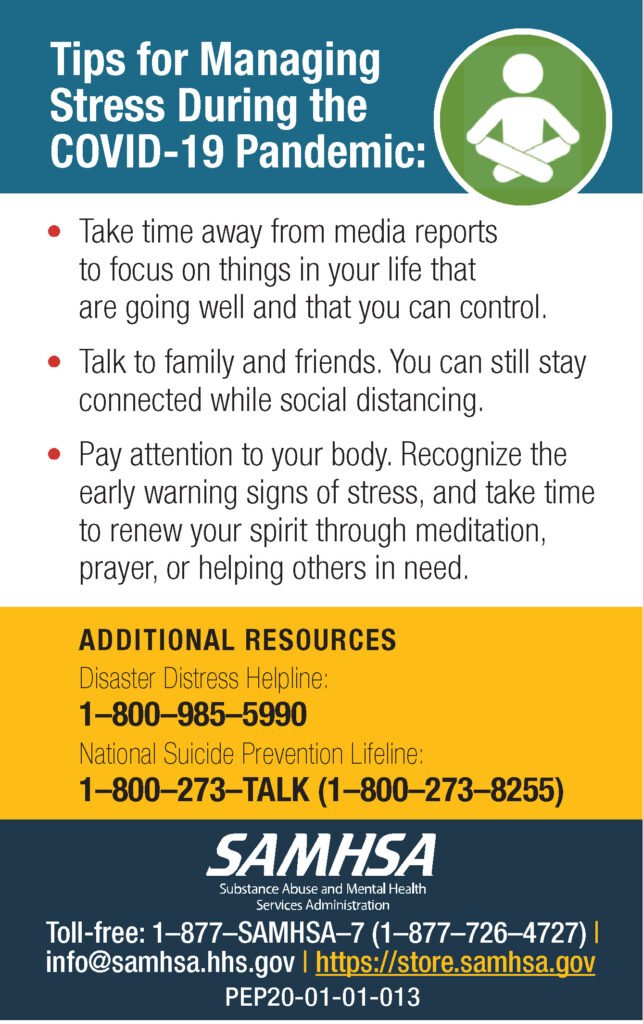
Hotlines and crisis helplines are available to provide immediate support during times of distress. These services offer a confidential and safe space to talk to trained professionals who can provide guidance, support, and resources. Keep these numbers readily accessible and don’t hesitate to reach out if you’re in need of immediate assistance.
Preparing for future challenges
Building resilience and adaptability
Building resilience and adaptability can help you navigate future challenges with greater ease. Resilience involves cultivating the ability to bounce back from adversity, while adaptability involves being open to change and adjusting to new circumstances. Practice resilience by focusing on your strengths, nurturing positive relationships, and maintaining a positive outlook. Embrace adaptability by remaining flexible, seeking new opportunities, and learning from experiences.
Developing stress management skills
Stress management skills are essential for coping with future challenges. This includes practicing mindfulness, engaging in relaxation techniques, and finding healthy outlets for stress. Regularly assess your stress levels and adjust your coping strategies accordingly. Building a toolbox of stress management skills will empower you to better navigate future challenges and reduce the impact of stress on your well-being.
Building a supportive network
A strong support network is invaluable when facing future challenges. Cultivate relationships with individuals who provide support, encouragement, and understanding. Maintain open lines of communication and prioritize meaningful connections in your life. A supportive network can offer different perspectives, share coping strategies, and provide emotional support during difficult times.
Engaging in ongoing self-care practices
Self-care should be an ongoing practice rather than something that is only done intermittently. Continue to prioritize self-care, even during periods of relative calm. Implement self-care practices that you’ve found beneficial and explore new ones that resonate with you. By making self-care an ongoing priority, you’ll be better equipped to face future challenges with resilience and a sense of well-being.
Continuing to educate oneself about mental health
Education is a powerful tool for understanding and managing mental health. Stay informed about the latest research, practices, and resources related to stress and anxiety. Continually seek opportunities to learn and grow in your understanding of mental health. This knowledge will enable you to make informed decisions, seek appropriate support, and proactively manage your mental well-being.
By recognizing the signs of stress and anxiety, maintaining a healthy daily routine, practicing stress-reducing activities, building a strong support system, establishing a sense of control, practicing self-care, developing healthy coping mechanisms, managing anxiety triggers, seeking professional help when necessary, and preparing for future challenges, you can effectively cope with pandemic-related stress and anxiety. Remember, you are not alone, and there are strategies and resources available to support you on your journey.