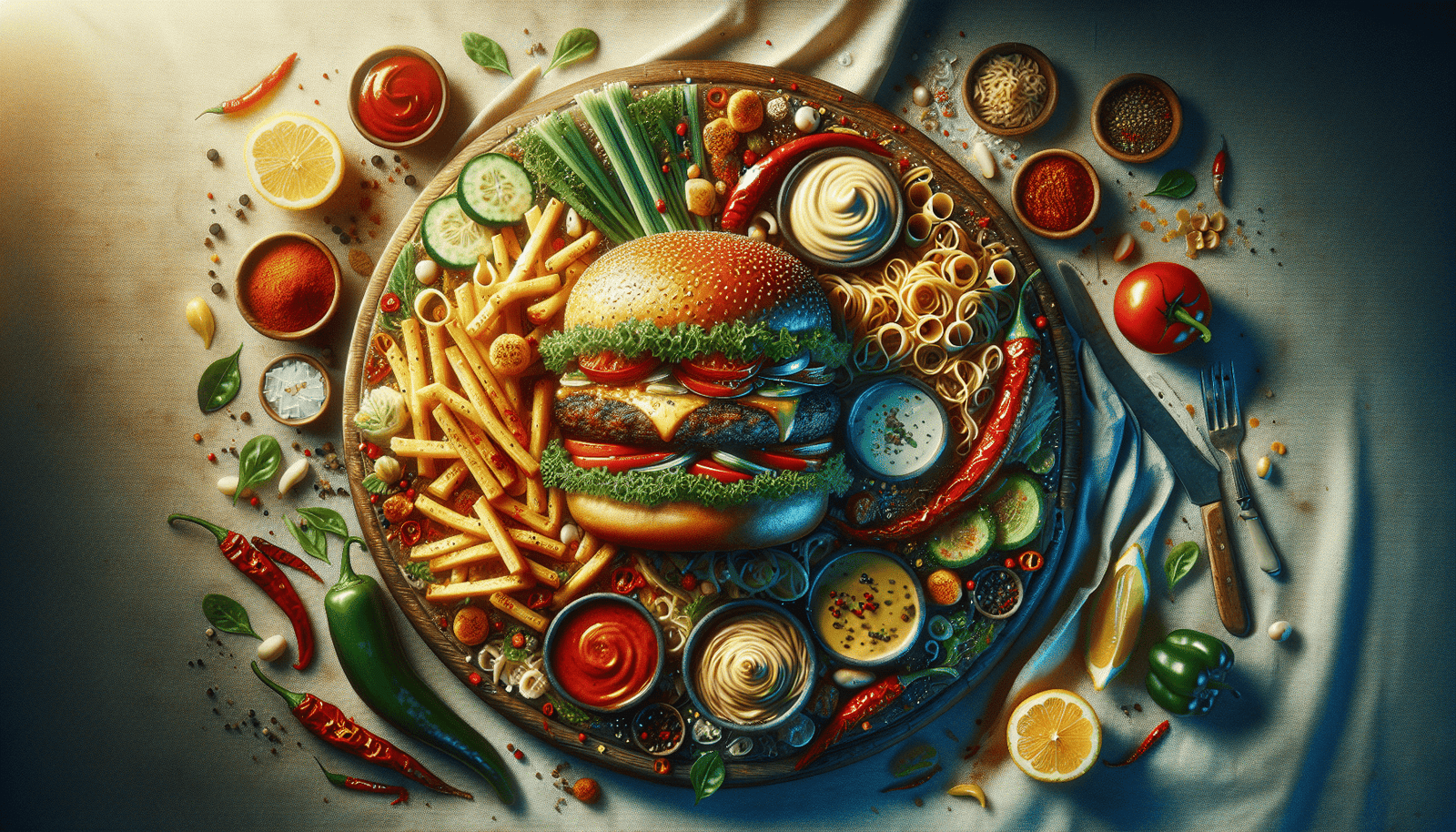
Have you ever felt that uncomfortable burning sensation in your chest after a meal? If so, you might be familiar with acid reflux, a condition that affects many people. Managing what you eat can significantly affect how you feel, so let’s discuss some of the worst foods you might want to avoid if you’re dealing with acid reflux.
What is Acid Reflux?
Acid reflux occurs when stomach acid flows back into your esophagus, leading to irritation and discomfort. This backward flow can cause symptoms such as heartburn, regurgitation, and difficulty swallowing. The foods you consume can either help alleviate or worsen these symptoms.
Common Symptoms of Acid Reflux
Understanding the symptoms can help you identify when your acid reflux might be flaring up. Some common indicators include:
- Heartburn: A burning sensation that usually occurs in the chest after eating.
- Regurgitation: A sour or bitter taste in your mouth due to stomach acid coming back up.
- Dysphagia: Difficulty swallowing, which can feel like food is stuck in your throat.
- Chronic Cough: A persistent cough can sometimes be attributed to acid reflux.
Knowing these signs can help you pinpoint when it’s essential to be cautious about your food choices.
Foods to Avoid for Acid Reflux
Let’s dive into the ten worst foods for acid reflux. Avoiding these can help you find relief and enjoy your meals again.
1. Spicy Foods
Spicy foods may be a culinary delight, but they can also cause significant discomfort for those suffering from acid reflux. Ingredients such as chili powder, hot sauces, and other spices can irritate the esophagus and trigger heartburn.
Why Avoid Spicy Foods?
- Irritation: Spicy foods can irritate the esophagus lining, leading to increased symptoms.
- Increased Acid Production: The consumption of spicy foods can stimulate the stomach to produce more acid, further aggravating reflux.
2. Citrus Fruits
Citrus fruits like oranges, grapefruits, and lemons, while refreshing and healthy, can be harsh on your stomach. The high acidity in these fruits can lead to an increase in stomach acid, worsening your acid reflux symptoms.
Why Avoid Citrus Fruits?
- Acidic Nature: The citric acid in these fruits can lead to irritation of your stomach lining and esophagus.
- Increased Symptoms: Eating citrus fruits can lead to heartburn and other discomforting symptoms.
3. Tomatoes
Tomatoes and tomato-based products such as sauces, ketchup, and salsas are highly acidic. This acidity can cause the relaxation of the lower esophageal sphincter (LES), allowing stomach contents to escape back up into the esophagus.
Why Avoid Tomatoes?
- High Acidity: The citric acid and malic acid in tomatoes can lead to increased reflux.
- Triggers Heartburn: Tomato-based dishes often trigger heartburn for many, especially when combined with other acidic foods.
4. Fried and Fatty Foods
Fried foods, along with fatty cuts of meat, can be hard to digest. The high-fat content can lead to slower stomach emptying, which may trigger reflux symptoms.
Why Avoid Fried and Fatty Foods?
- Slow Digestion: The longer it takes for food to digest, the more pressure builds in your stomach, potentially pushing acid back into your esophagus.
- LES Relaxation: High-fat meals can cause the LES to relax, allowing stomach acid to flow back.
5. Chocolate
For many, chocolate is a delightful treat, but if you have acid reflux, it might be best to skip dessert. Chocolate contains both caffeine and theobromine, both of which can relax the LES, leading to an increased chance of reflux.
Why Avoid Chocolate?
- Relaxation of the LES: Consuming chocolate can lead to the relaxation of the lower esophageal sphincter, which can trigger reflux.
- Caffeine Content: The caffeine in chocolate can increase stomach acid production.
6. Mint
Mint might seem like a soothing remedy for digestive issues, but for individuals with acid reflux, it can worsen symptoms. Peppermint and spearmint can relax the LES, leading to an increased likelihood of heartburn.
Why Avoid Mint?
- Relaxing Effects: Mint can cause the lower esophageal sphincter to relax, allowing acid to escape into the esophagus.
- Increases Reflux: If you enjoy peppermint tea or candies, it may be time to swap them out for something else.
7. Garlic and Onions
Garlic and onions are staples in many cuisines and add great flavor to dishes. However, they can also trigger acid reflux symptoms in many individuals.
Why Avoid Garlic and Onions?
- Acid Production: These foods can stimulate stomach acid production.
- Esophageal Irritation: Consuming garlic and onions may lead to irritation and increased heartburn.
8. Soda and Carbonated Beverages
Carbonated drinks are refreshing, but the bubbles can increase pressure in your stomach, leading to a greater chance of reflux. Additionally, many sodas contain caffeine and sugar, both of which can be problematic for acid reflux.
Why Avoid Soda and Carbonated Beverages?
- Increased Pressure: Carbonation can create excessive pressure in your stomach, pushing acid into your esophagus.
- Caffeine and Sugars: Both can contribute to increased acid production and worsen symptoms.
9. Coffee
While many people enjoy a cup of coffee to kickstart their day, this beverage can be a significant trigger for acid reflux symptoms. Caffeine can stimulate the production of stomach acid and relax the LES.
Why Avoid Coffee?
- Caffeine Content: Coffee is high in caffeine, which may lead to increased acid in the stomach.
- Relaxation of LES: The muscles at the opening of the esophagus may relax, allowing acid to flow back.
10. Alcohol
Alcoholic beverages can irritate the lining of the esophagus and increase stomach acid production. Wine, beer, and spirits can relax the LES, exacerbating the symptoms of acid reflux.
Why Avoid Alcohol?
- Irritation: Alcohol can irritate the throat and esophagus, leading to increased discomfort.
- LES Relaxation: Like caffeine, alcohol can relax the lower esophageal sphincter, increasing the likelihood of reflux.

Tips for Managing Acid Reflux
In addition to avoiding specific foods, here are some general tips to help manage your acid reflux symptoms effectively.
Maintain a Healthy Weight
Excess weight can put pressure on your stomach, pushing acid into your esophagus. Maintaining a healthy weight can significantly reduce reflux symptoms.
Eat Smaller, More Frequent Meals
Rather than consuming large meals that can overfill your stomach, try having smaller, more frequent meals throughout the day. This approach can help manage the pressure within your stomach and prevent the overproduction of acid.
Stay Upright After Eating
Allowing gravity to assist in digestion can be beneficial. Try to remain seated or upright for at least 2-3 hours after eating to prevent acid from moving back up into the esophagus.
Avoid Eating Before Bed
It’s generally recommended to avoid eating for at least three hours before lying down to sleep. This practice can help minimize nighttime reflux.
Keep a Food Diary
Tracking what you eat and the symptoms you experience can help you identify triggers. Once you establish what specifically aggravates your acid reflux, you can create a tailored diet plan for yourself.

Conclusion
Living with acid reflux can be challenging, especially when it comes to food choices. By being mindful of the worst offenders like spicy foods, citrus fruits, and alcohol, you can take significant steps towards managing and alleviating your symptoms. A few simple changes to your diet can lead to improved comfort and a better quality of life. Remember, it’s always a good idea to consult with your healthcare provider for personalized advice tailored to your specific situation.
Your journey to managing acid reflux doesn’t have to be overwhelming; with a little knowledge and careful planning, you can enjoy a happier, healthier eating experience.