Are you tired of feeling uncomfortable and bloated after every meal? Well, we have some good news for you! In this article, we will introduce you to the best foods that can naturally reduce bloating. Say goodbye to the discomfort and hello to a happier, healthier you! With these simple dietary changes, you’ll be able to enjoy your meals without the unpleasant side effects. So, grab a pen and paper, because you’ll want to jot down these food recommendations that will leave you feeling light and refreshed. Let’s dive right in!
The Best Foods to Reduce Bloating Naturally
Bloating is an uncomfortable sensation characterized by a swollen or distended abdomen. It can leave you feeling full, gassy, and even in pain. While occasional bloating is common, persistent bloating may indicate an underlying issue that needs to be addressed.
Fortunately, there are several foods that can help alleviate bloating and promote digestive health. Incorporating these foods into your diet can make a significant difference in reducing bloating and improving your overall well-being.
Foods that Reduce Bloating
-
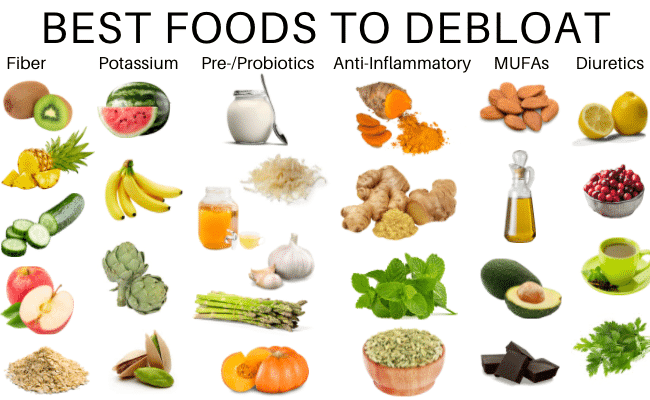
Ginger: This powerful root has long been used in traditional medicine to aid digestion and reduce bloating. Ginger contains compounds called gingerols that have anti-inflammatory properties, helping to soothe and relax the digestive system.
-
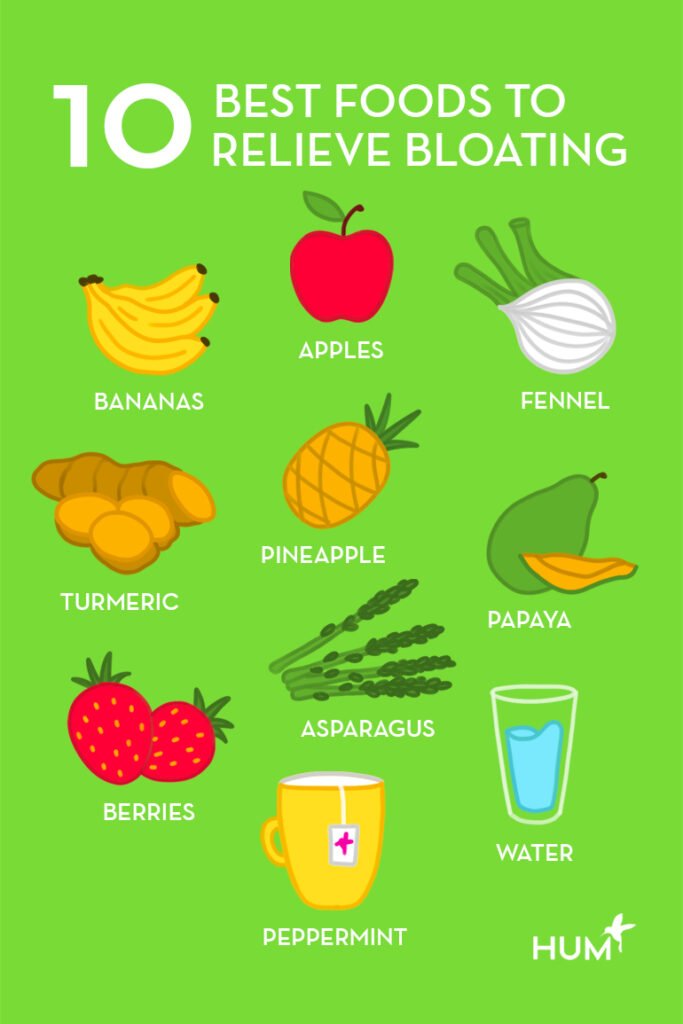
Peppermint: Peppermint has been used for centuries to soothe digestive discomfort, including bloating and gas. It contains menthol, which has a calming effect on the muscles of the gastrointestinal tract, helping to relieve bloating.
-
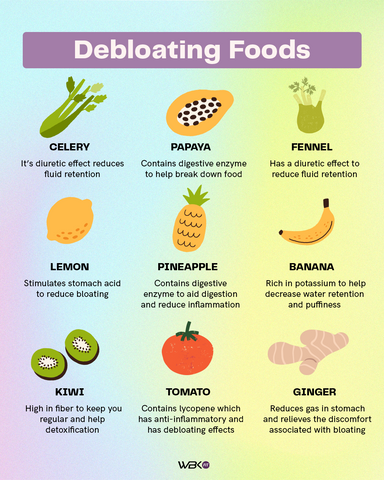
Fennel: Fennel is a popular herb known for its ability to reduce bloating and promote digestion. It contains anethole, a compound that relaxes the muscles of the gastrointestinal tract, allowing trapped gas to be released.
-
Pineapple: This tropical fruit contains an enzyme called bromelain, which aids in digestion by breaking down proteins. Bromelain also has anti-inflammatory properties, helping to reduce bloating and discomfort.
-
Papaya: Papaya is another fruit that contains enzymes, such as papain, that aid in digestion. These enzymes help break down proteins and facilitate the absorption of nutrients, reducing bloating.
-
Cucumber: Cucumbers are a hydrating vegetable that can help reduce bloating. They have a high water content and are rich in electrolytes, which can help flush out excess water and sodium, alleviating bloating.
-
Celery: Celery is a natural diuretic, meaning it helps stimulate urine production and flush out excess fluids. This can help reduce bloating caused by water retention.
-
Banana: Bananas are a great source of potassium, which helps regulate fluid balance in the body. Consuming potassium-rich foods like bananas can help reduce water retention and bloating.
-
Lemon: Lemon water is a refreshing beverage that can help reduce bloating. Lemon contains citric acid, which stimulates digestive enzymes and promotes the breakdown of food, reducing bloating.
-
Watermelon: Watermelon is a hydrating fruit that has diuretic properties, helping to flush out excess water and reduce bloating. It is also rich in vitamins and minerals that support digestive health.
Foods to Avoid
While certain foods can help reduce bloating, there are also foods that can exacerbate bloating and digestive discomfort. It is important to be mindful of these foods and limit or avoid them as much as possible.
-
Carbonated Drinks: Carbonated drinks, such as soda and sparkling water, can introduce bubbles of gas into the digestive system, leading to bloating and discomfort.
-
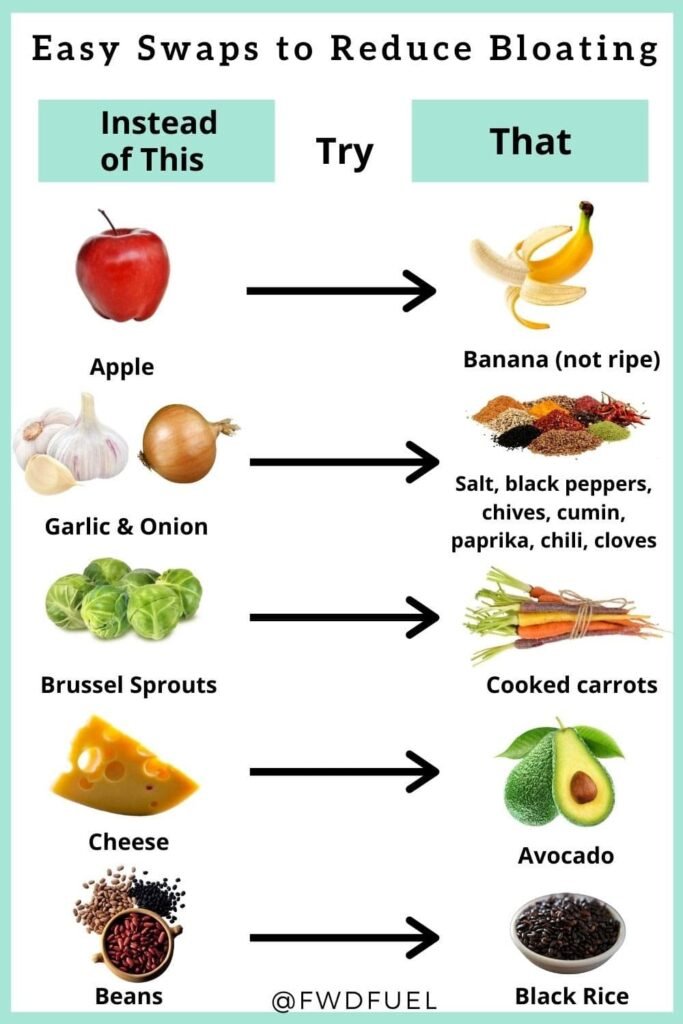
Dairy Products: Some individuals may have difficulty digesting lactose, the sugar found in dairy products. This can lead to bloating, gas, and other digestive symptoms. If you experience bloating after consuming dairy, you may want to consider dairy alternatives or opt for lactose-free options.
-
High-Fiber Foods: While fiber is important for digestive health, consuming too much fiber, especially insoluble fiber, can lead to bloating and gas. Gradually increase your fiber intake and ensure you are drinking enough water to help prevent bloating.
-
Legumes and Beans: Legumes and beans, such as chickpeas and lentils, are known for their high fiber content. While they are nutritious and beneficial for many, some individuals may experience bloating and gas due to the complex sugars present in these foods. Cooking legumes thoroughly and incorporating them slowly into your diet can help reduce bloating.
-
Artificial Sweeteners: Artificial sweeteners, such as sorbitol and xylitol, are common additives in sugar-free products. These sweeteners can be difficult to digest, leading to bloating and digestive discomfort. Opt for natural sweeteners like stevia or consume sweet treats in moderation.
-
Fried Foods: Fried foods are known for being high in fat and can be difficult to digest. The high fat content can slow down digestion, leading to bloating and discomfort. Opt for healthier cooking methods, such as grilling or baking, to reduce bloating.
-
Onions and Garlic: Onions and garlic contain a type of carbohydrate called fructans, which some individuals may have difficulty digesting. These carbohydrates can ferment in the gut, leading to bloating and gas. If you are sensitive to fructans, consider minimizing your intake of onions and garlic or opting for their respective powders for flavor.
-
Apples and Pears: While apples and pears are nutritious fruits, they also contain a type of sugar called sorbitol. Sorbitol can be difficult to digest for some individuals, leading to bloating and gas. If you experience bloating after consuming apples or pears, consider enjoying them in moderation or opting for fruits with lower sorbitol content, such as berries.
-
Wheat and Gluten: For individuals with gluten intolerance or celiac disease, consuming foods containing wheat and gluten can lead to bloating and digestive discomfort. Consider opting for gluten-free alternatives or exploring a gluten-free diet to reduce bloating.
-
Spicy Foods: Spicy foods, such as chili peppers and hot sauces, can irritate the digestive system and lead to bloating and discomfort. If you are sensitive to spice, consider reducing your intake or opting for milder alternatives.
Lifestyle Changes to Combat Bloating
In addition to incorporating bloating-reducing foods into your diet, certain lifestyle changes can also help combat bloating and promote better digestive health. Consider implementing the following habits into your daily routine:
-
Stay Hydrated: Drinking plenty of water can help prevent water retention and reduce bloating. Aim for at least eight glasses of water per day.
-
Eat Smaller Meals: Consuming smaller, more frequent meals can help prevent overeating and promote better digestion.
-
Monitor Food Intolerances: Pay attention to how your body reacts to certain foods and identify any intolerances that may be contributing to bloating. Consider keeping a food diary to track your symptoms.
-
Chew Food Thoroughly: Taking the time to chew your food thoroughly can aid digestion and reduce bloating. Properly breaking down food before swallowing can make a significant difference in how your body processes it.
-
Limit Salt Intake: Excessive salt intake can lead to water retention and bloating. Be mindful of your sodium intake and opt for natural herbs and spices to flavor your meals instead.
-
Avoid Chewing Gum and Sucking on Hard Candies: Chewing gum and sucking on hard candies can cause you to swallow excess air, leading to bloating. Limit your intake of these items to reduce bloating.
-
Engage in Regular Physical Activity: Regular exercise can help stimulate digestion and promote bowel movements, reducing bloating. Aim for at least 30 minutes of moderate-intensity exercise most days of the week.
-
Manage Stress Levels: Stress can contribute to digestive issues, including bloating. Incorporate stress-management techniques into your daily routine, such as deep breathing, meditation, or yoga.
-
Consider Probiotics: Probiotics are beneficial bacteria that can help improve gut health and reduce bloating. Consider incorporating probiotic-rich foods, such as yogurt or sauerkraut, into your diet or taking a probiotic supplement.
-
Keep a Food Journal: Keeping a record of what you eat and any associated symptoms can help you identify patterns and make necessary changes to reduce bloating. Note any foods that consistently trigger bloating and consider avoiding or minimizing their consumption.
By incorporating bloating-reducing foods into your diet, avoiding foods that can exacerbate bloating, and implementing lifestyle changes, you can effectively reduce bloating naturally and enjoy better digestive health. Listen to your body, make mindful choices, and prioritize your well-being to achieve a more comfortable and symptom-free life.