
Imagine this scenario: You’re sitting at your desk, trying to meet a pressing deadline, when suddenly a wave of excruciating back pain hits you. You might be inclined to blame it on your sedentary lifestyle or your posture, but have you ever considered the possibility that stress could be the main culprit? Surprisingly, stress and back pain are more interconnected than you might think. In this article, we will explore the fascinating link between the two and provide some insight into why managing stress could be the key to alleviating that nagging backache.
Overview of Back Pain
Back pain is a common health issue that affects a significant number of individuals worldwide. It is characterized by discomfort or pain in the region of the back, which can range from mild to severe. Understanding the causes and effects of back pain is important in order to effectively manage and prevent this condition.

Definition of back pain
Back pain refers to any discomfort or pain felt in the area of the back, which includes the neck, upper back, middle back, and lower back. It can be acute, lasting for a short period of time, or chronic, persisting for more than three months. The severity and location of the pain can vary from person to person.
Prevalence of back pain
Back pain is a prevalent health issue that impacts individuals of all ages and genders. According to the World Health Organization (WHO), it is estimated that 60-70% of people will experience back pain at some point in their lives. It is one of the leading causes of disability worldwide and contributes to a considerable burden on healthcare systems.
Causes of back pain
Back pain can be caused by various factors, both physical and psychological. Some common causes include muscle strains or sprains, herniated discs, spinal stenosis, osteoarthritis, poor posture, and lifestyle factors such as lack of exercise or excessive sitting. Psychological factors, such as stress and emotional distress, can also contribute to the development or exacerbation of back pain.
Effects of Stress on Back Pain
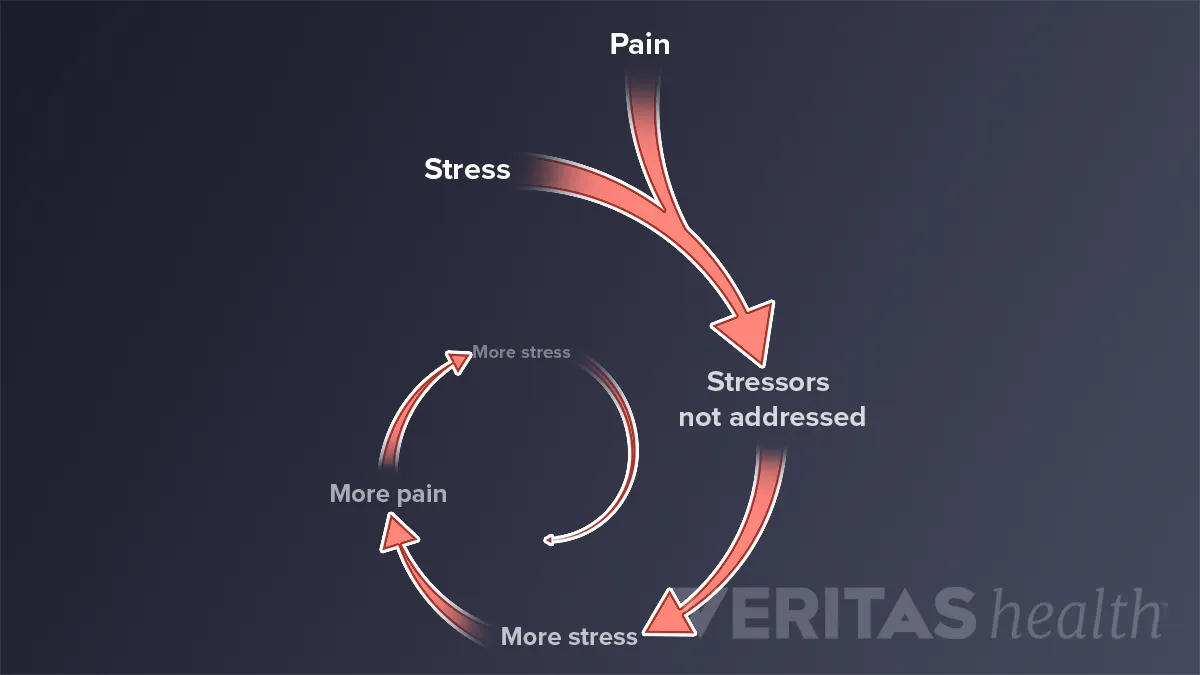
Stress can have a significant impact on back pain, both directly and indirectly. Understanding the relationship between stress and back pain is crucial in effectively managing and finding relief from this condition.
Understanding stress
Stress is a natural response of the body to a perceived threat or demand. It activates the body’s stress response system, which releases stress hormones such as cortisol and adrenaline. While stress is a normal part of life, chronic or excessive stress can have negative effects on both physical and mental health.

Stress-related muscle tension
One of the ways in which stress can contribute to back pain is through muscle tension. When stressed, the body tends to hold tension in the muscles, particularly in the back, shoulders, and neck. This sustained muscle tension can lead to muscle imbalances, stiffness, and ultimately, back pain.
Psychological impact of stress on pain perception
Stress has also been found to influence pain perception. Studies have shown that individuals who experience high levels of stress tend to have a heightened sensitivity to pain. This means that they may experience pain more intensely or be more susceptible to developing chronic pain conditions, including back pain.
Stress and Musculoskeletal Disorders
Stress can have detrimental effects on the musculoskeletal system, which includes the bones, muscles, tendons, and ligaments. Understanding these effects is crucial in order to manage and prevent stress-related musculoskeletal disorders, including back pain.
How stress affects the musculoskeletal system
Stress can lead to increased muscle tension, which can cause muscle imbalances and eventually lead to musculoskeletal disorders. When stressed, the body’s stress response system activates, releasing stress hormones that prepare the body for a fight-or-flight response. This can result in increased muscle tension and a decrease in blood flow to the muscles, leading to muscle tightness and discomfort.
Relationship between stress and chronic pain
Chronic stress can also contribute to the development or exacerbation of chronic pain conditions, including back pain. The prolonged release of stress hormones can disrupt the body’s natural pain-relieving mechanisms, making individuals more susceptible to developing chronic pain. Additionally, stress can lead to poor sleep quality and a weakened immune system, further exacerbating pain symptoms.

Stress-induced changes in posture and movement
Stress can also impact posture and movement, which can contribute to back pain. When stressed, individuals may adopt poor posture or engage in repetitive movements that place additional strain on the back and related musculoskeletal structures. These changes in posture and movement patterns can lead to muscular imbalances and an increased risk of developing back pain.
Hormonal Influence on Back Pain
Hormones play a significant role in modulating pain perception and the body’s response to stress. Understanding the hormonal influence on back pain is important in order to effectively manage and prevent this condition.
Role of stress hormones in pain perception
Stress hormones, such as cortisol and adrenaline, can influence the body’s perception of pain. Cortisol, often referred to as the “stress hormone,” is released in response to stress and has anti-inflammatory properties. However, when produced in excess or over a prolonged period of time, cortisol can contribute to the development of chronic pain conditions.
Effects of cortisol on the body
Excessive cortisol levels can have negative effects on the body, including an increase in inflammation and a decrease in the body’s natural pain-relieving mechanisms. Studies have shown that elevated cortisol levels can contribute to the development and maintenance of chronic pain, including back pain. Additionally, cortisol can affect the body’s ability to heal and recover from injuries, further exacerbating pain symptoms.
Adrenaline and its impact on pain sensitivity
Adrenaline is another stress hormone that is released in response to a perceived threat or demand. It prepares the body for a fight-or-flight response, increasing heart rate, blood pressure, and pain sensitivity. When adrenaline levels are high, individuals may experience heightened pain perception, making them more susceptible to developing or exacerbating back pain.
Stress-Related Behaviors that Contribute to Back Pain
Stress can lead to certain behaviors that contribute to the development or exacerbation of back pain. Recognizing and addressing these behaviors is essential in effectively managing and preventing stress-related back pain.

Impact of stress on sleep patterns
Stress can significantly impact sleep patterns, leading to poor sleep quality or insomnia. Lack of sleep not only contributes to increased stress levels but can also lead to muscle tension, decreased pain tolerance, and impaired healing, all of which can contribute to back pain.
Physical inactivity and its effect on back pain
When stressed, individuals may engage in behaviors that promote physical inactivity, such as excessive sitting or lying down. This sedentary lifestyle can contribute to the development of back pain, as it leads to muscle imbalances, weakens the core muscles that support the spine, and reduces overall physical fitness.
Unhealthy coping mechanisms and their consequences
Stress can also lead to the adoption of unhealthy coping mechanisms, such as smoking, excessive alcohol consumption, or overeating. These behaviors can have negative effects on overall health, including an increased risk of developing back pain or worsening existing pain symptoms.
Stress Management Strategies for Back Pain
Effective stress management strategies can play a crucial role in managing and preventing back pain. Implementing these strategies can help alleviate pain symptoms, reduce stress levels, and improve overall well-being.
Exercise and physical activity
Regular exercise and physical activity have been shown to have numerous benefits for both physical and mental health. Engaging in activities such as walking, swimming, yoga, or strength training can help alleviate back pain by strengthening the muscles that support the spine, improving flexibility, and reducing stress levels.
Relaxation techniques
Practicing relaxation techniques, such as deep breathing, meditation, or progressive muscle relaxation, can help reduce stress levels and alleviate back pain. These techniques promote relaxation of the muscles and the mind, allowing for a better management of pain symptoms.
Cognitive-behavioral therapy
Cognitive-behavioral therapy (CBT) is a form of therapy that focuses on identifying and changing negative thought patterns and behaviors. It has been found to be effective in managing chronic pain conditions, including back pain, by helping individuals develop healthy coping mechanisms, challenge negative beliefs about pain, and improve their overall quality of life.
Posture and Stress-related Back Pain
Maintaining good posture is essential in preventing and managing stress-related back pain. Understanding the link between poor posture and stress-induced back pain can help individuals make necessary adjustments in their everyday life.
Poor posture and its link to stress-induced back pain
Poor posture, such as slouching or hunching over, can place excessive strain on the muscles, ligaments, and discs of the back, leading to pain and discomfort. When stressed, individuals may unknowingly adopt poor posture as a result of muscle tension or fatigue, further exacerbating back pain.
Ergonomics and workplace factors
Workplace factors, such as ergonomic design, can significantly impact posture and contribute to stress-related back pain. A poorly designed workstation, improper sitting or standing positions, or repetitive tasks can all lead to muscular imbalances and increased risk of developing back pain. Implementing ergonomic adjustments, such as using an adjustable chair, maintaining proper desk height, and taking frequent breaks, can help alleviate stress-induced back pain.
Corrective exercises and stretches
Engaging in corrective exercises and stretches can help improve posture and alleviate stress-related back pain. Exercises that focus on strengthening the core muscles, stretching the chest and hip flexors, and improving spinal mobility can help correct muscle imbalances and promote better posture.
Psychosocial Factors and Back Pain
Psychosocial factors, such as stressful life events or emotional distress, can significantly impact the development or exacerbation of back pain. Understanding the role of psychosocial factors in back pain is crucial in effectively managing and preventing this condition.
Stressful life events and their impact on back pain
Experiencing stressful life events, such as the loss of a loved one, divorce, or financial difficulties, can contribute to the development or worsening of back pain. These events can lead to increased stress levels, emotional distress, and changes in coping mechanisms, all of which can impact pain perception and the body’s response to pain.
Emotional distress and chronic pain
Emotional distress, such as anxiety or depression, has been consistently linked to the development and maintenance of chronic pain conditions, including back pain. High levels of emotional distress can amplify pain symptoms, reduce pain tolerance, and make it more difficult to effectively manage pain. Addressing the underlying emotional factors through therapy or counseling can help alleviate back pain and improve overall well-being.
Social support and its role in managing back pain
Having a strong social support system has been found to be beneficial in managing and coping with back pain. The support and understanding of family, friends, or support groups can provide individuals with the necessary emotional support and encouragement needed to effectively manage stress-related back pain. Social support can also provide opportunities for distraction, relaxation, and engagement in activities that promote physical and mental well-being.
Work-related Stress and Back Pain
Work-related stress can be a significant contributor to back pain. Understanding the impact of workplace stressors and implementing ergonomic interventions is crucial in effectively managing and preventing stress-related back pain.
Workplace stressors and their effect on the back
Workplace stressors, such as high job demands, long hours, lack of control, or poor interpersonal relationships, can contribute to the development or exacerbation of back pain. The physical demands of certain jobs, such as heavy lifting or repetitive movements, can also increase the risk of developing back pain. Identifying and addressing these workplace stressors can help alleviate stress-related back pain.
Job strain and musculoskeletal pain
Job strain, which refers to the combination of high job demands and low control over job tasks, has been consistently linked to the development of musculoskeletal pain, including back pain. Individuals who experience high levels of job strain may be more susceptible to developing stress-related back pain due to increased muscle tension, poor posture, and limited opportunities for rest and recovery.
Ergonomic interventions for stress-related back pain
Implementing ergonomic interventions in the workplace can help prevent and manage stress-related back pain. Providing employees with ergonomic office furniture, such as adjustable chairs and desks, promoting proper lifting techniques, and encouraging regular breaks can help reduce the physical strain on the back and improve overall comfort in the workplace.
Mind-Body Connection in Back Pain
The mind-body connection plays a significant role in the development and management of back pain. Understanding the role of stress in mind-body disorders and implementing mind-body interventions can help effectively manage stress-related back pain.
The role of stress in mind-body disorders
Stress has been found to contribute to the development of mind-body disorders, such as fibromyalgia, chronic fatigue syndrome, and irritable bowel syndrome. These conditions are characterized by the presence of chronic pain and other physical symptoms that cannot be fully explained by medical tests or examinations. Stress can trigger or exacerbate these conditions, including back pain, by disrupting the central nervous system’s ability to process pain signals.
Mindfulness-based interventions for back pain
Mindfulness-based interventions, such as mindfulness meditation or yoga, have been shown to be effective in managing chronic pain conditions, including back pain. These practices focus on developing present-moment awareness and acceptance of pain, reducing stress levels, and promoting overall well-being. By cultivating a mindful attitude, individuals can better manage stress-related back pain and improve their quality of life.
Psychological therapies for stress-related back pain
Psychological therapies, such as cognitive-behavioral therapy (CBT) or acceptance and commitment therapy (ACT), can be beneficial in managing stress-related back pain. These therapies focus on identifying and challenging negative thoughts and behaviors, developing healthy coping mechanisms, and improving overall psychological well-being. By addressing the underlying psychological factors contributing to stress-related back pain, individuals can effectively manage pain symptoms and improve their quality of life.
In conclusion, understanding the relationship between stress and back pain is essential in effectively managing and preventing this common health issue. Stress can directly impact back pain through muscle tension, changes in pain perception, and hormonal influences. Additionally, stress-related behaviors, workplace stressors, and psychosocial factors can contribute to the development or worsening of back pain. By implementing stress management strategies, adopting healthy behaviors, and addressing psychological factors, individuals can effectively manage and prevent stress-related back pain, improving their overall well-being.