
In a world where globalization connects us more than ever, the constant threat of influenza looms large. The Global Challenge of Influenza explores the contagious nature and far-reaching impact of this viral disease, with a particular focus on the invasive strain, Haemophiles influenza Disease. As we navigate the complexities of today’s interconnected world, understanding and addressing the challenges posed by influenza is crucial for the health and well-being of individuals and communities worldwide.
What is Influenza?
Influenza, commonly known as the flu, is a contagious respiratory illness caused by the influenza virus. It affects millions of people worldwide each year and can vary in severity from mild to severe. The flu is often characterized by symptoms such as fever, cough, sore throat, runny or stuffy nose, body aches, fatigue, and headaches. In some cases, it can lead to more serious complications and even death, particularly among vulnerable populations such as the elderly, young children, and individuals with weakened immune systems.
Prevalence of Influenza
Global Burden
Influenza is a significant global health concern, affecting people of all ages and demographics. It is estimated that seasonal influenza viruses cause around 1 billion infections annually, resulting in several hundred thousand deaths worldwide. The burden of influenza is particularly high in developing countries with limited healthcare resources, where the impact on vulnerable populations is more severe.
Seasonality of Influenza
Influenza exhibits a seasonal pattern, with outbreaks typically occurring during the winter months in temperate regions. The exact reasons for this seasonality are not yet fully understood, but it is believed to be influenced by factors such as changes in temperature, humidity, and human behavior during colder months. The seasonal nature of influenza poses challenges for prevention, as it requires an ongoing effort to adapt vaccination strategies and surveillance systems to address the changing strains of the virus.
Types and Subtypes of Influenza Virus
Influenza viruses are categorized into three types: Influenza A, Influenza B, and Influenza C. Among these, Influenza A and B are the most common, causing the majority of annual flu cases.
Influenza A
Influenza A viruses are further classified into different subtypes based on the presence of two surface proteins, hemagglutinin (H) and neuraminidase (N). There are currently 18 known subtypes of hemagglutinin and 11 subtypes of neuraminidase. These subtypes can undergo changes through a process called antigenic shift, leading to the emergence of new strains and potentially causing pandemics.
Influenza B
Influenza B viruses do not have subtypes but can evolve through a process called antigenic drift, which results in minor changes to the virus over time. Influenza B viruses can also cause seasonal outbreaks but typically result in milder illness compared to Influenza A.
Influenza C
Influenza C viruses are less common and generally cause mild illness, typically resembling common cold symptoms. They do not cause seasonal epidemics and are not associated with severe disease outcomes.
Symptoms and Complications
Common symptoms of influenza include fever, cough, sore throat, runny or stuffy nose, body aches, fatigue, and headaches. In some cases, individuals may also experience gastrointestinal symptoms such as vomiting and diarrhea. Most people recover from influenza within a week or two with rest, fluid intake, and over-the-counter symptom relief medications.
However, certain populations are more susceptible to severe complications from influenza. These include young children, the elderly, pregnant women, individuals with underlying health conditions, and those with weakened immune systems. Complications can include pneumonia, bronchitis, sinus infections, ear infections, and worsening of chronic medical conditions. In severe cases, influenza can lead to hospitalization, intensive care, and death.

Transmission of Influenza Virus
Influenza virus spreads from person to person through respiratory droplets generated when an infected individual coughs, sneezes, or talks. The virus can also survive on surfaces for a short period, allowing indirect transmission through contact with contaminated objects. Individuals can become infected by inhaling infected respiratory droplets or by touching a surface contaminated with the virus and then touching their eyes, nose, or mouth.
Modes of Transmission
The primary mode of influenza transmission is through close contact with infected individuals, particularly in crowded settings such as schools, workplaces, and public transportation. Additionally, seasonal influenza viruses can spread within households, where the virus can easily pass between family members.
Risk Factors for Transmission
Certain factors increase the risk of influenza virus transmission. These include close and prolonged contact with infected individuals, poor hand hygiene practices, crowded living conditions, and the absence of preventive measures like vaccination and wearing face masks during flu outbreaks.
Prevention and Control Measures
Various preventive measures can be taken to mitigate the transmission and impact of influenza.
Vaccination
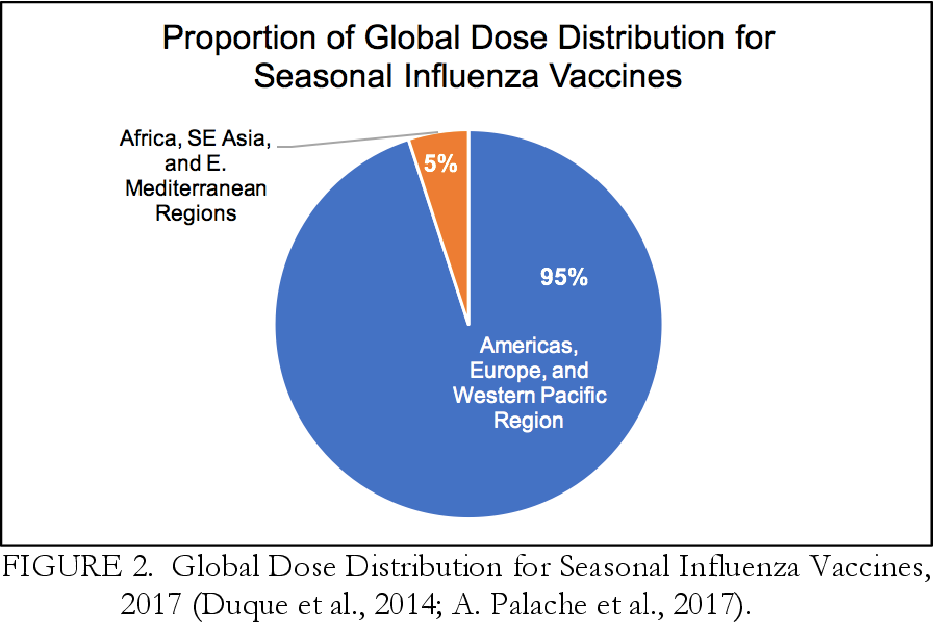
Annual influenza vaccination is the most effective way to prevent flu infections. Vaccination helps to reduce the severity of illnesses, hospitalizations, and deaths associated with influenza. The flu vaccine is regularly updated to include the most prevalent strains of the virus each flu season, offering protection against the circulating strains.
Antiviral Medications
Antiviral medications can be used for the prevention and treatment of influenza. They are most effective when taken early after the onset of symptoms. Antiviral medications can help reduce the duration and severity of illness, especially in high-risk individuals who are more susceptible to complications.
Hygiene Practices
Practicing good hand hygiene, such as regular handwashing with soap and water or using alcohol-based hand sanitizers, is crucial in preventing the spread of influenza. Covering the mouth and nose while coughing or sneezing with a tissue or the elbow can also help reduce transmission.
Isolation and Quarantine
Infected individuals should isolate themselves at home to prevent further transmission. Close contacts of infected individuals may also be advised to quarantine for a certain period to limit the spread of the virus.
Economic Impact
In addition to its health burden, influenza also has a significant economic impact. The direct costs of influenza include healthcare expenses, such as hospitalizations, doctor visits, and medication costs. Indirect costs are associated with work absences, loss of productivity, and the burden on healthcare systems during flu seasons. Additionally, influenza outbreaks can disrupt industries such as tourism, travel, and other sectors that rely on a healthy workforce.
Pandemic Influenza
History of Pandemics
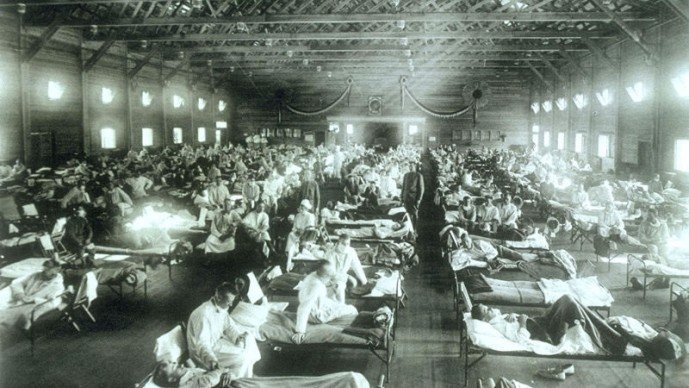
Pandemics occur when a new strain of the influenza virus emerges, to which the population has little or no immunity. Throughout history, there have been several influenza pandemics with varying levels of severity. The most notable pandemic in recent history is the 1918 Spanish Flu, which caused millions of deaths worldwide. Other pandemics include the Asian Flu (1957), Hong Kong Flu (1968), and the H1N1 pandemic (2009).
Preparedness and Response Plans
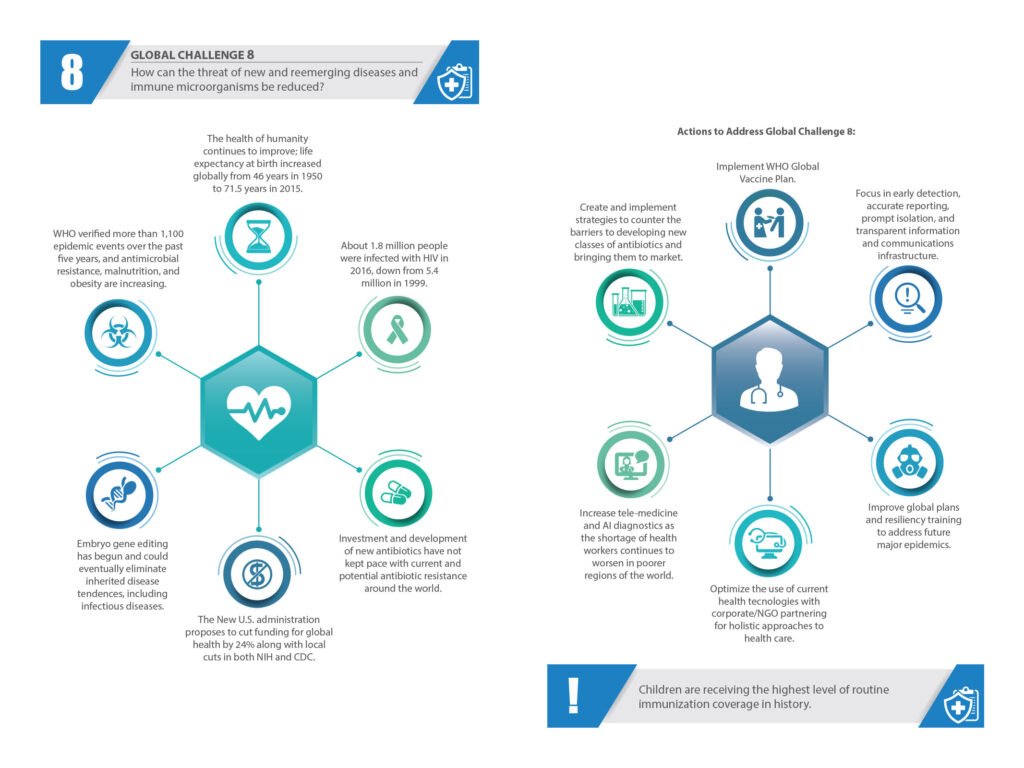
In response to the threat of pandemic influenza, governments and international organizations have developed preparedness and response plans. These plans focus on early detection, surveillance, containment, vaccine development, and public health interventions to limit the impact of a pandemic. International collaboration and information sharing are crucial for effective pandemic preparedness and response.

Viral Evolution and Antigenic Drift
Influenza viruses have the ability to evolve and change through a process called antigenic drift. This refers to the small genetic changes that occur in the virus over time, leading to the emergence of new strains. These changes can make previously acquired immunity less effective, requiring updated vaccines to provide optimal protection each flu season.
Global Surveillance and Monitoring
International Collaboration
International collaboration is essential for monitoring and detecting influenza outbreaks worldwide. Organizations such as the World Health Organization (WHO) work closely with national health agencies and laboratories to collect and analyze data on influenza activity, virus strains, and vaccine effectiveness. This collaboration helps inform vaccine formulation, surveillance systems, and public health interventions.
WHO Global Influenza Surveillance and Response System
The WHO Global Influenza Surveillance and Response System (GISRS) is a network of laboratories and institutions around the world that monitor and assess influenza activity. Through this system, countries share influenza virus samples with WHO collaborating centers for genetic and antigenic analysis. The information gathered through GISRS informs the development of seasonal influenza vaccines and provides early warning for potential pandemic threats.
In conclusion, influenza is a global health challenge that affects millions of individuals each year. Understanding the prevalence, types, symptoms, transmission, prevention, and economic impact of influenza is crucial for effective control and mitigation efforts. By implementing preventive measures, such as vaccination, practicing good hygiene, and promoting international collaboration, we can reduce the burden of influenza and protect vulnerable populations from severe illness and complications.