In this captivating article, you will explore the challenges and innovations that have emerged within the healthcare system during the unprecedented times of the Covid-19 pandemic. With the outbreak rapidly consuming the globe, the healthcare industry has faced immense pressure, forcing it to adapt and find new ways to provide essential care to those in need. As you delve into this article, you will discover the incredible efforts made by healthcare professionals and the innovative solutions implemented to overcome the obstacles posed by this unprecedented crisis.
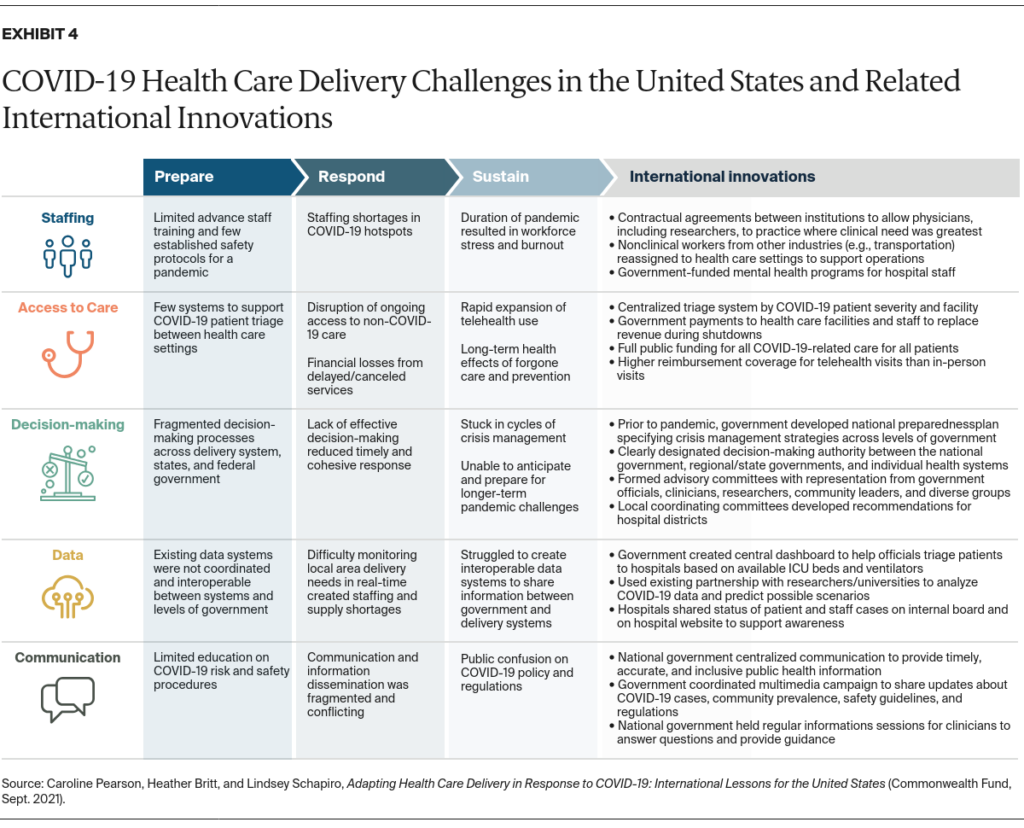
Challenges Faced by the Healthcare System
Overwhelmed Hospital Capacities
One of the most pressing challenges faced by the healthcare system during the Covid-19 pandemic has been the overwhelming demand for hospital beds. As the number of infections surged, hospitals found themselves struggling to accommodate the increasing number of patients. This led to overcrowding, long waiting times, and stretched resources. The lack of sufficient beds and medical staff posed a significant obstacle in providing timely and quality care to those in need.
Shortage of Medical Supplies
Another critical challenge faced by healthcare systems worldwide was the shortage of essential medical supplies. The rapid spread of the virus strained global supply chains and created an unprecedented demand for items such as ventilators, personal protective equipment (PPE), and medications. This scarcity put healthcare workers at risk, as they battled on the frontlines without adequate protection. It also hindered the ability to treat and care for patients effectively, putting lives at risk.
Lack of Personal Protective Equipment (PPE)
The shortage of PPE presents a distinct challenge within the broader issue of medical supply shortages. Healthcare workers rely on personal protective equipment to safeguard their own health and prevent the transmission of the virus. The scarcity of PPE not only endangered the lives of healthcare professionals but also contributed to the spread of the virus within healthcare facilities. The lack of adequate protection caused fear and anxiety among frontline workers, further exacerbating the challenges faced by the healthcare system.
High Demand for Testing
Accurate and widespread testing has been crucial in containing the spread of Covid-19. However, the healthcare system quickly became overwhelmed by the high demand for testing. Testing centers faced long queues, delayed results, and limited testing capacities. This hindered the ability to identify and isolate infected individuals promptly, impeding efforts to control the spread of the virus. The challenge of meeting the testing demand highlighted the need for rapid and accessible testing methods to effectively manage the pandemic.
Limited Access to Routine and Emergency Care
As healthcare systems focused their efforts on managing the Covid-19 crisis, access to routine and emergency care for non-Covid-19 patients became severely limited. Hospitals and clinics had to cancel or postpone elective surgeries and non-urgent appointments to prioritize resources for Covid-19 cases. This led to delayed diagnoses, reduced access to preventive care, and potential negative health outcomes for patients suffering from other conditions. The disruption in healthcare services highlighted the need for innovative approaches to ensure continued access to care during times of crisis.
Innovations in Healthcare Delivery
Telehealth and Virtual Care
Telehealth and virtual care emerged as pivotal innovations in healthcare delivery during the pandemic. These technologies allowed healthcare providers to deliver care remotely, minimizing the risk of exposure for both patients and providers. Through telehealth, patients could consult with their doctors via video calls, receive medical advice, and even get prescriptions refilled without having to visit a healthcare facility. The widespread adoption of telehealth expanded access to healthcare services and reduced the burden on hospitals and clinics.
Remote Patient Monitoring
As hospitals faced capacity constraints, remote patient monitoring became an essential tool for managing patients outside the hospital setting. With remote monitoring devices, healthcare providers could track patients’ vital signs, symptoms, and disease progression from a distance. This allowed for early detection of deteriorating conditions, timely interventions, and reduced hospital readmissions. Remote patient monitoring not only improved patient outcomes but also helped alleviate the strain on hospital resources.
Drive-Thru Testing Centers
Drive-thru testing centers provided an innovative solution to the challenge of high demand for testing. These centers allowed individuals to get tested for Covid-19 without leaving their vehicles, minimizing the risk of exposure and reducing waiting times. Drive-thru testing centers also helped streamline the testing process, allowing healthcare providers to test a larger number of people in a shorter period. This model proved highly effective in managing the testing demand and identifying cases promptly.
Pop-Up Clinics and Field Hospitals
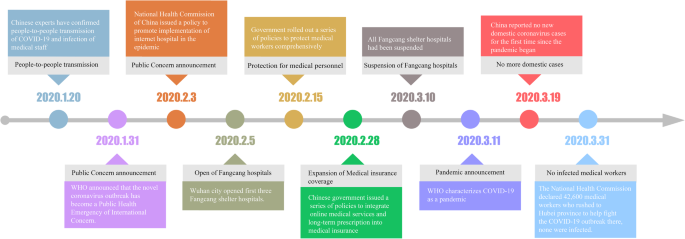
To expand healthcare capacity and provide care in areas with limited resources, pop-up clinics and field hospitals were set up. These temporary healthcare facilities were often established in convention centers, sports stadiums, or other large venues. They offered additional space for triage, testing, and treatment of Covid-19 patients. Pop-up clinics and field hospitals helped ease the strain on overwhelmed healthcare systems by providing additional beds and resources to accommodate the influx of patients.
Healthcare Chatbots and AI Applications
Artificial intelligence (AI) applications and healthcare chatbots played a significant role in improving healthcare delivery and managing the Covid-19 crisis. Chatbots were integrated into websites and mobile applications to provide users with information, symptom assessments, and guidance on when to seek medical attention. These AI-driven tools allowed for swift and accurate dissemination of information, reducing the burden on healthcare call centers and providing a reliable source of guidance for individuals seeking Covid-19-related information.
Challenges in the Distribution of Vaccines
Cold Chain Logistics
The distribution of Covid-19 vaccines presented numerous challenges, especially regarding maintaining the cold chain. Many vaccines require refrigeration or even ultra-cold storage, posing logistical hurdles in storing, transporting, and administering the vaccines. Maintaining the integrity of the cold chain at every stage is crucial to ensure vaccine efficacy. The challenge lies not only in establishing the necessary infrastructure but also in training personnel and developing protocols to handle the vaccines safely and effectively.
Allocation and Prioritization
With limited vaccine supplies initially, allocation and prioritization strategies became essential to ensure equitable distribution. Decisions on vaccine allocation often involved ethical considerations, considering factors such as vulnerability to severe illness, exposure risks, and the societal impact of vaccinating specific populations. The challenge lies in striking a balance between the need to protect the most vulnerable and ensuring a swift and efficient vaccination campaign.
Vaccine Hesitancy and Misinformation
Vaccine hesitancy and misinformation have presented significant challenges in achieving widespread vaccination. Misinformation circulating through social media and other channels has fueled vaccine hesitancy, leading some individuals to delay or refuse vaccination. Overcoming vaccine hesitancy requires clear and accurate communication about the safety and efficacy of vaccines, addressing concerns, and combating the spread of misinformation. Public health campaigns and targeted messaging play a crucial role in addressing these challenges.
Innovations in Vaccine Distribution
Mass Vaccination Centers
Mass vaccination centers have been established to administer vaccines on a large scale efficiently. These centers, often set up in large venues such as stadiums or convention centers, allow for a high volume of vaccinations, minimizing wait times and optimizing resources. Mass vaccination centers also provide an opportunity for community engagement and education, promoting vaccine acceptance and reaching a larger portion of the population.
Mobile Vaccination Units
To address the challenge of reaching underserved or remote communities, mobile vaccination units have been deployed. These units bring vaccines directly to communities, often targeting vulnerable populations, elderly individuals, or those unable to travel to vaccination sites. Mobile vaccination units help overcome logistical barriers and ensure equitable access to vaccines, reaching individuals who may face transportation barriers or have limited healthcare infrastructure in their vicinity.
Collaborations with Community Organizations
Collaborations with community organizations have played a crucial role in vaccine distribution efforts. Partnerships with local community centers, faith-based organizations, and social service agencies have facilitated vaccine outreach and promoted vaccine acceptance. Community organizations can leverage their existing networks and build trust within their communities to encourage vaccination, address concerns, and ensure equitable access to vaccines for marginalized populations.
Appointment Booking Systems
Efficient and user-friendly appointment booking systems have been instrumental in managing vaccine distribution. Online platforms and appointment scheduling applications have allowed individuals to book vaccination appointments easily. These systems have helped streamline the vaccination process, minimize wait times, and manage vaccine supplies effectively. The deployment of appointment booking systems has facilitated a smooth and organized vaccine rollout, ensuring that eligible individuals can access vaccines conveniently.
Challenges in Mental Health Support
Increased Mental Health Burden
The Covid-19 pandemic has taken a toll on mental health globally. The stress, uncertainty, and loss experienced during the pandemic have contributed to increased rates of anxiety, depression, and other mental health conditions. Healthcare systems have struggled to meet the growing demand for mental health support, as traditional in-person therapy services faced disruptions and limitations. The challenge lies in addressing the increased mental health burden and providing timely and accessible support to those in need.
Lack of Access to In-Person Therapy
The lockdowns and social distancing measures implemented during the pandemic made it challenging for individuals to access in-person therapy. Many therapy offices had to close, and therapists had to limit their practice to virtual sessions. This lack of meaningful in-person connections posed challenges for individuals who relied on face-to-face therapy for their mental health care. The inability to access in-person therapy reduced the effectiveness of treatment for some individuals and emphasized the need for alternative methods of support.
Lack of Mental Health Resources for Healthcare Workers
Healthcare workers, who have been on the frontlines during the pandemic, have faced significant mental health challenges. The unprecedented stress, long work hours, and exposure to trauma have taken a toll on their well-being. However, healthcare systems often lacked dedicated mental health resources to support their workforce. The lack of accessible and specialized mental health services for healthcare workers has exacerbated the impact of the pandemic on their mental health and overall resilience.
Innovations in Mental Health Support
Teletherapy and Online Counseling
Teletherapy and online counseling emerged as lifelines for individuals in need of mental health support during the pandemic. These virtual platforms allowed individuals to connect with therapists and counselors remotely, ensuring continuity of care and reducing barriers to access. Teletherapy and online counseling provided a means of delivering therapy that was safe, convenient, and effective, maintaining essential mental health support despite the challenges posed by the pandemic.
Mental Health Apps and Digital Support
Mental health apps and digital support tools have seen significant growth during the Covid-19 crisis. These mobile applications and platforms offer a wide range of resources, including self-help tools, guided meditation, peer support communities, and therapy sessions. Mental health apps provide individuals with accessible and personalized support, empowering them to take control of their mental well-being. The availability of digital support tools has transformed how individuals can seek and receive mental health support, making it more accessible and convenient.
Peer Support Networks for Healthcare Workers
Recognizing the unique mental health challenges faced by healthcare workers, peer support networks have been established to provide a safe space for professionals to connect and share their experiences. These networks offer opportunities for healthcare workers to discuss their challenges, access support from colleagues who understand their struggles, and build resilience as a community. Peer support networks play a crucial role in normalizing the conversation around mental health within the healthcare field and fostering a culture of support and well-being.
Challenges in Healthcare Workforce Management
Burnout and Emotional Exhaustion
The relentless demands of the pandemic have placed healthcare workers at risk of burnout and emotional exhaustion. Long work hours, increased patient loads, and high-stress situations have taken a toll on the well-being of those on the frontlines. The challenge lies in effectively managing the mental and physical health of healthcare workers to prevent burnout and ensure a sustainable workforce capable of providing quality care throughout the crisis.
Staff Shortages and Absenteeism
The pandemic has led to increased demand for healthcare workers, stretching the resources of healthcare systems worldwide. Staff shortages and absenteeism have become significant challenges, resulting from factors such as Covid-19 infections among healthcare workers, the need for quarantine, and increased attrition due to burnout. The shortage of healthcare workers has strained the system’s capacity to respond effectively to the needs of patients and has highlighted the importance of workforce planning and support.
Safety Risks and Infections among Healthcare Workers
Healthcare workers have faced significant safety risks and an increased likelihood of contracting Covid-19 due to their close contact with infected patients. The shortage of personal protective equipment early in the pandemic further exacerbated the risk. The challenge lies in ensuring the safety and well-being of healthcare workers, implementing robust infection control measures, and providing the necessary resources and support to protect them from infections and other occupational hazards.
Innovations in Healthcare Workforce Management
Wellness Programs and Mental Health Support for Healthcare Workers
Wellness programs and comprehensive mental health support initiatives have become essential in managing the well-being of healthcare workers. These programs include activities such as mindfulness sessions, yoga classes, access to mental health counseling, and support groups. By prioritizing the mental and physical health of healthcare workers, wellness programs help prevent burnout, enhance resilience, and promote a healthy work environment. Investing in the well-being of healthcare workers is crucial for maintaining a sustainable workforce throughout the pandemic and beyond.
Flexible Scheduling and Workforce Optimization Tools
Flexible scheduling and workforce optimization tools have played a crucial role in managing staff shortages and ensuring efficient staffing in healthcare settings. By leveraging technology and data analysis, these tools enable healthcare organizations to accurately forecast staffing needs, adjust schedules in real-time, and optimize staff allocation. Flexible scheduling helps healthcare workers achieve a better work-life balance and adapt to changing demands, reducing the risk of burnout and maintaining high-quality care.
Training and Upskilling Programs to Address Staff Shortages
To address the challenge of staff shortages, training and upskilling programs have become a vital component of healthcare workforce management during the pandemic. These programs aim to quickly train healthcare workers in critical areas of need, allowing them to take on expanded roles and responsibilities. By redistributing tasks and expanding the capabilities of healthcare workers, training and upskilling programs help mitigate the impact of staff shortages, ensuring that the healthcare system can cope with the increased demands of the pandemic.
Challenges in Data Management and Reporting
Quality and Accuracy of Data
Accurate and reliable data is essential for effective decision-making and resource allocation during a crisis. However, ensuring the quality and accuracy of data has been a challenge for healthcare systems. The rapid influx of different data sources, varying data collection methods, and the sheer volume of information have strained data management systems. Ensuring data quality and consistency is crucial to derive meaningful insights and make informed decisions to guide pandemic response efforts.
Data Privacy and Security Concerns
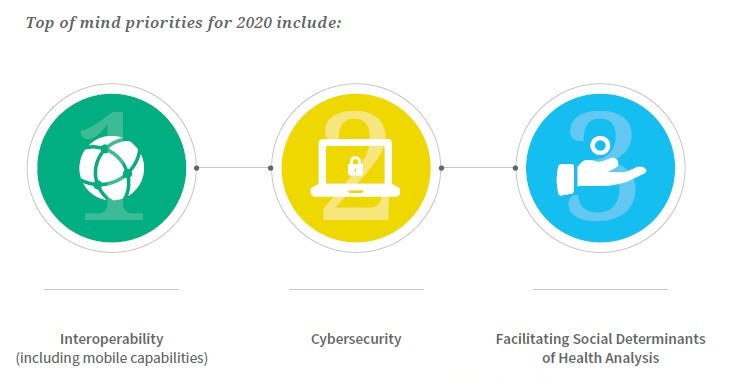
The collection, storage, and sharing of healthcare data raise significant privacy and security concerns. Healthcare systems must adhere to strict privacy regulations to protect patient information while also ensuring interoperability and accessibility of data. The challenge lies in striking a balance between data privacy and the need for timely, transparent, and collaborative reporting. Robust data security measures, along with ethical data governance practices, are crucial for maintaining trust and the integrity of the healthcare system.
Integration of Data from Multiple Sources
Integrating data from multiple sources has proved challenging during the pandemic. Healthcare systems often rely on data from various sources, such as hospitals, clinics, laboratories, and public health agencies. However, the lack of standardized data formats, incompatible systems, and limited interoperability hinder the seamless integration and analysis of data. The challenge lies in developing and implementing robust data integration strategies to harness the full potential of data for effective pandemic response and planning.
Innovations in Data Management and Reporting
Real-Time Data Dashboards
Real-time data dashboards provide a visual representation of key pandemic indicators, such as infection rates, hospitalizations, and vaccine distribution. These dashboards consolidate data from multiple sources into easily digestible formats, ensuring transparency and facilitating data-driven decision-making. Real-time data dashboards allow healthcare administrators, policymakers, and the public to monitor the pandemic’s progression, track the impact of interventions, and allocate resources effectively.
Data Analytics and Predictive Modeling
Data analytics and predictive modeling have become invaluable tools for understanding and managing the Covid-19 pandemic. Advanced analytics techniques and modeling algorithms enable healthcare systems to identify patterns, forecast disease spread, and predict resource needs. By leveraging available data, healthcare organizations can make evidence-based decisions, optimize resource allocation, and proactively plan for future scenarios. Data analytics and predictive modeling play a crucial role in guiding pandemic response efforts and minimizing the impact on healthcare systems.
Interoperability and Standardization Efforts
Interoperability and standardization efforts are essential for overcoming the challenge of integrating data from multiple sources. Establishing common data standards and interoperability frameworks allows different healthcare systems and stakeholders to share and exchange information seamlessly. Interoperability enables the secure and efficient transfer of data, delivering a comprehensive view of patient health, population health, and healthcare system performance. Standardization and interoperability efforts maximize the value of data by enabling better collaboration and analysis across the healthcare ecosystem.
In conclusion, the Covid-19 pandemic has presented numerous challenges to the healthcare system, from overwhelmed hospital capacities to staff shortages and data management complexities. However, healthcare organizations have responded with innovative approaches to overcome these challenges. From telehealth and virtual care to mass vaccination centers and data analytics, these innovations have significantly transformed healthcare delivery and management. By leveraging these innovations and continuing to prioritize the well-being of healthcare workers, the healthcare system can navigate through the current crisis and emerge stronger in the face of future challenges.