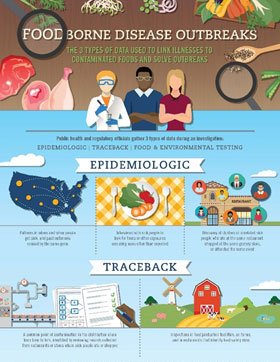
Imagine this scenario: you’re spending a lovely evening with friends at a cozy restaurant, and everyone is excitedly ordering their favorite dishes. Little do you know, there may be hidden dangers lurking in your meal. Foodborne diseases, often unnoticed and underestimated, pose serious risks to your health. From contaminated produce to improperly cooked meats, the sources of these illnesses are numerous. This article will shed light on the hidden dangers of foodborne diseases, offering insight into how to protect yourself and your loved ones from the potential harm they can cause. So, let’s explore the fascinating world of food and waterborne diseases together and arm ourselves with the knowledge to stay safe and healthy.
The Hidden Dangers of Foodborne Diseases
Foodborne diseases, also known as food poisoning, pose significant health risks to individuals worldwide. These illnesses result from consuming contaminated food or water, causing a range of symptoms and complications. Understanding the causes, sources, and transmission methods can help minimize the occurrence of foodborne diseases. By practicing safe food handling practices and adhering to food safety regulations, we can protect ourselves and our communities from these hidden dangers.
Understanding Foodborne Diseases
Foodborne diseases are illnesses caused by consuming contaminated food or water. These diseases can be caused by various bacteria, viruses, parasites, or toxins. The onset of symptoms can range from a few hours to several days after consuming contaminated food, making it difficult to pinpoint the exact source of the illness. Foodborne diseases can affect individuals of all ages and can have serious consequences, particularly for vulnerable populations such as young children, pregnant women, the elderly, and those with weakened immune systems.
Common Types of Foodborne Diseases
There are numerous types of foodborne diseases, with each presenting its own set of symptoms and complications. Some common types include:
1. Salmonella
Salmonella is a bacteria that is frequently found in eggs, poultry, and raw meats. Consuming contaminated food can lead to symptoms such as diarrhea, fever, abdominal cramps, and vomiting. In severe cases, it may require hospitalization.
2. E. coli
E. coli is a bacteria commonly found in contaminated water, undercooked ground beef, raw vegetables, and unpasteurized milk. It can cause symptoms ranging from mild diarrhea to severe bloody diarrhea. In some instances, it can lead to kidney failure, especially in young children.
3. Norovirus
Norovirus is a highly contagious virus often transmitted through contaminated food or water. It can cause symptoms like nausea, vomiting, diarrhea, and stomach cramps. While the illness is typically short-lived, it can lead to dehydration, particularly in young children and the elderly.
Symptoms and Complications of Foodborne Diseases
The symptoms of foodborne diseases can vary depending on the specific type of illness and the individual affected. Common symptoms include nausea, vomiting, diarrhea, abdominal pain, and fever. In some cases, individuals may also experience dehydration, loss of appetite, fatigue, and muscle aches.
Complications from foodborne diseases can be severe and potentially life-threatening. These may include dehydration from excessive vomiting and diarrhea, kidney failure, nerve damage, and even death in rare cases. Certain types of foodborne diseases, such as Listeria and Toxoplasma infections, can also pose significant risks to pregnant women and their unborn babies.
Causes of Foodborne Diseases
Foodborne diseases can be caused by a variety of factors. These include:
-
Contaminated raw ingredients: Raw ingredients, such as eggs, poultry, and raw meat, can carry harmful bacteria or viruses that can contaminate the final product.
-
Improper food handling: Poor hygiene practices during food preparation, such as not washing hands properly, cross-contamination between raw and cooked foods, and inadequate cooking temperatures, can lead to the growth and spread of bacteria.
-
Unsafe water sources: Consuming water from unsafe sources can introduce harmful pathogens into the body, leading to foodborne diseases.
-
Inadequate food storage: Storing food at improper temperatures can encourage the growth of bacteria, increasing the risk of foodborne illnesses.

Contaminants and Sources of Foodborne Diseases
Foodborne diseases can be caused by a range of contaminants, including bacteria, viruses, parasites, and toxins. These contaminants can enter the food supply chain through various sources, such as:
-
Animal products: Raw or undercooked animal products, such as meat, poultry, eggs, and dairy, can carry harmful bacteria like Salmonella and E. coli.
-
Produce: Fruits and vegetables can become contaminated during the growing, harvesting, processing, or packaging stages, especially if exposed to contaminated water, soil, or animal waste.
-
Water: Consuming contaminated water from unsafe sources can introduce pathogens into the body, leading to foodborne illnesses.
-
Cross-contamination: When raw and cooked foods come into contact with each other, bacteria can transfer from the raw food to the cooked dish, increasing the risk of contamination.
Transmission of Foodborne Diseases
Foodborne diseases can be transmitted through various routes, including:
-
Ingestion: Consuming contaminated food or beverages is the most common mode of transmission for foodborne diseases.
-
Person-to-person: Some foodborne illnesses, like norovirus, can be easily transmitted from person to person through direct contact or by sharing contaminated utensils or food.
-
Contaminated surfaces: Surfaces or utensils that come in contact with contaminated food can spread harmful pathogens if not properly cleaned and sanitized.
-
Animals: Certain foodborne diseases can be transmitted through contact with animals, their feces, or through consumption of contaminated animal products.

The Global Impact of Foodborne Diseases
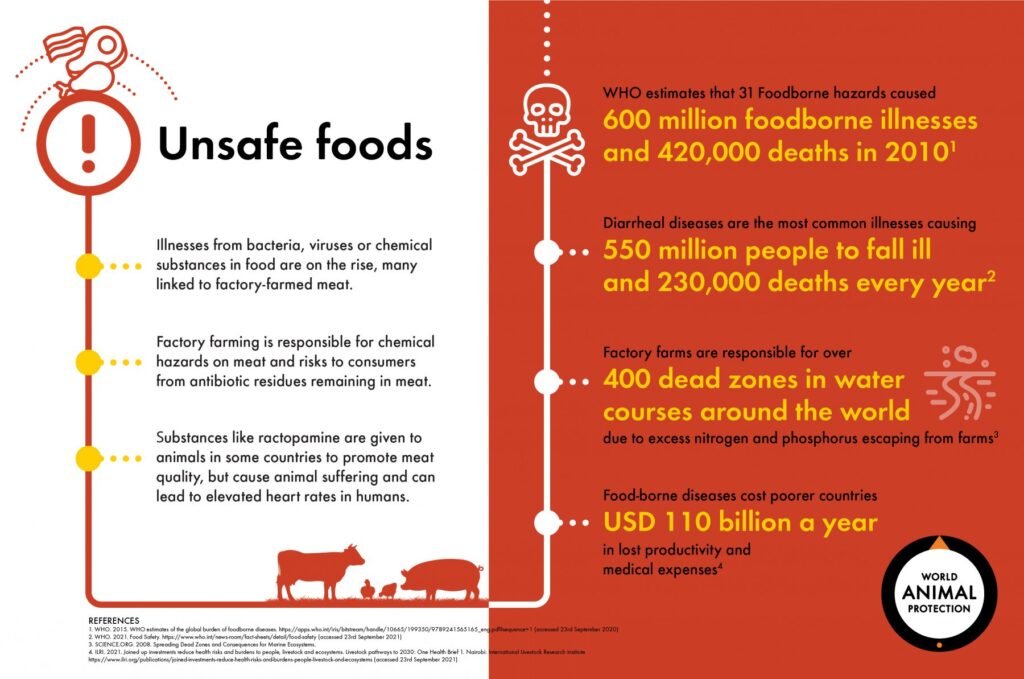
Foodborne diseases have a significant global impact, affecting millions of people each year. According to the World Health Organization (WHO), an estimated 600 million people fall ill, and 420,000 die from foodborne diseases annually. These diseases not only take a toll on human health but also lead to economic losses due to medical expenses, lost productivity, and decreased consumer confidence in the food industry.
Developing countries are disproportionately affected by foodborne diseases, primarily due to poor sanitation, lack of access to clean water, and insufficient food safety infrastructure. However, developed nations are not immune to these risks, as occasional outbreaks and recalls demonstrate the potential impact of foodborne illnesses on any population.
Preventing Foodborne Diseases
Preventing foodborne diseases requires a combination of individual responsibility and regulatory measures. By implementing the following practices, you can protect yourself and others from foodborne illnesses:
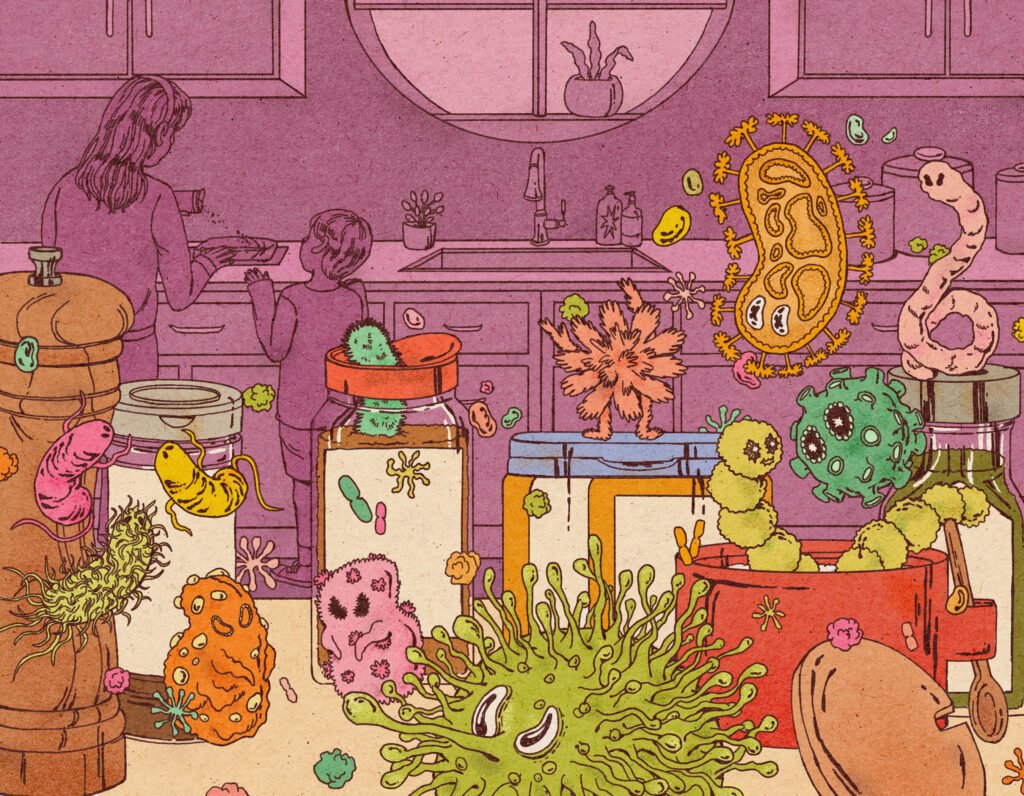
Safe Food Handling Practices
-
Wash your hands thoroughly with soap and water before and after handling food, especially raw ingredients.
-
Separate raw and cooked foods to avoid cross-contamination. Use separate cutting boards, utensils, and storage containers for raw and cooked items.
-
Cook food thoroughly to kill bacteria and other pathogens. Use a food thermometer to ensure internal temperatures reach recommended levels.
-
Store food at safe temperatures (below 40°F or above 140°F) to prevent bacterial growth. Refrigerate perishable items promptly and discard food past its expiration date.
-
Practice safe water handling by using clean water for drinking, cooking, and cleaning food.
-
Avoid consuming raw or undercooked meat, poultry, eggs, and seafood, as they pose a higher risk of contamination.
Food Safety Regulations and Policies
Government and regulatory bodies play a crucial role in ensuring food safety. They establish and enforce regulations and policies to minimize the risks associated with foodborne diseases. These measures include:
-
Inspecting food establishments, farms, and processing facilities to verify compliance with food safety standards.
-
Implementing surveillance systems to identify and track outbreaks of foodborne diseases.
-
Providing education and training to food handlers and consumers to increase awareness and promote proper food safety practices.
-
Establishing quality control programs for food production and distribution.
-
Enforcing corrective actions, such as recalls, when contaminated food is identified.
By adhering to these regulations and policies, individuals and businesses can contribute to safer food environments and reduce the risks of foodborne diseases.
In conclusion, foodborne diseases are a hidden danger that can have serious health implications. Understanding the causes, symptoms, and complications associated with these illnesses is essential for prevention. By following safe food handling practices, practicing proper hygiene, and adhering to food safety regulations, we can protect ourselves and our communities from the hidden dangers of foodborne diseases.