
Living with bone cancer can be an arduous and emotionally challenging journey. From the physical pain and discomfort to the psychological toll it takes, this disease greatly impacts patients’ daily lives. In this article, we will explore the various ways in which bone cancer affects individuals, from limiting their mobility to affecting their mental well-being, and how they navigate through these challenges with strength and resilience. Bone cancer can have a significant impact on a patient’s daily life, affecting not only their physical well-being but also their emotional, psychological, and social health. This article will explore the various ways in which bone cancer can manifest physically, emotionally, and socially, as well as the challenges it presents in daily activities, work, and education. We will also delve into the impact of bone cancer on mental health and the importance of support systems. Additionally, we will discuss strategies for managing pain and discomfort, adapting to physical changes, and maintaining self-care and well-being.
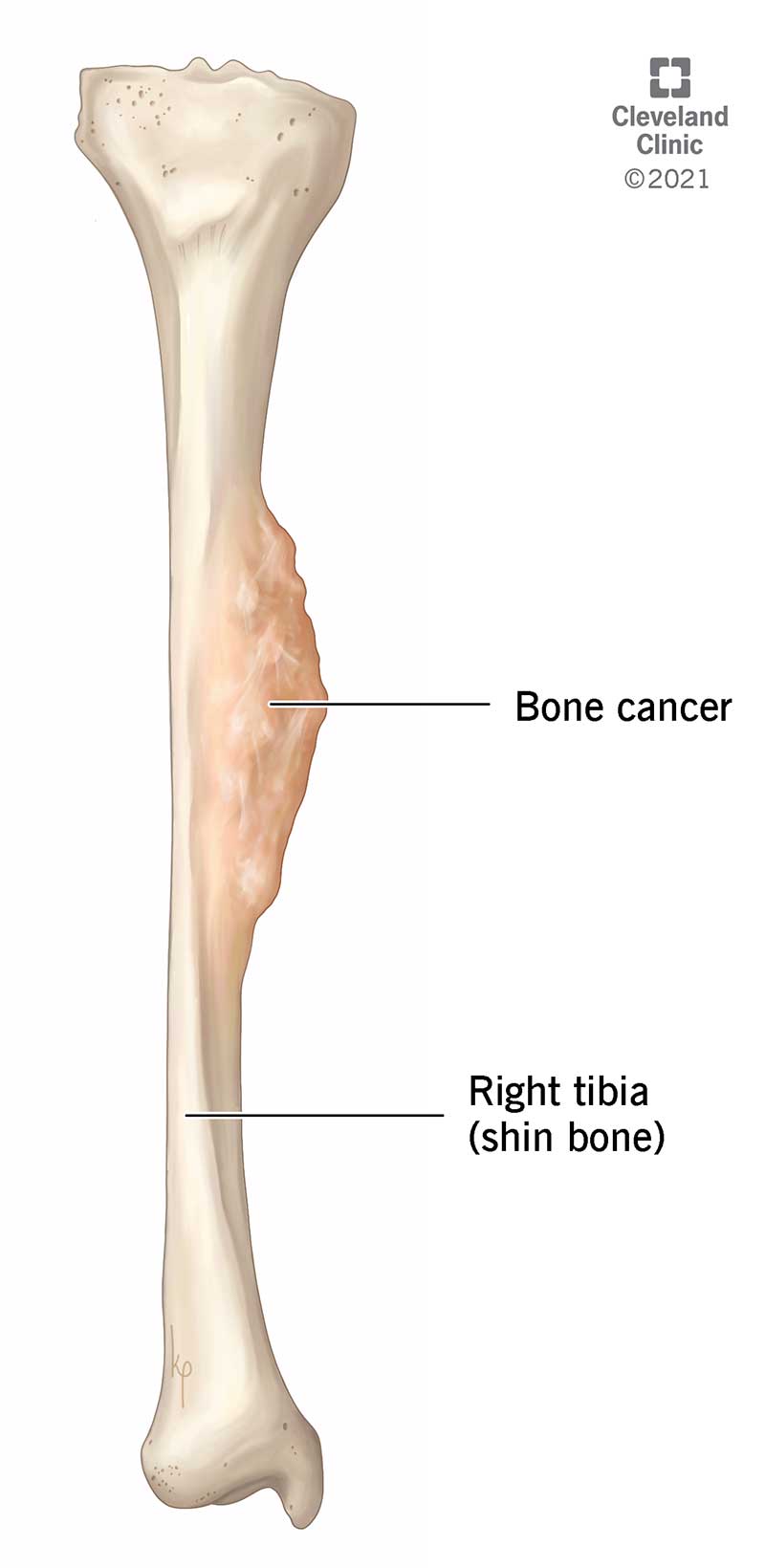
Physical Symptoms of Bone Cancer
Pain and discomfort
One of the most common physical symptoms experienced by individuals with bone cancer is pain and discomfort. The pain may vary in intensity and location, depending on the stage and location of the cancer. This pain can often be persistent and unrelenting, significantly impacting a person’s daily activities and overall quality of life. It is important for individuals experiencing pain to communicate openly with their healthcare team to find the most effective pain management strategies.
Swelling and inflammation
Swelling and inflammation in the affected area are also common physical symptoms of bone cancer. This swelling can lead to discomfort, limited mobility, and difficulties in performing routine tasks. It is crucial for individuals with bone cancer to monitor any swelling or inflammation and report it to their healthcare providers, as it may require additional treatment or management.
Fractures and bone weakness
Bone cancer can weaken the affected bones, making them more prone to fractures. This can cause severe pain and further limitations in mobility. Individuals with bone cancer should take extra precautions to avoid accidents or falls that could result in fractures. Physical therapy and rehabilitation may also be beneficial in improving bone strength and minimizing the risk of fractures.
Emotional and Psychological Impact of Bone Cancer
Fear and anxiety
Receiving a diagnosis of bone cancer can be overwhelming and often leads to fear and anxiety. Individuals may worry about the uncertainty of their future, the effectiveness of treatment options, and the potential for disease progression. It is important for patients to reach out to their healthcare team for support and to consider joining support groups or seeking professional counseling to help cope with these emotions.
Depression and sadness
Bone cancer can also contribute to feelings of depression and sadness. Dealing with a chronic illness can cause individuals to feel isolated and mourn the loss of their pre-cancer life. Depression can impact appetite, sleep patterns, and overall motivation. Seeking mental health support is crucial for individuals struggling with depression, as it can significantly improve their overall well-being.
Body image issues
Bone cancer and its treatment may result in visible physical changes, such as scars, amputations, or the use of assistive devices. These changes can affect a person’s body image and self-esteem. It is important for individuals to recognize that their worth and value extends beyond their physical appearance. Engaging in activities that promote positive body image, such as therapeutic art or joining support groups, can help individuals regain confidence and self-acceptance.

Social Impact of Bone Cancer
Isolation and loneliness
Bone cancer can lead to feelings of isolation and loneliness, as individuals may need to limit their social interactions due to their health condition. Additionally, physical limitations and fatigue may make it challenging to participate in social activities. Establishing a strong support system and staying connected with loved ones is essential to combatting feelings of isolation.
Impact on relationships
Bone cancer can put a strain on relationships with family, friends, and partners. Loved ones may struggle to understand the emotional and physical challenges faced by the individual with bone cancer, leading to feelings of frustration or resentment. Open communication, empathy, and seeking couples or family therapy can help strengthen relationships and foster understanding.
Financial burden
The financial burden of bone cancer can be significant. The costs associated with treatments, medications, and necessary medical equipment can quickly add up. Additionally, individuals may experience a decrease in income due to time off work or reduced ability to work. Exploring financial assistance programs and speaking with a medical social worker can help alleviate some of the financial stress associated with bone cancer treatments.
Effects on Daily Activities
Mobility and range of motion limitations
Bone cancer can often limit mobility and range of motion. The pain and physical limitations associated with the disease may impact an individual’s ability to walk, climb stairs, or engage in physical activities. Utilizing assistive devices such as crutches, walkers, or wheelchairs can help maintain mobility and independence.
Difficulty in performing routine tasks
The physical symptoms of bone cancer, such as pain or limited mobility, can cause difficulties in performing routine tasks. Simple actions, such as cooking, cleaning, or personal care, may become challenging. It is important for individuals to consider occupational therapy or assistive devices to adapt and make daily tasks more manageable.
Fatigue and low energy levels
Cancer-related fatigue is a common symptom experienced by individuals with bone cancer. The fatigue can be overwhelming and debilitating, making it difficult to engage in daily activities and maintain energy levels. Proper rest, pacing activities, and incorporating regular exercise can help manage fatigue and improve overall energy levels.

Challenges in Work and Education
Decreased productivity and work performance
Bone cancer may lead to a decrease in productivity and work performance. The physical symptoms and side effects of treatment can make it challenging for individuals to meet the demands of their job. Open communication with employers, exploring workplace accommodations, or considering a reduced work schedule can help individuals continue working while managing their health.
Difficulties in attending school or college
For students with bone cancer, attending school or college can be challenging due to pain, fatigue, or the need for ongoing medical appointments. Flexible learning options, such as online courses or part-time attendance, can provide students with the opportunity to continue their education while managing their treatment.
Requirements for medical leave or accommodation
Individuals with bone cancer may require medical leave or accommodations to manage their treatment and recovery. Understanding workplace or educational policies regarding medical leave and seeking guidance from an HR representative or school administration can help ensure appropriate accommodations are in place.
Impact on Mental Health
Stress management and coping strategies
Bone cancer can cause significant stress and anxiety. Developing effective stress management techniques and coping strategies is essential for maintaining mental well-being. These strategies may include practicing mindfulness, engaging in relaxation exercises, or participating in activities that promote emotional well-being, such as hobbies or support groups.
Psychological counseling and therapies
Psychological counseling and therapies, such as cognitive-behavioral therapy, can provide individuals with the necessary tools and support to manage the emotional impact of bone cancer. These therapies can help individuals develop coping mechanisms, improve their problem-solving skills, and enhance overall psychological well-being.
Impact on overall quality of life
Bone cancer and its associated physical and emotional symptoms can greatly impact an individual’s overall quality of life. The disease may affect multiple aspects of their life, including relationships, work or education, and personal fulfillment. Seeking support from healthcare professionals, joining support groups, and engaging in self-care activities can help improve overall quality of life.

Importance of Support Systems
Role of family and friends
Family and friends play a crucial role in supporting individuals with bone cancer. Their emotional and practical support can provide comfort and encouragement during challenging times. Having loved ones actively involved in the treatment journey can positively impact a person’s outlook and overall well-being.
Support groups and networks
Participating in support groups specific to bone cancer can be immensely helpful for individuals. These groups provide a safe space for sharing experiences, gaining insights from others facing similar challenges, and receiving emotional support. Online forums and social media groups can also serve as valuable resources.
Accessing professional help
In addition to the support of family and friends, accessing professional help is essential for individuals with bone cancer. Medical social workers, psychologists, and counselors can provide guidance, resources, and emotional support tailored to their specific needs. Seeking professional help can facilitate the development of effective coping strategies and improve overall well-being.
Managing Pain and Discomfort
Pain medication and therapies
Managing pain and discomfort is a critical aspect of bone cancer treatment. Physicians may prescribe pain medication, such as opioids or nonsteroidal anti-inflammatory drugs (NSAIDs), to help alleviate pain. In addition to medication, complementary therapies, such as acupuncture, massage, or physical therapy, may be recommended to address pain and improve overall comfort.
Alternative pain management techniques
In conjunction with traditional pain medication, individuals may explore alternative pain management techniques to help alleviate symptoms. Some people find relief through practices such as meditation, relaxation exercises, or guided imagery. It is important to consult with a healthcare professional before incorporating any alternative therapies to ensure their safety and efficacy.
Strategies for improving comfort
To improve comfort levels, individuals with bone cancer can make adjustments to their living environment. Investing in supportive bedding, using cushions or pillows for added comfort, and wearing loose-fitting clothing can help alleviate discomfort. Collaborating with occupational therapists can also provide specific recommendations tailored to an individual’s needs.

Adapting to Physical Changes
Assistive devices and mobility aids
Adapting to physical changes resulting from bone cancer often involves the use of assistive devices and mobility aids. These aids can include crutches, walkers, wheelchairs, or prosthetic devices. Working with healthcare professionals to assess mobility needs and provide appropriate equipment is crucial in helping individuals regain independence and maintain an active lifestyle.
Physical therapy and rehabilitation
Physical therapy and rehabilitation programs can aid in improving strength, flexibility, and overall physical function. These programs are tailored to an individual’s specific needs and may include exercises, stretches, and techniques to enhance balance and coordination. Regular engagement in physical therapy sessions can support patients in adapting to physical changes and improving their overall quality of life.
Adjusting to physical limitations
Bone cancer and its treatments may result in permanent changes or limitations. Adjusting to these physical changes involves accepting the new reality and finding ways to adapt and engage in meaningful activities. This may include exploring new hobbies, seeking out adaptive sports or recreational activities, or modifying existing activities to accommodate physical limitations.
Self-Care and Wellbeing
Maintaining healthy habits and lifestyle
Maintaining healthy habits and lifestyle choices is crucial for individuals with bone cancer. This includes adhering to a balanced diet, engaging in regular exercise when possible, getting sufficient sleep, and managing stress levels. Prioritizing self-care can contribute to overall well-being and provide individuals with the necessary strength to cope with the challenges of bone cancer.
Emotional self-care practices
Engaging in emotional self-care practices can help individuals cope with the emotional impact of bone cancer. This may involve journaling, practicing gratitude, engaging in relaxation techniques, or seeking professional counseling. Identifying activities that promote emotional well-being and incorporating them into daily routines can be beneficial for mental health.
Taking breaks and prioritizing rest
Fatigue is a common symptom of bone cancer that can significantly impact daily life. It is important for individuals to listen to their bodies and prioritize rest. Taking breaks throughout the day, scheduling regular rest periods, and practicing good sleep hygiene can help alleviate fatigue and improve overall well-being.
In conclusion, bone cancer presents numerous challenges for individuals in their daily lives. The physical symptoms, emotional and psychological impact, and social repercussions can be overwhelming. However, with the support of healthcare professionals, loved ones, and well-implemented coping strategies, individuals with bone cancer can effectively manage pain and discomfort, adapt to physical changes, prioritize self-care and well-being, and ultimately improve their overall quality of life.