
The Impact Of Dementia On Relationships And How To Cope
Dementia, a term often used to describe a range of symptoms associated with a decline in memory and cognitive function, has a profound impact on relationships. If you’re navigating this challenging landscape, you may feel a mixture of helplessness, sorrow, and even frustration as the dynamics of your interactions shift dramatically. Understanding how dementia affects not only the individual but their loved ones is crucial for maintaining the connections that matter. Let’s explore the emotional, physical, and social effects of dementia on relationships and, even more importantly, how you can cope with these changes.
Understanding Dementia and Its Effects on Relationships
Dementia isn’t just a medical condition; it’s an emotional journey that affects everyone involved. When someone you love is diagnosed, you may find your once normal conversations transforming into confusing exchanges where understanding and connection seem elusive. You might start to notice memory lapses, difficulty finding words, or even changes in personality. These shifts can drive a wedge between you and your loved one. You could be left feeling isolated, as if you’re living in two separate worlds—one where you hold all the memories and joys of your shared past, and another where your loved one drifts into the fog of forgetfulness.
As the disease progresses, it may become difficult to maintain the same type of relationship you once had. Familiar routines may change, and the emotional bond can feel strained. You might find comfort in recounting fond memories, yet your loved one may not recall those very moments. It’s important to acknowledge how these changes can lead to feelings of grief and loss. Knowing that your loved one is physically present but emotionally distant can make you feel as if you’re in a relentless cycle of heartbreak.
The Emotional Toll of Dementia on Caregivers
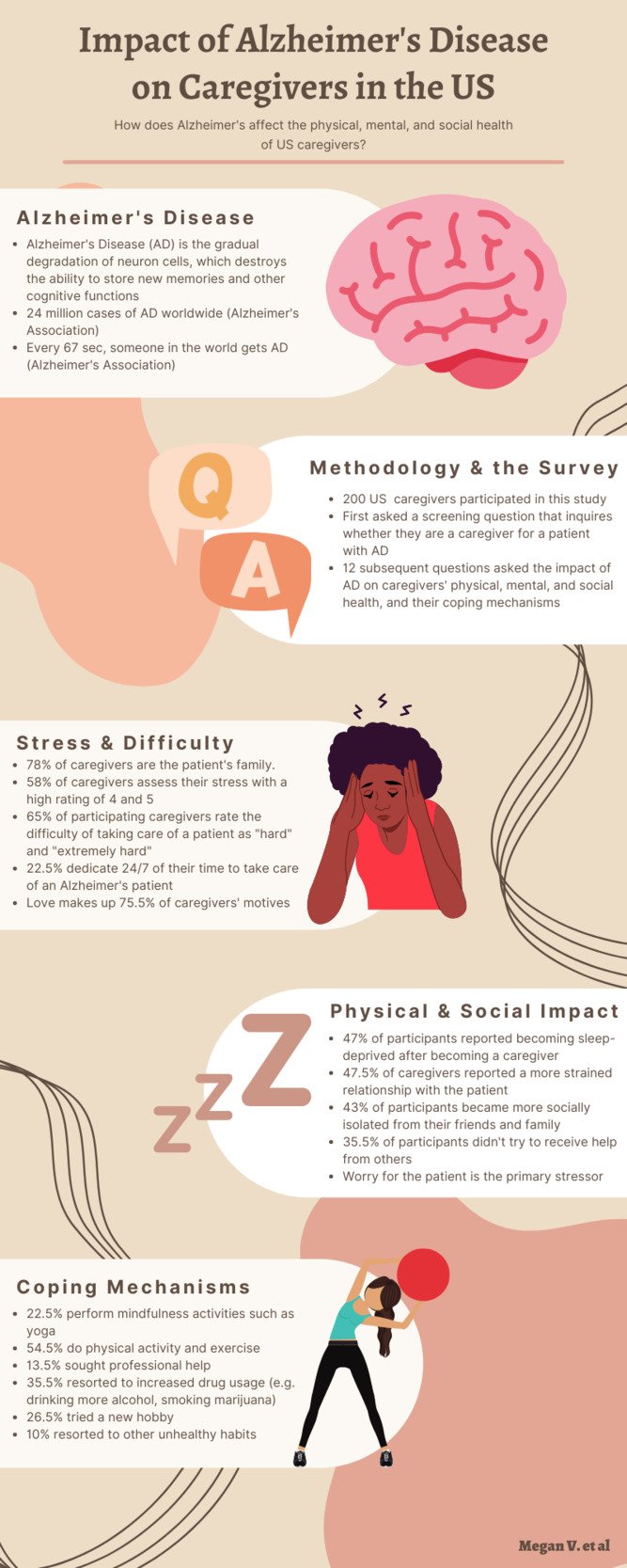
For caregivers, the emotional toll of supporting someone with dementia can be overwhelming. You may experience moments of sadness, frustration, or even guilt. It’s normal to feel a sense of loss for the vibrant person your loved one was. As their caregiver, you might also take on the role of communicator, advocate, and, at times, an interpreter. The burden can feel heavy, especially on days when your loved one is particularly agitated or confused. The emotional strain can lead to caregiver burnout, which in turn affects the relationship negatively.
Taking care of yourself is just as important as taking care of your loved one. It can be easy to focus solely on their needs and neglect your own. It’s okay to admit that you feel overwhelmed and that the journey is challenging. By acknowledging your own emotional landscape, you start a path toward finding balance. Leaning on support systems, whether it’s friends, family, or support groups, can help ease this emotional burden. These connections can remind you that you’re not alone in this endeavor.

Communication Challenges Faced in Dementia Relationships
Communication is often the first casualty of dementia. You might notice your loved one struggling to find the right words or forgetting what they were talking about mid-sentence. This can create frustration on both sides. You may feel the need to fill in the gaps or repeat information, but these actions can inadvertently make your loved one feel inadequate or ashamed. Understanding the nature of dementia is crucial; it’s not just about memory loss, but rather how the brain processes and conveys information.
Adapting your communication style can significantly improve interactions. Speak clearly and slowly, and use short, simple sentences. Maintaining eye contact and being patient can foster understanding. Non-verbal cues, like smiles and gestures, can also encourage connection, especially during times when words escape your loved one. When you focus on creating a calm and supportive environment, conversations can become easier and more meaningful.
Social Isolation and Its Consequences
Dementia can lead to social isolation for both the individual diagnosed and their loved ones. Friends and family might unintentionally withdraw due to misunderstandings about the disease or because of the emotional toll it takes on them. You might find that outings you once enjoyed become less frequent due to your loved one’s difficulty navigating new environments or the stigma that sometimes surrounds dementia.
This isolation can be detrimental to your well-being and your relationship with your loved one. Engaging in social activities is not only important for interaction but serves as a reminder of shared experiences that enrich relationships. Seek out community support groups, local workshops, or events designed for individuals with dementia and their families. These spaces can provide comfort, understanding, and companionship while battling the loneliness that dementia often brings.

Strategies for Maintaining Relationships
While dementia can transform the landscape of your relationship, there are strategies to help maintain the bond you cherish. One effective approach is embracing reminiscence therapy, a practice that involves recalling and discussing past experiences. By digging into cherished memories, you can spark joy and connection for both you and your loved one. Create memory books or scrapbooks that showcase photos, stories, and anecdotes that are significant to your shared history.
Moreover, incorporating sensory stimulation activities can play a large role in nurturing the relationship. Music, for instance, has a unique ability to connect individuals regardless of cognitive decline. You might discover that singing favorite songs together or listening to music recalls happy memories, strengthening your bond.
Don’t forget about the little things that foster closeness—the laughter over a shared joke, the warmth of holding hands, or simply sitting together in silence. These small gestures of love become more essential than ever as you navigate the complexities of dementia.
Seeking Professional Help
When you’re faced with the challenges posed by dementia, there is no shame in seeking professional help. Mental health professionals specializing in dementia care can offer insights and coping mechanisms tailored to your unique situation. Family therapy can also be beneficial, enabling everyone involved to voice their feelings and concerns. This can provide a safe space to discuss the stressors associated with caregiving and find newly fortified strategies for coping.
Healthcare providers can also assist in guiding the type of care your loved one might need as dementia progresses. They can recommend resources, support groups, and professional assistance. This collaboration can be impactful, not only for your loved one but also to ensure that you receive the support you need.

Staying Informed About Dementia
Knowledge is a powerful tool when it comes to navigating the world of dementia. When you educate yourself about the disease, you empower yourself to face its challenges head-on. Understanding the various stages of dementia, the symptoms, and the available treatment options can alleviate feelings of helplessness. You can engage with literature, attend seminars, or explore reputable online resources dedicated to dementia education.
Furthermore, staying informed about the ongoing research and developments related to dementia can be enlightening. More often than not, medical advancements can provide insights into improved care techniques or even potential treatments. This knowledge can also inspire hope, reminding you that science is continually evolving in the fight against cognitive decline.
Building a Support Network
As you navigate the emotional rollercoaster of dementia, building a robust support network is invaluable. Friends, family, and community resources can provide a safety net you can lean on during difficult days. Don’t hesitate to share your feelings with those you trust; expressing your fears and frustrations can lighten your emotional load.
Consider joining a local or online support group specifically for caregivers of individuals with dementia. These groups can offer a sense of camaraderie, where you can share stories, coping strategies, and emotional support. Engaging with others who genuinely understand your experience can foster a sense of belonging that counters the isolation dementia often brings.

Self-Care for Caregivers
Amid the chaos and unpredictability of caring for someone with dementia, the practice of self-care must remain a priority. You may find yourself pouring every ounce of energy into caregiving, but neglecting your own needs can be counterproductive. Consider scheduling regular “me time,” whether it’s through hobbies you enjoy, exercise, or simply relaxing with a book. These moments can replenish your spirit and provide the strength you need to be a compassionate caregiver.
Don’t hesitate to ask for assistance when needed. Sometimes, a friend or family member may be more than willing to help, even for a brief period. This not only gives you a much-needed break; it also fosters community support for both you and your loved one. Remember that taking care of yourself is not an act of selfishness, but rather a vital aspect of being an effective caregiver.
Finding Humor in Difficult Times
While dementia brings many challenges, finding humor in moments can be a healthy coping mechanism that alleviates stress. You might find that some situations become ridiculous or absurd, and sharing a laugh over them can help bond you and your loved one. Laughter can be a subtle reminder of better days and can serve as a healing balm during turbulent moments.
In these times, a light-hearted joke or a playful interaction can create an atmosphere that is refreshingly joyous. Embrace these moments and cherish the chance to find levity amid the heaviness of the situation. It can transform frustration into fond memories that you’ll hold dear.
The Importance of Patience and Understanding
Dementia is a journey marked by highs and lows, moments of clarity mixed with confusion. Practicing patience is crucial during this time. Your loved one may exhibit behaviors that challenge your understanding; they might forget recent conversations or flutter unexpectedly from clarity to confusion. Accepting this as part of the reality of dementia can help you react with empathy rather than frustration.
Every individual with dementia navigates their journey differently, and adapting to these changes in your loved one requires flexibility on your part. Understanding that they are not purposely exhibiting challenging behaviors can help you cultivate compassion. This mindset can forge a stronger bond, encouraging you to approach each interaction with love and openness.
Preparing for Future Changes
As dementia progresses, there will be many changes along the way. While it might feel tempting to avoid thinking about the future, planning ahead is an essential step that can alleviate future stress. Discuss end-of-life wishes, healthcare decisions, and legal matters as early as possible. Having these conversations when both you and your loved one are still able to communicate effectively can be incredibly beneficial.
By planning, you can ensure that their needs are met as the disease progresses. This proactive approach also helps in preserving the dignity and autonomy of your loved one, which is a crucial aspect of maintaining their identity throughout the entirety of dementia care.
Celebrating Small Victories
As you navigate this complicated journey, remember to celebrate small victories. Whether your loved one remembers your name for the day, engages in a joyful moment, or simply shares a smile, these moments are significant. Focusing on the positive aspects can help shift your mindset from what is lost to what remains. Embracing these small triumphs helps to nourish your bond and remind you both that love still thrives amidst the challenges.
Reflecting on these victories can serve as a source of inspiration and resilience. Acknowledging and commemorating these moments can create a sense of hope that guides you through the tougher days ahead.
Conclusion: Your Journey Together
Navigating a diagnosis of dementia with a loved one is undoubtedly challenging, yet amidst the complexity, it’s essential to remember that your journey together continues. You are creating a new chapter based on love, patience, and understanding. While the path may be fraught with difficulties, it’s also filled with opportunities for meaningful connections and moments of joy.
By implementing strategies to better understand and communicate, seeking support, and engaging in self-care, you can foster a relationship that transcends the limitations posed by dementia. It’s in this understanding and compassion that you can also discover the profound depth of love that exists between you and your loved one, illuminating the way forward.
For every hurdle, there can be moments of laughter, beauty, and connection. Embrace the journey, cherish the memories, and be gentle with yourself as you adapt to the changing tides of your relationship.
If you found the insights provided in this article helpful, please clap for it, leave a comment sharing your thoughts, and consider subscribing to my Medium newsletter for updates on future articles. Your engagement means the world!