Did you know that something as seemingly harmless as earwax can actually have a significant impact on your hearing? It’s true! Earwax build-up, also known as cerumen impaction, can cause a variety of symptoms and complications, ranging from mild discomfort to complete hearing loss. In this article, we will explore the causes, signs, and potential solutions for earwax build-up, shedding light on a topic often overlooked but essential for maintaining optimal hearing health. So, grab a cup of tea, sit back, and let’s embark on a journey to uncover the mysteries of earwax build-up and its impact on your hearing.
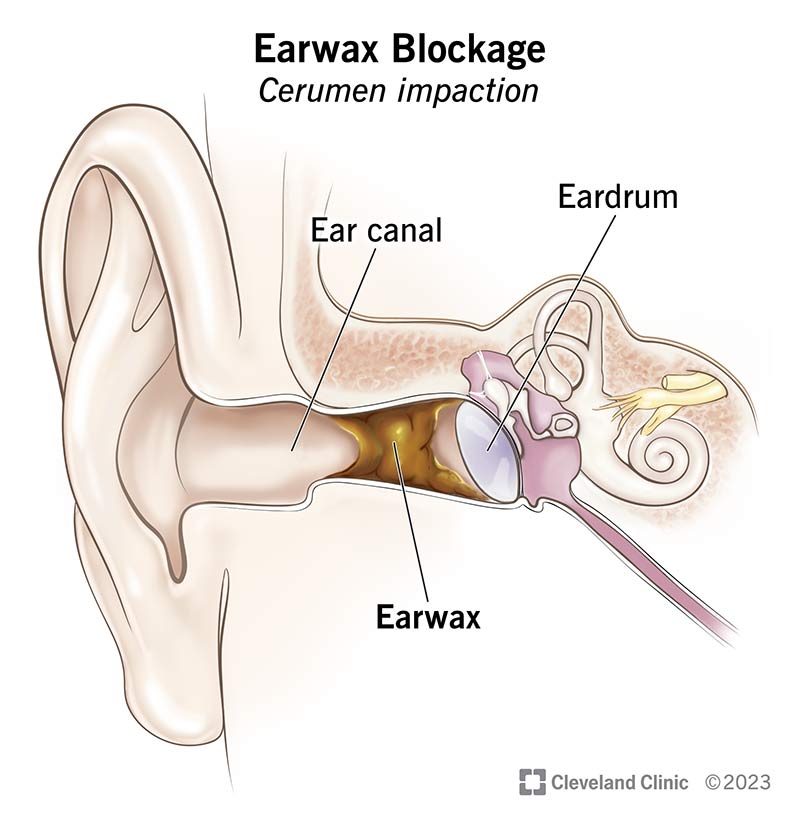
Understanding Earwax Build-up
What is earwax?
Earwax, also known as cerumen, is a waxy substance produced by the glands in our ear canal. It serves a vital purpose in protecting our ears by trapping dust, dirt, and other foreign particles, preventing them from reaching the eardrum. Earwax also contains antimicrobial properties that help fend off bacterial and fungal infections.
What causes earwax build-up?
Earwax build-up, or cerumen impaction, occurs when there is an excessive accumulation of earwax in the ear canal. Several factors can contribute to this condition, including the overproduction of earwax, narrow ear canals, improper cleaning techniques, and the use of hearing aids or earplugs. Additionally, individuals who frequently insert objects such as cotton swabs into their ears are more prone to experiencing earwax build-up.
Symptoms of earwax build-up
Earwax accumulation can lead to various symptoms, which may include earache, a feeling of fullness in the ear, partial hearing loss or muffled sounds, ringing in the ears (tinnitus), dizziness, and even coughing. If you experience any of these symptoms, it is important to address the issue promptly to prevent potential complications.
Consequences of Earwax Build-up
Effects on hearing
One of the primary consequences of earwax build-up is impaired hearing. When excess earwax blocks the ear canal, sound waves struggle to pass through, resulting in decreased hearing sensitivity. This can make it challenging to follow conversations, enjoy music, or even hear important sounds like doorbells or alarms. If left untreated, prolonged blockage can potentially damage the delicate structures within the ear and lead to permanent hearing loss.
Risk of ear infections
Earwax build-up creates an ideal breeding ground for bacteria and fungi, increasing the risk of ear infections. The trapped moisture and warmth provide a nurturing environment for these microorganisms to thrive, leading to conditions such as otitis externa (outer ear infection) or otitis media (middle ear infection). These infections can cause pain, inflammation, hearing loss, and in severe cases, even complications that affect other parts of the body.
Tinnitus and vertigo
Another consequence of earwax build-up is the occurrence of tinnitus, a condition characterized by the perception of ringing, buzzing, or other phantom sounds in the ears. This can be a disturbing and distressing experience for individuals, leading to difficulty concentrating, sleeping, and even causing anxiety or depression. Additionally, earwax accumulation can affect the balance organs within the ear, causing a sensation of dizziness or vertigo.

Common Myths about Earwax Build-up
Myth: Cotton swabs are the best way to clean your ears
Contrary to popular belief, using cotton swabs to clean your ears can do more harm than good. Instead of removing earwax, cotton swabs often push the wax deeper into the ear canal, exacerbating the problem. Additionally, they can cause injury to the delicate structures of the ear, increasing the risk of infection or damage to the eardrum. It is important to avoid inserting anything into your ears and allow the self-cleaning mechanism of the ears to work naturally.
Myth: Ear candles are effective in removing earwax
Ear candles, often touted as a natural method to remove earwax, have gained popularity in recent years. However, research and medical experts caution against their use, as they have been found to have no proven effectiveness and can cause serious injuries. The American Academy of Otolaryngology-Head and Neck Surgery Foundation strongly advises against using ear candles, as they can lead to burns, obstruction of the ear canal, or even damage to the eardrum.
Prevention and Maintenance
The importance of regular ear hygiene
Maintaining proper ear hygiene is crucial in preventing earwax build-up. Gentle cleaning of the outer ear with a damp cloth can help remove any visible debris. However, it is essential to never insert anything into the ear canal, as this can disrupt the natural movement of earwax and increase the risk of impaction.
Proper cleaning techniques
If you feel the need to clean your ears, it is advisable to use over-the-counter ear drops specifically designed to soften earwax. These drops can be applied as instructed, and then wiped away gently with a clean cloth. It is important to follow the product’s directions carefully and avoid using excessive force or sharp objects to remove the earwax.
Earwax removal products
In some cases, the build-up of earwax may require professional intervention. Earwax removal kits, containing tools such as irrigation syringes or earwax removal drops, can be obtained from healthcare professionals. These kits are designed to safely and effectively remove excessive or impacted earwax. However, it is crucial to consult a healthcare provider before attempting any form of earwax removal at home.

When to Seek Medical Help
When home remedies are not effective
If home remedies, such as ear drops or gentle cleaning, do not alleviate the symptoms of earwax build-up, it is advisable to seek medical help. A healthcare professional will be able to assess your condition and determine the most appropriate course of action. They may recommend further treatments or perform earwax removal procedures to relieve the discomfort and restore your hearing.
Signs of impacted earwax
Impacted earwax occurs when the earwax becomes tightly packed within the ear canal, causing significant blockage and discomfort. Common signs of impacted earwax include severe ear pain, sudden hearing loss, persistent tinnitus, prolonged dizziness, and a foul odor emanating from the ear. If you experience any of these symptoms, it is important to seek immediate medical attention.
Professional ear cleaning
In cases where earwax build-up is severe or causing significant symptoms, a medical professional may perform ear irrigation or microsuction to remove the excess wax. Ear irrigation involves the use of water or a saline solution to flush out the earwax, while microsuction utilizes a gentle suction technique to remove the wax safely. These procedures should only be performed by trained healthcare providers to minimize the risk of complications.
Medical Treatments for Earwax Build-up
Earwax softening agents
For individuals with persistent or impacted earwax, earwax softening agents may be recommended. These agents help to soften and break down the wax, making it easier to remove. They are usually applied for several days before a professional procedure or self-irrigation at home. It is important to consult a healthcare professional before using these agents to ensure their appropriate use and minimize the risk of complications.
Ear irrigation
Ear irrigation, also known as ear syringing, is a common method used by healthcare professionals to remove excess earwax. This procedure involves the gentle flushing of warm water or a saline solution into the ear canal to dislodge and flush out the wax. It is important to note that ear irrigation should only be performed by trained professionals, as improper technique can lead to further complications or damage.
Microsuction
Microsuction is a safe and effective method used to remove earwax using a small suction device. This procedure is especially beneficial for individuals with sensitive ear canals or those with a history of eardrum perforation. It allows for precise and controlled removal of the wax, minimizing the risk of injury or discomfort. Microsuction should always be performed by trained medical professionals.

Complications and Long-term Effects
Hearing loss
Untreated or recurrent earwax build-up can lead to temporary or even permanent hearing loss. When excessive earwax obstructs the ear canal, sound waves struggle to reach the eardrum, resulting in reduced hearing sensitivity. Prolonged blockage can also cause damage to the delicate structures within the ear, potentially leading to irreversible hearing loss.
Middle ear infections
Earwax build-up can increase the risk of middle ear infections, known as otitis media. The trapped moisture and bacteria promote the growth of infection, leading to pain, inflammation, and further complications. If left untreated, middle ear infections can cause damage to the eardrum and other structures within the ear, requiring medical intervention and possibly surgical treatment.
Permanent damage to the ear canal
Chronic or severe earwax build-up may lead to permanent damage to the ear canal. The excessive pressure caused by impacted earwax can cause the ear canal to stretch or become irritated, potentially resulting in the development of cysts, infection, or even fistulas. These complications require specialized medical treatment and may have long-term effects on the individual’s hearing and overall ear health.
Special Considerations for Certain Individuals
Children and earwax build-up
Children are not immune to earwax build-up, and it is important for parents to be aware of the signs and symptoms. Children may not always express their discomfort or hearing difficulties, so it is essential for parents to observe any changes in behavior, complaints of pain, or difficulty hearing. If earwax build-up is suspected, it is advisable to consult a pediatrician or an ear, nose, and throat specialist for proper diagnosis and treatment.
Elderly individuals and ear care
As we age, the natural self-cleaning mechanisms of the ears can become less efficient, making the elderly more susceptible to earwax build-up. Additionally, certain medical conditions and the use of medications may contribute to the overproduction of earwax. Regular check-ups with a healthcare professional who can assess and manage earwax build-up are important for maintaining optimal ear health in older adults.
Hearing aid users
Individuals who use hearing aids are more prone to experiencing earwax build-up due to the obstruction caused by the device. The hearing aid can prevent the natural expulsion of earwax and promote its accumulation. Regular cleaning and maintenance of both the hearing aid and the ears are essential to ensure optimal performance and prevent complications such as feedback, discomfort, or infection.

Conclusion
Understanding earwax build-up is crucial for maintaining optimal ear health. By debunking common myths, knowing the consequences, and adopting proper prevention and maintenance techniques, individuals can minimize the risk of earwax build-up and associated complications. Regular check-ups with healthcare professionals and seeking medical help when necessary are key to addressing any concerns and ensuring the well-being of your ears. Remember, your ears play a vital role in your daily life, and it is important to prioritize their care to enjoy the sounds of the world around you.