
The Importance of Hydration in Dementia Care
Caring for someone with dementia is a journey filled with challenges, hope, and moments of connection. One of the most vital, yet often overlooked, aspects of this care is hydration. You might wonder why something as simple as drinking water can hold such significance in the complex world of dementia. This article will explore the importance of hydration in dementia care, offering insights, practical tips, and a deeper understanding of how keeping your loved one hydrated can enhance their quality of life.

Understanding Dementia and Its Challenges
Before delving into hydration, it’s crucial to understand dementia itself. Dementia isn’t a singular disease but rather an umbrella term that encompasses several cognitive impairments, affecting memory, thinking, and social abilities. Conditions like Alzheimer’s disease fall under this category. As a caregiver, you might witness your loved one struggle with everyday tasks that were once second nature.
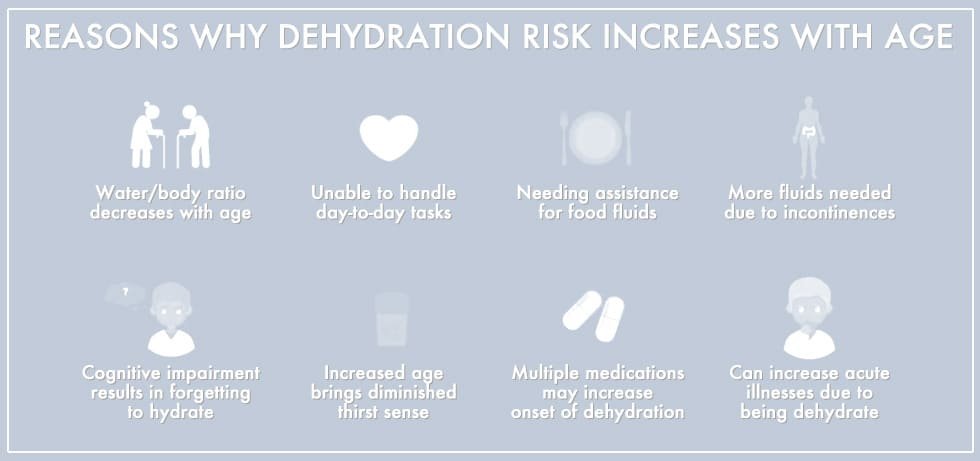
The challenges of managing dementia can be overwhelming. Your loved one may experience confusion regarding daily routines, forgetting even the simplest things—like when they last drank water. This forgetfulness makes it all the more important for you, their caregiver, to be vigilant about their hydration needs.
The Role of Hydration in Overall Health
Hydration plays a fundamental role in maintaining good health, regardless of age or cognitive function. Our bodies comprise roughly 60% water, and every cell relies on adequate hydration to function optimally. For individuals with dementia, staying hydrated is essential. Dehydration can exacerbate cognitive decline, leading to worsened confusion, fatigue, and even increased aggression or agitation.
Also, staying hydrated aids in maintaining physical health. It helps regulate body temperature, supports digestion, and helps in getting rid of waste. When you take the time to ensure your loved one drinks enough fluids, you are directly contributing to their overall well-being.

Identifying Signs of Dehydration
As a caregiver, you need to be aware of the signs of dehydration to prevent it from becoming a serious issue. Some common symptoms include dry mouth, fatigue, dizziness, and confusion. If your loved one becomes increasingly agitated or appears withdrawn, it may be a sign that they are not getting enough fluids.
It’s also worth noting that some individuals with dementia may not recognize their thirst, making it essential for you to proactively offer them fluids throughout the day. Understanding these signs can empower you to respond quickly when hydration levels dip.
The Connection Between Dehydration and Cognitive Function
Research has shown a clear connection between hydration levels and cognitive function. Dehydration can lead to increased cognitive impairment and may mimic the symptoms of dementia. This can create a confusing situation for both you and your loved one. For example, if they become disoriented or unable to speak clearly, it might be due to dehydration rather than a decline in their dementia.
By keeping your loved one hydrated, you can help mitigate these confusing episodes. Offering fluids regularly can alleviate some of their confusion, enhancing their engagement and participation in daily activities. This small act can significantly impact their mood, behavior, and cognitive clarity.

Tips for Encouraging Hydration
Now that you understand the importance of hydration, let’s explore some practical tips to ensure your loved one stays properly hydrated:
Create a Hydration Schedule
Set up a daily routine where you offer fluids regularly. Perhaps you can incorporate drink breaks after certain activities, like mealtime or a walk. Your loved one may thrive on routine, and the predictability of a hydration schedule can make it easier for them to remain hydrated.
Make Drinking Fun
Sometimes, your loved one may be reluctant to drink, simply out of boredom. Try making hydration more enjoyable. You could serve flavored water, or herbal teas, or even include some fresh fruits. You might even consider using colorful cups or straws—small changes can make the act of drinking more engaging!
Monitor Fluid Intake
Keep track of how much liquid your loved one is consuming on a daily basis. You can maintain a journal or log, noting the different types of fluids they’ve had. This will help you visualize their intake and motivate both of you to ensure they stay hydrated.
Offer Variety
Sometimes, drinking plain water can feel monotonous. Offering a variety of beverages can keep things interesting. Consider introducing broths, smoothies, or soups. These not only provide hydration but also the added benefit of nutrients that can support their overall health.
Adapting Your Approach Depending on Their Condition
It’s essential to recognize that each individual with dementia will experience different challenges. As their condition progresses, they may experience changes in their ability to swallow or cooperate with hydration efforts. With these adaptations in mind, here are a few more strategies you might find useful:
Use Thickened Liquids When Necessary
If your loved one has difficulty swallowing, you may need to offer thickened liquids. Consult with their healthcare provider for recommendations on how to adjust the consistency of their drinks. Ensuring that they can enjoy a variety of flavors while still remaining safe is crucial.
Use Reminders and Visual Cues
If your loved one struggles with memory, visual cues can help. Consider placing water bottles around the house or creating reminders to drink. Whiteboards with simple prompts can serve as gentle nudges for them to hydrate as well.
Involve Them in the Process
Bringing your loved one into the process of hydration can help foster independence and engagement. Allow them to choose a beverage or fill their cup. This small act can empower them and increase their willingness to participate in staying hydrated.
Hydration and Nutritional Considerations
While hydrating your loved one is crucial, it’s just as important to focus on the nutritional value of the fluids they are consuming. Drinking adequate water is essential, but you can also enhance their hydration through nutritious food. Here’s how:
Incorporate Hydrating Foods
Many fruits and vegetables have high water content, making them great for hydration. Watermelons, cucumbers, oranges, and strawberries not only provide fluids but also important vitamins and minerals. You could try including these hydrating foods in meals or snacks.
Watch for Medications
Some medications may increase the need for hydration or cause dry mouth. Be aware of any prescriptions your loved one takes, and address hydration accordingly. Regularly reviewing their medications with healthcare professionals can help in understanding how to manage their hydration needs more effectively.
Stay Mindful of the Weather
Hot weather can lead to rapid dehydration, especially for those with diminished awareness of their body’s signals. Keep your loved one’s hydration in check during summer. You might want to have a fan or air conditioning on, coupled with offering fluids more frequently. Pay attention to their environment, and adapt accordingly.
The Benefits of Hydration in Dementia Care
When you prioritize hydration in your loved one’s care, you’re not just preventing dehydration—you’re making strides toward enhancing their quality of life. The benefits of staying hydrated go beyond simple thirst quenchers:
Improved Mood and Behavior
Proper hydration can lead to improved mood and behavior. As you keep your loved one more comfortable and balanced, you’ll likely notice a decrease in agitation or frustration. A well-hydrated individual is often more engaged and responsive, allowing for richer interactions.
Enhanced Cognitive Function
Research continues to support the link between cognitive function and hydration levels. By encouraging fluid intake, you can play an essential role in maintaining their cognitive abilities and slowing the progression of dementia symptoms. This benefit is not just for your loved one but can also be rewarding for you as a caregiver who witnesses these improvements.
Better Sleep Quality
Adequate hydration also contributes to better sleep patterns. Disturbed sleep can significantly impact behavior and cognitive function, and ensuring your loved one is hydrated during the day can help minimize nocturnal awakening due to thirst. When they sleep better, you’ll notice not only improved mood but better overall health and well-being.
Creating a Supportive Environment for Hydration
Fostering a supportive environment is essential for encouraging hydration in dementia care. As a caregiver, your approach can set the tone for your loved one’s comfort and willingness to stay hydrated.
Provide a Calm Atmosphere
Sharing fluid intake doesn’t need to feel rushed or forced. Create a calm environment during hydration times, allowing your loved one to enjoy the moment. This could mean sitting together for tea or enjoying a smoothie while reminiscing about happy memories.
Encourage Social Engagement
Hydration doesn’t have to be an isolated experience. Invite family members or friends to share in these moments. When they see others enjoying their beverages, it may inspire them to participate more.
Build a Routine
Routines lead to a sense of familiarity and security, which can be particularly comforting for individuals with dementia. Habits, such as always having a cup of water by their bedside or offering drinks at regular intervals, will instill comfort and reliability in daily hydration practices.
Engaging with Health Professionals
As you navigate the complexities of managing hydration for your loved one, don’t hesitate to engage with health professionals. They can provide tailored advice and support to ensure you are meeting your loved one’s hydration needs effectively.
Regular Check-ups
Taking your loved one for regular check-ups can help track their hydration levels and overall health. Health professionals can offer guidance specific to any underlying medical conditions that may affect their hydration status.
Consult a Nutritionist
A nutritionist can provide a comprehensive plan that includes hydration strategies alongside nutritional needs. They can offer insightful recommendations on fluid options, pleasant recipes, and additional hydration resources tailored to the interests of your loved one.
The Ripple Effects of Good Hydration
The journey of dementia care can feel overwhelming at times, but remember that each small step you take makes a significant impact. The simple act of ensuring your loved one stays hydrated can lead to a cascade of benefits that enrich their experience and enhances your caregiving journey.
Balancing Caregiver Well-Being
Effective dementia care does not only focus on the needs of your loved one. Don’t forget to care for your own well-being as well. Finding balance in your life will help you maintain the strength and compassion needed for this journey. When you prioritize your loved one’s hydration, you also create moments of care that are nurturing for both of you.
Celebrate Small Wins
Each time you notice a positive change in your loved one due to proper hydration—be it improved clarity, a brighter demeanor, or a shared laugh—celebrate these moments! Each small win builds upon another, reinforcing the importance of your roles in each other’s lives.
Conclusion
Caring for someone with dementia is a profound journey filled with challenges and rewards. By actively prioritizing hydration in their daily care, you enhance their quality of life and strengthen your bond. Hydration isn’t just about preventing physical issues; it’s a pivotal aspect that leads to better cognitive and emotional well-being.
As you progress through this experience, remember to stay observant and adaptable, engaging with your loved one in ways that uplift and encourage. Your efforts, though small, create significant ripples in their overall health and happiness.
If you found this article valuable, please give it a clap, leave a comment sharing your thoughts or experiences, and don’t forget to subscribe to my Medium newsletter for more insightful updates on caregiving and health topics. Together, we can foster a supportive community that uplifts everyone involved in dementia care.