
In the scorching heat of summer, it is essential to stay hydrated to avoid the dangers of heat stroke. Dehydration is a common condition that occurs when your body lacks the necessary amount of water to function properly. This article explores the alarming link between dehydration and heat stroke, shedding light on why staying hydrated is crucial to protect yourself from the heat’s relentless grip. Understanding this connection can help you take necessary precautions and keep yourself safe during the sweltering summer months.
Causes of Dehydration
Inadequate fluid intake
One of the primary causes of dehydration is inadequate fluid intake. When you don’t consume enough water or other fluids, your body doesn’t have enough liquid to function properly. This can occur for various reasons, such as forgetting to drink water throughout the day, not feeling thirsty, or not having access to clean drinking water.
Excessive sweating
Another common cause of dehydration is excessive sweating. When you engage in activities that make you sweat profusely, such as intense workouts, outdoor sports, or manual labor, your body loses water rapidly. If you don’t replenish the lost fluids by drinking enough water, you can quickly become dehydrated.
High temperature environment
Being in a high temperature environment can also contribute to dehydration. When it’s hot outside, your body uses more water to regulate your core temperature and cool you down through sweating. If you’re exposed to high temperatures for an extended period without replenishing fluids, dehydration becomes a significant risk.
Illnesses leading to vomiting or diarrhea
Certain illnesses, such as gastrointestinal infections or food poisoning, can cause vomiting or diarrhea. These symptoms lead to a significant loss of fluids, potentially leading to dehydration. When your body expels fluids faster than you can replace them, it’s essential to be aware of the risk and take steps to prevent dehydration.
Effects of Dehydration on the Body
Reduced blood volume
When your body is dehydrated, it experiences a reduction in blood volume. This means that there is less fluid available to circulate throughout your system, delivering oxygen and nutrients to your organs and tissues. Reduced blood volume can lead to decreased blood pressure and strain on your cardiovascular system.
Decreased sweat production
As water is essential for the body’s cooling mechanism, dehydration causes a decrease in sweat production. Sweating is vital for regulating body temperature, and when you’re dehydrated, your body tries to conserve water by reducing sweat production. This can make it even harder for your body to cool down, leading to an increased risk of heat-related illnesses.
Increased core body temperature
Dehydration can also result in an increased core body temperature. When there isn’t enough water in your body, your body’s ability to dissipate heat becomes compromised. As a result, your core temperature rises, making it harder for your body to function properly and increasing the risk of heat stroke.
Impaired cognitive function
Dehydration not only affects your physical well-being but also impairs cognitive function. Studies have shown that even mild dehydration can lead to difficulty concentrating, reduced alertness, and impaired memory. When your brain doesn’t receive enough water, it can impact your ability to think clearly and perform cognitive tasks effectively.

The Relationship Between Dehydration and Heat Stroke
Dehydration as a risk factor for heat stroke
Dehydration is a significant risk factor for heat stroke. During hot weather or intense physical activity, your body needs sufficient fluids to regulate its temperature through sweating. If you’re already dehydrated, your body’s ability to cool itself down is compromised, making you more susceptible to heat stroke.
How dehydration contributes to heat stroke
Dehydration contributes to heat stroke by impairing your body’s natural cooling mechanism. When you’re dehydrated, your body cannot produce enough sweat to evaporate and cool the skin’s surface effectively. This leads to an accumulation of heat in your body, resulting in a rapid increase in core temperature and potentially triggering heat stroke.
Symptoms common to both dehydration and heat stroke
Dehydration and heat stroke share several common symptoms. These include excessive thirst, dry mouth, fatigue, dizziness, and headaches. It’s crucial to recognize these signs and take immediate action to prevent heat stroke, especially if you’re already dehydrated.
Recognizing the Signs of Dehydration
Thirst and dry mouth
Feeling thirsty and having a dry mouth are early signs of dehydration. When your body lacks sufficient hydration, it sends signals to your brain, prompting you to drink more water. If you’re experiencing persistent thirst or notice a parched feeling in your mouth, it’s essential to hydrate yourself promptly.
Fatigue and dizziness
Dehydration can also cause fatigue and dizziness. When your body doesn’t have enough water, it affects your overall energy levels and can lead to feelings of weakness and exhaustion. Dizziness can occur due to reduced blood volume and inadequate oxygen and nutrient supply to the brain.
Dark yellow urine
The color of your urine is a significant indicator of hydration levels. When you’re adequately hydrated, your urine tends to be a pale yellow color. However, when you’re dehydrated, your urine becomes darker and more concentrated. Dark yellow urine is a clear sign that you need to drink more water to avoid further dehydration.
Headaches
Dehydration can often manifest as headaches. When you’re dehydrated, your brain tissue can temporarily shrink or contract due to the lack of sufficient fluid. This can lead to tension headaches or migraines. If you’re experiencing frequent headaches, it’s important to assess your hydration status and ensure you’re drinking enough water.
Preventing Dehydration
Drink adequate amounts of water
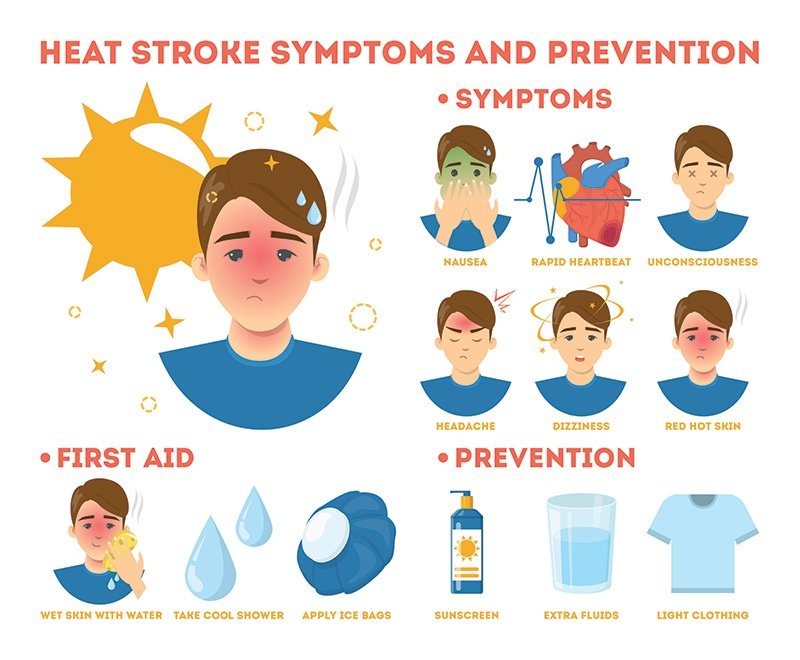
To prevent dehydration, it’s crucial to drink adequate amounts of water throughout the day. The general recommendation is to consume at least eight glasses of water daily, but individual needs may vary depending on factors such as activity levels, climate, and overall health. Make it a habit to carry a reusable water bottle with you and sip water regularly.
Limit alcohol and caffeine intake
Alcohol and caffeine are diuretics, which means they can increase fluid loss through frequent urination. While it’s fine to enjoy these beverages in moderation, it’s essential to balance them with additional water intake to prevent dehydration. Opt for water or other hydrating fluids alongside alcoholic or caffeinated beverages.
Stay in cool environments
When the temperature rises, it’s crucial to seek out cool environments to avoid excessive sweating and water loss. Spend time in air-conditioned spaces or areas with fans to keep your body temperature regulated. If you must be outdoors, try to find shade and take regular breaks in cooler areas to prevent overheating and dehydration.
Wear appropriate clothing for hot weather
Choosing the right clothing can also help prevent dehydration. Opt for loose-fitting, lightweight, and breathable fabrics that allow air circulation and promote sweat evaporation. Avoid tight-fitting or heavy clothing that can trap heat and increase your risk of dehydration and heat-related illnesses.
Treating Dehydration
Rehydration with water and electrolytes
The most effective way to treat dehydration is by rehydrating the body with water and electrolytes. Water helps replenish fluid lost through sweating and other means, while electrolytes like sodium and potassium are crucial for restoring the body’s fluid balance. Sports drinks or oral rehydration solutions can provide the necessary electrolytes to aid in rehydration.
Seeking medical attention if symptoms persist
While mild dehydration can typically be treated with adequate fluid intake, severe dehydration may require medical intervention. If you experience persistent symptoms such as extreme thirst, rapid heartbeat, confusion, or irritability, it’s important to seek medical attention. In severe cases, intravenous fluids may be necessary to rehydrate the body effectively.
Avoiding strenuous activities until fully rehydrated
To recover from dehydration, it’s advisable to avoid strenuous activities until you’re fully rehydrated. Allow your body time to restore its fluid balance and regain strength before engaging in intense workouts or physical labor. Gradually reintroduce activities while maintaining proper hydration to prevent a relapse.
Understanding Heat Stroke
Definition and causes of heat stroke
Heat stroke is a severe heat-related illness characterized by a dangerously high core body temperature, typically above 104 degrees Fahrenheit (40 degrees Celsius). It occurs when the body can no longer regulate its temperature through sweating due to prolonged exposure to high temperatures or strenuous physical activity.
Risk factors for heat stroke
Several factors can increase the risk of heat stroke. These include being in a hot environment for an extended period, engaging in intense physical activity, wearing excessive clothing that hampers sweat evaporation, and certain medical conditions such as cardiovascular disease or obesity. Additionally, older adults, infants, and individuals on certain medications may be more susceptible to heat stroke.
Hyperthermia versus heat stroke
While hyperthermia refers to an elevated body temperature, heat stroke specifically refers to a life-threatening condition resulting from excessive heat exposure. Hyperthermia can occur due to various causes, including heat stroke, but heat stroke is the most severe form of hyperthermia and requires immediate medical attention.
The Role of Dehydration in Heat Stroke
Dehydration as a contributing factor for heat stroke
Dehydration plays a significant role in heat stroke, acting as a contributing factor. When you’re dehydrated, your body’s ability to cool itself down through sweating is impaired. This leads to an increased risk of heat-related illnesses, including heat stroke.
Heat stroke resulting from excessive dehydration
If dehydration is severe and prolonged, it can directly cause heat stroke. When your body lacks proper hydration, it struggles to regulate its core temperature, and heat-related illnesses become more likely. It’s crucial to address dehydration promptly to prevent the progression to heat stroke.
How dehydration worsens the effects of heat stroke
Dehydration exacerbates the effects of heat stroke by further compromising the body’s ability to cool down. When your body is dehydrated, it cannot produce sufficient sweat to dissipate heat, leading to a rapid increase in core body temperature. This can result in severe complications and organ damage if not treated promptly.

Differentiating Dehydration from Heat Stroke
Important distinctions between dehydration and heat stroke
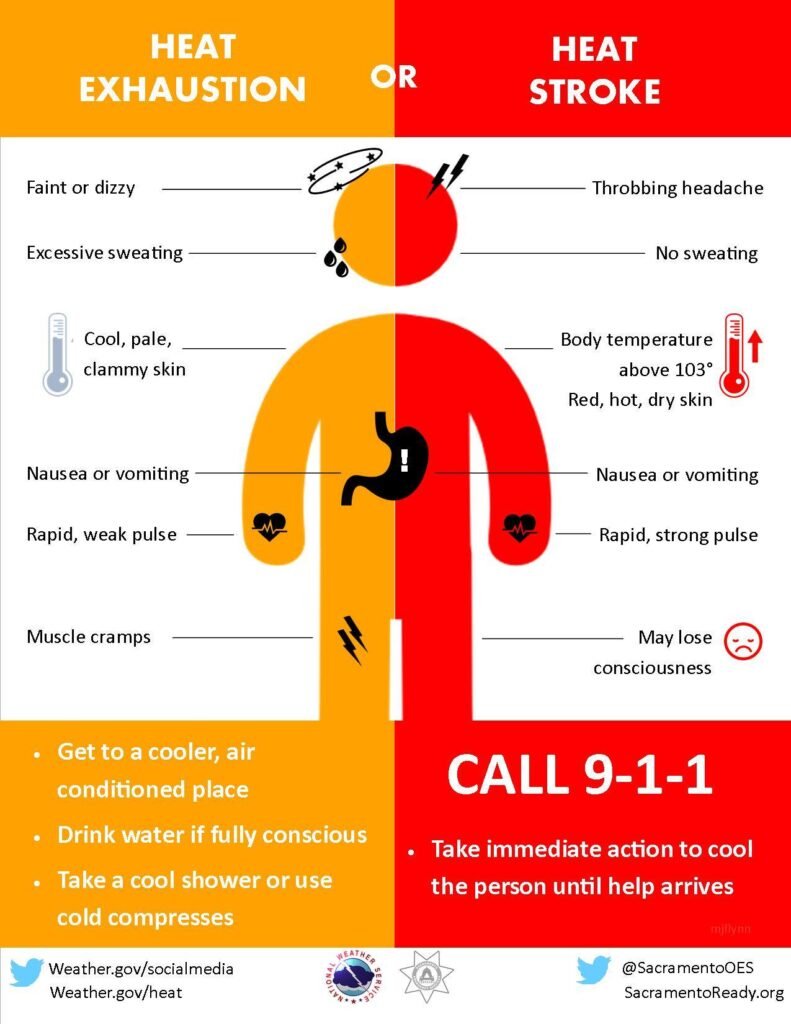
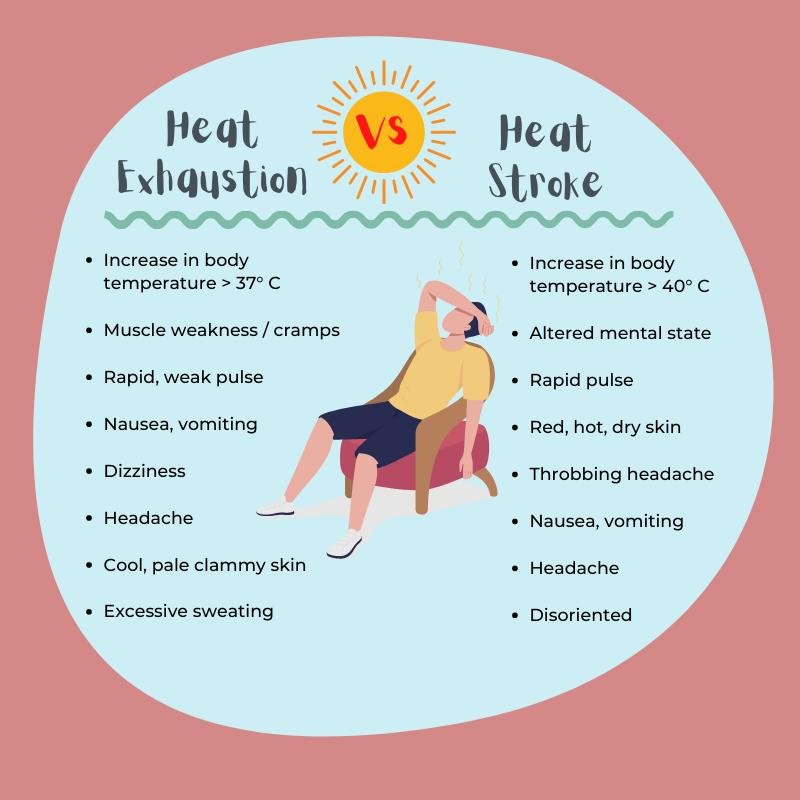
While dehydration and heat stroke share some similar symptoms, it’s essential to distinguish between the two. Dehydration primarily involves fluid balance and can be resolved by rehydration, while heat stroke is a life-threatening medical emergency requiring immediate attention. Recognizing the signs and symptoms can help differentiate between the two conditions.
Signs and symptoms specific to heat stroke
Heat stroke presents with specific signs and symptoms that differentiate it from dehydration. These include a high core body temperature, hot and dry skin, rapid and shallow breathing, rapid heartbeat, confusion, slurred speech, and potentially unconsciousness. If any of these symptoms occur, it’s crucial to seek emergency medical attention.
When to seek emergency medical attention
If you suspect heat stroke or are experiencing severe symptoms such as a high body temperature above 104 degrees Fahrenheit (40 degrees Celsius), confusion, seizures, or loss of consciousness, it is crucial to seek emergency medical attention immediately. Heat stroke is a medical emergency that requires immediate treatment to prevent life-threatening complications.
Preventing Heat Stroke in Dehydrated Individuals
Maintaining proper hydration levels
To prevent heat stroke in dehydrated individuals, maintaining proper hydration levels is crucial. Drink adequate amounts of water or other hydrating fluids throughout the day, especially during periods of high heat or intense physical activity. Regularly monitor your fluid intake and aim to stay adequately hydrated.
Avoiding prolonged exposure to high temperatures
If you’re already dehydrated, it’s especially important to avoid prolonged exposure to high temperatures. Limit time spent outdoors during the hottest parts of the day and seek shade or air-conditioned spaces to prevent excessive sweating and dehydration. Plan activities for cooler times of the day to reduce the risk of heat stroke.
Taking breaks in shaded or air-conditioned areas
When engaging in activities that can lead to dehydration, ensure that you take regular breaks in shaded or air-conditioned areas. These breaks allow your body to cool down and recover from the heat, reducing the chances of heat-related illnesses. Use these rest periods to rehydrate and replenish your body’s fluid levels.
Using cooling techniques to lower body temperature
In addition to staying hydrated, utilizing cooling techniques can help lower your body temperature and prevent heat stroke. Applying cold compresses to the neck, wrists, and forehead, taking cool showers, or using fans or misting devices can all provide relief and aid in regulating body temperature. These techniques complement proper hydration in preventing heat stroke.
In conclusion, dehydration is a significant risk factor for heat stroke, and recognizing the signs of dehydration is crucial in preventing heat-related illnesses. By understanding the relationship between dehydration and heat stroke, taking steps to prevent dehydration, and knowing how to differentiate between dehydration and heat stroke, you can protect yourself and others from the potentially dangerous consequences of heat-related conditions. Stay hydrated, stay cool, and prioritize your well-being in hot and humid environments.