
When you live with chronic pain, the thought of exercising may seem daunting or even counterproductive. However, understanding the benefits of exercise can help shift your perspective. Engaging in regular physical activity can significantly improve your overall quality of life.
Exercise has been shown to release endorphins, which are natural pain relievers produced by your body. These endorphins can help alleviate discomfort and enhance your mood, making it easier to cope with the challenges of chronic pain. Moreover, exercise can improve your physical function and mobility.
When you strengthen your muscles and increase your flexibility, you may find that daily activities become less painful and more manageable. This improvement can lead to a greater sense of independence and empowerment. Additionally, regular exercise can help you maintain a healthy weight, which is crucial for reducing strain on your joints and minimizing pain.
By understanding these benefits, you can begin to see exercise not as a chore but as a valuable tool in managing your chronic pain.
Key Takeaways
- Exercise can help manage chronic pain by reducing inflammation, improving mood, and increasing strength and flexibility.
- It’s important to find the right type of exercise that suits your condition, whether it’s low-impact activities, gentle stretching, or flexibility exercises.
- Setting realistic exercise goals is crucial to avoid overexertion and injury, and to gradually build up strength and endurance.
- Incorporating low-impact activities like swimming, cycling, or walking can help improve fitness without putting too much strain on the body.
- Gentle stretching and flexibility exercises can help improve range of motion and reduce muscle tension, contributing to pain relief.
Finding the Right Type of Exercise for Your Condition
Considering Your Limitations
When selecting activities, it’s essential to consider your individual limitations and preferences. For example, if you experience joint pain, low-impact exercises like swimming or cycling may be more suitable than high-impact activities like running.
Exploring Gentle Options
You may also want to explore options like yoga or Pilates, which focus on gentle movements and can help improve flexibility and strength without putting excessive strain on your body.
Listening to Your Body
Another key aspect is to listen to your body and pay attention to how different exercises affect your pain levels. You may want to keep a journal to track your activities and any changes in your symptoms. This can help you identify which exercises provide relief and which may exacerbate your discomfort. Remember that it’s perfectly okay to experiment with various forms of exercise until you find what works best for you. The goal is to create a routine that feels enjoyable and sustainable, allowing you to stay active without overwhelming yourself.
Setting Realistic Exercise Goals

Setting realistic exercise goals is crucial for maintaining motivation and ensuring long-term success in managing chronic pain. It’s essential to start small and gradually build up your activity level. Instead of aiming for an ambitious workout regimen right away, consider setting achievable goals that align with your current abilities.
For example, you might start with just five minutes of gentle stretching each day or a short walk around your neighborhood. As you become more comfortable, you can gradually increase the duration and intensity of your workouts. Additionally, it’s important to celebrate your progress, no matter how small it may seem.
Acknowledging your achievements can boost your confidence and encourage you to continue on your journey. You might set milestones, such as completing a certain number of workouts per week or increasing the distance of your walks. By focusing on these incremental improvements, you’ll be more likely to stay committed to your exercise routine and experience the positive effects it can have on your chronic pain.
Incorporating Low-Impact Activities into Your Routine
Incorporating low-impact activities into your routine can be a game-changer when managing chronic pain. These types of exercises are gentle on the joints while still providing significant health benefits. Activities such as swimming, cycling, or using an elliptical machine allow you to get your heart rate up without putting excessive stress on your body.
You might find that these exercises not only help alleviate pain but also improve your cardiovascular health and overall fitness levels. Moreover, low-impact activities can be easily integrated into your daily life. For instance, consider taking a leisurely bike ride in the park or joining a water aerobics class at your local community center.
These activities can be enjoyable and social, making it easier to stick with them over time. By incorporating low-impact exercises into your routine, you’ll be taking proactive steps toward managing your chronic pain while also enhancing your physical well-being.
Utilizing Gentle Stretching and Flexibility Exercises
Gentle stretching and flexibility exercises play a vital role in managing chronic pain. These practices can help improve your range of motion, reduce muscle tension, and promote relaxation. Incorporating stretching into your daily routine can be as simple as dedicating a few minutes each morning or evening to focus on key muscle groups that may be tight or sore.
You might find that even basic stretches can provide immediate relief and help prevent stiffness throughout the day. In addition to traditional stretching, consider exploring practices like yoga or tai chi, which emphasize gentle movements and mindfulness. These activities not only enhance flexibility but also promote mental well-being through their meditative aspects.
As you engage in these exercises, pay attention to how they make you feel both physically and emotionally. By prioritizing gentle stretching and flexibility exercises, you’ll be taking important steps toward managing your chronic pain while fostering a deeper connection with your body.
Listening to Your Body and Modifying Your Routine as Needed
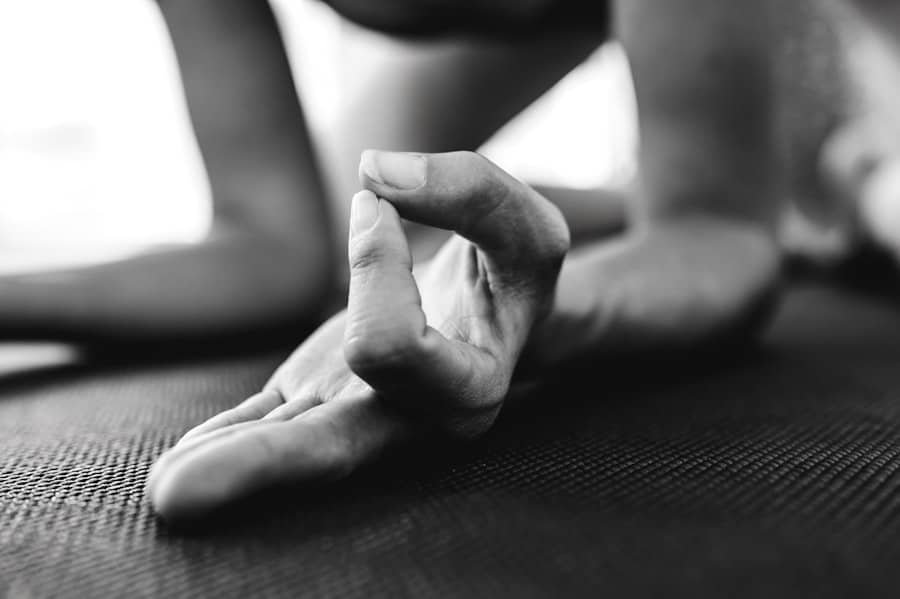
Listening to your body is one of the most important aspects of managing chronic pain through exercise. It’s essential to recognize that some days may be better than others, and what works for you one day may not feel the same the next. Being attuned to your body’s signals allows you to adjust your routine accordingly.
If you notice increased pain or discomfort during a particular activity, don’t hesitate to modify it or take a break altogether. This adaptability is key to maintaining a sustainable exercise routine. You might find that certain exercises are more beneficial on days when you’re feeling good, while others may be better suited for days when you need a gentler approach.
By being flexible with your routine and allowing yourself the grace to adapt as needed, you’ll create a more positive relationship with exercise and reduce the risk of burnout or injury.
Seeking Professional Guidance and Support
Seeking professional guidance can be incredibly beneficial when navigating exercise for chronic pain management. A physical therapist or certified personal trainer with experience in working with individuals who have chronic pain can provide personalized recommendations tailored to your specific needs. They can help assess your current abilities, suggest appropriate exercises, and teach you proper techniques to ensure safety during workouts.
Additionally, joining support groups or online communities can offer valuable encouragement and motivation as you embark on this journey. Connecting with others who share similar experiences can provide insights into what has worked for them and foster a sense of camaraderie. Whether through professional guidance or peer support, surrounding yourself with knowledgeable individuals can empower you to stay committed to your exercise routine while effectively managing chronic pain.
Maintaining Consistency and Patience in Your Exercise Journey
Maintaining consistency and patience in your exercise journey is crucial for achieving long-term results in managing chronic pain. It’s important to remember that progress may not always be linear; there will be ups and downs along the way. Establishing a regular schedule for your workouts can help reinforce the habit of exercising consistently, even on days when motivation wanes.
Patience is equally important as you navigate this process. Understand that building strength, flexibility, and endurance takes time, especially when dealing with chronic pain. Celebrate small victories along the way, whether it’s completing an extra minute of stretching or feeling less discomfort during a walk.
By cultivating a mindset of patience and consistency, you’ll be better equipped to embrace the journey ahead and ultimately experience the transformative benefits that exercise can bring to your life despite chronic pain challenges.
FAQs
What are some exercise tips for chronic pain sufferers?
Regular low-impact exercises such as walking, swimming, and cycling can help improve flexibility, strength, and endurance for chronic pain sufferers. It is important to start slowly and gradually increase the intensity of the exercises.
How can exercise help with chronic pain?
Exercise can help reduce chronic pain by strengthening muscles, improving flexibility, and releasing endorphins, which are natural painkillers produced by the body. It can also help improve overall mood and mental well-being.
Are there specific exercises to avoid for chronic pain sufferers?
High-impact exercises such as running, jumping, and heavy weightlifting should be avoided by chronic pain sufferers as they can exacerbate pain and cause further injury. It is important to consult with a healthcare professional before starting any exercise regimen.
What are some important considerations when exercising with chronic pain?
It is important to listen to your body and not push through excessive pain. It is also crucial to warm up before exercising and to incorporate stretching and relaxation techniques into the routine. Additionally, maintaining good posture and using proper form during exercises is essential.
How often should chronic pain sufferers exercise?
It is recommended for chronic pain sufferers to engage in low-impact exercises for at least 30 minutes, 3-5 times per week. However, it is important to start slowly and gradually increase the duration and intensity of the exercises based on individual tolerance and comfort level.