
Tinnitus, the sensation of hearing ringing or buzzing sounds in the ears, can be a highly disruptive condition that affects millions of people worldwide. If you are one of those individuals struggling with tinnitus, you may be pleased to know that there is a potential solution in the form of diet and nutrition. Believe it or not, certain food choices and nutritional habits can play a significant role in managing and even lessening the symptoms of tinnitus. So, if you’re curious to learn more about how your diet can impact your tinnitus, keep reading to discover some valuable insights and potentially find relief.
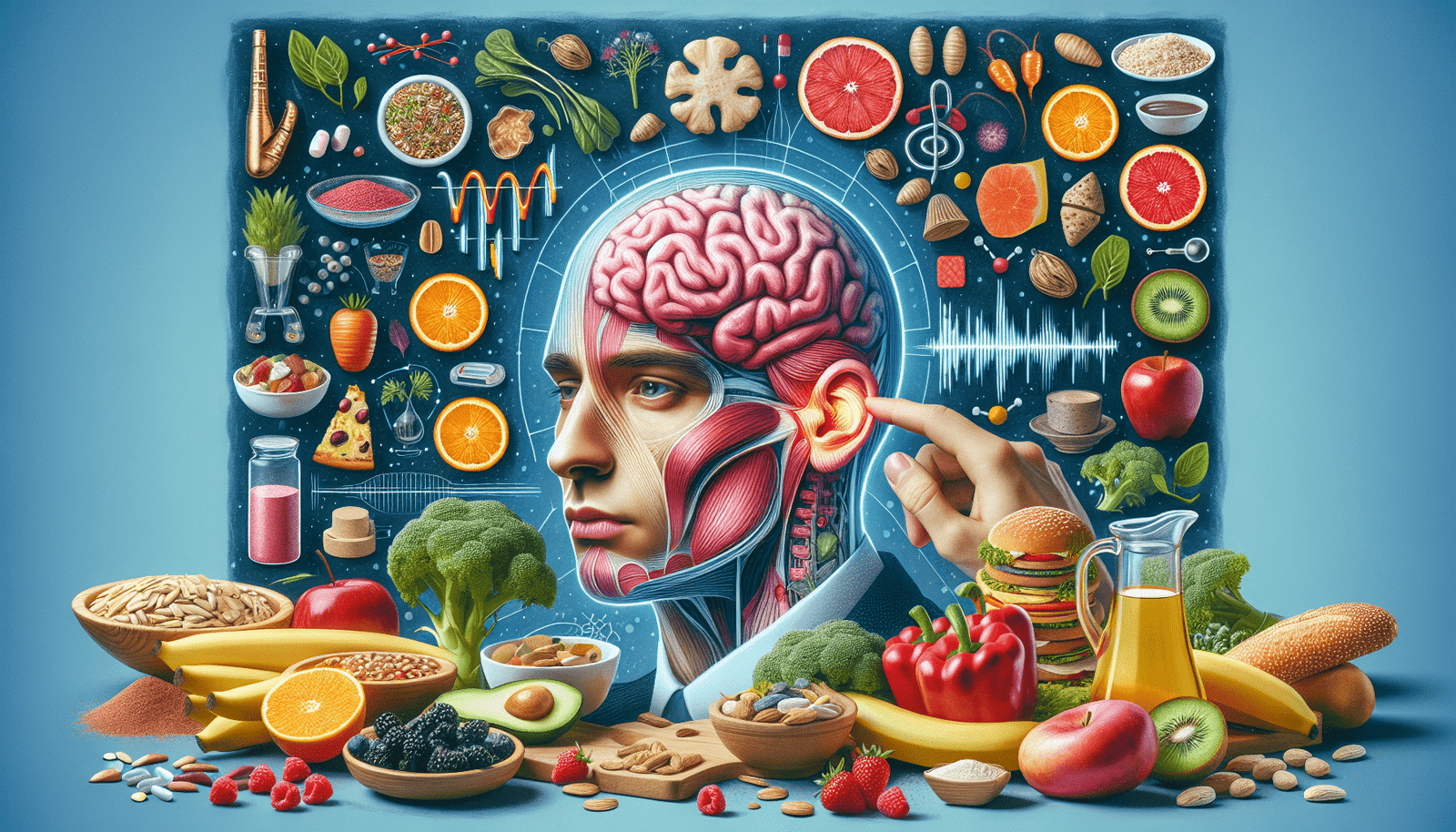
The Basics of Tinnitus
Tinnitus is a condition characterized by the perception of sound in the ears or head without any external source. It can manifest as a ringing, buzzing, hissing, or whooshing sound, and it varies in intensity from person to person. Tinnitus can be caused by various factors, including exposure to loud noise, age-related hearing loss, earwax blockage, certain medications, and underlying medical conditions. While tinnitus is not a disease in itself, it can significantly impact one’s quality of life, causing annoyance, distress, and difficulty concentrating or sleeping. Managing tinnitus requires a comprehensive approach, and diet and nutrition play a crucial role in minimizing its impact.
The Impact of Diet and Nutrition on Tinnitus
Research has shown that there is a strong link between diet and tinnitus. Certain dietary factors can either exacerbate tinnitus symptoms or help alleviate them. By making mindful choices about what we eat, we can provide our bodies with the nutrients they need to support optimal ear and auditory function. Additionally, a healthy diet can help reduce inflammation and oxidative stress, both of which are believed to contribute to tinnitus. Therefore, focusing on nutrition can be an effective strategy in managing tinnitus.
Role of Nutrition in Managing Tinnitus
Nutrition plays a vital role in managing tinnitus by supporting overall ear and body health. Some nutrients have been found to have specific benefits for tinnitus sufferers. Vitamin B12, zinc, and magnesium are among the key nutrients that have been shown to have a positive impact on tinnitus. These nutrients help support nerve health, reduce inflammation, and protect against oxidative stress, all of which can help alleviate tinnitus symptoms. Incorporating foods rich in these nutrients into your diet can be a proactive step towards managing tinnitus effectively.
Common Dietary Triggers for Tinnitus
Certain foods and substances have been identified as common triggers for tinnitus symptoms. These include caffeine, alcohol, nicotine, processed foods high in sugar and salt, and artificial sweeteners. It is essential to be mindful of these triggers and limit their consumption. By avoiding or reducing these dietary triggers, individuals with tinnitus can potentially experience a decrease in symptom severity.
Key Nutrients for Tinnitus Management
Vitamin B12
Vitamin B12 is essential for maintaining the health of nerve cells, including those involved in hearing. Studies have suggested that individuals with tinnitus may have lower levels of vitamin B12 compared to those without tinnitus. Incorporating vitamin B12-rich foods into your diet, such as fish, meat, eggs, and dairy products, may help support optimal nerve function and potentially alleviate tinnitus symptoms.
Zinc
Zinc is a mineral that plays a crucial role in various bodily processes, including immune function and DNA synthesis. It has antioxidant properties that help protect against oxidative stress, a potential underlying factor in tinnitus. Foods rich in zinc include oysters, beef, poultry, legumes, and nuts. Adding these foods to your diet can help ensure an adequate intake of zinc and support tinnitus management.
Magnesium
Magnesium is another essential nutrient that has been found to have potential benefits for individuals with tinnitus. It plays a role in regulating the function of nerves and muscles, including those involved in hearing. Low magnesium levels have been associated with increased tinnitus severity. Consuming magnesium-rich foods like leafy greens, whole grains, nuts, and seeds can help support optimal magnesium levels and potentially reduce tinnitus symptoms.
Foods That Help Reduce Tinnitus Symptoms
Anti-inflammatory foods
Inflammation is believed to contribute to tinnitus. By incorporating anti-inflammatory foods into your diet, you can potentially reduce inflammation in your body and alleviate tinnitus symptoms. Examples of anti-inflammatory foods include fatty fish like salmon and mackerel, walnuts, flaxseeds, spinach, kale, and berries. These foods are rich in omega-3 fatty acids, antioxidants, and vitamins, all of which have been associated with anti-inflammatory properties.
Foods rich in antioxidants
Oxidative stress can contribute to the development and progression of tinnitus. Antioxidants help neutralize harmful free radicals and reduce oxidative stress in the body. Including foods rich in antioxidants in your diet can potentially provide protection against oxidative damage and alleviate tinnitus symptoms. Some examples of antioxidant-rich foods include berries, dark chocolate, green tea, beans, and colorful fruits and vegetables like tomatoes, oranges, and spinach.
Omega-3 fatty acids
Omega-3 fatty acids have been shown to have anti-inflammatory properties and may help reduce tinnitus symptoms. Fish, such as salmon, sardines, and trout, are excellent sources of omega-3 fatty acids. Other plant-based sources include flaxseeds, chia seeds, and walnuts. Including these foods in your diet can help support optimal omega-3 levels and potentially alleviate tinnitus symptoms.
Dietary Approaches to Manage Tinnitus
Low sodium diet
Excessive sodium intake can lead to fluid retention, which can increase pressure in the inner ear and potentially worsen tinnitus symptoms. Adopting a low sodium diet can help reduce fluid retention and alleviate tinnitus. Be mindful of your salt intake and avoid processed foods, fast food, and added salt. Instead, opt for fresh, whole foods and use herbs and spices to add flavor to your meals.
Mediterranean diet
The Mediterranean diet has gained recognition for its numerous health benefits, including its potential positive impact on tinnitus. This diet emphasizes consuming fruits, vegetables, whole grains, lean proteins, and healthy fats, such as olive oil and nuts. It is low in processed foods, added sugars, and saturated fats. The Mediterranean diet’s emphasis on anti-inflammatory foods and nutrient-dense meals can potentially help reduce tinnitus symptoms and support overall health.
Plant-based diet
A plant-based diet, rich in fruits, vegetables, whole grains, legumes, nuts, and seeds, can also be beneficial for tinnitus management. Plant-based diets are naturally low in inflammatory foods and high in antioxidants and important nutrients. By focusing on plant-based sources of protein and incorporating a wide variety of nutrient-dense foods, individuals with tinnitus may experience a reduction in symptom severity.
The Role of Hydration in Tinnitus Management
Effects of dehydration on tinnitus
Dehydration can have adverse effects on tinnitus symptoms. When the body is dehydrated, the fluid levels in the inner ear may become imbalanced, potentially leading to increased tinnitus severity. It is essential to stay adequately hydrated by drinking enough water throughout the day to maintain optimal ear and body function.
Optimal water intake for tinnitus management
The exact amount of water needed varies depending on factors such as age, activity level, and climate. However, a general guideline is to aim for at least eight cups (64 ounces) of water per day. It is important to listen to your body’s thirst cues and increase your water intake if you are in a warm climate or engaging in vigorous physical activity. By staying hydrated, you can help maintain the proper fluid balance in your inner ear and potentially reduce the intensity of tinnitus symptoms.
The Impact of Caffeine and Alcohol on Tinnitus
Effects of caffeine on tinnitus
Caffeine is a stimulant that can affect the central nervous system and potentially worsen tinnitus symptoms. It can increase blood flow to the ear and cause vasoconstriction, leading to heightened auditory sensitivity. Individuals with tinnitus may consider reducing or avoiding caffeine-containing beverages such as coffee, tea, energy drinks, and soda to potentially alleviate symptom severity.
The relationship between alcohol and tinnitus
Alcohol consumption can have variable effects on tinnitus. While some individuals report that alcohol worsens their symptoms, others may find temporary relief. However, excessive alcohol consumption can lead to blood vessel dilation and increased blood flow to the inner ear, potentially worsening tinnitus. It is advisable to moderate alcohol intake and pay attention to how it affects your tinnitus. If you notice an increase in symptom severity, it may be beneficial to limit or avoid alcohol.
The Role of Sugar and Salt in Tinnitus
The effects of excessive sugar intake on tinnitus
Excessive consumption of sugar has been associated with inflammation, oxidative stress, and overall poor health. These factors can contribute to the development and severity of tinnitus. Limiting added sugars in your diet by avoiding sugary drinks, processed sweets, and desserts can help reduce inflammation and potentially alleviate tinnitus symptoms.
The impact of high salt intake on tinnitus
High salt intake can lead to fluid retention and increased pressure in the inner ear, potentially exacerbating tinnitus symptoms. It is advisable to limit your salt intake by avoiding processed and packaged foods that tend to be high in sodium. Additionally, reducing the amount of salt you add to your meals and opting for natural herbs and spices for flavor can help manage tinnitus.
Supplements for Tinnitus Management
Ginkgo biloba
Ginkgo biloba is an herb that has been used for centuries in traditional medicine. It is believed to have antioxidant and anti-inflammatory properties and may improve blood flow to the inner ear. Some studies have suggested that ginkgo biloba may help reduce tinnitus symptoms, although results have been mixed. Before considering ginkgo biloba supplementation, it is advisable to consult with a healthcare professional to determine the appropriate dosage and potential interactions with other medications.
Coenzyme Q10
Coenzyme Q10 is a naturally occurring compound in the body that helps produce energy for cell growth and maintenance. It also has antioxidant properties and may help protect against oxidative stress. Some studies have indicated that coenzyme Q10 supplementation can potentially reduce tinnitus severity. However, further research is needed to establish its effectiveness. If you are considering coenzyme Q10 supplementation, it is recommended to consult with a healthcare professional to determine the appropriate dosage and suitability for your specific needs.
Melatonin
Melatonin is a hormone that regulates sleep-wake cycles and is involved in various physiological processes. It also has antioxidant properties and may help reduce oxidative stress in the body. Some individuals with tinnitus report improvements in sleep quality and reduced tinnitus severity with melatonin supplementation. If you are considering melatonin supplementation, it is important to consult with a healthcare professional to determine the appropriate dosage and timing for maximum effectiveness.
The Importance of a Balanced Diet for Tinnitus
Maintaining a balanced diet that includes a variety of nutrient-dense foods is essential for managing tinnitus effectively. Building a tinnitus-friendly meal plan involves incorporating foods rich in key nutrients like vitamin B12, zinc, and magnesium. It also means focusing on anti-inflammatory foods, antioxidants, and omega-3 fatty acids. Additionally, being mindful of dietary triggers such as caffeine, alcohol, excessive sugar, and salt can help reduce tinnitus symptoms. Maintaining a healthy weight through a balanced diet and regular physical activity is also beneficial for overall health and may contribute to tinnitus management.
In conclusion, diet and nutrition play a significant role in managing tinnitus symptoms. By making conscious choices about what we eat and drink, we can support optimal ear and body health and potentially alleviate tinnitus severity. Incorporating key nutrients, consuming anti-inflammatory foods, and staying hydrated are all strategies that can contribute to tinnitus management. It is important to remember that individual experiences with tinnitus may vary, and what works for one person may not work for another. It is advisable to consult with a healthcare professional before making any significant dietary changes or starting any supplements to ensure personalized and safe tinnitus management.