
In today’s fast-paced world, it’s easy to overlook the crucial role that vitamins and minerals play in maintaining our overall health and well-being. From powering our immune system to supporting our mental clarity, these essential nutrients are the unsung heroes of our bodies. In this article, we will explore the vital functions of vitamins and minerals and discover how they contribute to our overall vitality. So, grab a cup of tea and join us on this informative journey to unlock the secrets of optimal health.
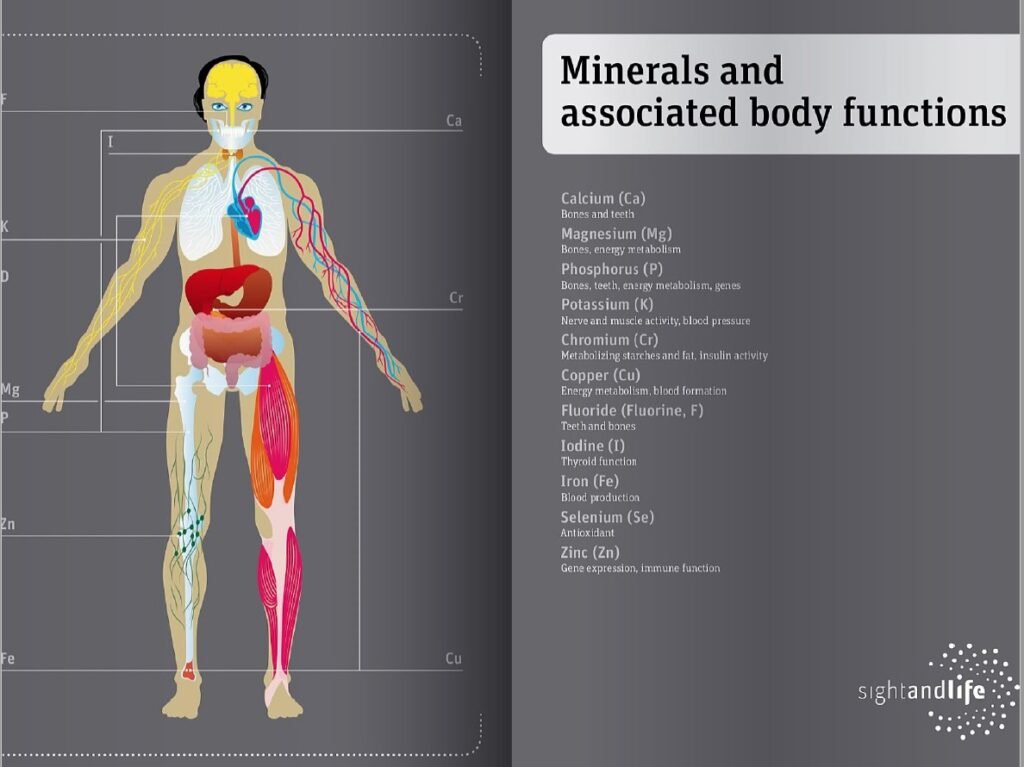
Vitamins and Minerals in Your Health
Vitamins and minerals play a crucial role in maintaining and improving your overall health. These nutrients are essential for various bodily functions and help support the proper functioning of body systems. While both vitamins and minerals are essential, they differ in terms of their chemical structure, sources, digestion and absorption in the body, as well as storage. Understanding the key functions, types, sources, and recommended daily intake of vitamins and minerals is important to ensure you meet your nutritional needs and avoid potential deficiencies that may lead to health problems.
Importance of Vitamins and Minerals
Role in Overall Health
Vitamins and minerals are vital for maintaining optimal health and well-being. They support various bodily functions, including metabolism, growth and development, immune function, and countless other processes. These nutrients act as cofactors in enzymatic reactions, ensuring that these reactions occur efficiently. By playing a role in maintaining the overall health of your body, vitamins and minerals contribute significantly to your overall quality of life.
Supporting Body Systems
Vitamins and minerals play a crucial role in supporting the proper functioning of your body systems. For example, certain vitamins, like vitamin C, help boost your immune system, protecting you from illnesses and infections. Others, like vitamin D, are essential for maintaining strong and healthy bones. Minerals, such as calcium and potassium, are important for nerve function, muscle contractions, and maintaining proper fluid balance. By supporting these systems, vitamins and minerals help keep your body healthy and functioning optimally.
Regulating Metabolism
Vitamins and minerals are essential in regulating metabolism, the process by which your body converts food into energy. B vitamins, for example, are key players in energy production and help metabolize carbohydrates, fats, and proteins. Additionally, minerals like iron are crucial for transporting oxygen to cells and ensuring that metabolic processes can occur efficiently. By regulating metabolism, vitamins and minerals ensure that your body has the energy it needs to function properly.
Difference between Vitamins and Minerals
Chemical Structure
Vitamins and minerals differ in terms of their chemical structure. Vitamins are organic compounds that contain carbon, hydrogen, and oxygen, as well as other elements like nitrogen and sulfur. On the other hand, minerals are inorganic substances that are naturally occurring and do not contain carbon. This difference in chemical structure affects how these nutrients are processed and utilized in the body.
Sources
Vitamins and minerals also differ in their sources. Vitamins are most commonly found in natural food sources like fruits, vegetables, whole grains, and dairy products. However, certain vitamins can also be synthesized in the body through exposure to sunlight, such as vitamin D. On the other hand, minerals are found in a wide range of food sources, including fruits, vegetables, meats, legumes, and seafood. Additionally, minerals can also be obtained from mineral-rich water and through supplementation.
Digestion and Absorption
The digestion and absorption of vitamins and minerals also differ. Vitamins are generally sensitive to heat, light, and air, and can be lost during food preparation and storage. They are primarily absorbed in the small intestine and are transported to various body tissues through the bloodstream. Minerals, on the other hand, are relatively more stable and are not affected by heat, light, or air. They are absorbed in the stomach and small intestine, and their absorption can be influenced by other factors such as the presence of other nutrients and certain health conditions.
Storage in the Body
Another significant difference between vitamins and minerals is their storage in the body. Vitamins are classified as either fat-soluble or water-soluble. Fat-soluble vitamins, including vitamins A, D, E, and K, are stored in the body’s fat tissues and liver, allowing for a reserve supply. Water-soluble vitamins, such as vitamins B and C, are not stored in the body, and any excess is excreted through urine. Minerals, on the other hand, are stored in various body tissues, including the bones, liver, and muscles, and can be utilized when needed.
Key Functions of Vitamins
Antioxidant Protection
Many vitamins, such as vitamins A, C, and E, act as antioxidants in the body. They help protect cells from damage caused by harmful molecules called free radicals, which can contribute to the development of chronic diseases such as heart disease, cancer, and Alzheimer’s disease.
Energy Production
B vitamins play a crucial role in energy production by helping convert the food you eat into usable energy. They are involved in the metabolism of carbohydrates, fats, and proteins, providing your body with the energy it needs to function.
Bone Health
Vitamins D and K, along with minerals like calcium and phosphorus, are essential for maintaining strong and healthy bones. They help in the absorption and utilization of calcium, promoting bone formation and preventing conditions like osteoporosis.
Immune Function
Vitamins A, C, and E are important for maintaining a healthy immune system. They help support the production and function of immune cells, protecting your body from infections and diseases.
Nervous System Support
Several vitamins, including B vitamins, are essential for the proper functioning of the nervous system. They help in the production of neurotransmitters, which are chemical messengers that allow nerve cells to communicate effectively.
Blood Clotting
Vitamin K plays a critical role in blood clotting. It is necessary for the production of proteins that help your blood clot properly, preventing excessive bleeding.
Cellular Growth and Repair
Many vitamins, such as vitamin C, are involved in the process of cellular growth and repair. They help in the synthesis of collagen, a protein that provides structure to your skin, bones, and other connective tissues.
DNA Synthesis
Vitamins B12 and folate are essential for DNA synthesis, the process by which your body creates new DNA molecules. This is crucial for cell division and growth.
Hormone Regulation
Vitamins like vitamin D and vitamin B6 are involved in hormone regulation. They help in the production, activation, and regulation of various hormones in the body.
Eye Health
Vitamins A, C, and E, as well as specific antioxidants like lutein and zeaxanthin, are important for maintaining optimal eye health. They help protect against age-related macular degeneration and other vision problems.

Types of Vitamins
Fat-Soluble Vitamins
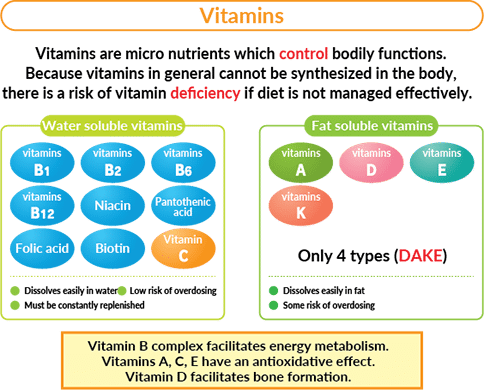
Fat-soluble vitamins are vitamins that can dissolve in fat and are stored in the body’s fat tissues. They include vitamins A, D, E, and K. These vitamins are best absorbed when consumed with dietary fat, as fat aids in their absorption and utilization. Fat-soluble vitamins can be stored in the body for longer periods, allowing for a reserve supply.
Water-Soluble Vitamins
Water-soluble vitamins are vitamins that dissolve in water and are not stored in the body. They include vitamins B and C. Any excess water-soluble vitamins are excreted through urine. Therefore, it is important to consume these vitamins regularly through your diet or supplementation.
Sources of Vitamins
Natural Food Sources
A well-balanced diet that includes a variety of fruits, vegetables, whole grains, lean meats, dairy products, and legumes can provide you with the necessary vitamins. Different food sources contain different vitamins, and including a variety of foods in your diet ensures you receive a wide range of vitamins.
Supplements
In some cases, it may be necessary to supplement with vitamins to meet your nutritional needs. However, it is important to consult with a healthcare professional before starting any vitamin supplementation to ensure you are taking the appropriate amount and type of vitamin for your specific needs.
Fortified Foods
Fortified foods are foods that have vitamins added to them. Examples include fortified cereals, milk, and other dairy products. These fortified foods can be a convenient way to ensure you are getting specific vitamins in your diet.
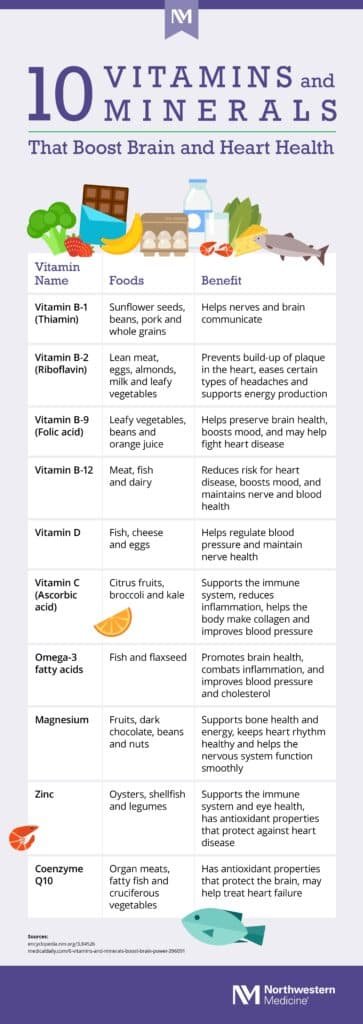
Key Functions of Minerals
Nerve Function
Certain minerals, such as calcium, magnesium, and potassium, are essential for proper nerve function. They help maintain the electrical impulses necessary for nerve signaling.
Muscle Contractions
Minerals like calcium, magnesium, and potassium are important for muscle contractions. They help regulate the movement of muscles, allowing for proper muscle function and coordination.
Energy Metabolism
Minerals, including iron and magnesium, play a role in energy metabolism. They are involved in various enzymatic reactions that support the breakdown of carbohydrates, fats, and proteins for energy production.
Building and Repairing Body Tissues
Minerals, such as calcium and phosphorus, are essential for building and repairing body tissues. They provide structural support to the bones and teeth, and help maintain healthy skin, hair, and nails.
Fluid Balance
Sodium, potassium, and chloride are important minerals involved in maintaining fluid balance in the body. They help regulate the movement of water in and out of cells, ensuring proper hydration and electrolyte balance.
Regulating Blood Pressure
Minerals like sodium, potassium, and magnesium play a role in regulating blood pressure. They help relax and contract blood vessels, maintaining optimal blood flow and blood pressure levels.
Maintaining Bone Health
Calcium, phosphorus, and magnesium are crucial for maintaining strong and healthy bones. They contribute to bone structure and density, helping prevent conditions like osteoporosis.
Enzyme Activation
Minerals, such as iron, zinc, and copper, are cofactors for many enzymes in the body. They help activate these enzymes, allowing them to carry out their specific functions and ensuring optimal biochemical reactions.
Hormone Production
Certain minerals, like iodine, are important for hormone production. Iodine, for example, is necessary for the production of thyroid hormones, which regulate metabolism and growth.
Oxygen Transport
Iron is essential for the transport of oxygen in the body. It is a key component of hemoglobin, a protein in red blood cells that binds to oxygen and carries it to tissues throughout the body.
Types of Minerals
Macrominerals
Macrominerals are minerals that are required in larger amounts by the body. They include calcium, phosphorus, magnesium, sodium, potassium, and chloride. These minerals are needed in gram amounts daily.
Trace Minerals
Trace minerals, also known as microminerals, are minerals that are required in smaller amounts by the body. They include iron, zinc, copper, iodine, selenium, manganese, and chromium. These minerals are needed in milligram or microgram amounts daily.
Sources of Minerals
Dietary Sources
A diet that includes a variety of nutrient-rich foods can provide you with the necessary minerals. Fruits, vegetables, whole grains, lean meats, seafood, dairy products, and legumes are all good sources of minerals. Different foods contain different minerals, so it is important to include a wide range of foods in your diet.
Supplements
In some cases, it may be necessary to supplement with minerals to meet your nutritional needs. However, it is important to consult with a healthcare professional before starting any mineral supplementation to ensure you are taking the appropriate amount and type of mineral for your specific needs.
Water
Water can also be a source of certain minerals, such as calcium and magnesium. Mineral-rich water, such as spring water or mineral water, can contribute to your mineral intake.
Recommended Daily Intake of Vitamins and Minerals
The recommended daily intake of vitamins and minerals varies depending on factors such as age, sex, and health status. Health organizations, such as the Food and Nutrition Board (FNB) and the World Health Organization (WHO), provide guidelines on the recommended daily intake of these nutrients. It is important to consult with a healthcare professional or a registered dietitian to determine your specific nutrient needs and ensure you are meeting them through your diet or supplementation.
Potential Deficiencies and Health Problems
Symptoms of Vitamin Deficiencies
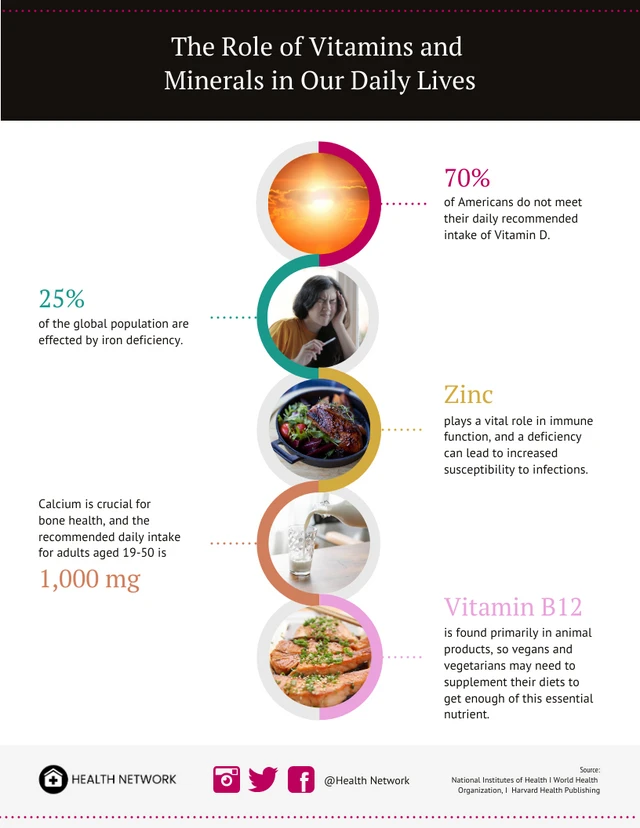
Deficiencies in vitamins can lead to a range of symptoms and health problems. For example, a deficiency in vitamin C can cause scurvy, resulting in fatigue, bleeding gums, and weakened immune function. Vitamin D deficiency can lead to weakened bones, increased risk of fractures, and impaired immune function. Vitamin B12 deficiency can cause fatigue, weakness, and nerve damage. These are just a few examples, and deficiencies in other vitamins can lead to various health problems as well.
Symptoms of Mineral Deficiencies
Mineral deficiencies can also have significant impacts on your health. Iron deficiency can lead to anemia, resulting in fatigue, shortness of breath, and weakened immune function. Calcium deficiency can contribute to weakened bones, increased risk of fractures, and muscle cramps. Zinc deficiency can lead to impaired growth and development, as well as weakened immune function. Again, these are just a few examples, and deficiencies in other minerals can have various health consequences.
Consequences of Deficiencies
Deficiencies in vitamins and minerals can have serious consequences on your overall health and well-being. They can lead to weakened immune function, impaired growth and development, increased risk of chronic diseases, and a range of other health problems. It is important to ensure you are meeting your daily vitamin and mineral needs through a balanced diet or appropriate supplementation to prevent these deficiencies.
Related Health Problems
Deficiencies in vitamins and minerals can contribute to the development of various health problems. For example, vitamin D deficiency has been linked to an increased risk of osteoporosis, cardiovascular disease, and certain types of cancers. Iron deficiency can lead to anemia, which can cause fatigue, weakness, and impaired cognitive function. Deficiencies in B vitamins can contribute to neurological disorders, such as depression and cognitive decline. By ensuring you have an adequate intake of vitamins and minerals, you can reduce the risk of these health problems.
In conclusion, vitamins and minerals are essential for maintaining and improving your overall health. They play a crucial role in supporting body systems, regulating metabolism, and performing key functions necessary for optimal bodily functions. Understanding the difference between vitamins and minerals, their key functions, sources, and recommended daily intake is important to ensure you meet your nutritional needs and avoid potential deficiencies that may lead to health problems. By incorporating a variety of nutrient-rich foods into your diet and discussing with healthcare professionals, you can ensure you are getting the necessary vitamins and minerals to support your health and well-being.