
Hey there! Listen up, because we’ve got some secrets to share about that pesky issue called cellulite. You know, those dimples and lumps on your thighs or buttocks that can drive you crazy? Well, fret no more because we’re about to reveal the truth behind cellulite and give you some tips on how to banish it for good. We’re all in this together, so let’s dive right in and discover the real deal about cellulite and how you can say goodbye to it.
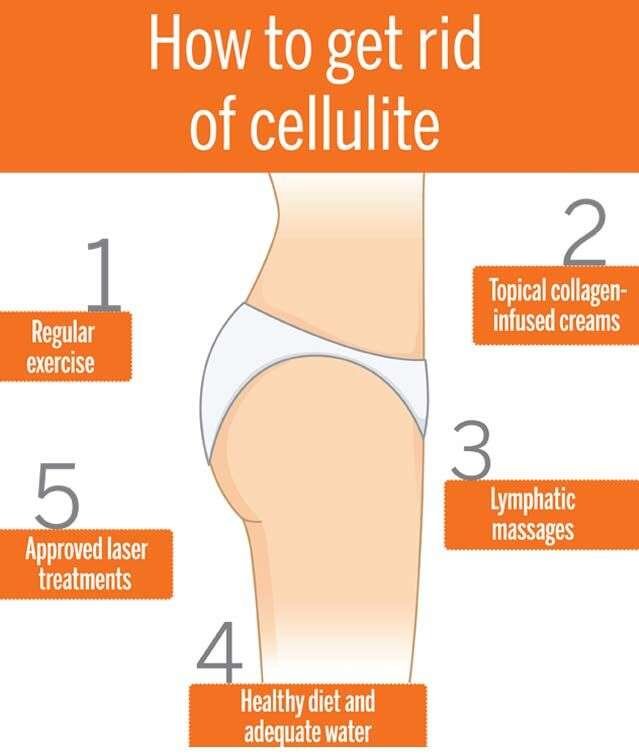
What is Cellulite?
Definition
Cellulite is a common condition that affects the appearance of the skin, causing a dimpled or lumpy appearance, often referred to as “orange peel” or “cottage cheese” skin. It most commonly occurs on the thighs, buttocks, hips, and abdomen, but can also be found on other areas of the body. Despite popular belief, cellulite is not a medical condition or a disease, but rather a cosmetic concern that many individuals seek to improve for aesthetic reasons.
Causes
Cellulite is primarily caused by the accumulation of fat deposits beneath the skin, which create a lumpy appearance due to fibrous connective tissues pulling down on the skin’s surface. While the exact cause of cellulite is not fully understood, there are several factors that contribute to its development.
Prevalence
Cellulite is a widespread condition that affects individuals of all shapes, sizes, and ages. It is estimated that nearly 90% of women will experience cellulite at some point in their lives, with only a small percentage of men being affected. The prevalence of cellulite tends to increase with age and is more commonly found in individuals with a higher body fat percentage.
Common misconceptions
There are several misconceptions surrounding cellulite that contribute to misunderstandings about its causes and treatment options. One common misconception is that only overweight individuals have cellulite, when in reality, individuals of all body types can be affected. Additionally, cellulite is not necessarily a sign of poor health or fitness, as even individuals who are physically fit and maintain a healthy lifestyle can develop cellulite. It is also important to note that there is no “cure” for cellulite, but rather various treatments and lifestyle changes that can help improve its appearance.
Factors Affecting Cellulite Formation
Hormonal factors
Hormonal factors play a significant role in the development of cellulite, particularly in women. Hormonal fluctuations, such as those that occur during puberty, pregnancy, and menopause, can contribute to the weakening of connective tissues and the accumulation of fat cells, leading to cellulite formation.
Genetic factors
Genetics also play a role in the development of cellulite. Some individuals may be more predisposed to cellulite due to their genetic makeup, which can determine factors such as skin thickness, metabolism, and the distribution of fat cells.
Lifestyle factors
Certain lifestyle habits can contribute to the development of cellulite. Lack of physical activity, sedentary behavior, and poor overall fitness can increase the risk of cellulite formation. Additionally, smoking, excessive alcohol consumption, and a high-stress lifestyle can also contribute to the development of cellulite.
Dietary factors
Dietary factors can influence the development of cellulite. A diet high in processed foods, saturated fats, and refined sugars can contribute to weight gain and the accumulation of fat cells, exacerbating the appearance of cellulite. Additionally, dehydration and a lack of water intake can also contribute to poor skin health and the visibility of cellulite.
Aging
As individuals age, the structure of the skin changes, making it more prone to cellulite formation. With age, the skin becomes thinner and loses its elasticity, allowing for the increased visibility of fat deposits and connective tissue irregularities.
Understanding the Structure of Cellulite
Adipose tissue
Adipose tissue, commonly known as fat, is a critical component of cellulite. The accumulation of excess fat cells beneath the skin’s surface leads to the formation of cellulite. Adipose tissue acts as an energy reserve and insulation for the body, but when it becomes excessive, it can protrude through weakened connective tissues, causing the appearance of cellulite.
Connective tissue
Connective tissue, specifically fibrous bands called septae, are a crucial part of cellulite’s structure. The septae connect the skin to the underlying muscles, creating compartments that can become filled with fat cells. When the septae become stiff or lose their elasticity, they pull down on the skin, creating the characteristic dimpled appearance of cellulite.
Septae
The septae, or fibrous bands, are responsible for connecting the skin to the underlying muscle tissue. These bands act as a support structure for the skin, preventing it from sagging. In individuals with cellulite, the septae become stiff and less flexible, leading to the uneven distribution of fat cells and the dimpled appearance associated with cellulite.
How to Determine if You Have Cellulite
Physical examination
Performing a physical examination of the affected areas is the first step in determining if you have cellulite. Look for the characteristic dimpled or lumpy appearance on the thighs, buttocks, hips, or abdomen. Gently press the skin and observe if there is a change in texture or if the skin appears uneven.
Symptoms and signs
Common signs of cellulite include skin dimpling, lumps or nodules under the skin, and a loss of skin smoothness. The severity of cellulite can vary, with some individuals only experiencing mild dimpling, while others may have more pronounced lumps and irregularities.
Grading system
A grading system is often used to classify the severity of cellulite. The most commonly used grading system is the Nurnberger-Muller scale, which categorizes cellulite into four stages based on its appearance and visibility. These stages range from grade 0 (no cellulite present) to grade 3 (severe cellulite with visible dimples in a standing position).
Medical Treatments for Cellulite
Topical creams and lotions
Topical creams and lotions are a common treatment option for cellulite. These products typically contain ingredients such as caffeine, retinol, or antioxidants, which are believed to help improve circulation, stimulate collagen production, and reduce the appearance of cellulite. However, the effectiveness of these topical treatments is often limited, and results may vary.
Oral medications
Certain oral medications, such as methylxanthines, are sometimes prescribed for cellulite treatment. Methylxanthines work by stimulating the breakdown of fat cells and improving circulation. However, the evidence supporting the effectiveness of oral medications for cellulite is limited, and they are not widely used as a primary treatment option.
Non-invasive procedures
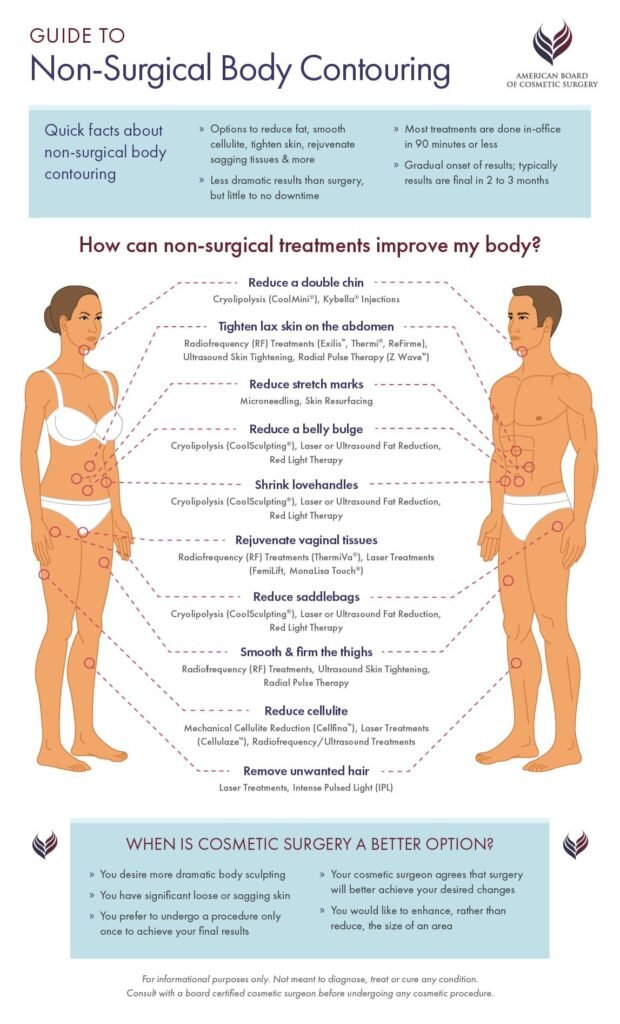
Non-invasive procedures, such as radiofrequency, laser therapy, or ultrasound, are often used for the treatment of cellulite. These procedures work by heating or stimulating the skin, promoting collagen production, and improving blood flow. Non-invasive procedures are generally safe and well-tolerated, but multiple sessions may be required to achieve optimal results.
Minimally-invasive procedures
Minimally-invasive procedures, such as subcision or laser-assisted liposuction, are more targeted approaches for cellulite treatment. These procedures involve using small incisions or laser energy to break up fibrous bands and remove excess fat cells. While minimally-invasive procedures can provide more noticeable results, they also carry a higher risk of complications compared to non-invasive treatments.
Surgical intervention
In severe cases of cellulite, surgical intervention may be necessary. Surgical procedures, such as traditional liposuction or cellulite-specific surgeries, involve the removal of excess fat cells and the tightening of the skin. While these procedures can provide significant improvements in cellulite appearance, they also carry the highest risk and require longer recovery periods compared to other treatment options.
Alternative and Home Remedies for Cellulite
Dry brushing
Dry brushing involves using a natural bristle brush to exfoliate the skin, stimulate blood flow, and promote lymphatic drainage. Regular dry brushing may help to improve circulation and reduce the appearance of cellulite. However, the effectiveness of dry brushing as a standalone treatment for cellulite is limited, and it is often used in conjunction with other remedies or treatments.
Massage therapy
Massage therapy can help to improve blood flow, reduce fluid retention, and promote lymphatic drainage, which may contribute to the reduction of cellulite. Techniques such as lymphatic drainage massage or deep tissue massage can be beneficial in improving the appearance of cellulite. However, results may vary, and multiple sessions may be required to achieve noticeable improvements.
Caffeine scrubs
Caffeine scrubs are often used as a home remedy for cellulite due to their potential to improve circulation and stimulate fat breakdown. Research has shown that caffeine applied topically can temporarily reduce the appearance of cellulite. However, the effects are typically short-term, and consistent use is required to maintain results.
Essential oils
Certain essential oils, such as grapefruit, juniper, or rosemary oil, are believed to have properties that can help improve circulation and reduce fluid retention, potentially leading to the improvement of cellulite. These oils are often used in conjunction with massage or other treatments and can be applied topically. However, more research is needed to determine their effectiveness in long-term cellulite reduction.
Weight loss and exercise
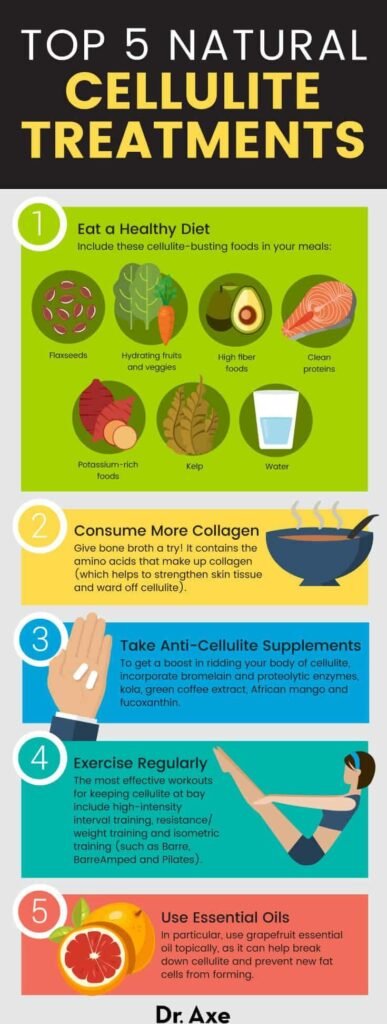
Weight loss and regular exercise can contribute to the reduction of cellulite. By maintaining a healthy weight and engaging in exercise, you can help to reduce the amount of fat stored beneath the skin’s surface and improve muscle tone, which can help minimize the appearance of cellulite.
Dietary changes
Making dietary changes, such as reducing the intake of processed foods, saturated fats, and refined sugars, can contribute to overall weight loss and potentially reduce the appearance of cellulite. Additionally, increasing water intake and consuming foods rich in antioxidants, vitamins, and minerals can promote skin health and improve the appearance of cellulite.
The Role of Exercise in Reducing Cellulite
Cardiovascular exercises
Cardiovascular exercises, such as running, cycling, or swimming, are beneficial in reducing cellulite. These exercises help to increase heart rate, improve circulation, and burn excess fat, which can contribute to the reduction of cellulite.
Strength training exercises
Strength training exercises, such as weightlifting or resistance training, can help to build muscle and improve overall body composition. By increasing muscle mass, you can effectively reduce the appearance of cellulite, as well as improve the overall tone and firmness of the skin.
Targeted lower body exercises
Targeted exercises that focus on the lower body, such as squats, lunges, or leg presses, can be particularly effective in reducing cellulite in the thighs, buttocks, and hips. By targeting these specific areas, you can strengthen the underlying muscles and improve the appearance of cellulite.
Frequency and duration
To achieve noticeable results in reducing cellulite, it is recommended to engage in regular exercise at least 3-5 times per week for a duration of 30-60 minutes. Consistency is key when it comes to exercise, and incorporating both cardiovascular and strength training exercises is essential for optimal cellulite reduction.
Dietary Changes to Reduce Cellulite
Hydration
Staying hydrated is essential for skin health and can contribute to the reduction of cellulite. Drinking an adequate amount of water throughout the day helps to flush out toxins, improve circulation, and maintain the elasticity of the skin.
Foods to include
Incorporating foods that are rich in antioxidants, vitamins, and minerals can support skin health and reduce the appearance of cellulite. Foods such as fruits, vegetables, lean proteins, whole grains, and healthy fats should be included in a balanced diet.
Foods to avoid
Avoiding or minimizing the intake of processed foods, saturated fats, refined sugars, and excessive salt can contribute to overall weight loss and the reduction of cellulite. These foods can contribute to weight gain and inflammation, which can exacerbate the appearance of cellulite.
Lifestyle Modifications for Cellulite Reduction
Quit smoking
Smoking is known to negatively impact skin health and can contribute to the development and worsening of cellulite. Quitting smoking can improve blood flow, increase collagen production, and promote healthier skin overall.
Reduce alcohol consumption
Excessive alcohol consumption can lead to weight gain, inflammation, and poor skin quality, all of which can contribute to the development and visibility of cellulite. Reducing alcohol intake or avoiding it altogether can positively impact cellulite reduction efforts.
Stress management
High levels of stress can contribute to hormonal imbalances and weight gain, both of which can worsen the appearance of cellulite. Engaging in stress-reducing activities, such as yoga, meditation, or regular exercise, can help to manage stress levels and improve cellulite.
Wearing compression garments
Wearing compression garments, such as compression leggings or shorts, can help improve blood flow, reduce fluid retention, and provide support to the muscles and connective tissues. These garments can be particularly beneficial during exercise or as part of post-treatment care in minimizing the appearance of cellulite.
Conclusion
Cellulite is a common cosmetic concern that affects many individuals, particularly women, and can cause discomfort or self-consciousness. While there is no definitive cure for cellulite, various treatment options, lifestyle modifications, and home remedies can help to reduce its appearance and improve skin health. It is important to choose a comprehensive approach that includes a combination of medical treatments, exercise, dietary changes, and lifestyle modifications to achieve the best results in cellulite reduction. Remember, everyone’s experience with cellulite is unique, and what works for one person may not work for another, so it may require some trial and error to find the most effective treatment plan for you.