
Are you experiencing frequent heartburn or a sour taste in your mouth? If so, you may be dealing with acid reflux. In this ultimate guide, we will explore the various symptoms of acid reflux and delve into effective treatment methods and home remedies that can bring you relief. Whether you’re wondering if that persistent cough is related to acid reflux or seeking natural remedies to ease the discomfort, this comprehensive guide is here to help you navigate through your acid reflux symptoms with ease and find the relief you deserve.
What is Acid Reflux?
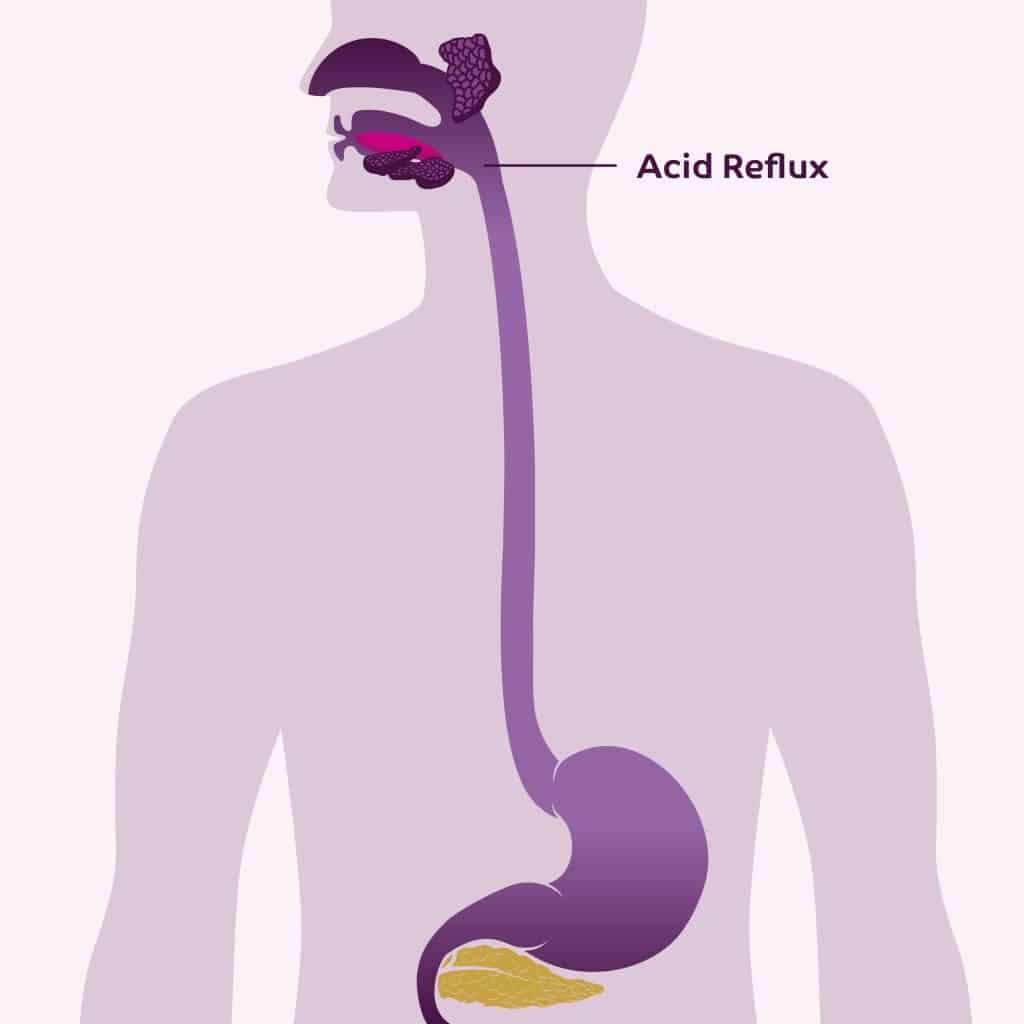
Acid reflux, also known as gastroesophageal reflux disease (GERD), is a condition where the stomach acid flows back up into the esophagus. This happens when the lower esophageal sphincter (LES), a muscle that acts as a valve between the stomach and the esophagus, doesn’t close properly. The acid can irritate the lining of the esophagus and cause various symptoms.
Definition of Acid Reflux
Acid reflux is a digestive disorder characterized by the regurgitation of stomach acid into the esophagus. It can occur sporadically or become a chronic condition. When acid reflux becomes chronic, it is known as GERD. The symptoms of acid reflux can range from mild to severe and can have a significant impact on your daily life if left untreated.
Causes of Acid Reflux
There are several factors that can contribute to the development of acid reflux. The most common cause is a weakened or malfunctioning lower esophageal sphincter (LES), which allows stomach acid to flow back up into the esophagus. Other factors that can increase the risk of acid reflux include obesity, pregnancy, certain medications, smoking, and a hiatal hernia.
Common Symptoms of Acid Reflux
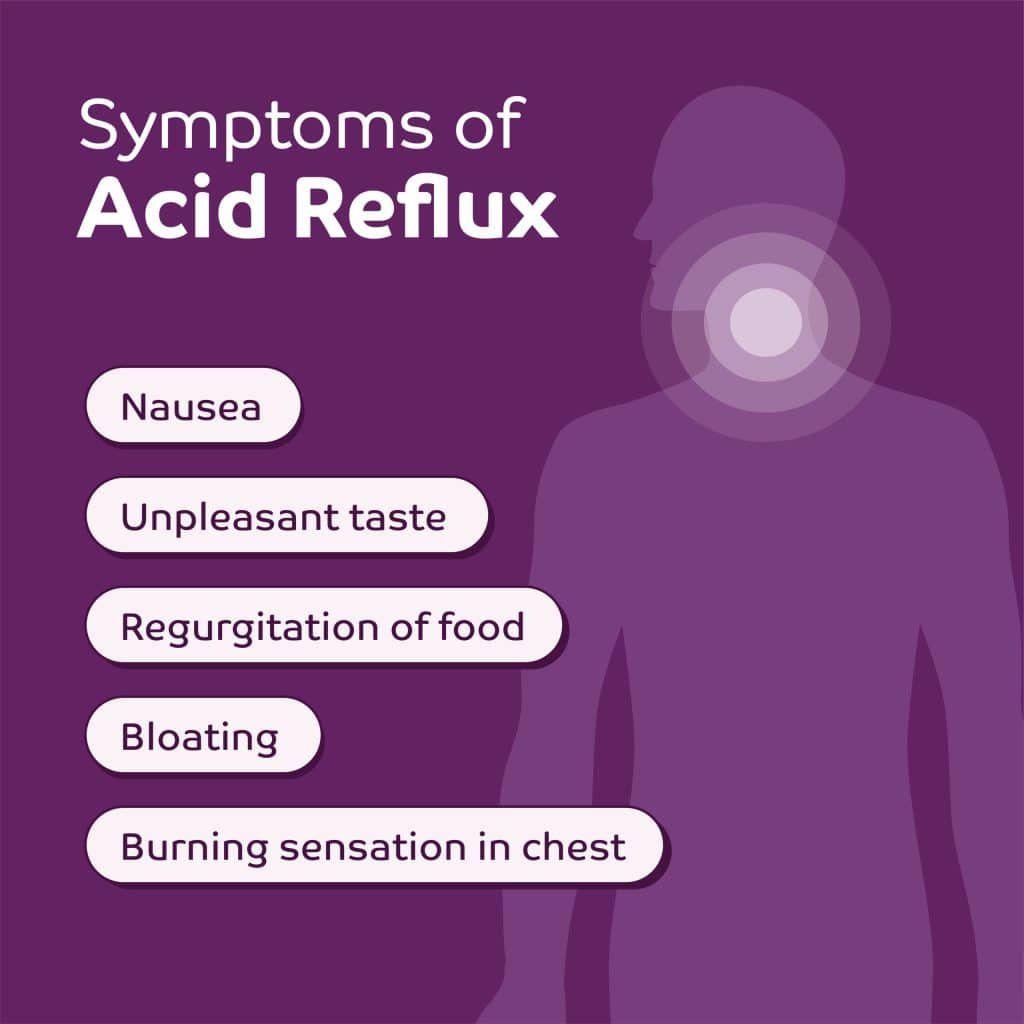
Acid reflux can manifest in various ways, and the symptoms may vary from person to person. Some common symptoms of acid reflux include:
Heartburn
Heartburn is a burning sensation in the chest that occurs when stomach acid backs up into the esophagus. It is one of the most common symptoms of acid reflux and is often described as a feeling of discomfort or tightness in the chest.
Regurgitation
Regurgitation is the feeling of stomach acid or partially digested food moving back up into the throat or mouth. It can cause a sour or bitter taste in the mouth and a feeling of “wet burps.”
Chest Pain
Chest pain associated with acid reflux is often mistaken for a heart attack. The pain may be sharp or burning and can radiate to the back, neck, or arms. It is important to seek medical attention if you experience chest pain to rule out any cardiac issues.
Difficulty Swallowing
Difficulty swallowing, also known as dysphagia, is another common symptom of acid reflux. It can feel like food is getting stuck in the throat or chest and may cause pain or discomfort while swallowing.
Chronic Cough
A chronic cough that persists for more than 8 weeks can be a symptom of acid reflux. The cough is often worse at night or in the morning and may be accompanied by hoarseness or a sore throat.
Hoarseness or Sore Throat
Acid reflux can irritate the throat, leading to hoarseness or a persistent sore throat. These symptoms are often worse in the morning and improve throughout the day.
Bloating and Belching
Excessive gas and bloating can be symptoms of acid reflux. The build-up of gas in the stomach can cause discomfort and lead to belching.
Nausea or Vomiting
Nausea or vomiting can occur when stomach acid irritates the stomach lining. This symptom may also be accompanied by a loss of appetite.
Excessive Saliva Production
Some people with acid reflux may experience an increase in saliva production, known as water brash. This can cause frequent swallowing or spitting.
Dental Problems
The acid from acid reflux can also affect the teeth, causing tooth decay, enamel erosion, and other dental problems. It is important to seek dental care if you suspect acid reflux is affecting your oral health.

Complications of Untreated Acid Reflux
If left untreated, acid reflux can lead to various complications. It is important to recognize the potential complications and seek medical treatment when necessary. Some complications of untreated acid reflux include:
Esophagitis
Untreated acid reflux can cause inflammation of the esophagus, a condition known as esophagitis. This can lead to pain, difficulty swallowing, and an increased risk of developing complications such as strictures and Barrett’s esophagus.
Esophageal Stricture
Prolonged acid reflux can lead to the formation of scar tissue in the esophagus, which can narrow the esophageal passage. This condition is known as esophageal stricture and can cause difficulty swallowing and food impaction.
Barrett’s Esophagus
Barrett’s esophagus is a condition where the lining of the esophagus undergoes changes due to prolonged exposure to stomach acid. It increases the risk of developing esophageal cancer.
Respiratory Problems
Acid reflux can lead to respiratory issues such as asthma, chronic cough, and recurrent pneumonia. The acid irritates the airways, causing inflammation and triggering respiratory symptoms.
Dental Erosion
The acid from recurrent acid reflux can erode the enamel of the teeth and lead to dental problems such as tooth decay and tooth sensitivity. Regular dental care is essential for individuals with acid reflux.
When to See a Doctor
While occasional acid reflux is common and can often be managed with lifestyle modifications and over-the-counter medications, there are certain situations where it is important to seek medical attention. You should see a doctor if you experience:
Persistent or Severe Symptoms
If your acid reflux symptoms persist despite lifestyle changes or over-the-counter medications, it is important to consult a healthcare professional. Persistent or severe symptoms may require further evaluation and treatment.
Symptoms at Night
If you experience acid reflux symptoms, particularly heartburn, during the night or when lying down, it could be a sign of more severe acid reflux or a complication. Nighttime symptoms should prompt a discussion with your doctor.
Unintentional Weight Loss
If you are experiencing unintentional weight loss along with acid reflux symptoms, it is important to see a doctor. Unexplained weight loss can be a sign of a more serious underlying condition, and further evaluation is needed.
Difficulty or Painful Swallowing
Difficulty or painful swallowing, also known as dysphagia, can indicate a more severe form of acid reflux or complications such as esophageal strictures. It is important to seek medical evaluation if you are having difficulty swallowing.
Chest Pain with Arm or Jaw Pain
Although chest pain is commonly associated with acid reflux, it is important to be aware that chest pain accompanied by arm or jaw pain can be a sign of a heart-related condition. If you experience these symptoms, seek medical attention immediately.
Vomiting Blood or Dark Stools
If you vomit blood or notice dark, tarry stools, it could be a sign of bleeding in the gastrointestinal tract. This requires immediate medical attention as it can be a serious complication of acid reflux.
Chronic Cough or Asthma
If you have a chronic cough that persists for more than 8 weeks or if your asthma symptoms worsen, it is important to consult your doctor. Acid reflux can contribute to persistent cough and asthma symptoms.
Recurrent Hoarseness or Sore Throat
If you have persistent hoarseness or a sore throat that does not improve with home remedies or over-the-counter medications, it may be related to acid reflux. Seeking medical evaluation can help determine the cause and appropriate treatment.

Medical Diagnosis of Acid Reflux
To diagnose acid reflux, your healthcare provider will evaluate your symptoms and may perform certain diagnostic tests. These tests may include:
Medical History and Physical Examination
Your doctor will ask about your symptoms, medical history, and lifestyle factors that may contribute to acid reflux. They will also perform a physical examination to assess your overall health.
Upper Endoscopy
An upper endoscopy involves the use of a thin, flexible tube with a camera (endoscope) to examine the esophagus, stomach, and upper part of the small intestine. This allows the doctor to visualize any signs of inflammation or damage caused by acid reflux.
Esophageal pH Monitoring
Esophageal pH monitoring measures the amount of acid that flows back into the esophagus over a 24-hour period. It involves the placement of a small catheter through the nose and into the esophagus. This test helps determine the severity and frequency of acid reflux episodes.
Esophageal Manometry
Esophageal manometry measures the pressure and coordination of the muscles in the esophagus. It can help determine if the LES is functioning properly and assess the efficiency of swallowing.
Barium Swallow Test
A barium swallow test involves drinking a liquid containing barium, which coats the lining of the esophagus and stomach. X-rays are then taken to evaluate the shape and function of the esophagus and stomach.
Ambulatory Acid (pH) Probe Test
The ambulatory acid probe test is similar to esophageal pH monitoring but is done over a longer period of time. It involves the placement of a pH probe through the nose and into the esophagus to measure acid reflux episodes over 24-48 hours.
X-Ray or CT scan
In some cases, an X-ray or CT scan may be performed to assess the structure and function of the esophagus and stomach. These imaging tests can provide additional information about any complications or abnormalities related to acid reflux.
Lifestyle Modifications and Home Remedies
In addition to medical treatment, lifestyle modifications and home remedies can help manage acid reflux symptoms. Here are some strategies you can try:
Avoid Trigger Foods
Identify and avoid foods and drinks that trigger your acid reflux symptoms. Common triggers include spicy foods, fatty foods, citrus fruits, tomato-based products, caffeine, and carbonated beverages. Keep a food diary to help determine which foods worsen your symptoms.
Eat Smaller, More Frequent Meals
Instead of large meals, try eating smaller portions throughout the day. This can help reduce the pressure on your stomach and minimize the risk of acid reflux.
Maintain a Healthy Weight
Excess weight can put pressure on your stomach and increase the likelihood of acid reflux. Maintaining a healthy weight through regular exercise and a balanced diet can help alleviate symptoms.
Elevate the Head of your Bed
Raising the head of your bed by 6 to 8 inches can help prevent acid reflux during sleep. This can be achieved by using bed risers or placing blocks under the bed legs.
Avoid Lying Down After Eating
Try to avoid lying down for at least 2-3 hours after eating to allow gravity to keep the stomach acid down. If you need to rest or sleep, prop yourself up with pillows or use a reclining chair.
Quit Smoking
Smoking can weaken the lower esophageal sphincter and increase the risk of acid reflux. Quitting smoking can improve your overall health and reduce acid reflux symptoms.
Limit Alcohol Consumption
Alcohol can relax the LES and trigger acid reflux. Limit your alcohol consumption or avoid it altogether to reduce the frequency and severity of symptoms.
Wear Loose-Fitting Clothing
Tight clothing, especially around the waist, can put pressure on the stomach and contribute to acid reflux. Opt for loose-fitting clothing to avoid unnecessary compression and discomfort.
Manage Stress
Stress can worsen acid reflux symptoms. Find healthy ways to manage stress, such as practicing relaxation techniques, exercising, or engaging in hobbies that you enjoy.
Try Baking Soda or Non-Prescription Antacids
Occasional use of baking soda mixed with water or non-prescription antacids can help neutralize stomach acid and provide temporary relief from acid reflux symptoms. However, consult your doctor before using these remedies regularly.

Over-the-Counter Medications for Acid Reflux
Over-the-counter (OTC) medications can help alleviate mild to moderate acid reflux symptoms. These medications include:
Antacids
Antacids can provide immediate relief by neutralizing stomach acid. They are available in tablet or liquid form and can be taken as needed.
H2 Receptor Blockers
H2 receptor blockers, such as ranitidine and famotidine, reduce the production of stomach acid and provide longer-lasting relief than antacids. They are taken before meals or at bedtime.
Proton Pump Inhibitors (PPIs)
PPIs, such as omeprazole and pantoprazole, reduce the production of stomach acid by blocking the enzyme responsible for acid secretion. They offer long-lasting relief and are typically taken once a day before breakfast.
Foaming Agents
Foaming agents, such as alginate medications, create a foam barrier in the stomach to prevent acid reflux. They are taken after meals and at bedtime.
Prokinetics
Prokinetics, such as metoclopramide, help improve esophageal function and enhance stomach emptying. They are usually taken before meals and at bedtime.
Prescription Medications for Acid Reflux
In cases of severe or chronic acid reflux, prescription medications may be necessary. These medications are stronger and require a prescription from a healthcare provider. They include:
PPIs (Prescription Strength)
Prescription-strength PPIs are higher doses of the over-the-counter PPIs and can provide more effective and long-lasting relief from acid reflux symptoms. They are typically taken once daily before breakfast.
H2 Blockers (Prescription Strength)
Prescription-strength H2 blockers are stronger versions of the over-the-counter H2 blockers and can provide more potent acid-suppressing effects. They are taken before meals or at bedtime.
Prokinetics (Prescription Strength)
Prescription-strength prokinetics may be prescribed to improve esophageal motility and enhance stomach emptying in cases of severe acid reflux. They are taken before meals and at bedtime.
Foaming Agents (Prescription Strength)
Prescription-strength foaming agents can help create a stronger foam barrier in the stomach to prevent acid reflux. They are taken after meals and at bedtime.
Baclofen
Baclofen, a muscle relaxant, can help reduce the frequency of acid reflux episodes. It is typically prescribed in cases where other treatments have failed or in individuals with weakened lower esophageal sphincter function.
Surgical Options for Acid Reflux
If lifestyle modifications and medications fail to adequately control acid reflux symptoms, surgical intervention may be considered. Surgical options for acid reflux include:
Fundoplication
Fundoplication is a surgical procedure that strengthens the lower esophageal sphincter by wrapping the upper part of the stomach around the esophagus. This helps prevent acid reflux and can provide long-term relief.
LINX Device
The LINX device is a small ring of magnetic beads that is placed around the lower esophageal sphincter to help prevent acid reflux while allowing food to pass through normally. It offers a less invasive alternative to fundoplication.
Endoscopic Procedures
Endoscopic procedures, such as radiofrequency ablation or transoral incisionless fundoplication (TIF), can be performed using an endoscope to tighten the lower esophageal sphincter and reduce acid reflux.
Stretta Procedure
The Stretta procedure utilizes radiofrequency energy to strengthen the muscles of the lower esophageal sphincter and improve its function. It is a minimally invasive option for treating acid reflux.
Esophageal Surgery
In severe cases of acid reflux or when complications develop, surgical removal of damaged tissue or reconstruction of the esophagus may be necessary. This is typically a last resort option.
Preventing Acid Reflux
Preventing acid reflux involves making lifestyle changes and adopting healthy habits. Here are some strategies to help prevent acid reflux:
Maintain a Healthy Weight
Excess weight can increase the pressure on your stomach and worsen acid reflux symptoms. By maintaining a healthy weight through a balanced diet and regular exercise, you can reduce the risk of developing acid reflux.
Avoid Trigger Foods and Drinks
Identify and avoid foods and drinks that trigger your acid reflux symptoms. This may include spicy foods, citrus fruits, tomato-based products, fatty foods, caffeine, and carbonated beverages.
Eat Slowly and Mindfully
Eating slowly and chewing your food thoroughly can help reduce the risk of acid reflux. Mindful eating promotes better digestion and prevents overeating, which can contribute to acid reflux symptoms.
Don’t Lie Down Immediately After Eating
Wait at least 2-3 hours after a meal before lying down or going to bed. This allows enough time for your stomach to empty and reduces the likelihood of acid reflux.
Raise the Head of Your Bed
Elevate the head of your bed by 6 to 8 inches to prevent stomach acid from flowing back into the esophagus while you sleep. This can help alleviate nighttime acid reflux symptoms.
Quit Smoking
Smoking weakens the lower esophageal sphincter and increases the risk of acid reflux. Quitting smoking can improve your overall health and reduce the frequency of acid reflux episodes.
Limit Alcohol and Caffeine
Alcohol and caffeine can relax the lower esophageal sphincter, making it easier for stomach acid to reflux into the esophagus. Limit your consumption of these beverages to minimize acid reflux symptoms.
Manage Stress
Stress can exacerbate acid reflux symptoms. Find healthy ways to manage stress, such as practicing relaxation techniques, exercising, or engaging in activities that you enjoy.
Wear Loose-Fitting Clothing
Tight clothing, especially around the waist, can increase the pressure on your stomach and contribute to acid reflux. Opt for loose-fitting clothing to avoid unnecessary compression and discomfort.
Stay Active and Exercise Regularly
Regular physical activity can help improve digestion and reduce the risk of acid reflux. Engage in moderate exercise such as walking, jogging, or yoga to maintain a healthy digestive system.
In conclusion, acid reflux is a common condition characterized by the regurgitation of stomach acid into the esophagus. It can cause various symptoms, including heartburn, regurgitation, chest pain, difficulty swallowing, chronic cough, and more. Untreated acid reflux can lead to complications such as esophagitis, esophageal strictures, respiratory problems, dental erosion, and Barrett’s esophagus. It is important to seek medical attention if you experience persistent or severe symptoms, symptoms at night, unintentional weight loss, difficulty swallowing, chest pain with arm or jaw pain, vomiting blood or dark stools, chronic cough or asthma, or recurrent hoarseness or sore throat. Medical diagnosis may involve a medical history and physical examination, as well as tests such as upper endoscopy, pH monitoring, esophageal manometry, barium swallow test, ambulatory acid (pH) probe test, and X-ray or CT scan. Treatment options include lifestyle modifications, over-the-counter medications, prescription medications, and surgical interventions depending on the severity of the condition. By adopting healthy habits and making lifestyle changes, you can help prevent acid reflux and manage its symptoms effectively.