
You’re navigating the challenging waters of acoustic neuroma, and one of the persistent companions you might find is tinnitus. That persistent ringing, buzzing, or hissing can be a significant drain on your quality of life. As your Listicle Content Architect, I understand you’re seeking actionable strategies, and that’s precisely what this listicle delivers. We’re diving deep into the world of tinnitus treatment specifically for acoustic neuroma patients, offering a comprehensive guide to help you find relief. Prepare for a journey of understanding, management, and ultimately, reclaiming your peace.
Before we delve into treatments, it’s crucial to grasp why tinnitus is so often intertwined with acoustic neuroma. Acoustic neuromas, also known as vestibular schwannomas, are non-cancerous tumors that grow on the vestibulocochlear nerve, which controls both hearing and balance. The pressure exerted by the growing tumor on this nerve can disrupt the delicate signaling pathways, leading to a variety of auditory symptoms, with tinnitus being a primary one.
The Anatomy of the Problem
Your vestibulocochlear nerve is a critical conduit. It transmits sound information from your inner ear to your brain (auditory portion) and also sends balance signals (vestibular portion). When an acoustic neuroma develops, even a small one, it can begin to compress and irritate this nerve. This compression can lead to:
- Disrupted Nerve Impulses: The electrical signals that normally travel smoothly are interrupted. Your brain might interpret these irregularities as sound, even though there’s no external source.
- Irritation and Inflammation: The physical presence of the tumor can cause inflammation around the nerve, further contributing to aberrant neural activity.
- Changes in Auditory Processing: The brain adapts to altered input. Over time, it may become more sensitive to internal “noise” as it tries to compensate for a perceived lack of external auditory information.
Why Tinnitus is Particularly Common
Research indicates that a significant percentage of individuals diagnosed with acoustic neuroma also experience tinnitus. It’s not a universal symptom, but it’s prevalent enough that it’s often one of the first indicators prompting medical investigation. The specific characteristics of your tinnitus – its pitch, loudness, and whether it’s in one ear or both – can sometimes offer clues, though it’s more often related to the tumor’s location and size.
- Uni-lateral vs. Bi-lateral: Tinnitus associated with acoustic neuroma is typically uni-lateral, meaning it occurs in the same ear as the tumor. This is a key differentiator from other causes of tinnitus.
- Subjectivity is Key: Tinnitus is a subjective experience. What one person describes as a “ringing” another might hear as a “buzzing” or “hissing.” This makes objective measurement challenging, but its impact on your life is very real.
- Impact Beyond Sound: The constant presence of tinnitus can lead to anxiety, depression, sleep disturbances, and difficulty concentrating, exacerbating the overall burden of living with an acoustic neuroma.
Understanding this connection empowers you to approach treatment with a clearer perspective. You’re not just treating a symptom; you’re addressing a symptom that arises from a specific neurological condition.
2. Medical and Surgical Approaches to Tinnitus Management for Acoustic Neuroma
Your primary care physician and your otolaryngologist (ENT) will be at the forefront of managing your acoustic neuroma, and their strategies will often directly address the tinnitus. The approach taken will largely depend on the size of the tumor, its growth rate, your symptoms, and your overall health.
Observation and Monitoring
For very small, asymptomatic, or slow-growing acoustic neuromas, a period of “watchful waiting” is often recommended. This involves regular MRI scans to monitor the tumor’s size and growth.
- No Direct Tinnitus Treatment Yet: During this phase, direct medical intervention for tinnitus might not be the priority unless it becomes significantly debilitating. The focus is on ensuring the tumor remains stable.
- Symptomatic Management: Even so, your doctor will want to address any severe tinnitus during this period through conservative measures, which we will explore later.
Surgical Intervention
Surgery is a common treatment for acoustic neuromas, aiming to remove some or all of the tumor. The type of surgery will influence the potential impact on your tinnitus.
- Suboccipital Craniotomy: This traditional approach involves removing a section of bone at the back of the skull to access the tumor.
- Potential for Relief: If the surgery successfully relieves pressure on the vestibulocochlear nerve, it can lead to a reduction or even complete resolution of tinnitus for some patients.
- Risk of Worsening: However, there’s also a risk that nerve manipulation or damage during surgery could potentially worsen existing tinnitus or create new tinnitus. This is a critical discussion point with your neurosurgeon.
- Translabyrinthine Approach: This surgical route goes through the inner ear. It offers excellent access to the tumor but inevitably sacrifices hearing and balance in the operated ear.
- Hearing Loss and Tinnitus: While the primary goal is tumor removal, this approach often results in profound hearing loss and can either change the character of the tinnitus or make it less noticeable due to the absence of normal hearing.
- Nerve Preservation: The success in preserving the facial nerve is paramount, but the vestibulocochlear nerve is often sacrificed to some extent during this procedure.
- Middle Fossa Approach: This approach is typically used for smaller tumors located near the internal auditory canal. It aims to preserve hearing and facial nerve function.
- Delicate Procedure: The manipulation of the nerve is precise, and the goal is to minimize disruption.
- Variable Tinnitus Outcomes: Similar to other surgical approaches, tinnitus relief is not guaranteed and can vary significantly from patient to patient.
After surgery, it’s essential to have open communication with your surgical team about your tinnitus. They can assess objective changes and guide you on any post-operative therapies.
Radiation Therapy (Radiosurgery)
For patients who are not candidates for surgery or for whom surgery carries too high a risk, radiation therapy, particularly stereotactic radiosurgery (like CyberKnife or Gamma Knife), is an excellent option. This precise form of radiation targets the tumor, aiming to stop its growth.
- Indirect Tinnitus Management: Radiosurgery doesn’t directly “treat” tinnitus in the immediate sense. Instead, by shrinking or stabilizing the tumor, it can gradually reduce the pressure on the vestibulocochlear nerve.
- Gradual Improvement: Any improvement in tinnitus is usually a slow process, occurring over months or even years as the tumor responds to radiation.
- No Guarantee of Elimination: While some patients experience significant relief, others may find no change, and in rare cases, it could even exacerbate tinnitus.
Your radiation oncologist will discuss the expected outcomes and timelines for tumor control and potential symptom relief.
3. Sound Therapies for Tinnitus Relief
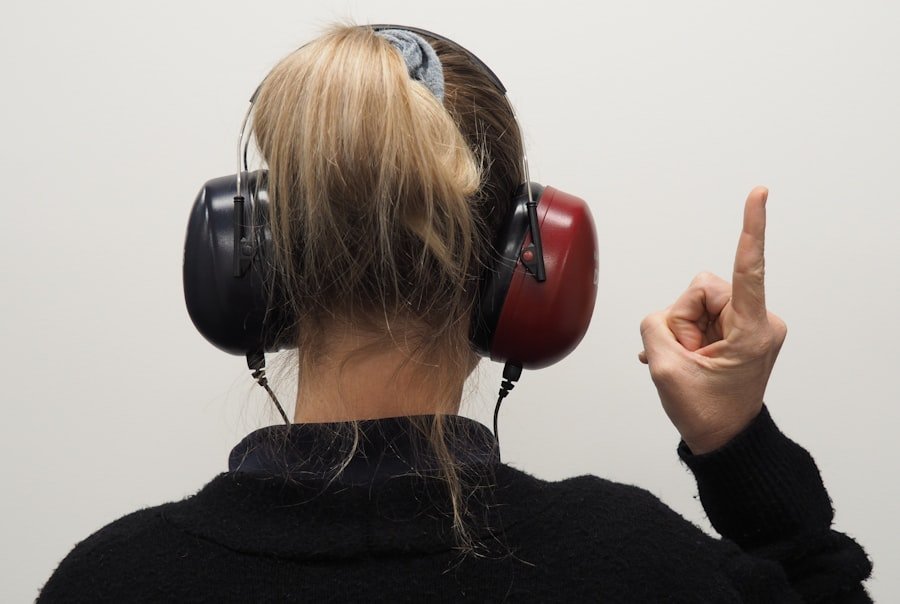
When direct medical intervention for the acoustic neuroma isn’t feasible or when symptoms persist, sound therapies become a cornerstone of tinnitus management. The principle here is to use external sounds to help your brain habituate to or mask the internal tinnitus sound.
Tinnitus Masking Devices
These devices generate a soothing or neutral sound that is delivered through earpieces. The goal is to overlay the tinnitus, making it less noticeable and intrusive.
- Types of Maskers:
- White Noise Generators: Produce a broad spectrum of frequencies, often described as a “shushing” sound.
- Nature Sound Generators: Offer sounds like ocean waves, rain, or gentle streams, which many find more pleasant.
- Tinnitus-Specific Sound Generators: These may offer more customized soundscapes designed to be similar to one’s specific tinnitus pitch and pattern.
- How They Work: By introducing an external sound that is at a comfortable listening level, your brain can focus on the external sound rather than the internal tinnitus. This is not about eliminating the tinnitus, but about making it less prominent.
- Customization is Key: The effectiveness of masking often depends on finding the right type of sound and the right volume. Too loud, and it can be irritating. Too soft, and it won’t be effective. This often requires experimentation.
Sound Enrichment and Environmental Sound
This involves consciously incorporating sounds into your environment to combat the silence that can make tinnitus feel more prominent.
- Low-Level Background Noise: Having a fan on, soft music playing, or the television at a low volume in the background, especially in quiet environments like your bedroom, can be very helpful.
- During Sleep: This is particularly crucial for sleep. A quiet room often amplifies tinnitus, leading to frustration and insomnia.
- While Working: If you work in a quiet office or home setting, ambient sound can significantly improve focus and reduce the perceived intensity of your tinnitus.
- Mindful Listening: This is about actively engaging with surrounding sounds. Instead of ignoring your environment, consciously tune into the sounds around you.
- Appreciating Neutral Sounds: This practice can help train your brain to find comfort and distraction in everyday sounds, shifting focus away from the tinnitus.
Tinnitus Retraining Therapy (TRT)
TRT is a more structured approach that combines directive counseling with sound therapy. It aims to help your brain habituate to the tinnitus, meaning it eventually learns to perceive it as a neutral, unimportant sound.
- Phase 1: Directive Counseling: The first step involves a thorough explanation from a trained therapist about the nature of tinnitus and how it’s perceived. This demystifies the condition and reduces the fear and anxiety associated with it.
- Understanding the Mechanism: You learn that tinnitus, especially in the context of acoustic neuroma, is often a neurological phenomenon rather than a sign of further damage.
- Breaking the Cycle of Reactivity: By understanding the cause and management strategies, you can begin to break the negative cycle of reactivity that often amplifies tinnitus.
- Phase 2: Sound Enrichment: This involves the use of sound generators that produce low-level, neutral background noise. The goal is to provide a continuous, unobtrusive sound that helps the brain habituate.
- Gradual Desensitization: The sounds are typically worn for several hours each day, and the volume is kept low. Over time, the brain learns to ignore the tinnitus and the external sound.
- Long-Term Goal: The ultimate goal of TRT is for the tinnitus to recede into the background of your awareness, becoming a non-issue in your daily life.
TRT requires commitment and patience but has shown significant success for many individuals struggling with chronic tinnitus.
4. Cognitive Behavioral Therapies (CBT) and Psychological Support
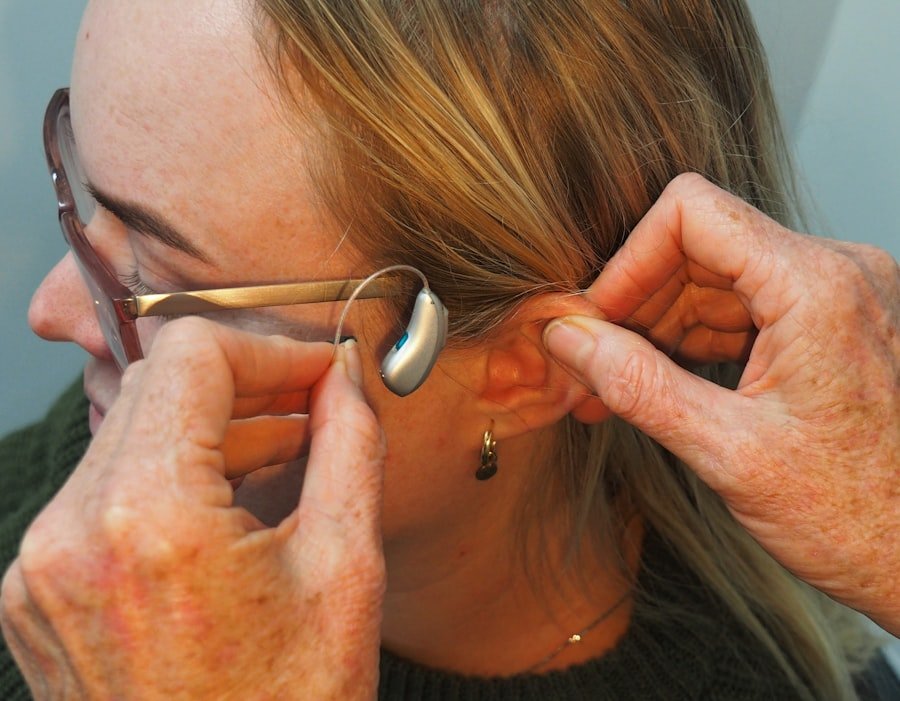
Tinnitus is not just an auditory experience; it’s a profoundly emotional and psychological one. The constant presence of an unwanted sound can trigger stress, anxiety, and even depression, creating a vicious cycle where these negative emotions can actually make the tinnitus feel worse. Cognitive Behavioral Therapy (CBT) and other psychological support strategies are therefore vital components of a holistic approach.
Cognitive Behavioral Therapy for Tinnitus
CBT is a form of psychotherapy that helps you identify and change negative thought patterns and behaviors. In the context of tinnitus and acoustic neuroma, it focuses on how you perceive and react to your tinnitus.
- Challenging Negative Thoughts: You’ll learn to recognize thoughts like “My tinnitus is getting worse,” “This is unbearable,” or “No one understands” as unhelpful and often inaccurate. The therapist will help you develop more balanced and realistic perspectives.
- Focus on Control: CBT helps you shift from feeling powerless over your tinnitus to recognizing areas where you do have control, particularly over your reactions.
- Cognitive Restructuring: This involves systematically questioning and reframing negative thoughts about your tinnitus.
- Behavioral Strategies: CBT also incorporates behavioral changes aimed at reducing avoidance and increasing engagement with life despite the tinnitus.
- Relaxation Techniques: Learning progressive muscle relaxation, deep breathing exercises, and mindfulness can help reduce the physiological stress response associated with tinnitus.
- Sleep Hygiene: Addressing sleep disturbances is a critical aspect, as poor sleep often exacerbates tinnitus. CBT can provide strategies for improving sleep quality.
- Activity Pacing: Avoiding complete rest, which can make tinnitus more noticeable, and engaging in structured, enjoyable activities is encouraged.
Mindfulness-Based Stress Reduction (MBSR)
MBSR is a structured program that teaches you how to cultivate present-moment awareness without judgment. It’s particularly effective for managing the stress and anxiety that often accompany chronic conditions like tinnitus.
- Cultivating Non-Judgmental Awareness: The core of MBSR is learning to observe your thoughts, feelings, and bodily sensations – including tinnitus – without labeling them as “good” or “bad.”
- Acceptance, Not Resignation: This is about accepting the presence of tinnitus without necessarily liking it, which can significantly reduce the struggle and suffering associated with it.
- Shifting Focus: By practicing mindfulness, you can train your brain to gently redirect attention away from the tinnitus when it becomes intrusive.
- Formal and Informal Practice: MBSR involves formal meditation practices (like body scans and mindful breathing) as well as informal practices integrated into daily life.
Support Groups and Counseling
Connecting with other individuals who understand your experience can be incredibly validating and empowering.
- Peer Support: Acoustic neuroma support groups, both online and in-person, offer a safe space to share experiences, coping strategies, and emotional support. Hearing that you are not alone in your struggles can be immensely comforting.
- Learning from Others: You can gain practical tips and insights from individuals who have successfully navigated similar challenges.
- Individual Counseling: A therapist specializing in chronic illness or audiology can provide personalized support, helping you process the emotional impact of acoustic neuroma and tinnitus.
- Addressing Grief and Loss: Dealing with a serious diagnosis and its associated symptoms can involve feelings of grief and loss, which a counselor can help you work through.
These psychological approaches are not about “curing” the tinnitus but about changing your relationship with it, making it a more manageable and less distressing part of your life.
5. Lifestyle Modifications and Home-Based Strategies
| Treatment Type | Success Rate | Side Effects |
|---|---|---|
| Steroids | 60% | Weight gain, mood changes |
| Hearing Aids | 70% | Discomfort, feedback |
| Tinnitus Retraining Therapy | 80% | Time-consuming, expensive |
Beyond formal therapies, incorporating certain lifestyle changes and utilizing strategies in your everyday environment can make a significant difference in managing your tinnitus. These are often simple, accessible, and can be integrated seamlessly into your routine.
Dietary Considerations and Supplements
While there’s no universal “tinnitus diet,” some individuals find that certain dietary choices and supplements can impact their symptoms. It’s crucial to discuss any significant dietary changes or supplement use with your doctor.
- Caffeine and Alcohol: For some, caffeine and alcohol can exacerbate tinnitus. Reducing your intake or eliminating them entirely might be beneficial.
- Stimulant Effects: Caffeine is a stimulant and can increase overall alertness, which might make tinnitus more noticeable.
- Vasodilation: Alcohol, in some individuals, can cause vasodilation, potentially affecting blood flow and enhancing tinnitus perception.
- Sodium Intake: High sodium intake can affect blood pressure and fluid balance, which might, in turn, influence tinnitus for some. Maintaining a balanced, healthy diet low in processed foods is generally recommended for overall well-being.
- Magnesium: Some studies suggest that magnesium deficiency might be linked to tinnitus. Ensuring adequate magnesium intake through foods like leafy greens, nuts, and seeds, or discussing supplementation with your doctor, could be considered.
- B Vitamins (especially B12): Deficiencies in certain B vitamins have been observed in some individuals with tinnitus. Your doctor can test for deficiencies and recommend appropriate supplementation if necessary.
- Ginkgo Biloba: This herbal supplement is often discussed for tinnitus. While evidence is mixed, some people report mild benefits. It’s crucial to consult your doctor before taking Ginkgo, as it can interact with certain medications, particularly blood thinners.
Stress Management and Relaxation Techniques
As discussed with CBT, stress is a major tinnitus trigger. Proactively managing your stress levels is paramount.
- Regular Exercise: Physical activity is a powerful stress reliever. Aim for moderate exercise that you enjoy, such as walking, swimming, or yoga.
- Endorphin Release: Exercise releases endorphins, which have mood-boosting and pain-relieving effects.
- Improved Sleep: Regular physical activity also contributes to better sleep, which is often disrupted by tinnitus.
- Adequate Sleep Hygiene: Prioritizing sleep is non-negotiable.
- Consistent Sleep Schedule: Go to bed and wake up around the same time each day, even on weekends.
- Create a Sleep Sanctuary: Ensure your bedroom is dark, quiet (or use white noise), and cool.
- Limit Screen Time Before Bed: The blue light emitted from electronic devices can interfere with melatonin production.
- Mindfulness and Meditation: As mentioned earlier, these practices are excellent for calming the nervous system and reducing reactivity to tinnitus. Even a few minutes a day can make a difference.
Protecting Your Hearing
While acoustic neuroma affects the auditory nerve, protecting your remaining hearing is crucial, especially if you are undergoing treatment or experiencing tinnitus.
- Avoid Loud Noises: Exposure to loud noises can exacerbate tinnitus and potentially cause further damage to the auditory system.
- Concert venues, construction sites, and using loud machinery: Wear hearing protection (earplugs or earmuffs) in these situations.
- Personal listening devices: Keep the volume at a safe level, ideally below 60% of the maximum volume, and limit listening time.
- Monitor Fluctuations: Pay attention to how different environmental sounds affect your tinnitus. Some sounds may be more irritating than others. You may find it helpful to avoid or modify exposure to these triggers.
Creating a Tinnitus-Friendly Environment
Simple adjustments around your home can significantly improve your comfort level.
- Noise Generators: As discussed in sound therapies, having a bedside white noise machine or a sound app on your phone can be invaluable for sleep.
- Soundproof Measures: If possible, consider improving the soundproofing of your bedroom or workspace with heavier curtains, rugs, or acoustic panels.
- Minimizing Silence: In particularly quiet moments, having a subtle background sound can offer relief. This could be a quiet fan, a nature sounds app, or calming instrumental music.
By embracing these lifestyle modifications and home-based strategies, you are taking proactive steps to manage your tinnitus and improve your overall well-being as you navigate your acoustic neuroma journey. Remember, consistency and patience are key.
6. Emerging Therapies and Future Directions in Tinnitus Treatment
The landscape of medical research is constantly evolving, and for conditions like tinnitus associated with acoustic neuroma, there’s a growing focus on innovative and personalized treatment approaches. While many of these are still in experimental stages or have limited widespread availability, they offer hope for more targeted and effective relief in the future.
Neuromodulation Techniques
These therapies aim to alter the activity of specific neural pathways in the brain that are thought to be involved in tinnitus generation.
- Transcranial Magnetic Stimulation (TMS): TMS uses magnetic pulses to stimulate or inhibit specific areas of the brain.
- Targeting Auditory Cortex: Research is exploring the use of TMS to down-regulate the overactive areas of the auditory cortex that may be contributing to tinnitus.
- Variable Efficacy: While promising, the effectiveness of TMS for tinnitus can vary, and the optimal protocols are still being refined.
- Transcranial Direct Current Stimulation (tDCS): Similar to TMS, tDCS uses a weak electrical current applied to the scalp to modulate brain activity.
- Lower Intensity: tDCS is generally considered less invasive than TMS.
- Potential for Tinnitus Reduction: Studies are investigating its efficacy in reducing tinnitus loudness and perception.
Drug Therapies Under Investigation
While there’s no current FDA-approved medication specifically to cure tinnitus, researchers are exploring various pharmacological avenues.
- Targeting Neurotransmitters: Some experimental drugs aim to modulate the levels of neurotransmitters like glutamate, which plays a role in neural excitation and may be involved in tinnitus.
- Anti-inflammatory Agents: Given that inflammation can sometimes contribute to tinnitus, drugs with anti-inflammatory properties are also being explored.
- Nerve Growth Factors: Research into factors that can promote nerve repair or resilience is ongoing, though this is a more long-term prospect.
It’s important to note that these drug therapies are typically available only within clinical trial settings at present.
Biofeedback and Neurofeedback
These techniques empower individuals to gain conscious control over physiological processes that are often involuntary, such as muscle tension or heart rate, and in neurofeedback, brainwave activity.
- Muscle Relaxation: Biofeedback can help you learn to consciously relax muscles that may be contributing to tinnitus, such as those in the jaw or neck.
- Brainwave Training: Neurofeedback involves monitoring your brainwave patterns and providing real-time feedback, allowing you to learn to shift towards patterns associated with relaxation and focus.
- Potential for Re-training Neural Pathways: The hope is that by guiding brainwave activity, you can help re-train neural pathways that are contributing to tinnitus.
Future of Personalized Tinnitus Treatment
As our understanding of the intricate mechanisms behind tinnitus, especially in the context of specific conditions like acoustic neuroma, deepens, the future of treatment lies in personalization.
- Biomarker Identification: Researchers are working to identify biomarkers that can predict who will benefit most from specific treatments. This could involve genetic factors, neuroimaging findings, or specific characteristics of the tinnitus itself.
- Combination Therapies: The most effective treatments may involve a combination of approaches tailored to an individual’s unique needs and the specific characteristics of their acoustic neuroma and tinnitus. This could include a blend of sound therapy, CBT, and perhaps a targeted neuromodulation technique.
- Technological Advancements: Wearable technology and sophisticated algorithms will likely play an increasing role in monitoring symptoms, delivering personalized sound therapies, and providing real-time feedback.
While these emerging therapies may not be readily available for everyone today, staying informed about ongoing research is crucial. You can discuss these possibilities with your healthcare team, who can guide you on any relevant clinical trials or emerging treatment options that might be suitable for your specific situation. Your journey with tinnitus is one of ongoing management and research, and advancements continue to offer new avenues for hope and relief.
FAQs
What is acoustic neuroma?
Acoustic neuroma, also known as vestibular schwannoma, is a non-cancerous tumor that develops on the main nerve leading from the inner ear to the brain.
What is tinnitus?
Tinnitus is the perception of noise or ringing in the ears when no external sound is present. It is a common symptom for patients with acoustic neuroma.
What are the treatment options for tinnitus in acoustic neuroma patients?
Treatment options for tinnitus in acoustic neuroma patients may include hearing aids, sound therapy, cognitive behavioral therapy, and in some cases, surgical intervention.
How effective are these treatments for tinnitus in acoustic neuroma patients?
The effectiveness of tinnitus treatments for acoustic neuroma patients can vary from person to person. Some patients may experience significant relief from their symptoms, while others may find minimal improvement.
Are there any potential risks or side effects associated with tinnitus treatments for acoustic neuroma patients?
Potential risks and side effects of tinnitus treatments for acoustic neuroma patients may include discomfort from wearing hearing aids, temporary worsening of tinnitus with sound therapy, and surgical risks for those who undergo invasive procedures. It is important for patients to discuss these potential risks with their healthcare provider.