
If you’ve ever dealt with the nuisance of ingrown hair, you know that it can be quite irritating and uncomfortable. But fear not, because in this article, you’ll find some helpful tips on how to effectively treat ingrown hair. Whether you’re prone to ingrown hair or looking for preventive measures, these tips will have you saying goodbye to those pesky bumps and hello to smooth, bump-free skin. So let’s get started and take the first step towards winning the battle against ingrown hair.
Understanding Ingrown Hair
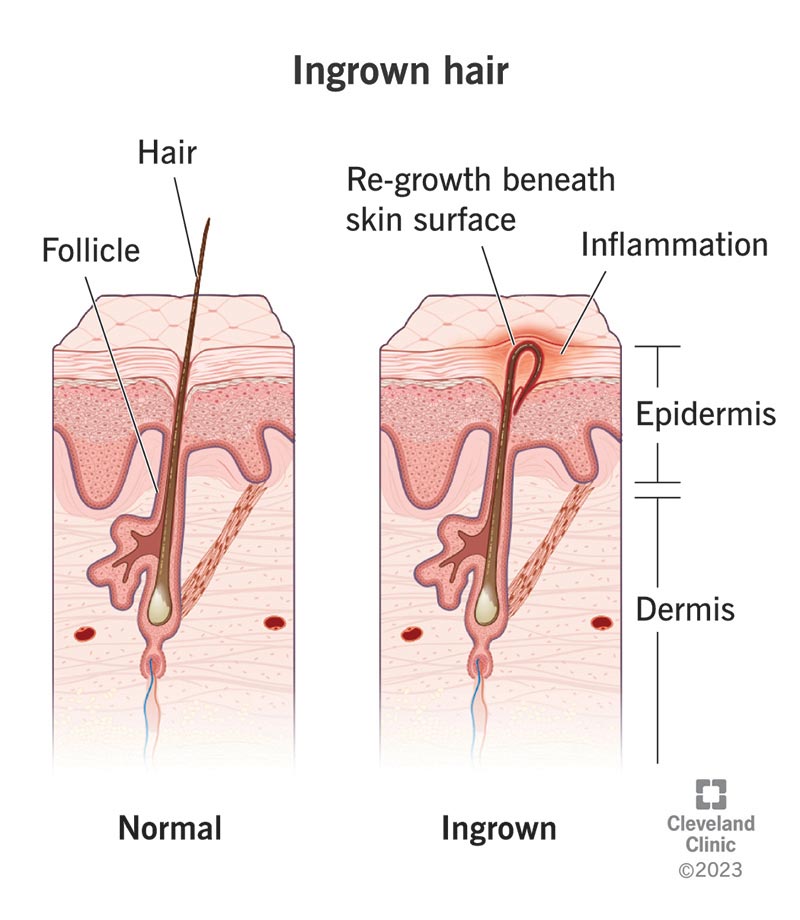
Ingrown hair is a common condition that occurs when hair curls back or grows sideways into the skin, rather than out of the hair follicle. This can result in red, inflamed bumps that can be itchy and uncomfortable. Ingrown hair most commonly affects areas where hair removal methods, such as shaving or waxing, are used.
What is Ingrown Hair?
Ingrown hair occurs when the hair follicle becomes blocked or damaged, causing the hair to grow in an abnormal direction. Instead of growing straight out of the follicle, the hair grows underneath the skin’s surface, resulting in a bump or pimple-like appearance. Ingrown hair can happen to anyone, regardless of their hair type or ethnicity, although it is more common in people with curly or coarse hair.

Causes of Ingrown Hair
The main cause of ingrown hair is improper hair removal techniques, such as shaving too closely or pulling the hair out at an angle. When the hair follicle is damaged, it can become blocked by dead skin cells or debris, preventing the hair from growing out properly. Other factors that can contribute to ingrown hair include wearing tight clothing that rubs against the skin, using harsh chemical products, or having excess oil or sweat on the skin.
Risk Factors for Ingrown Hair
Certain factors can increase the likelihood of developing ingrown hair. People with curly or coarse hair are more prone to ingrown hair because the hair is more likely to curl back into the skin. Additionally, individuals who have a lot of hair follicles in a small area, such as the bikini line or beard area, may be more susceptible. Those who have a history of ingrown hair or who have a family history of the condition are also at higher risk.

Identifying Ingrown Hair
Ingrown hair can be easily identified by its appearance. It often presents as a small, red or pink bump on the skin’s surface. In some cases, there may be a visible hair trapped beneath the bump. The area around the ingrown hair may feel tender or itchy, and if the hair becomes infected, it can develop into a larger, pus-filled bump. Ingrown hair can occur anywhere on the body but is most commonly found in areas that are frequently shaved or waxed, such as the face, legs, underarms, and bikini area.
Prevention Techniques
Although ingrown hair can be bothersome, there are measures you can take to prevent their occurrence. By following these prevention techniques, you can reduce the risk of developing ingrown hair and keep your skin looking and feeling its best.
Exfoliating the Skin Regularly
Regular exfoliation helps to remove dead skin cells and prevent them from clogging the hair follicles. Use a gentle scrub or exfoliating brush to buff away dead skin cells, focusing on areas that are prone to ingrown hair. Be sure not to scrub too vigorously, as this can irritate the skin and exacerbate the problem.
Keeping the Skin Moisturized
Dry skin can contribute to the development of ingrown hair. By keeping the skin moisturized, you can help to soften the hair follicles and prevent them from becoming blocked. Use a moisturizer that is non-comedogenic, meaning it won’t clog the pores, and apply it daily to the affected areas.
Shaving Properly
Proper shaving techniques can make a world of difference when it comes to preventing ingrown hair. Make sure to use a sharp, clean razor to minimize irritation, and shave in the direction that the hair grows. Avoid pulling the skin taut while shaving, as this can lead to ingrown hair. Lastly, be sure to replace your razor blades regularly to ensure a clean, smooth shave.
Avoiding Tight Clothing
Wearing tight-fitting clothing can increase friction against the skin, leading to irritation and ingrown hair. Opt for loose-fitting clothing made of breathable fabrics that allow air circulation. This will help to prevent sweat and oil buildup on the skin and reduce the risk of ingrown hair.
Using a Sharp Razor
Using a dull razor can increase the chances of developing ingrown hair. A dull blade can pull on the hair rather than cutting it cleanly, causing it to break or become stuck beneath the skin’s surface. Always use a sharp razor when shaving to ensure a clean, smooth cut.

Home Remedies for Ingrown Hair
While prevention techniques are important, if you do develop an ingrown hair, there are several home remedies that can help alleviate the discomfort and promote healing. These remedies are safe and natural alternatives to over-the-counter or medical treatments.
Warm Compress
Applying a warm compress to the affected area can help soothe inflammation and encourage the hair to come to the surface. Simply soak a clean washcloth in warm water, wring out the excess moisture, and apply it to the ingrown hair for 10-15 minutes. Repeat this process several times a day to speed up healing.
Tea Tree Oil
Tea tree oil has antibacterial and anti-inflammatory properties that can help reduce redness, inflammation, and the risk of infection associated with ingrown hair. Dilute a few drops of tea tree oil with a carrier oil, such as coconut oil, and apply it to the affected area using a cotton ball or swab. Repeat this process twice daily until the ingrown hair resolves.
Aloe Vera
Aloe vera gel is known for its soothing and healing properties, making it an excellent natural remedy for ingrown hair. Apply fresh or store-bought aloe vera gel to the affected area and leave it on for 15-20 minutes before rinsing off with cool water. Repeat this process several times a day for relief from inflammation and irritation.
Baking Soda
Baking soda has exfoliating properties that can help loosen the ingrown hair and remove dead skin cells. Mix equal parts of baking soda and water to form a paste and apply it to the affected area. Gently massage the paste in circular motions for a few minutes before rinsing off with warm water. Repeat this process 2-3 times a week for best results.
Hydrocortisone Cream
Over-the-counter hydrocortisone cream can help reduce inflammation and itching associated with ingrown hair. Apply a thin layer of hydrocortisone cream to the affected area and massage it in until fully absorbed. Use this cream as directed on the packaging, and do not exceed the recommended usage.
Over-the-Counter Treatments
If home remedies are not providing relief or the ingrown hair persists, there are over-the-counter treatments available that can help reduce inflammation and promote healing.
Topical Creams
There are various topical creams specifically formulated to treat ingrown hair. These creams often contain ingredients such as salicylic acid, glycolic acid, or retinoids, which help to exfoliate the skin and release trapped hair. Apply the cream to the affected area according to the package instructions.
Salicylic Acid Pads
Salicylic acid pads are convenient and effective at exfoliating the skin and preventing ingrown hair. Gently swipe the pad over the affected area daily, focusing on areas prone to ingrown hair. Avoid using salicylic acid pads on broken or irritated skin.
Alcohol-Based Solutions
Alcohol-based solutions, such as witch hazel or hydrogen peroxide, can help disinfect the skin and reduce inflammation associated with ingrown hair. Apply a small amount of the solution to a cotton ball and dab it onto the affected area. Use with caution, as alcohol-based solutions can be drying and may cause irritation in some individuals.
Retinoids
Retinoids are derived from vitamin A and are commonly used to treat various skin conditions, including acne. They help to exfoliate the skin and prevent the formation of ingrown hair. Apply a thin layer of retinoid cream to the affected area, taking care to avoid any broken or irritated skin. Follow the package instructions for best results.
Antibiotics
In cases where ingrown hair becomes infected, a doctor may prescribe topical or oral antibiotics to help clear the infection. These should only be used under the guidance of a healthcare professional.

Medical Procedures
If home remedies and over-the-counter treatments are not effective, there are several medical procedures that can be performed to treat more severe or persistent cases of ingrown hair.
Extraction
In cases where the ingrown hair is deeply rooted and can’t be easily removed, a healthcare professional can perform a small procedure to extract the hair. This involves making a small incision in the skin and using sterile tools to remove the hair. This procedure should only be done by a trained professional to minimize the risk of infection and scarring.
Chemical Peels
Chemical peels are a more aggressive treatment option for ingrown hair. A solution containing chemical exfoliants, such as alpha hydroxy acids (AHAs) or salicylic acid, is applied to the skin to remove the outer layers and promote the growth of new, healthy skin. Chemical peels should only be performed by trained professionals, as they can cause skin irritation and require proper aftercare.
Laser Hair Removal
Laser hair removal is a popular and effective long-term solution for ingrown hair. This procedure involves using a concentrated beam of light to destroy the hair follicles, preventing further hair growth and reducing the risk of ingrown hair. Laser hair removal should be performed by a licensed professional and may require multiple sessions for optimal results.
Corticosteroid Injections
In some cases, ingrown hair can become severely inflamed, leading to the formation of painful, cyst-like bumps. Corticosteroid injections can help reduce the inflammation and promote healing. These injections should only be administered by a healthcare professional and may require more than one session.
Electrolysis
Electrolysis is another permanent hair removal method that can effectively treat ingrown hair. This procedure involves inserting a small probe into the hair follicle and applying a mild electric current to destroy the hair follicle. Electrolysis should be performed by a trained professional and may require multiple sessions for complete hair removal.
Dealing with Ingrown Hair Complications
While most cases of ingrown hair resolve on their own or with basic home care, there can be complications that require medical attention.
Infection
If the ingrown hair becomes infected, it can lead to the formation of pus-filled bumps or abscesses. Signs of infection include increased redness, warmth, and pain in the affected area. If you suspect an infection, it is important to see a healthcare professional who can provide appropriate treatment, such as antibiotics.
Hyperpigmentation
Hyperpigmentation refers to the darkening of the skin around the ingrown hair, which can occur as a result of inflammation. This discoloration can be temporary or long-lasting, depending on the severity of the inflammation. Applying sunscreen and avoiding sun exposure can help prevent hyperpigmentation from worsening.
Post-inflammatory Hyperpigmentation
Post-inflammatory hyperpigmentation occurs when the skin produces too much melanin in response to inflammation. This can lead to darker patches or spots on the skin, which can take weeks or months to fade. Using gentle exfoliation techniques and applying topical treatments, such as hydroquinone or kojic acid, can help lighten the affected areas over time.
Scarring
In some cases, ingrown hair can cause scarring, especially if the bumps are repeatedly picked or scratched. To prevent scarring, avoid picking at the bumps and keep the area clean and moisturized. If scarring does occur, various treatment options, such as laser resurfacing or dermal fillers, may be available to reduce their appearance.
Folliculitis
Folliculitis is a common complication of ingrown hair that occurs when the hair follicles become infected. It can result in red, inflamed bumps that resemble pimples or small boils. Avoid scratching or picking at the bumps, as this can worsen the infection. If folliculitis persists or becomes severe, see a healthcare professional who can provide appropriate treatment, such as topical or oral antibiotics.
When to See a Doctor
While most cases of ingrown hair can be effectively treated at home, there are instances where it is important to seek medical attention.
Persistent or Severe Symptoms
If the ingrown hair does not improve or becomes increasingly painful, swollen, or infected, it is important to see a healthcare professional. They can assess the situation and provide appropriate treatment, such as antibiotics or drainage of an abscess if necessary.
Signs of Infection
If you notice signs of infection, such as increasing redness, warmth, swelling, or the formation of pus, it is crucial to seek medical attention promptly. Infections can worsen if left untreated and may require antibiotics or other medical interventions.
Symptoms of an Allergic Reaction
If you develop hives, rash, itching, or difficulty breathing after using home remedies or over-the-counter treatments, you may be experiencing an allergic reaction. Stop using the product immediately and seek medical attention if the symptoms worsen or persist.
Development of Cysts or Abscesses
If the ingrown hair progresses to the development of cysts or abscesses, it is best to consult with a healthcare professional. These may require medical intervention, such as draining the abscess or prescribing antibiotics.
Concerns about Scarring
If you are concerned about scarring from ingrown hair or if scarring is already present, a dermatologist can provide guidance on treatment options, such as laser resurfacing or chemical peels, that may help reduce the appearance of scars.
Tips for Preventing Ingrown Hair Scars
While complete prevention of ingrown hair scars may not always be possible, there are steps you can take to minimize their risk and promote healing.
Avoid Picking or Scratching
Picking or scratching at ingrown hair bumps can increase the risk of infection and scarring. It is important to resist the temptation to pick at the bumps and allow them to heal naturally.
Keep the Area Clean
Keeping the affected area clean is crucial for preventing infection and promoting healing. Gently wash the area with a mild cleanser and warm water, pat dry with a clean towel, and avoid using harsh or abrasive products that can irritate the skin.
Moisturize Regularly
Dry skin can exacerbate the symptoms of ingrown hair and increase the risk of scarring. Apply a gentle, non-comedogenic moisturizer to the affected area daily to keep the skin hydrated and promote healing.
Use Silicone Gel Sheets
Silicone gel sheets are a popular treatment option for reducing the appearance of scars. These sheets adhere to the skin and create a protective barrier that helps to flatten and fade scars over time. Follow the package instructions for proper usage.
Consider Scar Creams
There are various scar creams available over the counter that can help reduce the appearance of scars. Look for creams containing ingredients such as vitamin E, aloe vera, or onion extract, which have been shown to promote scar healing. Use as directed on the packaging and be patient, as it may take several weeks or months to see results.
Lifestyle Changes to Prevent Ingrown Hair
In addition to the prevention techniques mentioned earlier, there are several lifestyle changes that can help reduce the risk of ingrown hair.
Wearing Loose-Fitting Clothing
Tight clothing can contribute to the development of ingrown hair by causing friction and irritation against the skin. Opt for loose-fitting clothing made of breathable fabrics that allow air circulation. This will help prevent sweat and oil buildup on the skin and reduce the risk of ingrown hair.
Avoiding Irritating Products
Products containing harsh chemicals or fragrances can irritate the skin and increase the risk of ingrown hair. Choose gentle, non-comedogenic products that are specifically formulated for sensitive skin.
Using Natural Hair Removal Methods
Some hair removal methods, such as waxing or sugaring, can minimize the risk of ingrown hair compared to shaving. These methods remove the hair from the root, reducing the likelihood of it growing back into the skin. However, it is important to ensure that these methods are performed correctly to avoid skin damage.
Avoiding Shaving Completely
For those who are prone to frequent ingrown hair or have sensitive skin, avoiding shaving altogether may be the best option. Embracing natural hair growth can help prevent irritation and minimize the risk of ingrown hair.
Temporary Hair Removal Methods
If you prefer to remove hair temporarily, consider using depilatory creams or electric shavers instead of traditional razors. These methods remove hair from the surface of the skin, reducing the risk of ingrown hair.
Final Thoughts
Ingrown hair can be a frustrating and uncomfortable condition, but with proper prevention techniques and appropriate treatment, it can be managed effectively. By following the tips mentioned in this article, you can reduce the risk of ingrown hair and promote healthy, smooth skin. Remember, if you have persistent or severe symptoms, or if you are concerned about scarring or infection, it is important to seek medical attention for proper diagnosis and treatment.