
Are you a nursing professional seeking valuable insights into caring for patients with endocrine system disorders? Look no further! In this article, we will explore the top nursing considerations and management techniques that are crucial when dealing with these complex conditions. From understanding the unique needs of each patient to implementing effective treatment plans, this guide will equip you with the knowledge and skills necessary to provide exceptional care. So, let’s dive in and discover the key nursing considerations for endocrine system disorders.

Assessment and Diagnosis
The first step in providing effective care for patients with endocrine system disorders is to accurately assess and diagnose their condition. This involves identifying the symptoms that are indicative of an endocrine system disorder. Common symptoms may include fatigue, weight loss or gain, changes in appetite, dry skin, frequent urination, and changes in menstrual cycles. By recognizing these symptoms, you will be able to determine if further examination is necessary.
Once you have identified these symptoms, the next step is to perform a thorough patient history and physical examination. During the patient history, you will gather information about the patient’s medical history, family history, and any current medications they are taking. It is important to pay attention to any past or current endocrine system disorders the patient may have had.
After obtaining the patient’s history, it is time to conduct a physical examination. This examination will involve carefully observing the patient’s physical appearance and noting any abnormalities. You will also perform specific tests such as checking blood pressure, heart rate, and body temperature. Additionally, you may need to palpate the patient’s thyroid gland or perform other specialized examinations depending on the suspected endocrine disorder.
To confirm a diagnosis and determine the severity of the condition, it may be necessary to order and interpret diagnostic tests. These tests may include blood tests, urine tests, imaging scans, or biopsies. By analyzing the results of these tests, you will be able to provide a more accurate diagnosis and develop an appropriate plan of care for the patient.
Medication Management
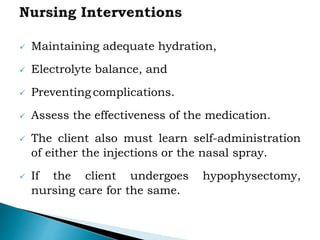
Understanding the different types of medications used to manage endocrine system disorders is crucial for providing effective care. As a nurse, it is important to familiarize yourself with the medications commonly prescribed for these disorders. Some common medications include hormone replacement therapy, insulin, thyroid medications, and anti-diabetic medications.
When administering medications, it is essential to do so safely and effectively. Pay close attention to the dosage, timing, and route of administration. It is also important to educate patients about the importance of taking their medications as prescribed and to address any concerns or questions they may have. Furthermore, be diligent in monitoring for medication side effects and complications. Some medications may cause adverse reactions or interact with other medications, so it is vital to document and report any observed reactions promptly.
Nutritional Considerations
Assessing a patient’s nutritional status is essential in managing endocrine system disorders. As a nurse, it is important to conduct a thorough assessment of the patient’s dietary habits, including any restrictions or cultural preferences. Collaborating with a dietitian can also be valuable in developing an appropriate meal plan for patients. The dietitian can provide expert guidance on the types of foods that can help manage specific endocrine disorders, such as low-sodium diets for patients with hypertension or a diabetic-friendly meal plan for patients with diabetes.
In addition to assessing the patient’s dietary needs, it is crucial to educate the patient about the importance of a balanced diet. Emphasize the significance of consuming a variety of nutrient-rich foods, including fruits, vegetables, whole grains, lean proteins, and healthy fats. Educate patients about the impact of their dietary choices on their overall health and help them understand how proper nutrition can support their endocrine system.
Exercise and Physical Activity
Regular exercise and physical activity play an integral role in managing endocrine system disorders. Encourage patients to engage in regular exercise that is appropriate for their condition. Tailor exercise plans to meet the specific needs and limitations of each patient, taking into consideration their age, overall health, and any comorbidities. For example, patients with diabetes may benefit from incorporating aerobic exercises and resistance training to help regulate blood sugar levels.
Educate patients about the benefits of exercise for managing their endocrine system disorder. Regular physical activity can help control weight, improve cardiovascular health, enhance insulin sensitivity, and boost overall mood and well-being. Discuss the importance of consistency and adherence to an exercise routine and work with patients to establish realistic goals and expectations. Additionally, provide guidance on how to exercise safely, such as starting slowly and gradually increasing intensity.
Patient Education
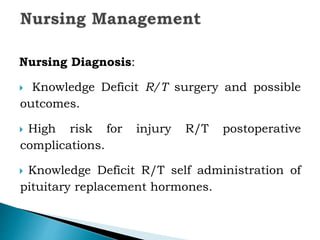
As a nurse, you play a crucial role in explaining a patient’s diagnosis and its implications. Taking the time to educate patients about their condition is essential in helping them understand and actively participate in their care. Use clear and simple language to explain the diagnosis, its causes, and the expected course of treatment. Be prepared to answer any questions or concerns the patient may have and promote open communication throughout the education process.
In addition to explaining the diagnosis, it is important to teach patients about the signs and symptoms they should watch for. Provide them with information on when to seek medical attention and when to report any changes or worsening of their condition. This empowers patients to take an active role in managing their health and can help prevent complications.
Providing resources for further education and support is also vital. Share reputable websites, educational materials, or support groups that patients can turn to for additional information or to connect with others who may be experiencing similar challenges. Encouraging patients to take advantage of these resources can further enhance their understanding and ability to manage their endocrine system disorder.
Monitoring and Documentation
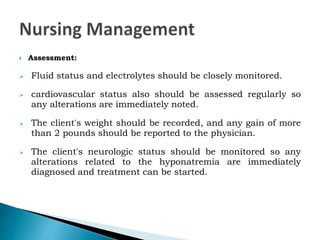
Regularly assessing the patient’s vital signs and specific indicators related to their endocrine disorder is essential for monitoring their condition and ensuring timely interventions. Pay close attention to blood pressure, heart rate, blood glucose levels, thyroid function tests, and any other relevant indicators. Document any changes in the patient’s condition and response to interventions accurately and promptly. This documentation provides valuable information for the healthcare team to evaluate the patient’s progress and make necessary adjustments to the care plan.
Maintaining open communication and collaboration with the healthcare team is imperative in ensuring optimal patient care. Regularly communicate any concerns or changes in the patient’s condition to the appropriate physicians and other healthcare professionals involved in the patient’s care. This collaboration promotes an interdisciplinary approach and ensures that all members of the healthcare team are informed and working together towards the same goal.
Psychosocial Support
Addressing the emotional and psychological impact of an endocrine system disorder is equally important as treating the physical symptoms. Patients with these conditions may experience anxiety, depression, body image issues, or feelings of isolation. As a nurse, it is crucial to provide psychosocial support to meet their emotional needs.
Take the time to establish a therapeutic nurse-patient relationship and create a safe and compassionate environment. Offer active listening, empathy, and emotional support. Provide patients with opportunities to express their concerns, fears, or frustrations. Encourage them to engage in self-care activities such as relaxation techniques, meditation, or journaling. Referring patients to counseling services, support groups, or other appropriate resources can also help address their psychological well-being and improve their overall quality of life.
Collaboration with Interdisciplinary Team
Collaborating with physicians and other healthcare professionals is critical in providing comprehensive care for patients with endocrine system disorders. Effective communication is essential in ensuring the coordination of care and promoting optimal patient outcomes. Maintain open lines of communication with physicians, nurse practitioners, dietitians, pharmacists, and any other professionals involved in the patient’s care.
Participating in multidisciplinary rounds and care conferences can provide valuable opportunities to discuss the patient’s progress, review care plans, and share input from different perspectives. Contribute to the development of comprehensive care plans by offering your nursing expertise and advocating for the patient’s needs. By working as a team, you can ensure that the patient receives well-rounded and holistic care.
Complications and Risk Management
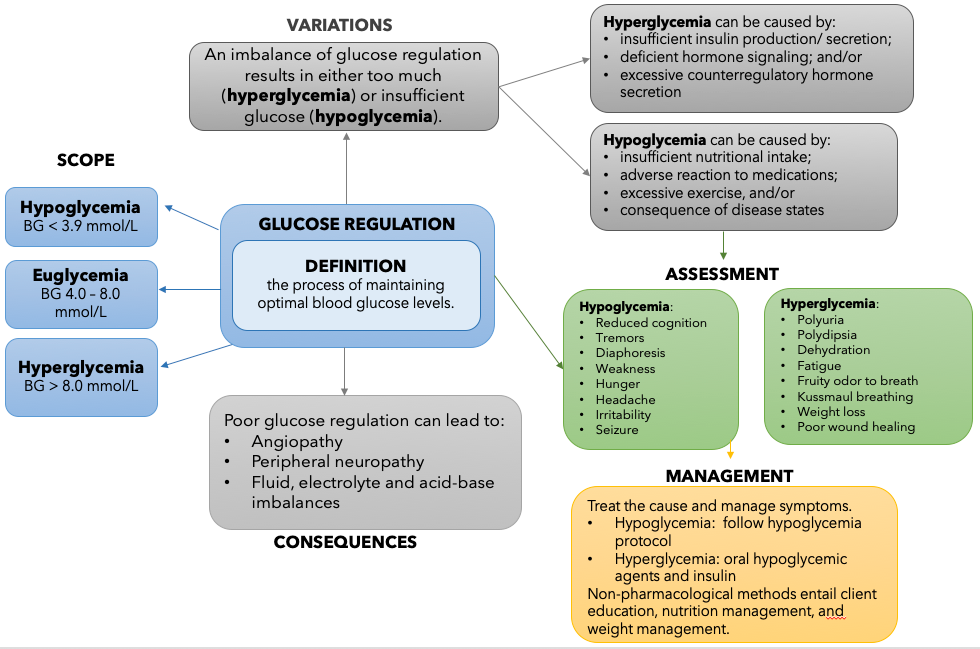
Identifying potential complications of endocrine system disorders is crucial in preventing further health complications. Some common complications may include hypoglycemia, hyperglycemia, diabetic ketoacidosis, thyroid dysfunction, or adrenal crisis. By recognizing the signs and symptoms of these complications early on, interventions can be implemented promptly to prevent further harm.
Implementing preventative measures is an essential nursing role in managing endocrine system disorders. Educate patients about self-care practices to minimize their risk of complications. This may include teaching proper glucose monitoring, injection techniques (for insulin), or medication management strategies. Instruct patients on the importance of regular follow-up appointments and routine screenings to detect any potential issues early on.
In the event of acute complications or emergencies, it is crucial to act swiftly and efficiently. Remain calm, assess the situation, and initiate appropriate interventions according to the patient’s condition and healthcare team protocols. Document the occurrence, actions taken, and the patient’s response meticulously to ensure accurate follow-up care.
Continuing Education and Evidence-Based Practice
Staying updated on the latest research and advancements in endocrine system disorders is essential for providing evidence-based nursing care. As a nurse, it is important to engage in continuing education and professional development opportunities to enhance your knowledge and skills.
Keep abreast of emerging research, guidelines, and best practices related to endocrine system disorders. Attend professional conferences, seminars, or workshops tailored to endocrine health or related specialties. Explore online resources, journals, and scholarly articles to stay informed. By staying up to date with evidence-based practice, you can ensure that your nursing interventions are based on the latest research and provide the best possible care for your patients.
Incorporating evidence-based practice into nursing care involves critically evaluating research findings and determining their relevance and applicability to individual patient situations. Continuously review and reflect on your practice to identify areas for improvement and make necessary adjustments.
In conclusion, nursing care for patients with endocrine system disorders requires a comprehensive approach that encompasses assessment and diagnosis, medication management, nutritional considerations, exercise and physical activity, patient education, monitoring and documentation, psychosocial support, collaboration with the interdisciplinary team, complications and risk management, and continuing education. By addressing each aspect of care, nurses can contribute to the overall well-being and improved outcomes of patients with endocrine system disorders.