
Fevers in children can be a cause for concern, but understanding how to properly treat them is crucial for their well-being. In this article, you will explore the best practices for treating fevers in children, including the recommended temperature threshold for seeking medical attention, effective home remedies, and when it may be necessary to consult a healthcare professional. With these valuable insights, you will feel more confident in ensuring the comfort and health of your little ones when fever strikes.
Introduction
In this comprehensive article, we will delve into the topic of fever in children. Fevers can be a cause for concern for parents, but they are actually a natural response of the body’s immune system to fight off infections. Understanding fever in children is crucial for parents to be able to provide appropriate care and make informed decisions. We will explore what a fever is, its causes, when it is considered high, why children get fevers more often than adults, common symptoms associated with fever, diagnostic procedures, when to seek medical attention, treating fever at home, natural remedies, prescribed medications, managing fever-related discomfort, preventive measures, and when a fever does not subside.
Understanding Fever in Children
What is a fever?
A fever is an increase in body temperature above the normal range, which is typically around 98.6°F (37°C). It is a sign that the body is fighting off an infection or inflammation. In children, a fever is usually indicative of an underlying illness but can also occur as a natural response to immunizations or teething.
Causes of fever
Fever in children can be caused by a variety of factors, including viral or bacterial infections such as the common cold, flu, or urinary tract infections. It can also be a result of inflammations, autoimmune disorders, or even certain medications. Identifying the underlying cause of the fever is important for determining the appropriate course of treatment.
When is a fever considered high?
A fever is commonly considered high when the body temperature exceeds 100.4°F (38°C). However, it is important to note that the height of a fever does not necessarily indicate the severity of an illness. Instead, it is the overall condition and symptoms of the child that should be taken into account when determining the seriousness of the fever.
Why do children get fevers more often than adults?
Children have more frequent fevers compared to adults due to their developing immune systems. Their immune response is still maturing, making them more susceptible to infections. Additionally, children often come into close contact with other children in school or daycare, increasing their exposure to various viruses and bacteria.
Common symptoms associated with fever
Fever in children is often accompanied by various symptoms, including sweating, chills, headache, muscle aches, fatigue, and decreased appetite. Some children may also experience irritability, restlessness, and difficulty sleeping. It is important to monitor these symptoms along with the fever to assess the overall well-being of the child.

Diagnostic Procedures for Fever
Taking a child’s temperature
Taking an accurate temperature reading is essential for proper evaluation of a child’s fever. There are several methods to measure temperature, including oral, rectal, axillary (armpit), and tympanic (ear) methods. It is important to choose a method that is appropriate for the child’s age and comfort level.
Different types of thermometers
There are various types of thermometers available on the market, each with its own advantages and disadvantages. Traditional mercury thermometers have been largely replaced by digital thermometers, which are safer and more convenient to use. Infrared thermometers, which measure temperature by scanning the forehead or ear, are also becoming increasingly popular due to their non-contact nature.
Accurate measurement techniques
To ensure accurate temperature measurement, it is important to follow proper techniques. For oral measurements, the child should keep the thermometer under the tongue for the required amount of time. Rectal measurements should be done gently with lubrication and caution. Axillary measurements require proper positioning and contact with the skin, while tympanic measurements should be done with the correct placement and insertion of the thermometer probe.
When to Seek Medical Attention
Signs of a serious illness
While most fevers in children are harmless and resolve on their own, there are certain signs that may indicate a more serious underlying illness. These include high fever persisting for more than a few days, severe headache, stiff neck, difficulty breathing, rash, persistent vomiting or diarrhea, or any other concerning symptoms. It is important to seek medical attention if any of these signs are present.
Fever in infants
Infants under the age of three months require special attention when they have a fever. Due to their immature immune systems, they are more vulnerable to serious infections. If an infant under three months old has a rectal temperature of 100.4°F (38°C) or higher, immediate medical evaluation is necessary.
Persistent high fever
If a child continues to have a high fever (greater than 102°F or 38.9°C) for more than a few days, it is advisable to seek medical attention. This may indicate a more serious infection or condition that requires medical intervention.
Fever accompanied by other concerning symptoms
If a child’s fever is accompanied by other concerning symptoms, such as severe headache, neck stiffness, breathing difficulties, or a rash, it is important to consult a healthcare professional. These symptoms may indicate an underlying infection or condition that requires medical evaluation.

Treating Fever at Home
Maintaining hydration
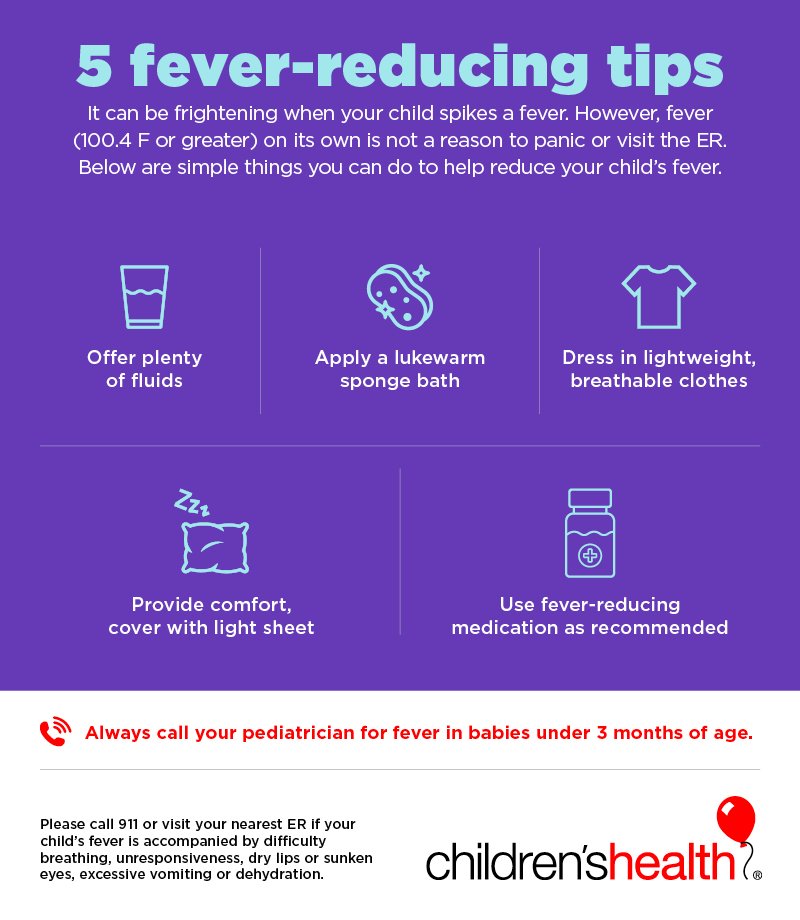
When a child has a fever, it is important to ensure they stay well-hydrated. Fever can lead to increased fluid loss through sweating, so encouraging fluids such as water, diluted fruit juice, or oral rehydration solutions can help prevent dehydration. Offer small and frequent sips to encourage intake.
Appropriate clothing and room temperature
Dress the child in lightweight clothing to allow for proper heat dissipation. It is also important to keep the room temperature comfortable and cool, as a hot environment can increase discomfort and the risk of dehydration. Use fans or air conditioning to create a comfortable setting.
Over-the-counter medications for fever reduction
Over-the-counter medications such as acetaminophen or ibuprofen can help reduce fever and alleviate discomfort in children. However, it is important to carefully follow the dosing guidelines based on the child’s age and weight. Always consult a healthcare professional for appropriate dosing and to ensure these medications are safe for the child.
Natural Remedies for Fever
Increased fluid intake
Encouraging increased fluid intake is essential during a fever. Offer water, clear broths, herbal teas, or diluted fruit juices to keep the child hydrated. Avoid sugary drinks, as they can exacerbate dehydration.
Use of a cool compress
Applying a cool compress to the child’s forehead, armpits, and groin can help reduce body temperature and provide relief. Use a clean cloth soaked in cool water and place it on the designated areas for a few minutes. Repeat as needed to maintain comfort.
Herbal remedies and supplements
Herbal remedies and supplements such as chamomile, elderberry, and echinacea may have potential benefits in supporting the immune system during a fever. However, it is important to consult a healthcare professional before administering any herbal remedies or supplements to children, as they may have potential side effects or interactions with other medications.

Prescribed Medications for Fever
Antipyretic medications
Antipyretic medications, such as acetaminophen and ibuprofen, are commonly used to reduce fever in children. These medications work by lowering body temperature and alleviating discomfort. However, they should be used under the guidance of a healthcare professional to ensure appropriate dosing and safety.
Dosing guidelines
When administering prescribed antipyretic medications, it is crucial to follow the dosing guidelines provided by the healthcare professional. The correct dosage is based on the child’s age, weight, and the specific medication being used. Taking too much or too little of the medication can be ineffective or even harmful.
Precautions and potential side effects
While antipyretic medications are generally safe when used correctly, they can have potential side effects. These may include allergic reactions, stomach upset, or liver toxicity in rare cases. It is important to follow the recommended dosage and consult a healthcare professional if any adverse effects occur.
Managing Fever-Related Discomfort
Rest and sleep
During a fever, it is important to prioritize rest and sleep to help the body recover. Encourage the child to take frequent naps and provide a calm and comfortable environment for sleep. Resting allows the immune system to work more efficiently and aids in the healing process.
Comfort measures for soothing the child
Comfort measures such as gentle massage, cuddling, and offering reassurance can help soothe a child during a fever. Making the child feel loved and secure can provide comfort and alleviate any anxiety or distress they may be experiencing.
Bathing techniques
If a child’s fever is causing discomfort, a lukewarm bath can help provide relief. Avoid using cold water, as it can cause shivering and potentially increase body temperature. Instead, use lukewarm water and gently sponge the child’s body to cool them down. Remember to dry them thoroughly and dress them in lightweight clothing afterwards.

Preventive Measures for Fever
Vaccinations
Receiving timely vaccinations is crucial in preventing certain infections that can cause fever in children. Follow the recommended vaccination schedule provided by healthcare professionals to ensure the child is protected against illnesses such as influenza, measles, and meningitis.
Proper hygiene practices
Encouraging and practicing good hygiene habits can help reduce the risk of infections that can lead to fever. Teach children to wash their hands frequently, especially before meals and after using the restroom. Covering the mouth and nose when coughing or sneezing, as well as avoiding close contact with sick individuals, can further minimize the spread of infections.
Avoiding exposure to infectious agents
Minimizing exposure to infectious agents can greatly reduce the risk of developing a fever. Avoid crowded places during outbreaks of contagious diseases, and teach children to stay away from individuals who are visibly ill. Practicing social distancing and maintaining proper hygiene practices are important in preventing the transmission of infections.
When Fever Does Not Subside
Possible underlying conditions
If a child’s fever does not subside despite home remedies and treatments, it may be indicative of an underlying condition that requires medical attention. Chronic infections, autoimmune disorders, or inflammatory conditions may be contributing to the persistent fever. It is important to consult a pediatrician for further evaluation and appropriate management.
When to consult a pediatrician
If a child’s fever persists for more than a few days, is accompanied by concerning symptoms, or is causing significant distress, it is advisable to consult a pediatrician. The healthcare professional will be able to assess the child’s condition, perform necessary tests, and provide appropriate guidance for further management.
Additional diagnostic tests
In cases of prolonged or recurrent fevers, additional diagnostic tests may be necessary to identify the underlying cause. Blood tests, imaging studies, or even a referral to a specialist may be required to further evaluate the child’s condition. These tests can help determine the most effective treatment approach and address any underlying medical issues.
Remember, as a parent, you are your child’s best advocate. Stay informed about fever in children, monitor your child’s symptoms closely, and seek medical assistance if needed. With proper care and attention, most fevers in children can be effectively managed, ensuring the well-being and comfort of your little one.