
In this article, you will discover a wealth of information about the various treatment options available for colorectal cancer. From surgery to radiation therapy, this comprehensive guide will provide you with insight into the diverse methods used to combat this type of cancer. Whether you’re searching for answers for yourself or a loved one, this article will shed light on the different approaches and help you make informed decisions. So, let’s begin this journey together and explore the wide range of treatment options for colorectal cancer.

Surgery
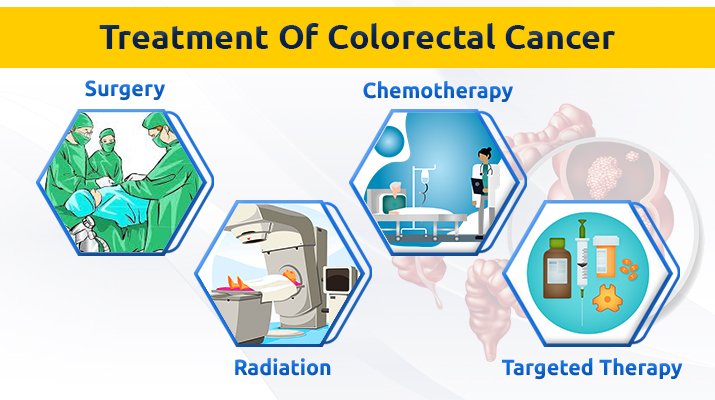
Surgery is often the primary treatment for colorectal cancer. It involves the removal of the tumor and nearby tissue. There are several types of surgeries that may be performed, depending on the location and stage of the cancer.
Primary Tumor Resection
Primary tumor resection is the removal of the main tumor. This surgery can be done through various approaches, such as open surgery or minimally invasive surgery. During the procedure, the surgeon will remove the tumor along with a margin of healthy tissue to ensure that all cancer cells are removed.
Lymph Node Retrieval
Lymph node retrieval is an important part of colorectal cancer surgery. The lymph nodes near the tumor are removed to check for the presence of cancer cells. This helps determine the stage of the cancer and guides further treatment decisions. Lymph node retrieval can be done during the same surgery as the primary tumor resection or as a separate procedure.
Colostomy or Ileostomy
In certain cases, depending on the location and extent of the tumor, a colostomy or ileostomy may be needed. These are procedures in which a portion of the colon or small intestine is brought to the surface of the abdomen, creating an opening called a stoma. Waste products can then pass through the stoma into a bag, which is attached to the abdomen. This procedure may be temporary or permanent, depending on the individual situation.
Minimally Invasive Surgery
Minimally invasive surgery, also known as laparoscopic or robotic surgery, is an alternative to traditional open surgery. It involves making smaller incisions and using specialized tools and a camera to perform the surgery. This approach can offer several benefits, including shorter hospital stays, quicker recovery, and reduced pain and scarring.
Radiation Therapy
Radiation therapy uses high-energy beams to kill cancer cells or shrink tumors. It may be used before or after surgery, or as the primary treatment in certain cases.
External Beam Radiation
External beam radiation therapy involves directing radiation beams from a machine outside the body toward the tumor. The treatment is typically delivered in multiple sessions over a few weeks. This type of radiation therapy is commonly used to shrink tumors before surgery or to destroy any remaining cancer cells after surgery.
Brachytherapy
Brachytherapy, also known as internal radiation therapy, involves placing radioactive implants or sources directly into or near the tumor. These implants deliver a high dose of radiation to the targeted area, while sparing the surrounding healthy tissue. Brachytherapy may be used as a boost treatment after external beam radiation therapy or as the primary radiation treatment for certain types of colorectal cancer.

Chemotherapy
Chemotherapy uses drugs to kill cancer cells or stop them from growing. It can be given before surgery (neoadjuvant chemotherapy), after surgery (adjuvant chemotherapy), or as the main treatment for advanced or metastatic colorectal cancer (palliative chemotherapy).
Adjuvant Chemotherapy
Adjuvant chemotherapy is given after surgery to kill any remaining cancer cells and reduce the risk of recurrence. It is typically recommended for patients with stage III colorectal cancer, where the cancer has spread to nearby lymph nodes. The drugs used in adjuvant chemotherapy are usually given intravenously, through a vein.
Neoadjuvant Chemotherapy
Neoadjuvant chemotherapy is given before surgery to shrink tumors and make them easier to remove. It may be recommended for patients with locally advanced colorectal cancer, where the tumor has grown into nearby organs or structures. Neoadjuvant chemotherapy can help increase the chances of a successful surgery and improve outcomes.
Palliative Chemotherapy
Palliative chemotherapy is used to relieve symptoms and improve quality of life in patients with advanced or metastatic colorectal cancer. The goal of this treatment is not to cure the cancer, but to control its growth and spread. Palliative chemotherapy can help shrink tumors, reduce pain, and prolong survival.
Targeted Therapy
Targeted therapy drugs specifically target cancer cells or the specific molecules that contribute to their growth and survival. These treatments are designed to be more precise and cause fewer side effects compared to traditional chemotherapy.
EGFR Inhibitors
EGFR inhibitors are targeted therapy drugs that block the activity of the epidermal growth factor receptor (EGFR), a protein that is often overactive in colorectal cancer cells. By inhibiting EGFR, these drugs can help slow down the growth and spread of cancer cells. EGFR inhibitors may be used in combination with other treatments, such as chemotherapy, for certain types of colorectal cancer.
VEGF Inhibitors
VEGF inhibitors are targeted therapy drugs that target the vascular endothelial growth factor (VEGF), a protein that promotes the growth of blood vessels. By blocking VEGF, these drugs can help cut off the blood supply to tumors, preventing their growth and spread. VEGF inhibitors may be used in combination with chemotherapy for advanced colorectal cancer.

Immunotherapy
Immunotherapy is a type of treatment that helps the immune system recognize and attack cancer cells. It works by boosting the body’s natural defenses against cancer.
PD-1 Inhibitors
PD-1 inhibitors are immunotherapy drugs that help activate the immune system to recognize and attack cancer cells. They block the activity of the PD-1 protein, which normally suppresses the immune response. By inhibiting PD-1, these drugs can enhance the ability of the immune system to fight cancer. PD-1 inhibitors may be used in certain cases of advanced or metastatic colorectal cancer.
CTLA-4 Inhibitors
CTLA-4 inhibitors are immunotherapy drugs that target the CTLA-4 protein, which is involved in regulating the immune response. By blocking CTLA-4, these drugs can enhance the activation of immune cells, allowing them to better target and destroy cancer cells. CTLA-4 inhibitors may be used in combination with other treatments for advanced colorectal cancer.
Radiofrequency Ablation
Radiofrequency ablation is a minimally invasive procedure that uses heat to destroy cancer cells. It is often used for liver metastases from colorectal cancer.
Overview
During radiofrequency ablation, a needle-like probe is inserted into the tumor, guided by imaging techniques such as ultrasound or computed tomography (CT). The probe emits high-frequency energy, creating heat that destroys the cancer cells. The procedure can be performed on an outpatient basis, and multiple tumors can be treated during the same session.
Procedure
Radiofrequency ablation is typically performed under local anesthesia and mild sedation. The probe is inserted into the tumor through a small incision in the skin. Once in position, the probe is activated, and the heat is delivered to the tumor. The heat destroys the cancer cells, which are eventually replaced by scar tissue. After the procedure, the incision site is usually covered with a bandage, and patients can typically resume normal activities shortly afterward.
Cryotherapy
Cryotherapy, also known as cryoablation, is a procedure that uses extreme cold to destroy cancer cells. It can be used to treat liver metastases from colorectal cancer.
Overview
During cryotherapy, a probe or a series of small needles is inserted into the tumor, guided by imaging techniques. The probe freezes the tumor, creating ice crystals that damage and kill the cancer cells. Cryotherapy may be performed alone or in combination with other treatments, such as radiofrequency ablation or chemotherapy.
Procedure
Cryotherapy can be performed under general or local anesthesia, depending on the size and location of the tumor. The probe or needles are placed directly into the tumor, and a freezing agent, such as liquid nitrogen or argon gas, is circulated through them. The cold temperature kills the cancer cells, and the tumor eventually shrinks or disappears. After the procedure, the needles or probe are removed, and the incision site is usually covered with a bandage. Recovery time can vary depending on the individual, but most patients are able to resume normal activities within a few days.
Chemoradiotherapy
Chemoradiotherapy, also known as chemoradiation, combines chemotherapy and radiation therapy to treat colorectal cancer.
Definition
Chemoradiotherapy involves giving chemotherapy drugs along with radiation therapy. The chemotherapy helps increase the effectiveness of the radiation by making the cancer cells more susceptible to its effects. This combination treatment can be used before surgery to shrink tumors, after surgery to reduce the risk of recurrence, or as the primary treatment for certain types of colorectal cancer.
Treatment Process
The process of chemoradiotherapy may vary depending on the individual situation. It typically involves receiving chemotherapy drugs on a regular schedule, either orally or intravenously, while also undergoing external beam radiation therapy. The duration and intensity of treatment will depend on factors such as the stage of the cancer and the overall health of the patient. Close monitoring and follow-up are important during and after treatment to ensure its effectiveness and manage any side effects.
Watchful Waiting
Watchful waiting, also known as active surveillance, is a management approach for certain cases of colorectal cancer.
Definition
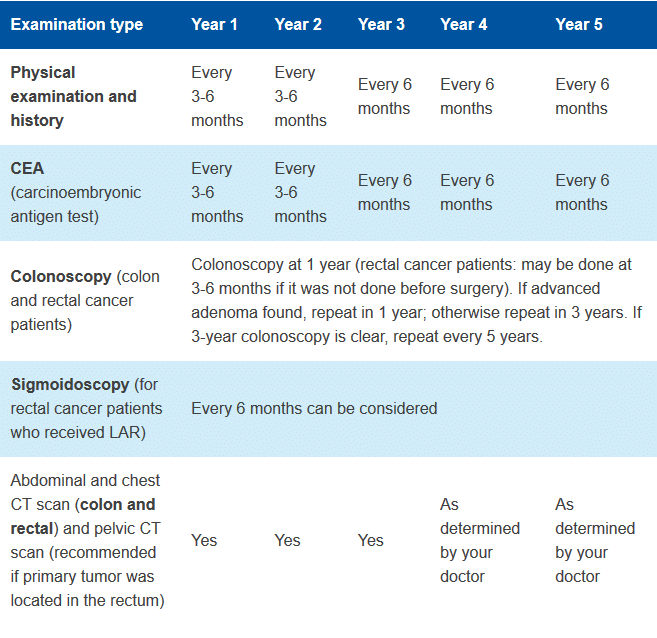
Watchful waiting involves closely monitoring the cancer without undergoing immediate treatment. It is often considered for patients with early-stage colorectal cancer that is growing slowly and not causing symptoms. During watchful waiting, regular checkups, imaging tests, and blood tests are performed to closely monitor the cancer’s progression. Treatment may be initiated if the cancer starts growing or causing symptoms.
Indications
Watchful waiting may be recommended for older patients or those with other health conditions that make them less suitable candidates for aggressive treatments. It can also be considered for patients with small, localized tumors that are not likely to spread or cause harm in the short term. The decision to undergo watchful waiting is made on a case-by-case basis, taking into account various factors such as the overall health of the patient and the characteristics of the cancer.
Supportive Care
Supportive care plays a crucial role in the overall management of colorectal cancer. It focuses on relieving symptoms, managing side effects, and improving patients’ quality of life.
Pain Management
Pain is a common symptom of colorectal cancer, particularly as the disease progresses or spreads. Pain management strategies may include the use of pain medications, such as opioids, as well as alternative therapies such as acupuncture or relaxation techniques. The goal of pain management is to provide relief and enhance the patient’s comfort and well-being.
Psychological Support
Being diagnosed with colorectal cancer can be emotionally challenging, and psychological support is an important aspect of care. This may involve counseling, support groups, or other forms of therapy to help patients and their families cope with the emotional and psychological effects of cancer. Psychological support can help reduce anxiety, improve mental well-being, and enhance overall quality of life for patients with colorectal cancer.